
The inherent unpredictability of mountain environments makes skiing one of the most physically demanding and high-risk recreational activities. Whether navigating the early-season "white ribbon of death" or carving through peak-winter powder, skiers are constantly exposed to hidden hazards, including submerged rocks, icy patches, and sudden terrain transitions. According to sports medicine data, the physical toll of these variables is significant, with knee injuries alone accounting for approximately 30% to 40% of all alpine skiing accidents. As the industry looks toward the 2025-2026 season, physical therapists and orthopedic specialists are emphasizing that injury prevention is not a matter of luck, but a result of a well-structured, pre-season conditioning program.
Dr. Matt Hastings, a Doctor of Physical Therapy at The Alpine Athlete, highlights that while skiers cannot control the weather or the behavior of others on the slopes, they can significantly mitigate personal risk through targeted "pre-habilitation." This approach focuses on building a body capable of absorbing the high-velocity forces unique to downhill sports. By integrating specific movement patterns—eccentric, isometric, unilateral, core-stabilizing, and mobility-focused—athletes can prepare their musculoskeletal systems for the rigors of the mountain.
The Biomechanics of Ski Injuries: A Statistical Overview
To understand the necessity of specialized training, one must first examine the data surrounding ski-related trauma. Research from the National Ski Areas Association (NSAA) and various orthopedic journals indicates that the most common injuries involve the Anterior Cruciate Ligament (ACL), Medial Collateral Ligament (MCL), and tibial plateau fractures. These often occur during "catch-an-edge" scenarios or when a skier is "back on their heels," causing the quads to pull the tibia forward with enough force to rupture the ACL.
Furthermore, fatigue is a primary catalyst for injury. Statistics show a spike in accidents during the late afternoon hours, typically between 2:00 PM and 4:00 PM, when muscular endurance wanes and proprioception—the body’s ability to sense its position in space—diminishes. A robust fitness routine addresses this by increasing the "burn threshold" and ensuring that muscles can continue to stabilize joints even after several hours of exertion.
1. Eccentric Loading: The Science of Shock Absorption
The most critical phase of a ski turn is often the one that receives the least attention in a traditional gym setting: the lowering phase. In kinesiologic terms, this is known as eccentric contraction. During an eccentric movement, the muscle lengthens under tension. In skiing, this occurs every time a skier absorbs a bump, compresses into a turn, or manages the transition from a steep pitch to a flat.
"When we think about how we move on the ski hill, particularly downhill, we absorb the terrain as it comes at us," says Dr. Hastings. "Our legs and body are working as shock absorbers to the input provided by the ski hill. As we take on the forces of the downhill, we are eccentrically loading our legs."
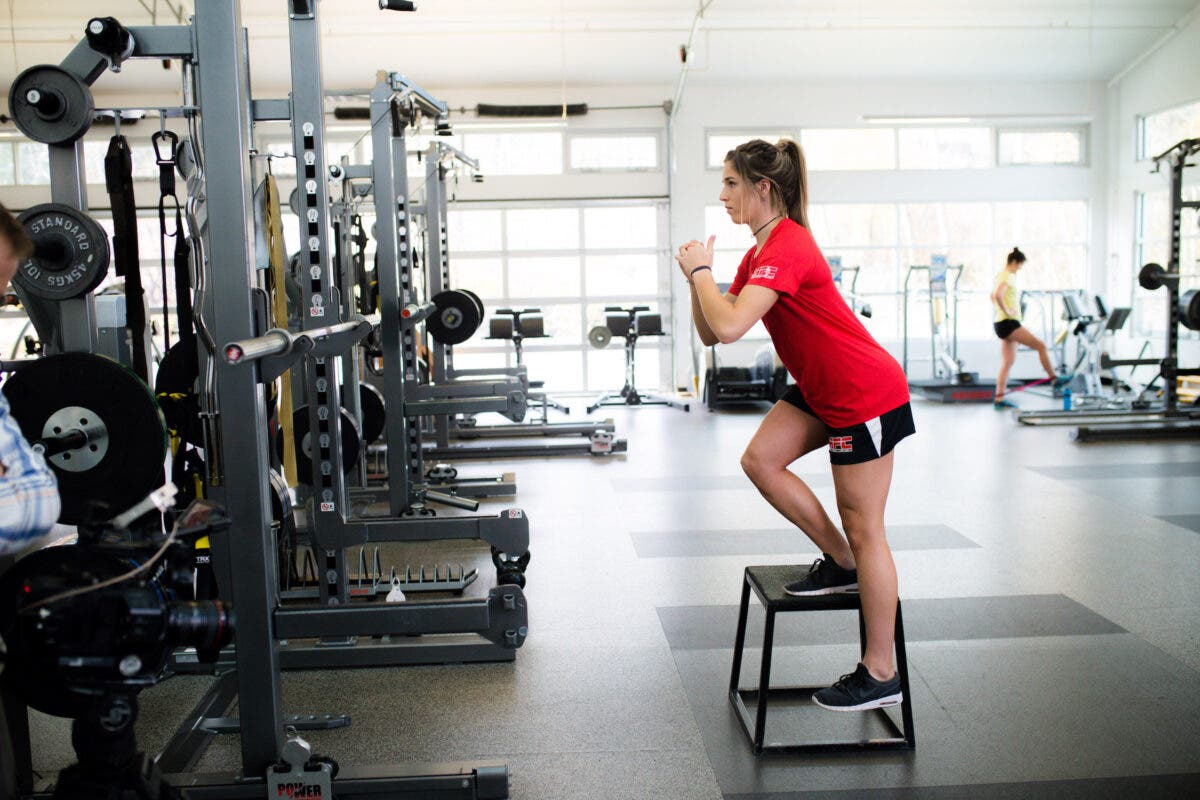
To train for this, athletes must focus on the "tempo" of their lifts. For example, when performing a squat, the descent should be slow and controlled—typically lasting three to five seconds—while the ascent can be more explosive. This training stresses the tendons and muscle fibers in a way that mimics the high-load demands of a high-speed descent, effectively "bulletproofing" the knees against the sudden impacts of moguls or uneven snow.
2. Isometric Strengthening: Fighting the "Quad Burn"
Any skier who has tackled a long, sustained "groomer" or a technical glade run is familiar with the intense burning sensation in the thighs. This is the result of isometric and near-isometric contractions, where the muscle fires at a stable or unchanged joint angle to maintain a specific posture. In skiing, the "athletic stance" is essentially a dynamic isometric hold.
Building strength in isometric patterns allows the quadriceps and glutes to maintain stability without succumbing to premature fatigue. The classic "wall sit" remains a gold standard for this type of conditioning. However, modern sports science suggests progressing these holds by adding weighted resistance or incorporating "ISO-dynamic" movements, where a skier holds a mid-squat position for 30 seconds before performing a set of explosive jumps. This teaches the nervous system to remain calm and stable under high metabolic stress.
3. Unilateral Training: Mastering Edge Control
Skiing is frequently mischaracterized as a bilateral sport because both feet are clipped into bindings. However, biomechanical analysis reveals it is largely a unilateral (single-leg) activity. Weight is constantly shifted from the inside edge of the downhill ski to the outside edge of the uphill ski. In a perfect carved turn, the majority of the force is directed through a single limb.
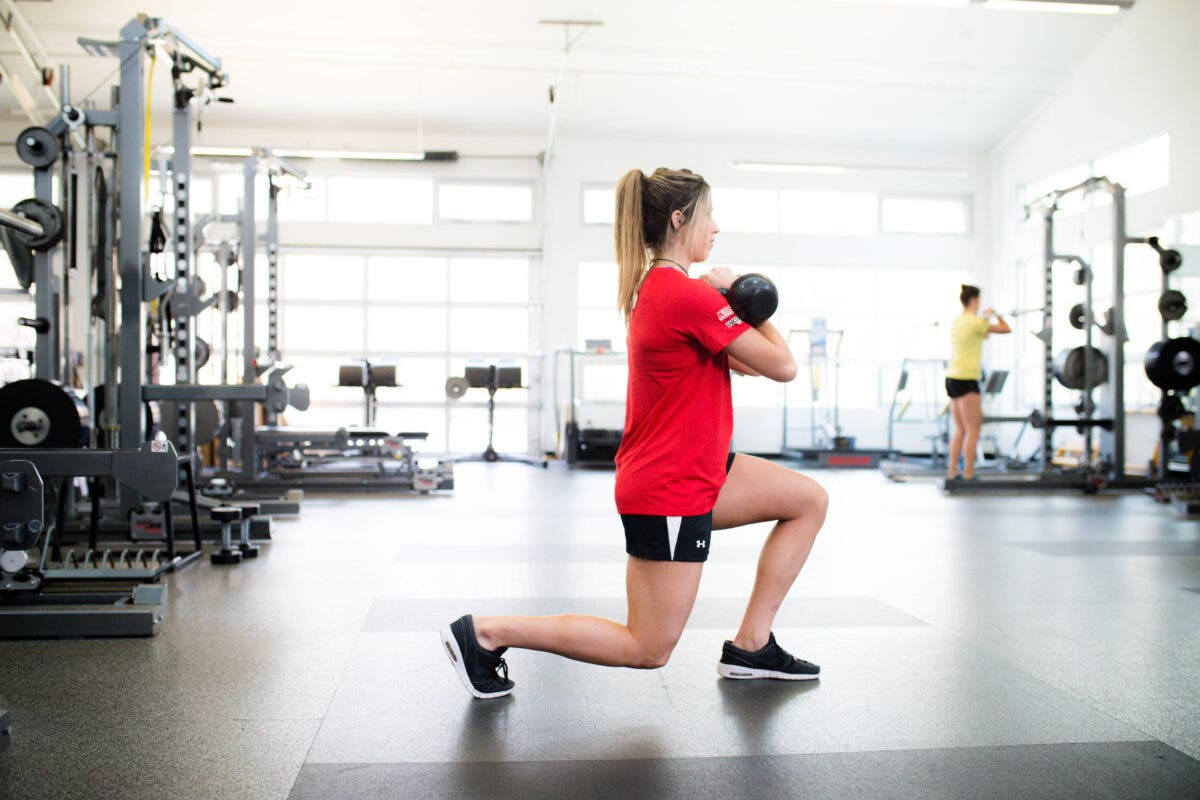
Improving strength through single-leg exercises, such as lunges and Bulgarian split squats, is essential for developing the balance and lateral stability required for edge control. Dr. Hastings recommends performing lunges in multiple planes of movement—forward, reverse, and lateral. Lateral lunges are particularly relevant for skiers, as they mimic the side-to-side weight transfer and the engagement of the adductors and abductors, which are crucial for preventing the "pizza" or "snowplow" stance from leading to knee strain.
4. Advanced Core Stability: The Trunk as a Torsion Bar
A common misconception in ski fitness is that "core training" simply means doing crunches. For a skier, the core acts as a bridge between the upper and lower body, functioning as a torsion bar that allows the legs to turn independently of the torso. Without a stable trunk, a skier’s center of mass becomes erratic, leading to "backseat" skiing—a primary cause of ACL tears.
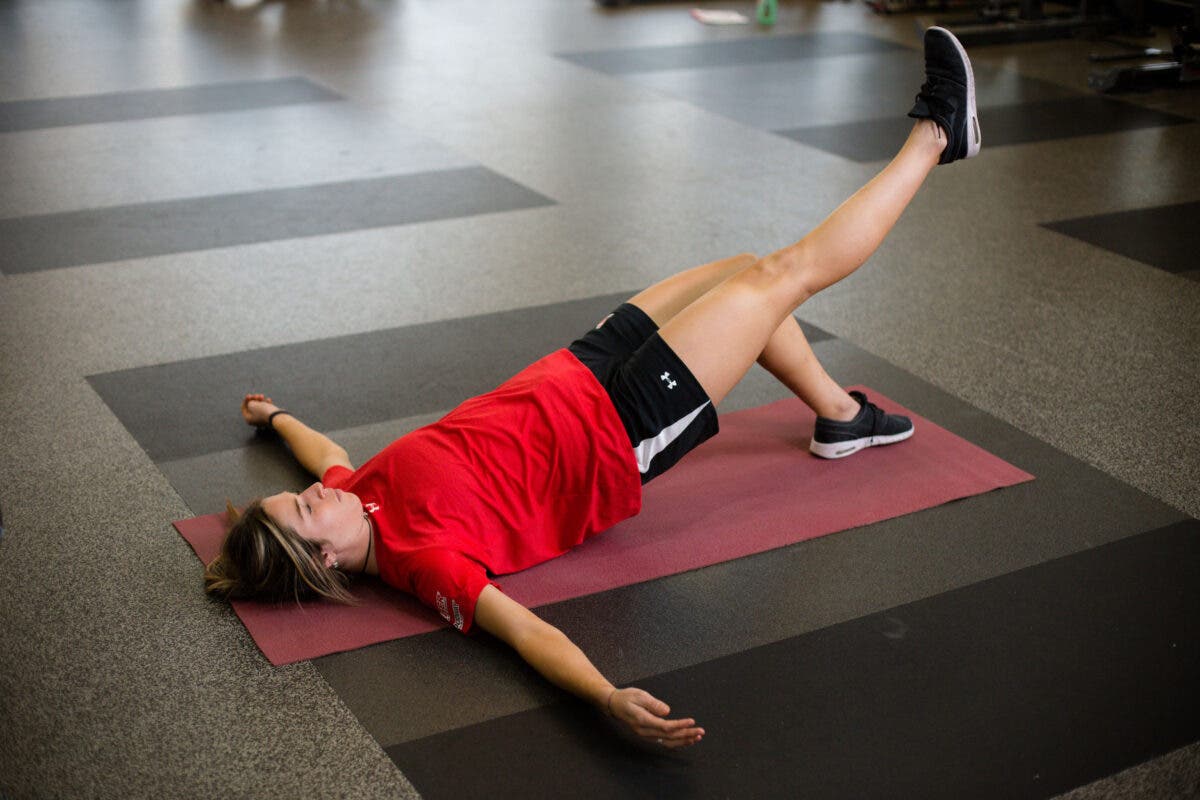
Plank variations are the preferred method for building this "anti-rotational" strength. Beyond the standard forearm plank, Dr. Hastings suggests the Copenhagen plank, which specifically targets the inner thigh (adductor) and the deep lateral stabilizers of the core. Side planks and planks with alternating arm reaches further challenge the body to maintain a neutral spine while the extremities are in motion, directly translating to the "quiet upper body" technique taught by professional ski instructors.
5. Mobility and Recovery: The Flexibility-Injury Link
While strength and power are vital, they are ineffective if the joints lack the range of motion (ROM) to move through a full turn. Stiffness in the ankles, for instance, prevents a skier from "getting over their boots," while limited hip mobility can force the lower back to compensate, leading to chronic lumbar pain.
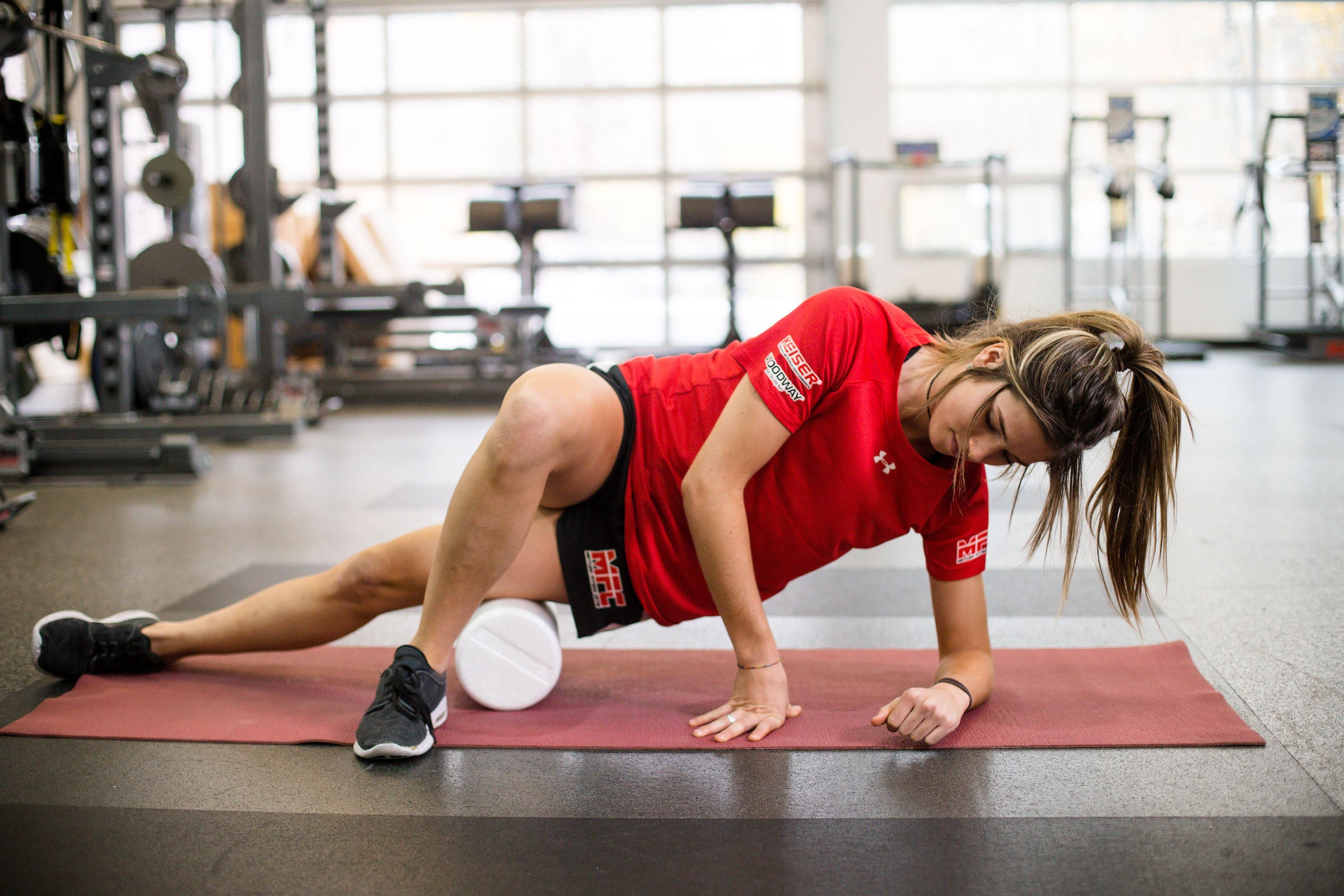
Dr. Hastings emphasizes that mobility work should be a year-round endeavor, not just a pre-ski ritual. Utilizing tools like foam rollers, massage guns, and resistance bands can help maintain the sliding surfaces of the fascia and muscles. A focus on "active recovery"—stretching and mobility work performed shortly after skiing—helps flush metabolic waste from the muscles and reduces the Delayed Onset Muscle Soreness (DOMS) that often plagues the second day of a ski trip.
The Ski Fitness Timeline: A Chronological Approach
Effective preparation requires a phased approach. Experts suggest a three-phase timeline for those looking to maximize their season:
- Phase 1: Hypertrophy and Base (June – August): Focus on building general muscle mass and cardiovascular endurance through hiking, cycling, and traditional weightlifting.
- Phase 2: Strength and Power (September – October): Transition to heavier weights with fewer repetitions, focusing on the eccentric and isometric movements mentioned above.
- Phase 3: Specificity and Agility (November – Season Start): Incorporate plyometrics (jumping exercises), lateral agility drills, and high-intensity interval training (HIIT) to mimic the metabolic demands of a three-minute ski run.
Broader Impact and Implications for the Industry
The push for better ski fitness is part of a broader trend toward "longevity" in mountain sports. As the average age of season-pass holders increases, the industry has seen a rise in "weekend warrior" injuries—incidents involving individuals who are sedentary during the week and highly active on weekends.
Healthcare providers and ski resorts have a vested interest in promoting these fitness standards. Fewer injuries result in fewer emergency evacuations, lower insurance premiums, and higher "skier days" per season. Furthermore, the psychological impact of feeling "ski fit" cannot be overstated; a confident, strong skier is more likely to make better decisions on the hill, further reducing the likelihood of accidents.
Ultimately, the goal of a dedicated fitness routine is to ensure that the physical body is no longer the limiting factor in one’s enjoyment of the mountains. As Dr. Hastings and other professionals suggest, the work done in the gym during the off-season is what allows for those effortless, injury-free days in the backcountry or on the corduroy. By focusing on the five pillars of eccentric, isometric, unilateral, core, and mobility training, skiers can ensure that they are prepared for whatever the mountain throws at them.

