
The United States Ski & Snowboard Association (USSS) has rolled out its intricate alpine team nomination criteria for the 2026-27 season, a document initially released in October and subsequently clarified with an amendment. This comprehensive framework, designed to identify and cultivate top-tier talent, has spurred considerable discussion within the alpine community, with athletes, coaches, and families actively working to decipher its practical implications months after its publication. The core objective remains unequivocally clear: to pinpoint athletes capable of consistently challenging for podium finishes on the demanding World Cup circuit and delivering medal-winning performances at the pinnacle events of the sport – the Olympic Winter Games and World Championships.
Strategic Vision: Cultivating World-Class Alpine Talent
The release of these criteria underscores U.S. Ski & Snowboard’s commitment to a performance-driven ethos, prioritizing results that translate directly to the highest echelons of international alpine racing. This strategic focus is paramount as the organization looks ahead to the 2026 Olympic Winter Games, aiming to build a robust pipeline of athletes poised for global success. The criteria serve not merely as a set of benchmarks but as a philosophical statement, guiding athlete development from junior ranks through to the senior national team.
The selection period for these crucial nominations spans from July 1, 2025, through April 1, 2026. This window encompasses a full season of competitive action, allowing athletes to demonstrate their prowess across various tiers of racing. Naturally, performance on the prestigious World Cup circuit carries the most significant weight, reflecting the ultimate goal of the program. However, the system is meticulously designed to recognize and reward progression through critical developmental stages, with results from Europa Cup, NorAm (North American Cup), FIS World Ranking, and NCAA (National Collegiate Athletic Association) competitions all playing vital supporting roles. This multi-tiered evaluation ensures that talent is identified and nurtured through diverse pathways, accommodating the varied developmental trajectories common in elite skiing.
The Tiered System: A Clear Path to Elite Status
U.S. Ski & Snowboard’s nomination structure is organized into distinct tiers – A, B, and C Teams – each with progressively stringent requirements reflecting an athlete’s current standing and potential trajectory within the sport. This layered approach is common among leading ski nations, providing clear benchmarks and aspirational goals for athletes at every stage of their career.
A Team: The Apex of Proven Performance
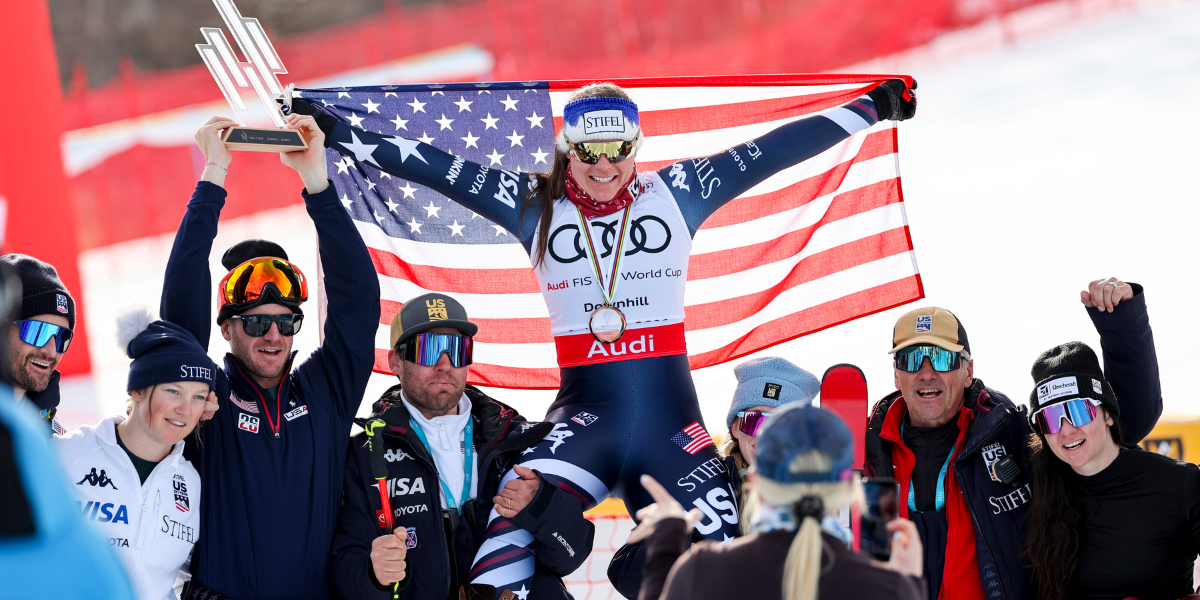
The A Team represents the pinnacle of U.S. alpine skiing, reserved exclusively for athletes who have already unequivocally demonstrated their capability to compete among the world’s elite. There is no room for projection at this level; selection is based purely on established, consistent performance. Athletes aspiring to the A Team must meet exacting standards that reflect sustained success on the World Cup stage, such as multiple top-10 finishes, or a single podium result within the designated selection period. For example, a common benchmark in many national programs for A-team status might involve achieving a certain number of top-15 World Cup results across disciplines or securing a medal at a major championship. These criteria are designed to identify athletes who are not merely participating but are legitimate contenders for victory on any given race day, positioning them as medal hopefuls for the upcoming Olympics and World Championships. The rigorous nature of these standards ensures that the A Team comprises the strongest, most competitive athletes ready to represent the U.S. at the highest level.
B Team: The Gateway to World Cup Progression
The B Team criteria are tailored for athletes demonstrating a clear and compelling trajectory toward consistent, high-level World Cup performance. This tier serves as a crucial bridge, combining specific race results with World Cup Start List (WCSL) rankings. The thresholds for B Team qualification are thoughtfully adjusted by an athlete’s year of birth, acknowledging the natural progression of physical and technical development in alpine skiing. For instance, a younger athlete might qualify with slightly less stringent WCSL rankings or fewer top-tier Continental Cup results compared to an older athlete, reflecting their greater developmental potential.
Result-based criteria for the B Team typically involve a combination of strong showings in Europa Cup or NorAm races, often requiring multiple top-3 or top-5 finishes, sometimes even a victory in specific disciplines. These performances signal an athlete’s ability to dominate at the Continental Cup level, which is considered the direct feeder to the World Cup. Complementing these race results are WCSL ranking criteria, which assess an athlete’s global standing in their preferred disciplines. For example, a male athlete born in 2002-2003 might need a WCSL ranking within the top 50 in a speed discipline or top 60 in a technical discipline, while a younger athlete born in 2005 might aim for a ranking within the top 80 or 100. These benchmarks are strategically set to reflect an athlete’s sustained improvement and their readiness to make the leap to World Cup starts, ensuring they are competitive enough to earn future opportunities.
C Team: Diverse Pathways for Emerging Talent
The C Team serves as the primary entry point into the U.S. Ski & Snowboard national program, offering multiple pathways that recognize the varied development trajectories within alpine skiing. This inclusive approach is vital for capturing talent from different backgrounds, including those excelling in collegiate programs, junior international circuits, or regional series.
Athletes can qualify for the C Team through robust performances in Continental Cup races (Europa Cup, NorAm), strong showings in FIS World Ranking, or via the clarified NCAA pathway. The FIS World Ranking is evaluated using the 2027 FIS points achieved during the selection period, providing a standardized global metric for comparing athletes. This allows U.S. Ski & Snowboard to identify promising young skiers who might not yet have extensive Continental Cup experience but are demonstrating exceptional potential through their international FIS point profile.
The NCAA Pathway: A Refined Bridge for Collegiate Athletes

A significant amendment to the original October criteria specifically addresses and clarifies the NCAA pathway, a crucial development for athletes balancing elite skiing ambitions with collegiate education. This pathway is designed for athletes born in 2003 or later, acknowledging the unique competitive environment and schedule of collegiate skiing.
To qualify, athletes must demonstrate excellence in both NCAA competition and high-level NorAm events. This dual requirement ensures that collegiate skiers are not only dominant within the NCAA circuit but also maintain their competitiveness against international peers on the NorAm tour, which is a direct pathway to the Continental Cup and ultimately the World Cup. For instance, an athlete might need to secure a top-3 finish at the NCAA Championships in a particular discipline and achieve multiple top-5 NorAm results in the same season. This structure provides a clear, merit-based route for collegiate athletes, recognizing the increasing caliber of NCAA skiing as a legitimate developmental pipeline for national team talent. The clarification of this pathway reflects U.S. Ski & Snowboard’s responsiveness to feedback from the community, ensuring that promising athletes in the collegiate system have a well-defined route to the national team.
Continental Cup and FIS World Ranking: The Development Pipeline
Beyond the NCAA, the Continental Cup series and FIS World Ranking remain foundational pathways for C Team selection. These criteria are meticulously structured with thresholds adjusted by age group, recognizing the varying stages of physical and technical maturity.
For athletes born in 2002-2003 and younger, qualification might require multiple top-10 finishes in Europa Cup or NorAm races, or achieving specific FIS World Rankings (e.g., top 70 in a technical discipline, top 60 in a speed discipline). As athletes get younger, the thresholds become slightly less demanding but still reflect a high level of performance. For those born in 2004 and younger, the requirements might involve top-5 NorAm results or slightly higher FIS point targets. For the youngest cohort, born in 2005 and younger, the emphasis might be on consistent top-tier results in junior NorAm races or achieving specific, competitive FIS point totals that signify exceptional early promise. This granular approach ensures that the criteria are age-appropriate, encouraging sustainable development rather than premature specialization or burnout. Europa Cup races, contested primarily in Europe, offer direct competition against many of the world’s most promising young skiers, making strong results there particularly valuable for U.S. athletes.
The Strategic Use of Discretionary Nominations
While objective criteria form the bedrock of the selection process, U.S. Ski & Snowboard maintains the crucial ability to make discretionary nominations in specific, clearly outlined circumstances. This provision is not a loophole but a vital mechanism for flexibility, acknowledging that not every exceptional talent or unique situation can be perfectly captured by numerical benchmarks.
Discretionary nominations may be considered in cases such as athletes returning from significant, season-ending injuries who demonstrate immediate, high-level performance upon their return but lack the volume of results within the strict selection window. They might also apply to athletes exhibiting extraordinary talent in a highly specialized discipline where opportunities for a broad range of qualifying results are limited, or for late bloomers who show a sudden, dramatic leap in performance that outpaces the standard progression. These nominations are evaluated rigorously alongside objective benchmarks and are used selectively to ensure fairness, maintain the integrity of the objective system, and ultimately serve the overarching goal of fielding the strongest possible national team. The organization’s internal review board, comprising experienced coaches and high-performance staff, would meticulously assess such cases to ensure alignment with the team’s strategic objectives.

Beyond the Podium: Holistic Athlete Requirements
Nomination to a U.S. Ski & Snowboard team extends beyond mere race results. A series of non-negotiable requirements apply to all nominated athletes, underscoring the professional expectations placed upon them. These include maintaining a high level of physical fitness, demonstrating impeccable professional conduct, adhering strictly to U.S. Ski & Snowboard and FIS rules and regulations, and fulfilling all team financial and administrative obligations. These holistic requirements are crucial for fostering a cohesive team environment, upholding the organization’s values, and ensuring that athletes are prepared for the demands of a professional career in alpine skiing. Furthermore, while athletes will not be promoted mid-season, the criteria explicitly state that funding may be adjusted or reduced if an athlete’s performance or commitment falls short of expectations, ensuring accountability and optimal allocation of resources.
The Injury Clause: A Vital Safety Net
Recognizing the inherent risks of alpine racing, the criteria include a critical injury clause. Athletes who sustain a season-ending injury prior to February 1 of the selection year may be eligible to retain their team status under specific conditions. In certain severe cases, re-nomination may even extend across two seasons. This provision acts as a vital safety net, protecting athletes’ careers and providing crucial support during challenging recovery periods, demonstrating U.S. Ski & Snowboard’s commitment to athlete well-being and long-term development. It acknowledges that a single, unfortunate incident should not necessarily derail a promising career, particularly for athletes who have already demonstrated high potential.
Implications for the Future of U.S. Alpine Skiing
The 2026-27 alpine team nomination criteria represent a clear, structured blueprint for the future of U.S. alpine skiing. By establishing strict, performance-based standards at the elite level and offering multiple, well-defined entry points for developing athletes, U.S. Ski & Snowboard aims to create a robust and sustainable pipeline of talent. The emphasis on World Cup performance, coupled with the refined pathways for collegiate athletes and those progressing through Continental Cups, signifies a strategic push to elevate the overall competitiveness of the U.S. team on the global stage. The ongoing discussions and efforts to understand these criteria highlight the significant impact they will have on athlete development, coaching strategies, and the allocation of resources within the sport. Ultimately, these criteria are designed to ensure that the U.S. is consistently represented by athletes who can perform at speed, under pressure, and against the very best in the world, with the ultimate goal of achieving sustained excellence at the Olympic Winter Games and World Championships.
For a comprehensive understanding, U.S. Ski & Snowboard’s 2026-27 alpine team nomination criteria, including the initial October release and the subsequent amendment, are available on their official website. Reviewing both documents provides invaluable context, particularly regarding the specific clarifications made to the NCAA pathway, which has been a point of particular interest for many in the alpine community.

