
Colorado Parks and Wildlife (CPW) has initiated an ambitious 2026 aquatic nuisance species sampling program, significantly intensifying monitoring efforts along the Colorado River. This proactive measure is a direct response to the escalating zebra mussel infestation, a problem that has seen a dramatic surge in prevalence since its initial detection in 2024. The program will involve rigorous weekly shoreline and water sampling across extensive stretches of the Colorado River, from the headwaters near Granby all the way to the Colorado-Utah border. This expanded surveillance is crucial, building upon the initial discovery of zebra mussel larvae in the river during July 2024, followed by the confirmed presence of adult mussels in 2025.
Escalating Infestation and Expanded Monitoring
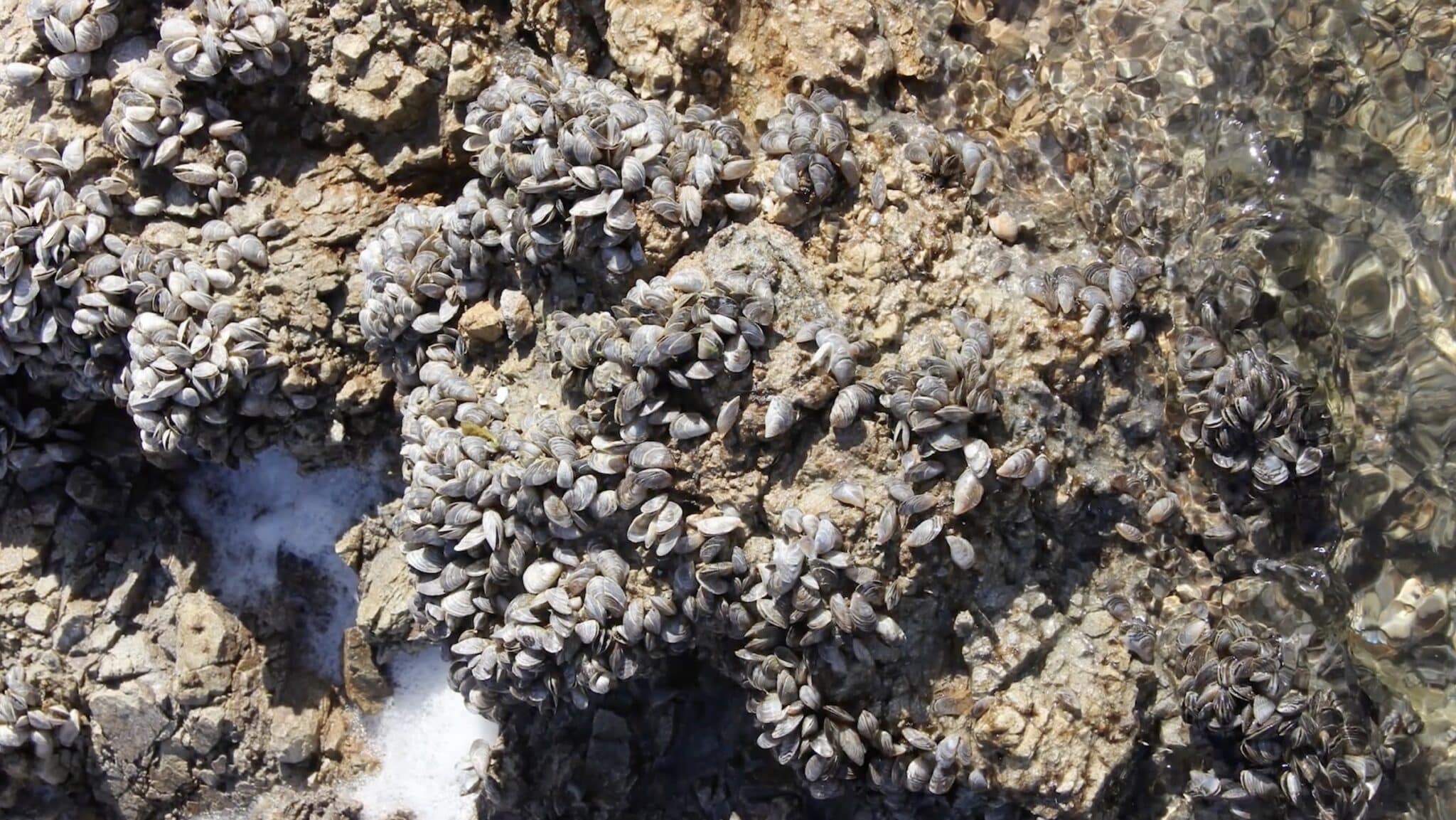
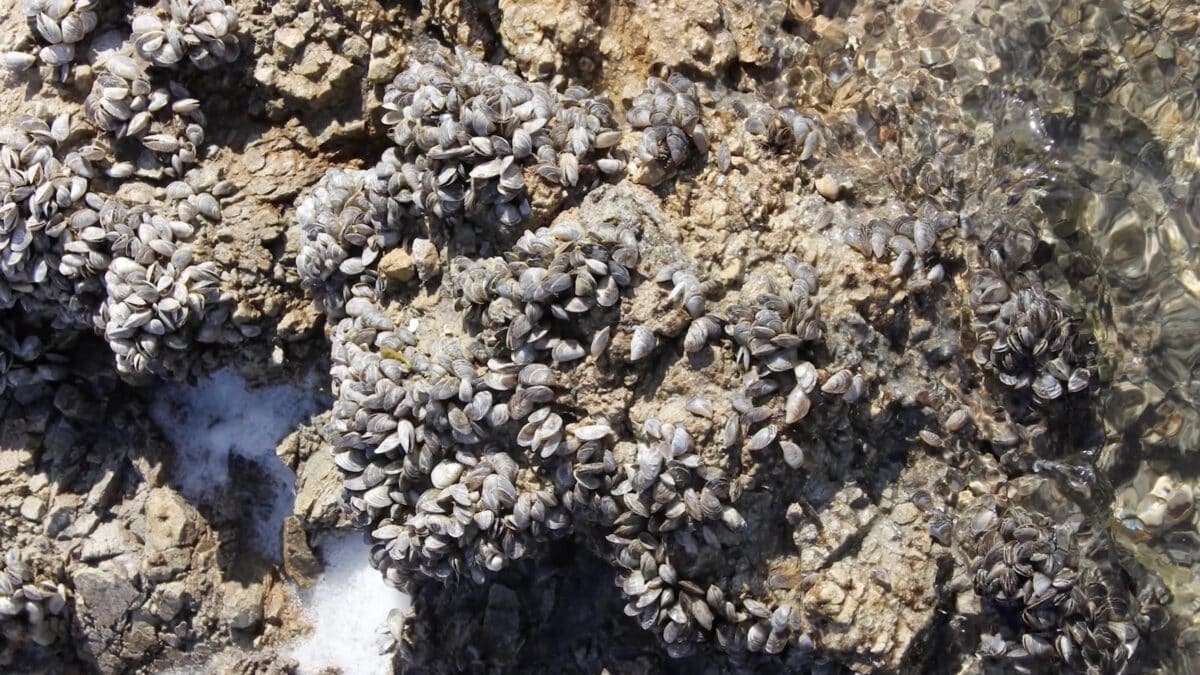
The zebra mussel invasion represents a critical ecological and economic challenge for Colorado. These invasive bivalves, native to Eastern Europe, are known for their rapid reproduction and their ability to form dense colonies that can clog water intake pipes, damage infrastructure, and outcompete native aquatic species for food and habitat. Their introduction into the Colorado River system, a vital water source for agriculture, municipalities, and recreation, poses a significant threat to the region’s water security and biodiversity.
CPW’s 2026 monitoring program is designed to provide a comprehensive understanding of the zebra mussel’s current distribution and population dynamics. By conducting frequent sampling, officials aim to detect the presence of mussels at various life stages, from microscopic larvae to adult specimens. This data will be instrumental in informing management strategies and public outreach efforts.
Strategic Partnerships and Advanced Detection Methods
A cornerstone of this year’s enhanced monitoring is an expanded partnership with River Corps, an AmeriCorps program administered by the nonprofit River Science. This collaboration has placed three River Corps members within CPW’s aquatic nuisance species program. Two of these dedicated individuals will focus specifically on bolstering the agency’s monitoring capacity along the Colorado River. These technicians will employ specialized plankton nets to meticulously collect water samples, targeting the detection of invasive mussel larvae.
Furthermore, high-priority samples collected will undergo rigorous analysis for zebra mussel environmental DNA (eDNA) at CPW’s Aquatic Animal Health Lab in Denver. Environmental DNA analysis is a cutting-edge technique that allows scientists to detect the genetic material shed by organisms into their environment. This method can identify the presence of zebra mussels even when physical specimens are scarce or difficult to locate, offering a highly sensitive tool for early detection and widespread surveying.
Documented Infestation Zones and Growing Concerns
The geographical footprint of the zebra mussel infestation in western Colorado is unfortunately expanding, with a growing list of water bodies now officially designated as infested. As of the latest assessments, these include:
- Highline Lake: Located within Highline Lake State Park, this body of water has become a significant hotspot for zebra mussel activity.
- Mack Mesa Lake: Also situated within Highline Lake State Park, this lake has also succumbed to the invasive species.
- West and East Lake: Both lakes at James M. Robb-Colorado River State Park are now confirmed to harbor zebra mussels, impacting a popular recreational area.
- Colorado River (Eagle River confluence to Utah border): The main stem of the Colorado River in this critical section is under intense scrutiny, with the infestation confirmed to extend across a substantial distance.
- Red Rocks Lake: Another lake within James M. Robb-Colorado River State Park that has been identified as infested.
- Grand River Park: Located in New Castle, this park’s associated water features are also affected.
Beyond these publicly managed areas, CPW has also identified several privately owned water bodies that are experiencing confirmed zebra mussel infestations. The agency anticipates that as the sampling program broadens its reach, additional discoveries are likely, underscoring the pervasive nature of this ecological threat.
Areas Currently Unaffected and Future Projections
Encouragingly, no zebra mussel detections have been recorded in the upper reaches of the Colorado River, specifically between the river’s headwaters and the confluence with the Eagle River. Similarly, the Eagle River itself and the Roaring Fork River remain free of confirmed infestations. This information is vital for prioritizing containment efforts and for understanding the natural barriers or conditions that may be hindering the mussels’ spread into these areas.
CPW officials are closely monitoring these unaffected waterways, recognizing the potential for future introductions. The agency’s strategy involves a multi-pronged approach, combining robust monitoring with stringent preventative measures and rapid response protocols.
Public Engagement and Prevention Strategies
The successful containment and management of zebra mussels rely heavily on the cooperation and vigilance of the public. CPW is issuing a strong appeal to all stakeholders, particularly those who own ponds or lakes that draw water from the Colorado River or the Grand Valley canal systems. These individuals are strongly encouraged to request a free inspection by contacting CPW via email at [email protected]. Early detection on private properties can be critical in preventing further dissemination of the invasive species.
Furthermore, boaters and anglers are reminded of their crucial role in preventing the spread of aquatic nuisance species. The "Clean, Drain, and Dry" protocol remains the most effective defense. This involves thoroughly cleaning all watercraft and equipment to remove any visible plants, animals, or mud; draining all water from bilges, ballast tanks, and live wells; and allowing all equipment to dry completely before launching into another body of water. Adherence to these simple yet vital steps can significantly reduce the risk of transporting zebra mussels and other invasive species.
Broader Implications and Ecological Impact
The continued spread of zebra mussels along the Colorado River has profound implications for the region’s ecology and economy. Economically, the cost of managing zebra mussel infestations is substantial. Utilities and water management agencies face significant expenses in cleaning and maintaining infrastructure, including water intake structures for power plants, municipal water supplies, and agricultural irrigation systems. The long-term economic impact could include increased operational costs, potential water delivery disruptions, and a decrease in recreational revenue due to impacted fisheries and water quality.
Ecologically, zebra mussels are ecosystem engineers. Their filter-feeding behavior dramatically alters water clarity, impacting native aquatic plants that rely on sunlight. By consuming vast quantities of plankton, they disrupt the food web, affecting native fish populations and other aquatic organisms. Their sharp shells also pose a hazard to swimmers and can damage recreational equipment. The successful establishment of zebra mussels in a major river system like the Colorado River could lead to irreversible changes in the aquatic ecosystem, potentially threatening native species and diminishing biodiversity.
A Timeline of the Infestation
The zebra mussel problem in Colorado has a relatively short but concerning history:
- 2008: The first confirmed detection of zebra mussels in Colorado was at Pueblo Reservoir.
- 2015-2023: Sporadic detections and ongoing monitoring efforts in various reservoirs and water bodies across the state.
- July 2024: Discovery of zebra mussel larvae in the Colorado River, raising alarms about the potential for widespread downstream colonization.
- 2025: Confirmation of adult zebra mussels in the Colorado River, solidifying the presence of an established population.
- 2026: Launch of the intensified CPW aquatic nuisance species sampling program, reflecting the escalating concern and the need for comprehensive monitoring and management.
This timeline highlights the rapid progression of the infestation once it establishes in a new waterway. The early detection of larvae in 2024 was a critical warning sign, and the confirmation of adults in 2025 necessitated the current expanded response.
Official Statements and Agency Response
While specific direct quotes from CPW officials regarding the 2026 program were not included in the initial information, the agency’s actions speak volumes. The substantial investment in personnel, resources, and advanced detection methods like eDNA analysis demonstrates a clear commitment to addressing the zebra mussel threat. CPW’s multi-faceted approach, encompassing monitoring, public education, and partnerships, is indicative of a proactive and comprehensive strategy.
The involvement of River Corps underscores the importance of collaborative efforts in tackling complex environmental issues. By leveraging external expertise and dedicated volunteer programs, CPW can amplify its capacity and reach. The agency’s emphasis on the "Clean, Drain, Dry" message also signifies a reliance on public participation as a primary defense mechanism against the spread of invasive species.
Future Outlook and Challenges
The ongoing battle against zebra mussels in the Colorado River presents significant long-term challenges. Complete eradication is often unfeasible once an invasive species becomes established in a large river system. Therefore, the focus will likely shift towards containment, management, and mitigation of their impacts.
Continued investment in research will be crucial to understanding the ecological dynamics of zebra mussel populations in this unique environment. Developing innovative control methods, while challenging, may also be necessary. Furthermore, sustained public awareness campaigns and rigorous enforcement of preventative measures will be paramount. The success of CPW’s 2026 monitoring program will provide essential data to guide these future efforts, aiming to protect the ecological integrity and economic vitality of the Colorado River for generations to come.

