
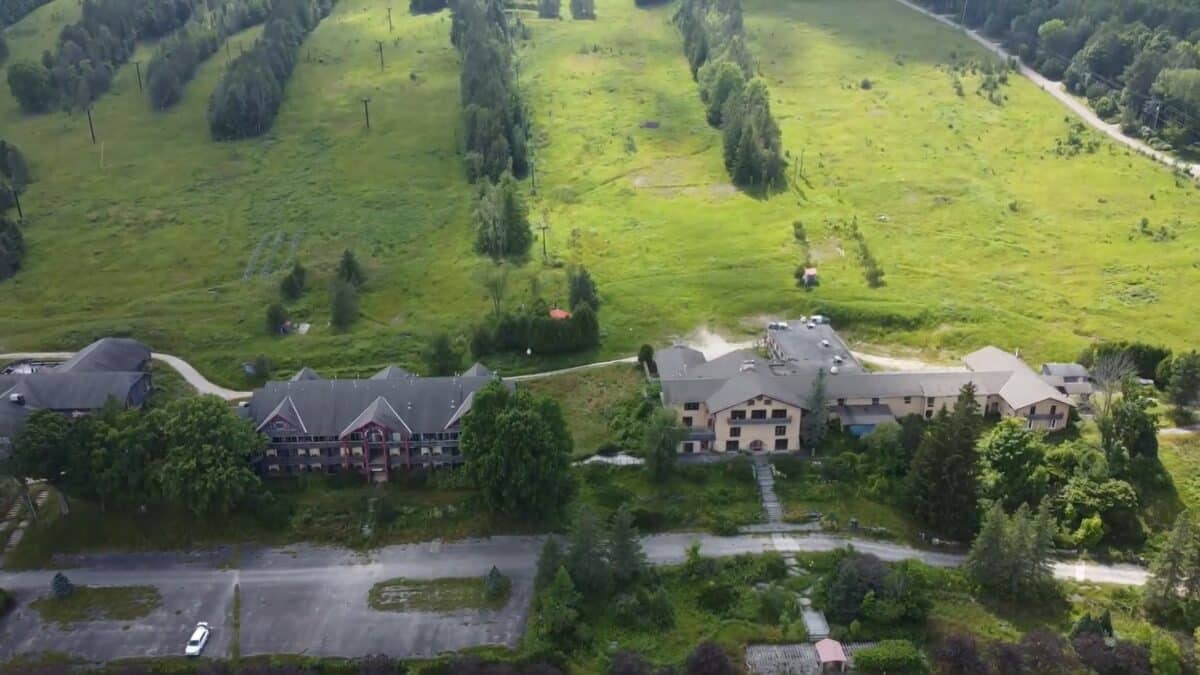
For over a decade, the skeletal remains of the once-vibrant Talisman ski resort in Kimberley, Ontario, have stood as a poignant monument to a bygone era of winter recreation. Its slopes, once alive with the laughter of skiers and the hum of chairlifts, have fallen silent, succumbing to the relentless march of time and the elements. Despite several attempts at revival, the resort’s infrastructure has largely deteriorated, leaving behind a haunting landscape of decay. However, a new chapter is set to unfold for this iconic property, as a dedicated conservation group has stepped forward with a visionary plan: to meticulously dismantle the remnants of the past and orchestrate a comprehensive return to nature.
A New Dawn for Talisman: The Bruce Trail Conservancy’s Ambitious Vision
The Bruce Trail Conservancy, a prominent environmental organization dedicated to preserving and promoting the Bruce Trail and surrounding natural heritage, has acquired the 84-acre site of the former Talisman ski resort. Their ambitious project aims to not only remove all man-made structures but also to actively reforest the land, planting a diverse array of native trees and plant species. This initiative represents the largest and most complex undertaking in the Conservancy’s history, reflecting a deep commitment to ecological restoration and the reclamation of degraded landscapes.
Adam Brylowski, director of conservation and trails for the Bruce Trail Conservancy, articulated the profound significance of this endeavor. "It’s going to be a huge, huge project," he stated, emphasizing the scale of the restoration efforts. "There are 84 acres of (former ski) slopes we’ll be doing restoration on. It’s definitely the most ambitious project we’ve undertaken so far. The opportunity to reclaim nature in a place that has been so heavily used is the definition of our mission." This sentiment underscores the Conservancy’s dedication to its core principles and its belief in the power of nature to heal and regenerate.
A Chronicle of Talisman: From Peak Popularity to Profound Decline
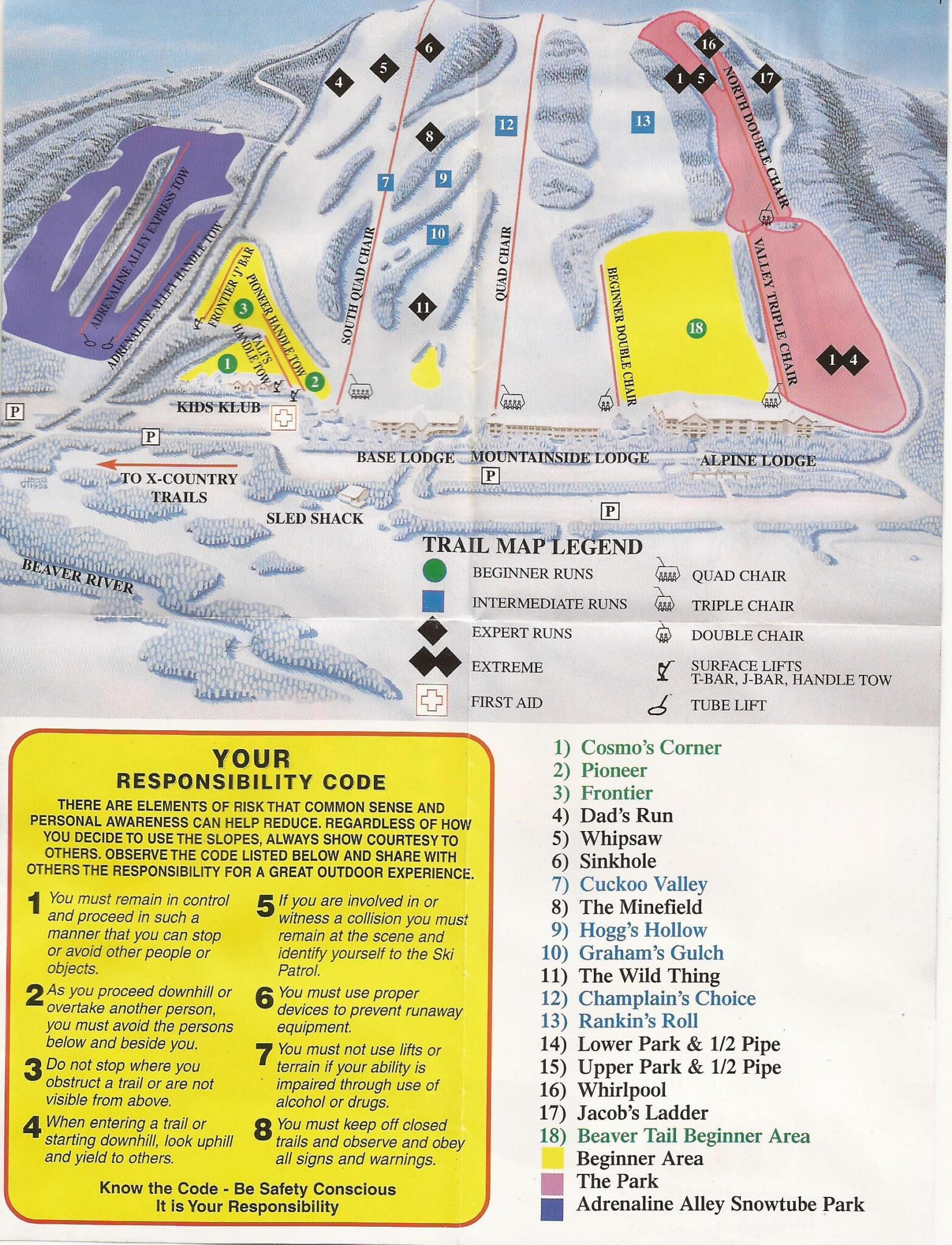
Talisman Resort first opened its doors in 1963, quickly establishing itself as a premier four-season destination. For generations of Ontarians, particularly those in the Greater Toronto Area, Talisman was a beloved escape, offering a vibrant hub for winter sports and summer activities. Its strategic location and diverse offerings made it a popular choice for day trips and weekend getaways. The resort boasted a range of amenities designed to cater to families and outdoor enthusiasts alike, contributing to its status as a cherished landmark in the region’s recreational landscape.
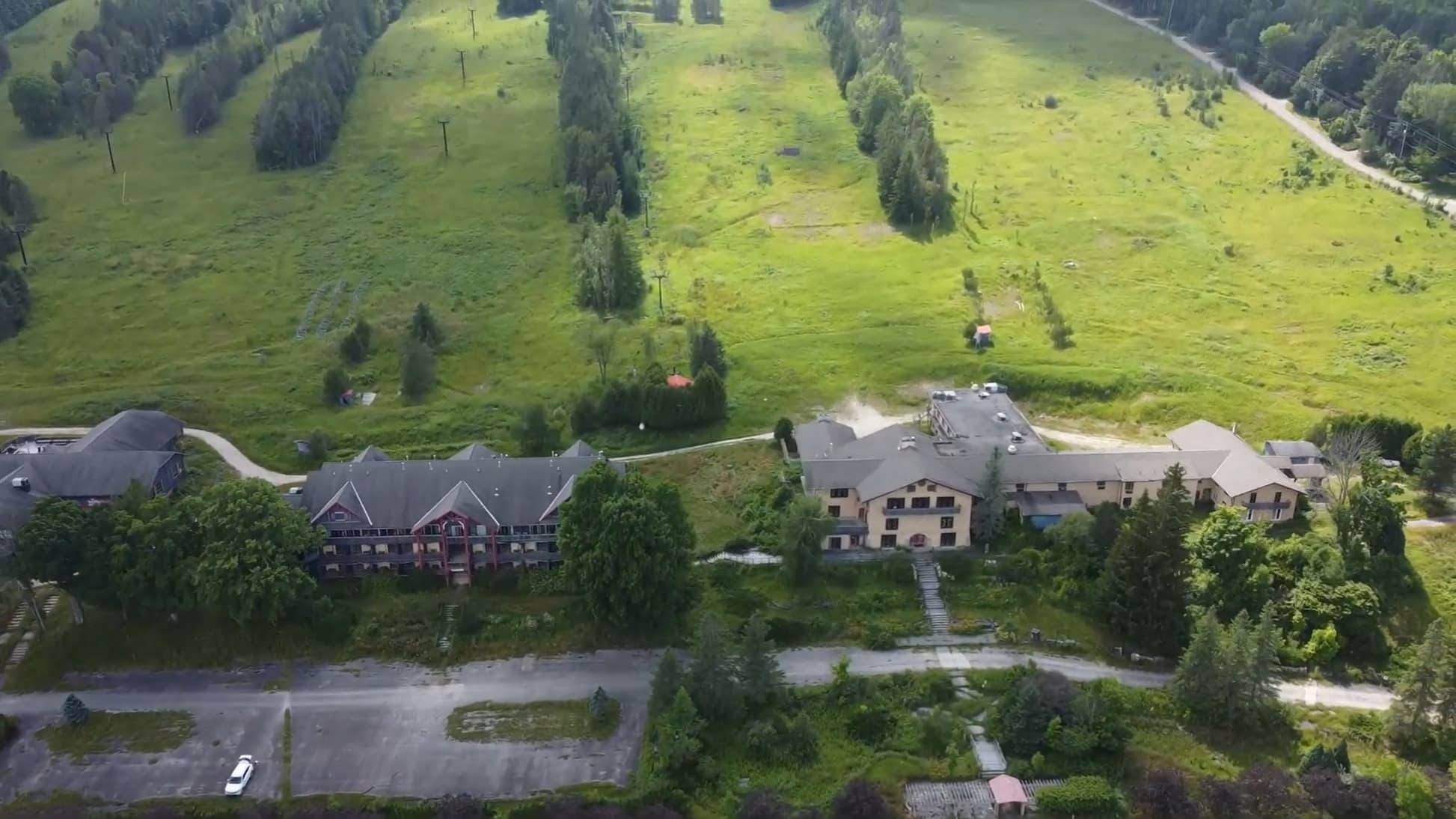
However, the allure of Talisman began to wane in the early 21st century. The resort officially ceased operations in 2011, a casualty of mounting financial challenges and increasingly unpredictable winter weather patterns, a growing concern for ski resorts in warmer climates. The competitive landscape of Ontario’s ski industry also played a significant role in its decline. With established and popular destinations like Blue Mountain and Beaver Valley in close proximity, Talisman struggled to maintain its market share. The confluence of economic hardship and environmental factors ultimately led to its closure, leaving behind a vacant property that gradually succumbed to disuse.
The Echoes of Abandonment: A Magnet for Exploration and Storytelling
In the years following its closure, the abandoned Talisman resort became a peculiar point of interest. Its decaying structures and overgrown slopes attracted urban explorers and photographers drawn to the eerie beauty of decay and the stories whispered by the remnants of past activity. The resort’s atmospheric setting also caught the attention of filmmakers, serving as a dramatic backdrop for various productions. Notably, the property was utilized as a filming location for the critically acclaimed dystopian series, The Handmaid’s Tale, during its sixth season, adding another layer to its multifaceted history. These explorations, while capturing the imagination, also highlighted the pressing need for a definitive plan to address the site’s future.
The Path Forward: Demolition and Ecological Rebirth
The Bruce Trail Conservancy’s plan is multifaceted, beginning with the critical phase of demolition. This fall, the organization intends to commence the systematic removal of all remaining buildings and infrastructure. This process will be conducted with careful consideration for environmental impact, ensuring that any potential contaminants are managed responsibly.
Following the demolition, the focus will shift to the extensive restoration of the 84-acre property. The Conservancy envisions a landscape reawakened by the planting of a diverse array of native trees and flora. This ecological rejuvenation aims to recreate a natural habitat that will support local wildlife and contribute to the biodiversity of the region. The restoration work is slated to begin in earnest next spring, marking the commencement of a long-term commitment to nurturing the land back to its wild state.
Data and Context: Understanding the Scope of the Project
The sheer scale of the Talisman property, spanning 84 acres, presents a significant challenge and opportunity for ecological restoration. Historically, ski resorts often involve substantial alteration of natural topography, including the clearing of forests for slopes and the construction of extensive infrastructure. The return to a natural state involves not only the removal of these structures but also the remediation of any soil disturbance and the reintroduction of native plant communities that can thrive in the local ecosystem.
The Bruce Trail Conservancy’s involvement is particularly significant given their expertise in land management and conservation along the Niagara Escarpment. The organization manages over 1,000 kilometers of the Bruce Trail, Canada’s longest marked hiking trail, and protects thousands of acres of ecologically significant land. Their acquisition of Talisman aligns perfectly with their mission to conserve natural heritage and promote environmental stewardship.
Broader Implications: A Model for Post-Industrial Land Reclamation
The transformation of Talisman Resort from an abandoned recreational site to a thriving natural landscape holds broader implications for urban and regional planning, as well as for the ongoing discourse surrounding post-industrial land reclamation. As more recreational facilities face economic or environmental challenges, the Talisman project offers a compelling model for how such sites can be repurposed for ecological benefit.
The adjacent golf course, once part of the Talisman resort complex, has been acquired by a developer with plans for residential community development. This juxtaposition highlights the diverse futures that former recreational lands can assume, ranging from commercial and residential development to dedicated conservation efforts. The success of the Bruce Trail Conservancy’s restoration project could serve as an inspiration and a blueprint for similar initiatives in other regions grappling with the legacy of disused industrial or recreational properties.
Expert Perspectives and Community Reactions (Inferred)
While direct quotes from local residents or former resort patrons were not available in the initial reporting, it is logical to infer a range of community reactions. Many long-time residents likely harbor fond memories of Talisman during its heyday and may feel a sense of nostalgia for its active years. The decision to return the land to nature, rather than redevelop it for commercial purposes, could be met with appreciation from environmental advocates and those who value the preservation of natural spaces. The extensive restoration efforts promise to create new opportunities for passive recreation, such as hiking and wildlife observation, potentially enriching the local community in new ways.
The Conservancy’s meticulous approach, involving extensive planning and phased implementation, suggests a commitment to transparency and community engagement throughout the process. Such projects often benefit from public input and support, and the Conservancy’s track record indicates a dedication to fostering a collaborative approach to land stewardship.
The Future of Talisman: A Sanctuary of Biodiversity
The story of Talisman Resort is evolving from one of decline and abandonment to one of hope and renewal. The Bruce Trail Conservancy’s bold initiative to dismantle the past and cultivate a vibrant natural future signifies a profound shift in the land’s purpose. As demolition begins and the first saplings take root, the 84 acres of what was once a bustling ski resort are poised to become a testament to nature’s resilience and a sanctuary for biodiversity, offering a lasting legacy for generations to come. The transformation of Talisman serves as a powerful reminder that even in decay, there lies the potential for new beginnings and a deeper connection with the natural world.
Image and Video Credits: Riddim Ryder, Skimap.org

