
The promising trajectory of 24-year-old Swedish cross-country skier Edvin Anger has taken an unexpected turn following a season marked by significant underperformance, prompting a strategic shift with the appointment of Norwegian coaching luminary Egil Kristiansen. Kristiansen, renowned for his transformative impact on both Norwegian women’s and men’s national teams, has been tasked with revitalizing Anger’s career and elevating Swedish men’s cross-country skiing to international prominence. This transition comes after Anger, who had burst onto the World Cup scene with impressive victories and podium finishes in the previous season, failed to replicate his success, culminating in a disappointing Olympic campaign.
From World Cup Contender to Season of Setbacks
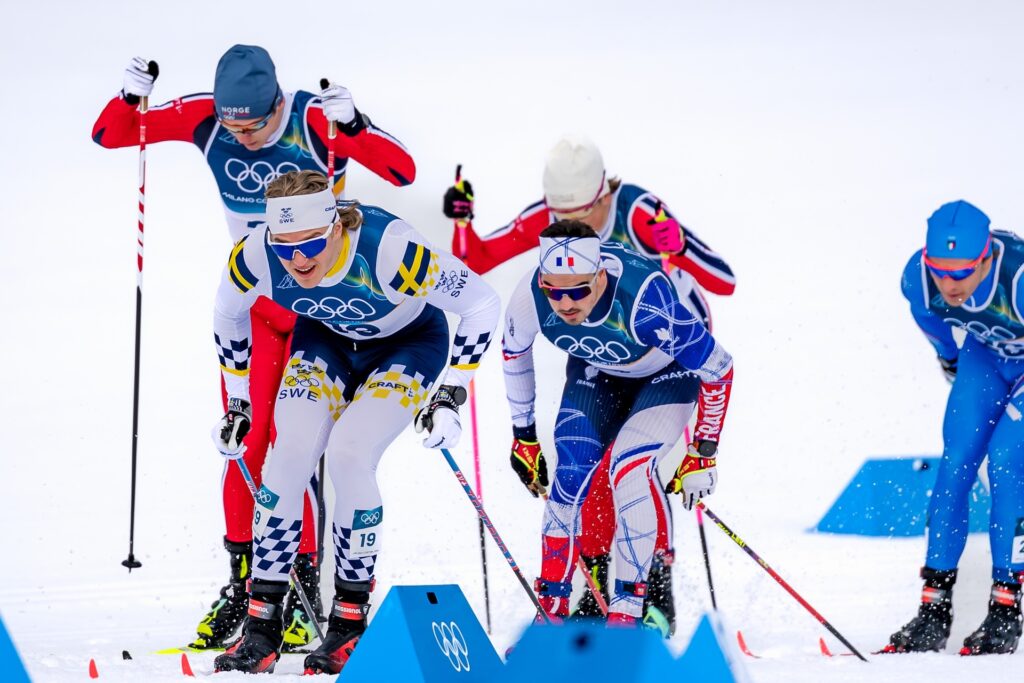
Just a year prior, Edvin Anger was widely regarded as one of the brightest prospects in international cross-country skiing. His breakthrough season saw him achieve his maiden World Cup victories, secure the U23 World Cup title with a commanding margin, and finish a remarkable second overall in the World Cup standings, trailing only the dominant Johannes Høsflot Klæbo. His prowess was further highlighted by two bronze medals at the World Championships in Trondheim, securing podium spots in the team sprint and the relay. The expectations for the 2023-2024 season were therefore sky-high, with Anger himself expressing significant optimism about his prospects following the pre-season training.
However, the narrative took a sharp downturn. The decline began as early as November, initiating a cascade of disappointments that defined Anger’s season. The Olympic Games, intended to be a pinnacle of his aspirations, proved particularly challenging. His best individual performance was a 19th-place finish in the sprint, a stark contrast to his previous achievements. Following this, Anger’s participation in further races dwindled, and he openly contemplated a departure from the national team, a sentiment that underscored the depth of his frustration. "When everything started going in the wrong direction, it became tough mentally," Anger admitted to Expressen. "I dug myself deeper and deeper." This period of struggle was so pronounced that it led to widespread concern among his supporters and the Swedish skiing community, with reports indicating he had not recognized his own body’s performance capabilities.
A New Dawn with a Norwegian Maestro
Following a period of much-needed rest and reflection during his vacation, Anger has returned with a fervent desire for redemption. Simultaneously, the Swedish men’s national cross-country ski team has welcomed a new head coach, Egil Kristiansen, a figure synonymous with success in Norwegian winter sports. Kristiansen’s arrival signals a significant strategic recalibration, and he has explicitly taken on the role of Anger’s personal coach, a move that underscores the team’s commitment to unlocking the young Swede’s full potential.
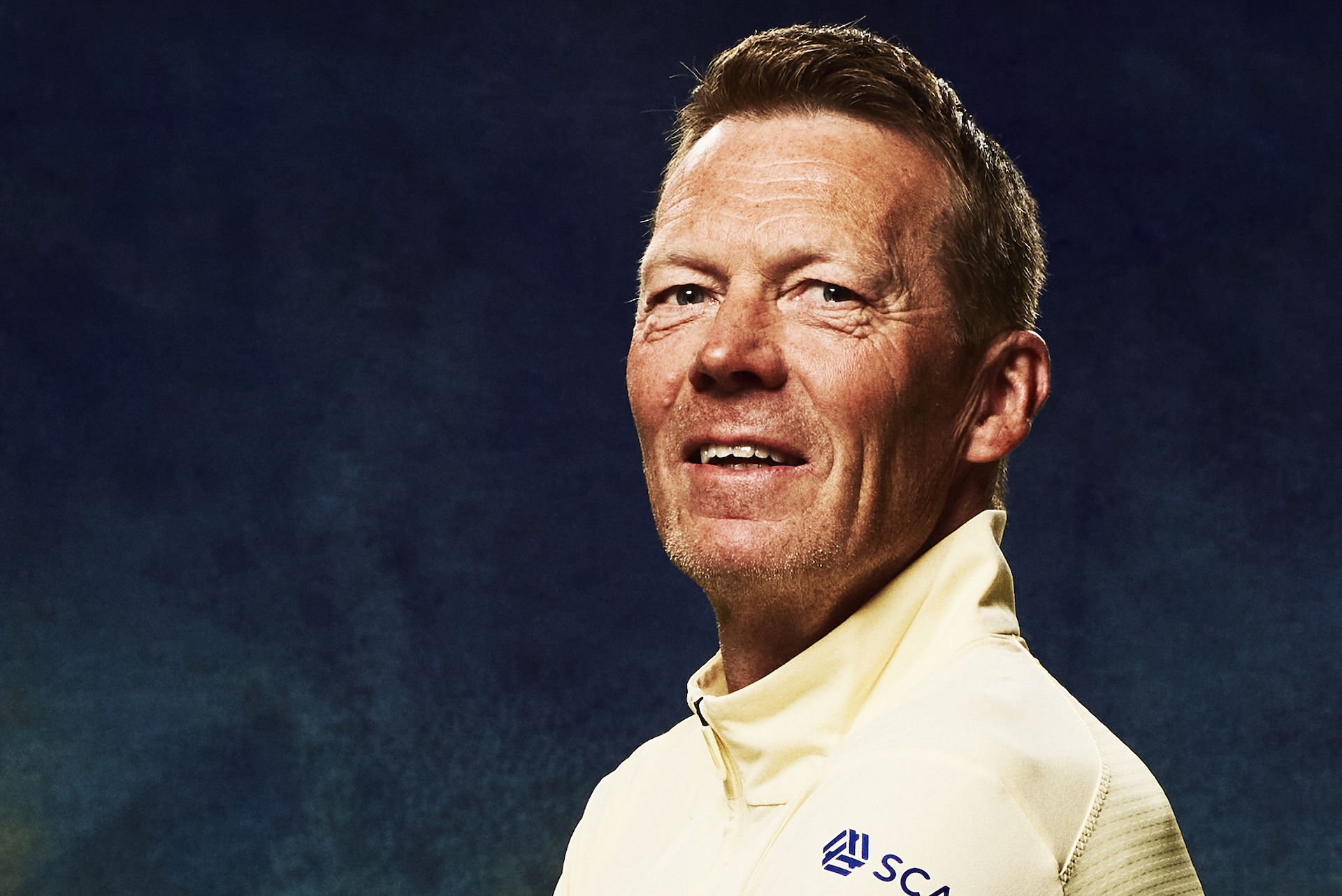
"I will be responsible for Edvin," Kristiansen confirmed, his statement radiating a quiet confidence. This direct oversight suggests a tailored approach to Anger’s training and development, aiming to address the specific issues that plagued his recent season. Kristiansen, a coach with a proven track record of transforming athletes and teams, has already indicated that significant changes are on the horizon. While Anger has primarily excelled in sprint disciplines, Kristiansen believes that with the right training regimen, he can become a formidable force across a broader range of events.
Expanding the Skillset: Beyond Sprint Dominance
Kristiansen’s coaching philosophy emphasizes a holistic approach to athletic development, even for sprinters. He articulated this perspective by stating, "I am of the opinion that sprinters must also develop aerobic capacity to sustain an entire sprint competition. Many distance skiers have started as good sprinters." This suggests a potential shift in Anger’s training focus, incorporating more endurance-based work to enhance his ability to perform consistently throughout demanding race formats. This strategic adaptation aligns with Kristiansen’s past successes, where he has demonstrated a keen understanding of how to build well-rounded athletes capable of sustained high performance.
The implications of this coaching change for Anger are substantial. If Kristiansen can successfully broaden Anger’s skillset and restore his confidence, the young Swede could emerge as a more versatile and dangerous competitor, capable of challenging the established order in various disciplines, not just sprints. This could also mean a more consistent presence on the podium and a stronger challenge to rivals like Johannes Høsflot Klæbo in the overall World Cup standings.
Kristiansen’s Proven Formula for Success
Egil Kristiansen’s coaching credentials speak for themselves. His tenure with the Norwegian women’s cross-country ski team from 2006 to 2016 saw them rise from competitive contenders to a dominant force on the international stage. Following this success, he transitioned to the Norwegian men’s biathlon team, where he continued his winning streak from 2016 to 2026. His ability to identify talent, implement effective training programs, and foster a winning culture has been instrumental in these achievements. Now, he faces the challenge of replicating this success with the Swedish men’s cross-country ski team, a program that has historically struggled to consistently compete at the very highest level.
Kristiansen has expressed his eagerness for this new endeavor, viewing it as a significant opportunity to rebuild and elevate Swedish skiing. "I am quite sure about Swedish men’s cross-country skiing… What was performed at the Olympics (this year) is not representative. It is absolutely possible to do much, much better than that," he stated in the podcast Urspår. He views this task as a substantial challenge, one that he is motivated to undertake, particularly with the type of athletes he believes can be developed within the Swedish system.
Addressing Pre-Season Training Deficiencies
A key area Kristiansen intends to address is the team’s pre-season training planning. He identified a recurring issue where athletes would reach peak form by September or October but then falter due to insufficient hard training, leading to their competitive season effectively ending before it truly began. "Some were very good until September/October, but missed out on hard training and therefore, as the season started, the season was actually over in terms of form," Kristiansen explained. This indicates a need for a more scientifically structured and periodized training program that ensures athletes peak at the right times throughout the competitive season.
Kristiansen’s long-term objective is to guide Swedish men’s cross-country skiing back to the pinnacle of the sport. He draws parallels between his current task in Sweden and his previous experience with the Norwegian biathlon team. "I see it a bit like this. It was exactly the same when I took over the biathlon team. We had very poor results and a national team that was spread in too many directions in 2016. We took one medal in our first World Championship in Hochfilzen (in 2017). It wasn’t until 2018 that things started to click. I see that we are in a similar situation here, so it might take some time." This acknowledgment of a potential multi-year rebuilding phase suggests a realistic and patient approach, focusing on sustainable development rather than immediate, short-term gains.
Broader Implications for Swedish Skiing and Klæbo’s Dominance
The appointment of Egil Kristiansen and the focused development of Edvin Anger carry significant implications for the future of Swedish men’s cross-country skiing. For years, Sweden has been a powerhouse in winter sports, but the men’s cross-country team has often played second fiddle to its Norwegian and, at times, Russian and North American counterparts. Kristiansen’s proven ability to foster a winning environment and develop elite athletes could signal a renaissance for the sport in Sweden.
Furthermore, the potential resurgence of Edvin Anger as a consistent challenger to Johannes Høsflot Klæbo could inject renewed excitement and rivalry into the World Cup circuit. Klæbo’s dominance has been a defining feature of recent seasons, and a fully realized Anger, capable of performing across disciplines, would undoubtedly provide the Norwegian superstar with his most formidable competition. This would not only benefit the athletes involved but also elevate the sport’s profile and appeal to a wider audience.
The strategic partnership between Anger and Kristiansen represents a significant gamble for Swedish skiing, but one that is underpinned by a strong track record and a clear vision for the future. The journey ahead will undoubtedly be challenging, but with the expertise of Kristiansen and the evident talent of Anger, the prospect of a revitalized Swedish men’s cross-country team, capable of challenging for global honors, appears more tangible than ever before. The focus now shifts to the training grounds, where Kristiansen’s methods will be put to the test, with the ultimate goal of transforming Anger from a promising talent into a consistent world-beater and restoring Sweden to its former glory in cross-country skiing. The next few seasons will be crucial in determining whether this ambitious project can indeed achieve its lofty aims.

