
The Norwegian national cross-country ski team selections for the upcoming 2026-2027 season have brought significant changes, most notably the omission of World Cup overall winner Tiril Udnes Weng. After an illustrious eight-year tenure on the national team, the 29-year-old skier, who clinched the prestigious World Cup overall title in 2023 and secured a third-place finish in the Tour de Ski the same year, has been excluded from the elite squad. This decision comes after two challenging seasons marked by illness and a subsequent dip in performance.
The exclusion of Tiril Udnes Weng, along with her twin sister Lotta Udnes Weng, who also did not receive an offer for the national team after seven seasons, signifies a major shift in the team’s composition. The national team is set to comprise 11 women for the forthcoming season. This development, reported by TV 2, marks the end of an era for the Udnes Weng sisters, who have been prominent figures in the international cross-country skiing circuit.
A Shifting Landscape for Norwegian Skiing
The national team selections are a crucial juncture for any athlete, determining access to resources, coaching, and funding that are vital for competing at the highest level. For Tiril Udnes Weng, this exclusion is particularly poignant given her recent successes. Her 2023 World Cup overall victory was a career-defining achievement, placing her among the elite of the sport. However, the intervening period has seen her battle health issues, which inevitably impact training consistency and competitive form.
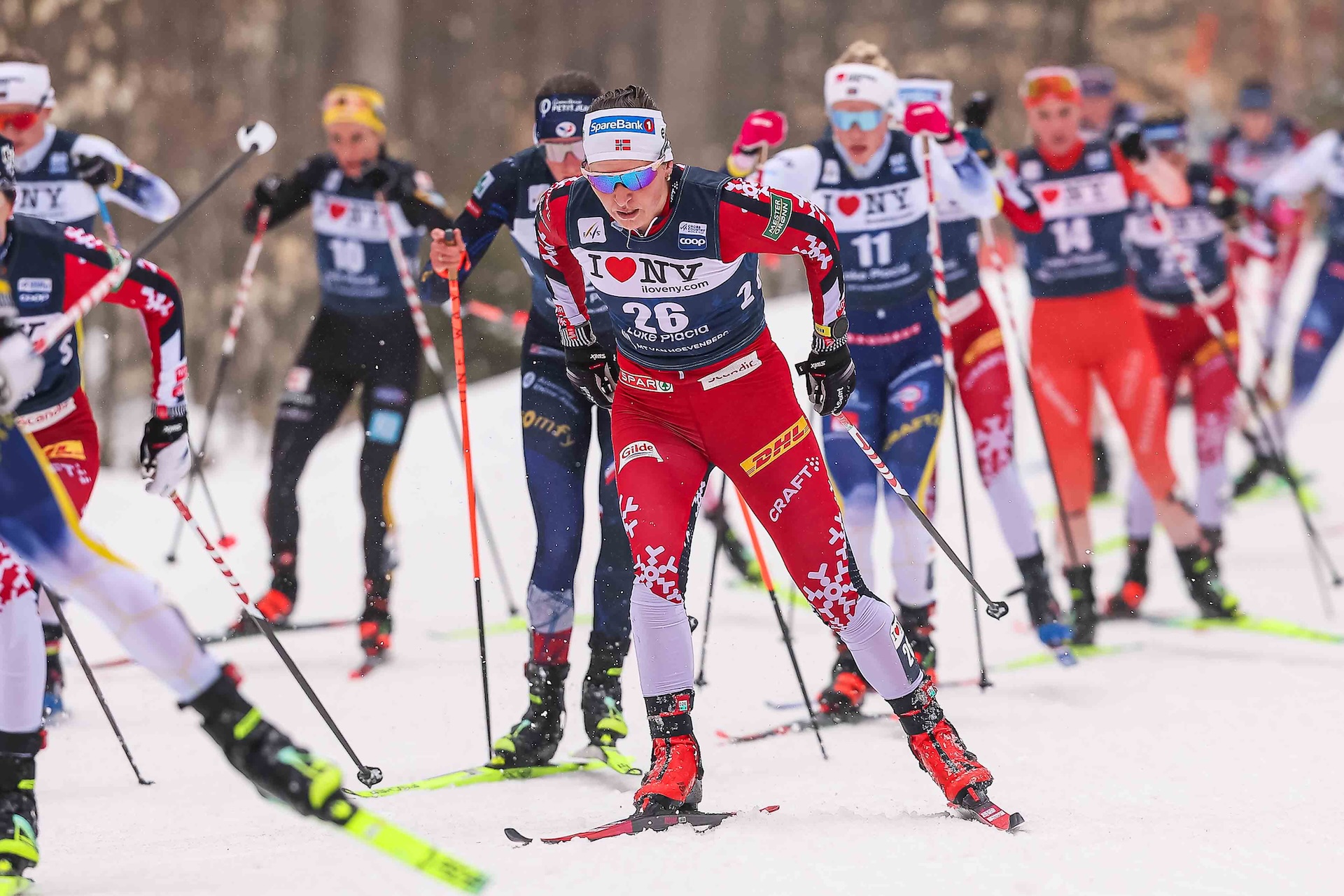
The decision reflects a stringent selection process that prioritizes current performance and future potential. While Tiril Udnes Weng’s past achievements are undeniable, the national team’s focus likely lies on athletes who are demonstrating consistent form and are projected to be strong contenders in the upcoming competitive cycles, including the 2027 World Championships and potentially the 2030 Olympic Games.
Other Notable Absences and New Entrants
The shake-up extends beyond the Udnes Weng sisters. Margrethe Bergane, a 24-year-old skier from Konnerud, has also been dropped from the elite national team after two years. Bergane has since signed a contract with Team Konnerud for the upcoming season, indicating a strategic move to continue her development within a private team structure. This option, while requiring self-funding and independent management, offers an alternative path for athletes who may not fit the national team’s immediate plans.
In contrast, promising young talent Milla Grosberghaugen Andreassen, a 20-year-old from Bækkegruppa, has reportedly been offered a place on the elite squad. Her strong debut season as a senior athlete has clearly impressed the selectors, marking her as one to watch for the future.
The Elite National Team Roster for 2026-2027
The following athletes are reported to have received offers for a place on the elite national team for the 2026-2027 season:
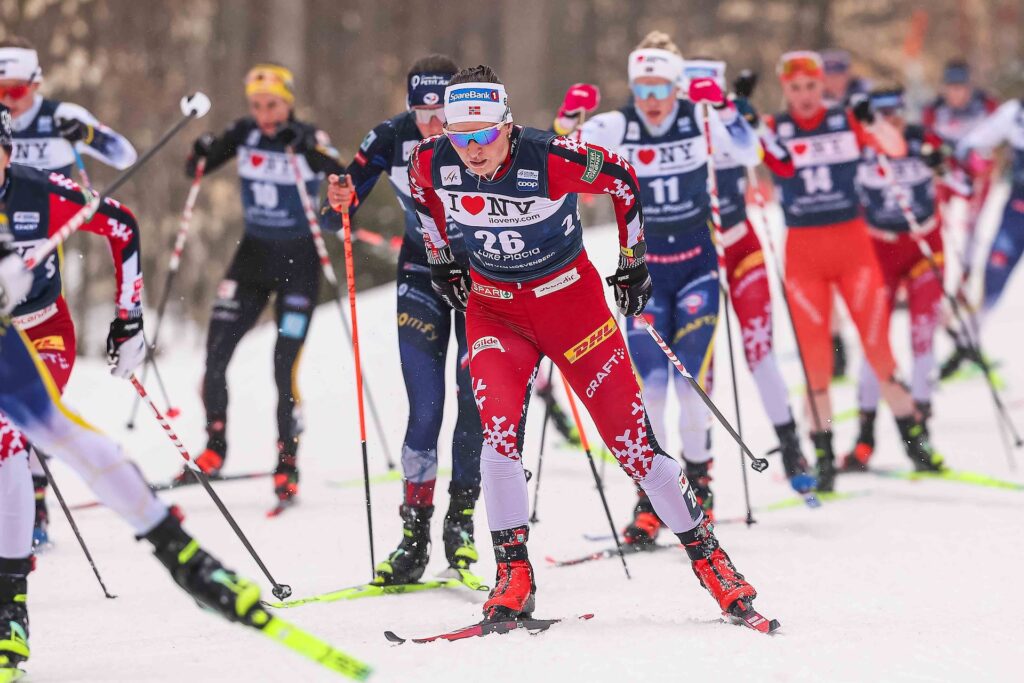
- Heidi Weng
- Astrid Øyre Slind
- Julie Bjervig Drivenes
- Karoline Simpson-Larsen
- Karoline Grøtting
- Kristin Austgulen Fosnæs
- Kristine Stavås Skistad
- Nora Sanness
- Milla Grosberghaugen Andreassen
- Julie Myhre
- Mathilde Myhrvold
This list highlights a blend of established names and emerging talents, signaling the national team’s strategy to maintain a competitive edge while fostering new generations of skiers.
The Dilemma of Private Teams and National Team Membership
A significant subplot in this year’s selections has been the situation for three athletes who initially sought exemption from national team membership to focus on their careers within private teams. These athletes have reportedly now accepted offers to join the national team, a decision that likely arose from the ultimatum presented: join the national team or risk being left behind. This situation underscores the complex dynamics between individual athlete aspirations and the centralized structure of national sporting federations. The pressure to conform to the national team’s framework, even when athletes express a preference for alternative development pathways, suggests a strong emphasis on unified team strategies and resource allocation.
Historical Context and Performance Trends
Tiril Udnes Weng’s journey on the national team began in 2017. During her tenure, she achieved significant milestones, including her World Cup overall title in the 2022-2023 season. This victory was a testament to her consistent performance across multiple disciplines throughout the season. She accumulated several World Cup podium finishes and contributed to Norway’s strong showings in team events.
However, the 2023-2024 and 2024-2025 seasons saw a noticeable decline in her results. Illnesses, often a significant hurdle for endurance athletes, are believed to have played a substantial role. The demanding nature of cross-country skiing requires peak physical condition, and prolonged periods of illness can disrupt training regimes and impact an athlete’s ability to compete at their best. The national team selectors, therefore, must make difficult decisions based on current form and future prospects, rather than solely on past achievements.
Implications for the Athletes and the Sport
The exclusion from the national team has immediate financial and logistical implications for the affected athletes. National team members typically benefit from dedicated coaching staff, access to top-tier training facilities, sports science support, and significant financial backing. Without this support, athletes often need to rely on private sponsors, personal funds, and the resources of their clubs or private teams.
For Tiril Udnes Weng and Lotta Udnes Weng, this transition will require a recalibration of their competitive strategies. They will need to build a robust support system to continue their careers at a high level. The fact that both sisters have been omitted together could indicate a broader strategic decision regarding the team’s direction.
For Norwegian cross-country skiing as a whole, this selection process reflects a commitment to dynamism and a constant pursuit of excellence. While the loss of experienced athletes like the Udnes Weng sisters is felt, it also creates opportunities for new talents to emerge and establish themselves on the international stage. The strength of Norwegian cross-country skiing has historically been its deep talent pool and its ability to consistently produce world-class athletes.
Analysis of the Selection Criteria
The national team selections are typically based on a combination of factors, including:

- Recent Performance: Results from the past two to three competitive seasons are paramount.
- Potential and Future Outlook: The selectors will consider the athletes’ age, development trajectory, and potential to improve and contribute to future major championships.
- Health and Injury Status: The athlete’s current health and history of injuries are crucial considerations, as consistent training and competition are vital.
- Team Dynamics and Strategy: The overall composition of the team, including disciplinary strengths and the need for different types of athletes (e.g., sprinters, distance specialists, all-rounders), also plays a role.
In Tiril Udnes Weng’s case, while her 2023 World Cup title is a significant achievement, the subsequent two seasons of illness and diminished results likely led to her being deemed less of a priority for the immediate future compared to athletes demonstrating consistent current form and strong future potential.
Broader Context of International Cross-Country Skiing
The competitive landscape in international cross-country skiing is fierce, with nations like Sweden, Finland, Russia, and Germany consistently challenging Norway’s dominance. The selection of a strong national team is critical for Norway to maintain its position as a leading nation in the sport. The strategic inclusion of athletes who are in peak form and possess the potential for sustained success is therefore a logical approach for the Norwegian Ski Federation.
The ongoing development of private team structures within cross-country skiing also represents a broader trend in elite sports. Athletes are increasingly seeking more personalized training environments and greater control over their career paths. The Norwegian system appears to be adapting to this, offering both the traditional national team pathway and implicitly acknowledging the viability of private team development, as seen with Margrethe Bergane’s move.
Looking Ahead
The upcoming season will be a crucial period for both the athletes who have been selected and those who have been omitted. For Tiril Udnes Weng and Lotta Udnes Weng, the challenge will be to regroup, rebuild, and prove their resilience and competitive spirit. Their past successes suggest that they possess the determination to overcome this setback. For the athletes who have made the elite national team, the pressure will be to deliver on their potential and uphold Norway’s esteemed reputation in cross-country skiing. The decisions made by the selectors, while undoubtedly difficult, are aimed at shaping a formidable team capable of achieving success in the years to come.

