
As the second week of May 2026 commences, a series of significant late-season weather systems has transformed the landscape of the global ski industry. While many low-altitude resorts have long since shuttered their lifts for the spring, a surge of arctic air and moisture has delivered substantial snowfall to the high-altitude glaciers of the European Alps and the peaks of the North American Rockies. Simultaneously, the first signs of the approaching winter are manifesting in the Southern Hemisphere, with early-season dusting reported across the Australian Alps. This convergence of seasons highlights a period of extreme meteorological contrast, providing a much-needed boost to summer skiing prospects in some regions while punctuating the end of a historically difficult winter in others.
High-Altitude Resurgence in the European Alps
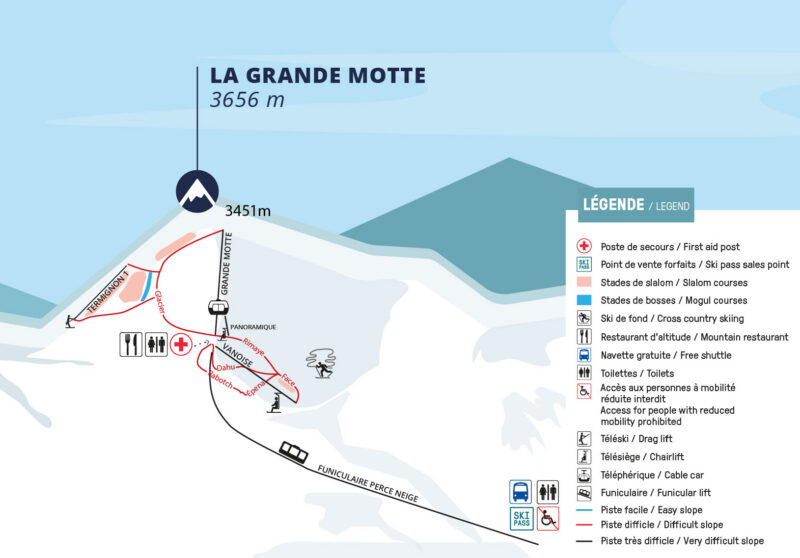
The French Alps have emerged as a primary beneficiary of a powerful early-May storm cycle. Les 2 Alpes, a resort renowned for its extensive glacier skiing and summer operations, recorded a remarkable 70cm of fresh snow within a single week. This accumulation has significantly bolstered the glacier’s base, ensuring excellent conditions for the transition into the summer season. Currently, the resort offers skiing opportunities well below the traditional glacier limits, with tracks remaining viable down to the 2,600m mark. This robust snowpack is particularly timely, as Les 2 Alpes is scheduled to remain open for skiing and snowboarding through July 5th, 2026.
According to Fraser Wilkin, a leading alpine weather expert from weatherertoski.co.uk, the recent snowfall was the result of a concentrated storm system that primarily impacted the western and south-western sectors of the Alps. Wilkin noted that Les 2 Alpes was positioned in the "sweet spot" of the storm, particularly during the peak intensity on Tuesday, May 5th. This localized phenomenon allowed the resort to collect a depth of snow rarely seen so late in the spring.

Beyond the French borders, the Zermatt and Cervinia cross-border ski area continues to demonstrate its resilience. Zermatt remains the premier destination for year-round skiing in Europe, and its Italian neighbor, Cervinia, has recently announced its intention to transition toward a 365-day-a-year operational model. The recent storm cycle provided significant new cover for both resorts, particularly on the Italian side, where skiing remains possible below the glacier level. Other Alpine regions maintain varying degrees of glacier access, though the outlook is not universally positive across the range.
Shifting Strategies Amid Environmental Pressures
While some resorts are expanding their seasons, others are being forced to recalibrate due to the long-term effects of climate change and diminishing snowpacks. In the Austrian Tyrol, the Kaunertal Glacier had initially planned to remain operational until May 25th. However, management announced on Friday, May 8th, that the closing date would be moved forward to May 17th. This decision was attributed to a rapidly thinning snowpack that could no longer support safe or sustainable skiing operations through the end of the month.
Perhaps more significantly, Hintertux, long a bastion of year-round skiing in Austria, has officially ended its 365-day operational status. After several years of poor snow accumulation and accelerated glacial melt, the resort has decided to close its slopes on July 26th, 2026. Resort officials stated that they intend to "enjoy the glacier summer to the fullest off the slopes" during the hiatus. While skiing is expected to resume in September 2026—with the annual "Hintertux Park Opening" slated for early October—it remains unclear if this closure marks a permanent end to their year-round model or a temporary measure for the current year.
Looking ahead to the peak summer months, several other Alpine resorts are preparing for limited openings. Saas-Fee in Switzerland is scheduled to operate from July 18th to October 31st, while Tignes in France will offer a brief summer window from June 20th to July 19th. These limited windows reflect a growing industry trend toward "boutique" summer skiing, where operations are strictly tied to the health of the remaining glacial ice.
North American Rockies: A Tale of Two Winters
In the United States, the arrival of May has brought a dramatic, albeit belated, shift in weather patterns. The Colorado Rockies were hit by a significant late-season storm this week, bringing fresh powder to high-elevation passes. Loveland Pass saw a surge in activity as local skiers sought to capitalize on the new snow following what has been recorded as the state’s lowest snowpack in over a century.
While the new snow has allowed Arapahoe Basin to announce a reopening for the upcoming weekend, industry analysts suggest the moisture is "too little, too late" for the broader region. The 2025/26 winter season in the US Rockies was characterized by record-low precipitation and above-average temperatures, leading to early closures for the majority of resorts. Despite these challenges, a handful of high-altitude or northern-latitude resorts remain open, including Snowbird in Utah, Mammoth Mountain in California, Timberline Lodge in Oregon, and Jay Peak in Vermont.
Conversely, the Canadian Rockies have experienced what resort officials describe as a "fairy tale" season. Sunshine Village, located near Banff in Alberta, continues to report exceptional conditions as it approaches its scheduled May 18th closing date. The resort currently boasts a mid-mountain base of 1.82m and an impressive 2.38m on its upper slopes.
Kendra Scurfield, Vice-President of Brand and Communications for Sunshine Village, confirmed that the resort will reopen in the second half of June for a summer skiing session extending into July. "Our decision to host summer skiing is thanks to record snowfall," Scurfield stated. The summer operations will likely utilize the Strawberry Express lift, providing access to Mount Standish. While Scurfield acknowledged that the conditions would be "slushy summer skiing" rather than deep powder, she emphasized the novelty and "high vibes" of skiing in the Canadian Rockies during the month of July.

Southern Hemisphere: Early Indicators of Winter
As the Northern Hemisphere clings to the final remnants of its ski season, the Southern Hemisphere is beginning its ascent into winter. The official ski season in Australia and New Zealand typically commences in June, but early May has already delivered the first significant dustings of snow.
In Australia, resorts such as Lake Mountain, Mount Hotham, and Mount Buller have reported initial snowfalls. While these early accumulations are expected to melt before the official opening dates, they serve as a vital psychological and marketing boost for the industry. Meteorological models for the Southern Hemisphere suggest a volatile start to the season, but the early presence of snow on the peaks has increased consumer confidence and preseason pass sales.
Technical Analysis and Industry Implications
The divergence in snow conditions between the US and Canadian Rockies, as well as the varied fortunes of Alpine glaciers, highlights the increasing volatility of high-altitude environments. The 70cm of snow at Les 2 Alpes and the record depths at Sunshine Village are outliers in a decade characterized by shrinking glacial volumes.
For the European ski industry, the transition of Hintertux away from year-round operations represents a pivotal moment. For decades, year-round skiing was a cornerstone of professional race training and summer tourism. The retreat to seasonal operations suggests that even the highest and most resilient glaciers are now subject to the economic and physical realities of a warming climate.

In North America, the 2025/26 season will likely be studied for its extreme geographic disparity. The "100-year low" in Colorado contrasted with the "record highs" in Alberta underscores the impact of shifting jet stream patterns, which this year favored a more northerly track, leaving the southern and central Rockies in a precipitation shadow for much of the winter.
As of May 8th, 2026, the global ski map is a patchwork of closing dates and surprise reopenings. For the dedicated enthusiast, the coming weeks offer a rare opportunity to experience "slush" season in the north and the first "frost" in the south. However, for resort operators, the focus remains squarely on the long-term sustainability of glacier-based tourism and the adaptation of infrastructure to meet an increasingly unpredictable climate.
The industry continues to monitor these developments closely, as the health of the May snowpack often serves as the foundation for the following year’s glacial stability. For now, the lifts continue to spin in the high alpine, defying the calendar and providing a final flourish to the 2025/26 northern winter.

