
The seemingly simple choice of wheels for roller skis is, in fact, a critical decision that profoundly influences a skier’s technique and the effectiveness of their training. This article delves into the nuances of roller ski wheel resistance, material composition, and varied wheel designs, providing skiers with the knowledge to make informed choices aligned with their skill level, training objectives, and desired outcomes.
Understanding Roller Ski Wheel Dynamics
Roller ski wheels are not uniform. They are engineered with distinct characteristics that simulate different snow conditions and skating techniques. The primary differentiator among wheels is their rolling resistance, often categorized by color-coding systems, with specific colors indicating varying degrees of speed or resistance.

- Red Wheels: Typically represent the slowest, highest-resistance wheels. These are designed to mimic the feel of skiing on soft snow or uphill. They demand more power from the skier, leading to a more robust cardiovascular and muscular workout. For beginners, red wheels can be beneficial for developing foundational strength and technique, as they offer more time to feel the ski and execute proper movements. However, they can also be fatiguing and may hinder the development of speed and fluidity for advanced skiers.
- Yellow Wheels: Often represent a medium resistance. These wheels offer a balance between speed and resistance, providing a good option for general training and skiers who are transitioning between different resistance levels. They allow for a more natural rhythm and can be suitable for a wide range of training intensities.
- Blue Wheels: Generally signify faster, lower-resistance wheels. These are engineered to simulate skiing on firm snow or downhill sections, allowing for higher speeds and longer glides. Advanced skiers often utilize blue wheels for interval training, speed work, and maintaining technique at higher paces. They can also be useful for skiers looking to practice specific gliding techniques.
- Black Wheels: Some manufacturers also use black wheels, which can represent an even faster or more specialized resistance than blue wheels, often used for high-performance training or specific conditions.
The choice of wheel resistance directly impacts the energy expenditure and muscle engagement required for propulsion. Higher resistance demands greater force application, leading to increased calorie burn and muscular development. Conversely, lower resistance allows for more efficient gliding and can be used to focus on refining technique at speed or simulating downhill sensations.
Material Science and Durability
The material composition of roller ski wheels also plays a significant role in their performance and longevity. Most modern roller ski wheels are made from polyurethane, a versatile polymer known for its durability and elasticity. However, variations in the polyurethane blend and manufacturing processes lead to differences in:
- Grip: The surface texture and hardness of the polyurethane affect how the wheel interacts with the pavement. Softer compounds generally offer better grip, particularly in wet conditions, which is crucial for safety and confidence.
- Wear Resistance: Higher-quality polyurethane compounds are more resistant to abrasion and wear, meaning they will last longer and maintain their performance characteristics over time. Frequent use, especially on rough asphalt, can accelerate wear, leading to a need for replacement.
- Vibration Dampening: The elasticity of the material influences how well the wheel absorbs vibrations from the road surface. This can contribute to a smoother ride and reduce fatigue for the skier.
The expected lifespan of roller ski wheels can vary significantly based on material quality, the type of terrain skied on, and the skier’s weight and technique. A general guideline might suggest that a set of wheels could last anywhere from 500 to 1,500 kilometers of use, depending on these factors. Regular inspection for signs of wear, such as flat spots, cracks, or significant material loss, is essential for maintaining performance and safety.
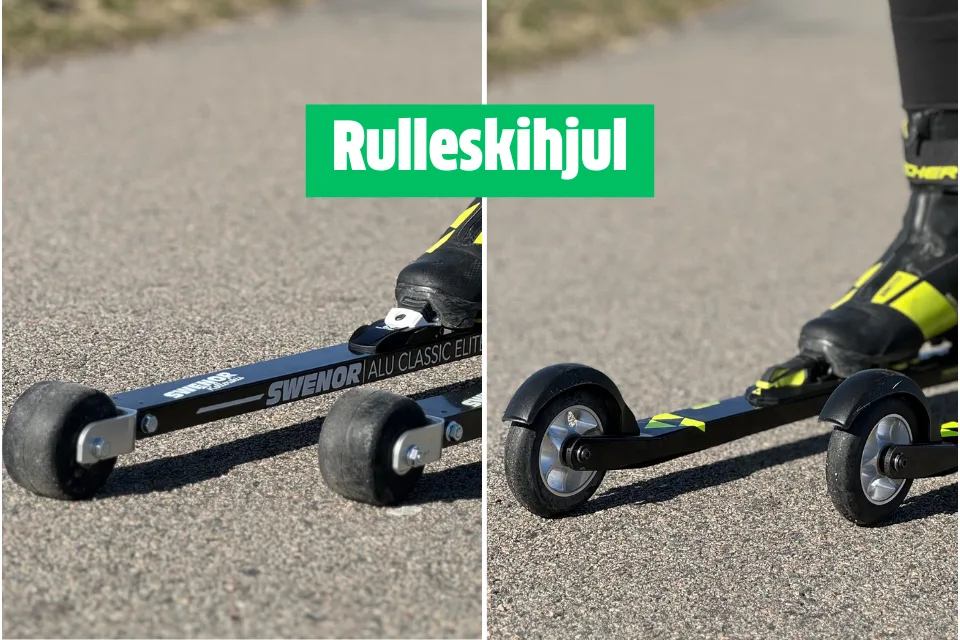
Wheel Shape and Design
Beyond resistance and material, the shape and design of roller ski wheels can also influence performance. While most wheels are cylindrical, subtle variations exist:
- Width: Wider wheels generally offer greater stability and can provide a more comfortable ride, especially on less-than-perfect surfaces. They can also distribute pressure more evenly, potentially reducing wear.
- Profile: The curvature of the wheel’s surface can affect how it rolls and interacts with the ground. A more rounded profile might facilitate smoother transitions and easier edging, while a flatter profile could offer more contact area and stability.
These design elements, while perhaps less impactful than resistance, contribute to the overall feel and performance of the roller skis.
Impact on Technique and Training Benefits

The selection of roller ski wheels is not merely about personal preference; it has direct and quantifiable effects on a skier’s technique and the physiological benefits derived from their training.
-
Technique Development:
- Beginners: Starting with higher-resistance wheels (e.g., red) can help beginners develop essential strength and a deliberate, controlled technique. The slower speed allows more time to focus on proper pole plant, weight transfer, and body positioning. It forces a more powerful push, building the necessary muscle memory.
- Intermediate Skiers: As skiers progress, transitioning to medium or lower-resistance wheels allows them to refine their technique at higher speeds. This is crucial for developing efficient gliding phases and practicing the fluidity required for competitive skiing. They can focus on maintaining balance and optimizing their stride for speed.
- Advanced Skiers: Elite athletes use a variety of wheel resistances to target specific training goals. Lower-resistance wheels are used for speed work and simulating race conditions, allowing them to perfect their high-speed stride and minimize energy loss during glides. Higher-resistance wheels are employed for strength endurance sessions, building the power needed for challenging terrain and late-race efforts.
-
Training Benefits:
- Cardiovascular Conditioning: Higher-resistance wheels demand greater effort, leading to a more intense cardiovascular workout. This is excellent for building aerobic capacity and endurance.
- Muscular Strength and Endurance: The increased force required to overcome higher rolling resistance directly targets and strengthens the leg and core muscles used in skiing. This builds both raw power and the ability to sustain effort over longer periods.
- Skill Refinement: Using different wheels allows skiers to isolate and improve specific aspects of their technique. For example, practicing with faster wheels can help improve glide efficiency, while slower wheels can enhance power application.
- Injury Prevention: By choosing appropriate wheels for their skill level and training goals, skiers can reduce the risk of overuse injuries. For instance, beginners on excessively fast wheels might develop poor technique due to the inability to generate sufficient power, leading to strain.
Expert Insights and Recommendations
Patrik Nilsson, a specialist in roller ski equipment, emphasizes that "the choice of wheels is fundamental. It’s not just about how fast you go, but about how you train your body and refine your technique. A beginner who jumps straight onto very fast wheels might develop bad habits because they can’t generate enough power to feel the glide. Conversely, an experienced skier training solely on very slow wheels might not develop the speed and efficiency needed for racing."
Nilsson’s video series, produced by Langrenn.com, offers a comprehensive look at various roller ski wheels, detailing differences between fast and slow options, various materials, durability considerations, and what to think about based on terrain and training goals. He stresses that "small details make a big difference."
The Roller Ski Guide 2025: A Comprehensive Resource
For skiers seeking to make informed decisions, Langrenn.com’s "Roller Ski Guide 2025" serves as an invaluable resource. This guide provides an updated selection of the latest roller ski models, alongside expert tips and advice for purchasing. Whether a skier is acquiring their first pair of roller skis or looking to upgrade to more advanced equipment, the guide offers detailed information on various models and their suitability for different needs. The 2025 edition has been further expanded with an increased number of models, reflecting the evolving market and technological advancements in roller ski design.
Broader Implications for Skiers
The meticulous selection of roller ski wheels is a testament to the increasing sophistication of cross-country ski training. It highlights a shift towards highly specialized equipment that allows athletes to tailor their preparation to an unprecedented degree. This granular approach to training, where even the smallest components like wheel resistance are optimized, is a hallmark of modern elite sports.
For recreational skiers, understanding these principles can lead to more enjoyable and effective training sessions. By matching wheel resistance to their current fitness level and training objectives, they can maximize their gains, reduce the risk of injury, and build a solid foundation for on-snow performance. The ability to simulate various snow conditions and terrain types with different wheels means that roller skiing can be a year-round pursuit that closely mirrors the challenges and demands of actual cross-country skiing.
In conclusion, the choice of roller ski wheels is a sophisticated aspect of modern cross-country ski training. By understanding the interplay between rolling resistance, material properties, and wheel design, skiers can unlock new levels of technical proficiency and training efficacy, ultimately paving the way for enhanced performance on the snow.

