
The landscape of professional skiing has undergone a radical transformation since the late 1990s, moving from a sport defined by rugged intuition to one governed by biometric data and high-tech recovery protocols. At the center of this evolution is Jonny Moseley, the 1998 Olympic gold medalist whose career has become a case study in the transition from "new-school" athleticism to the cutting edge of longevity science. Today, Moseley is leveraging his decades of experience to champion a new era of wellness through a partnership with Velvaere, a specialized residential and wellness community in Park City, Utah. This collaboration highlights a broader industry shift where elite athletic performance is no longer just about the intensity of the workout, but the sophistication of the recovery.
The 1998 Revolution: A Foundation of Data-Driven Performance
To understand Moseley’s current focus on advanced recovery, one must look back at the revolutionary training program that propelled him to the top of the podium in Nagano. In 1998, the concept of "freeskiing" was still in its infancy, and the mogul circuit was dominated by traditional techniques. Moseley broke this mold not only with his performance but with his preparation.
At a time when many athletes relied on standard coaching and repetitive drills, Moseley adopted a scientific approach that was years ahead of its time. He was an early adopter of heart rate monitoring, a technology that had only begun to gain traction in professional coaching circles during the 1990s. While the first wireless heart rate monitor was released by Polar in 1982, it took nearly fifteen years for the data to be integrated into daily training journals for winter sports.
Moseley’s regimen involved meticulous tracking of his daily performance and, perhaps more importantly, his "second-day soreness." By evaluating how his body responded to strain over a 48-hour window, he was able to identify peak performance cycles. This focus on the "four-year cycle" of the Olympics—where an athlete has a single window of opportunity to perform—necessitated an obsession with timing. This periodization allowed him to peak exactly when the world was watching, leading to his gold medal victory and the introduction of the "360 Mute Grab," a move borrowed from snowboarding that forever changed the aesthetic of freestyle skiing.
The Modern Shift: AI and the Science of Recovery
Fast forward to the present, and Moseley’s relationship with fitness has evolved from the pursuit of gold medals to the pursuit of longevity. His current involvement with Velvaere represents the next frontier of this journey. Located in the Deer Valley region, Velvaere is part of a growing trend in "wellness real estate," a sector that has seen significant global growth as high-performance individuals seek to integrate medical-grade recovery tools into their daily lives.
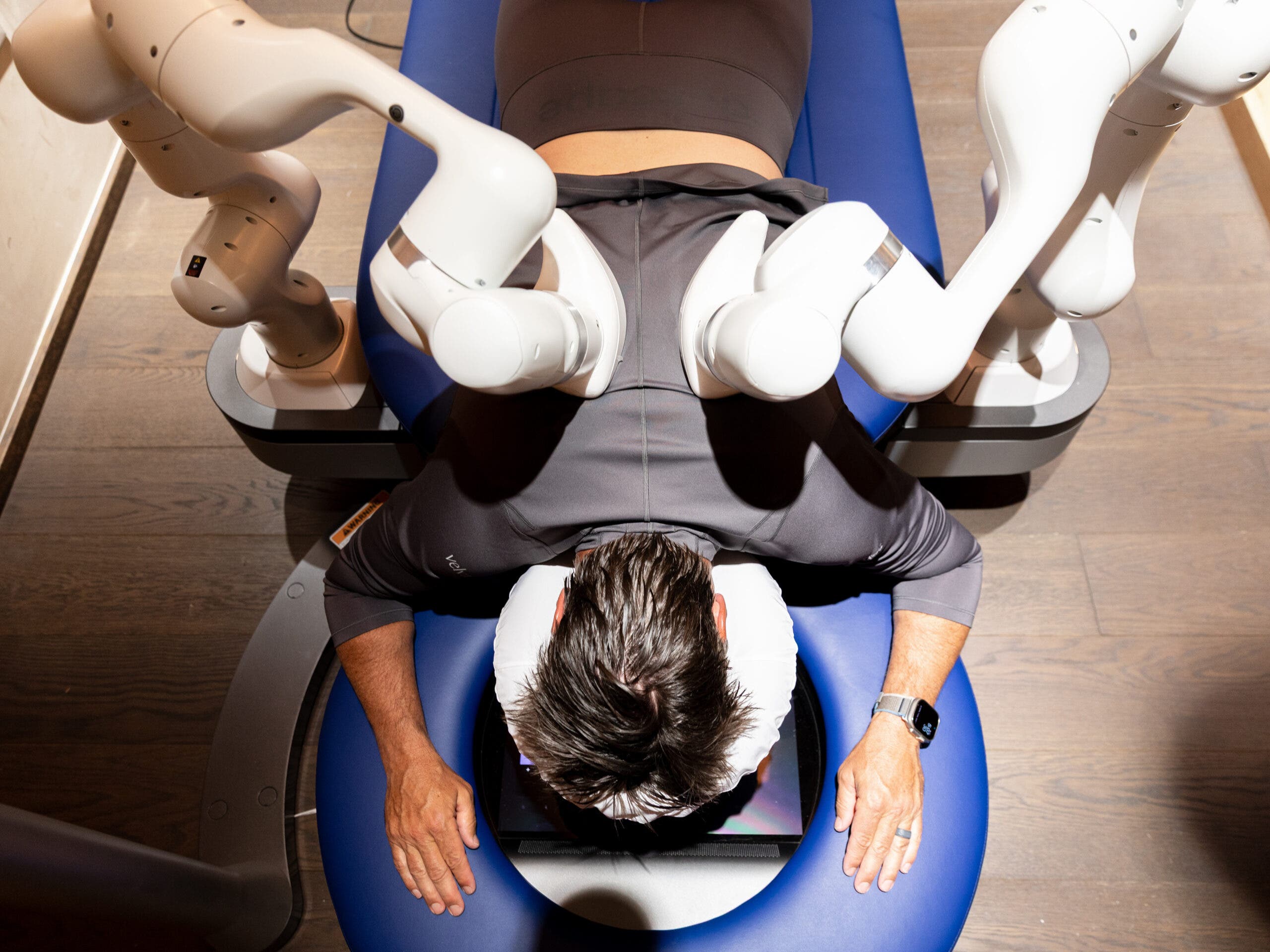
The amenities Moseley now utilizes are a far cry from the rudimentary ice baths of the 1990s. Among the most striking features of his current routine is the use of AI-powered robotic massage systems. These robots utilize sophisticated sensors to evaluate the human body’s musculature and tension points before administering a customized treatment. This removes the variability of human massage and provides a data-backed approach to muscle maintenance.
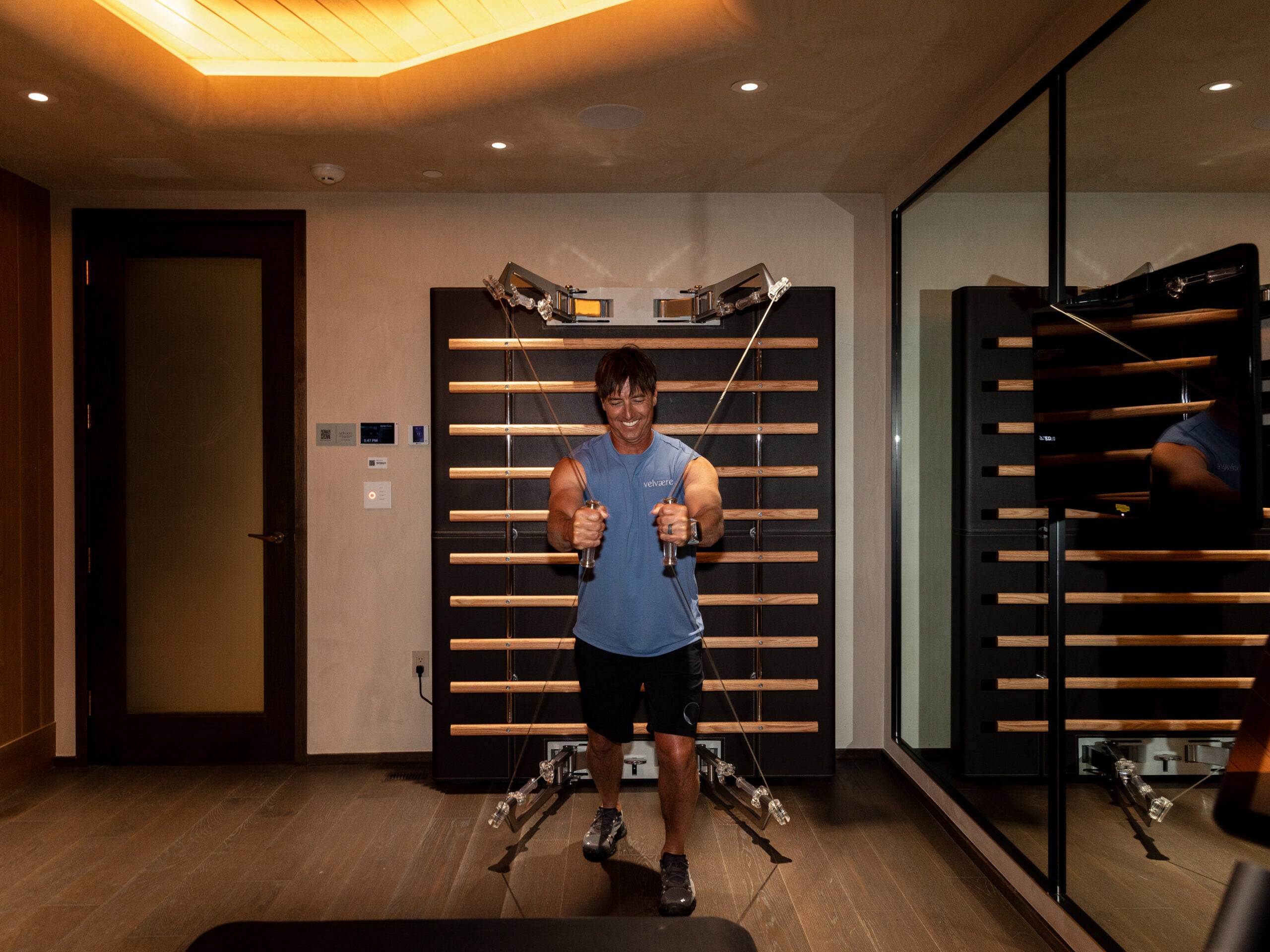
In addition to robotic therapy, Moseley’s routine at the Velvaere facilities includes:
- Cryotherapy: Using sub-zero temperatures to reduce systemic inflammation and accelerate tissue repair.
- LightStim LED Therapy: Utilizing specific wavelengths of light to stimulate cellular energy production and collagen synthesis.
- Flotation Therapy: Providing sensory deprivation to lower cortisol levels and facilitate deep mental and physical relaxation.
- Hyper-Customized Sauna and Cold Plunges: Utilizing contrast therapy to improve vascular tone and metabolic efficiency.
Moseley likens these private facilities to the United States Olympic & Paralympic Training Centers (USOPTC), noting that the technology once reserved for the world’s most elite prospects is now becoming accessible to those dedicated to maintaining their physical peak well into middle age.
A Seasonal Approach to Athletic Longevity
Despite the high-tech tools at his disposal, Moseley maintains that the foundation of fitness remains rooted in disciplined, seasonal training. His current regimen is a masterclass in "functional periodization," shifting focus based on the time of year and the proximity to the ski season.
The Summer Strength Phase
During the early summer months, Moseley’s primary goal is hypertrophy and foundational strength. This phase is characterized by weight lifting and compound movements. However, as he has aged, he has shifted from a purely lower-body focus—common among skiers—to a more balanced, full-body approach. This helps mitigate the muscular imbalances that can lead to chronic injury.
The Autumn Endurance and Movement Phase
As temperatures drop, the focus shifts toward endurance and "ski-specific" movements. This is where Moseley incorporates tools like slide boards to mimic the lateral, side-to-side demands of mogul and alpine skiing. He emphasizes "one-leg training," which is critical for skiers who must maintain stability and power on uneven terrain.
The Integration of Plyometrics
To prepare the nervous system for the explosive nature of skiing, Moseley incorporates plyometrics. He identifies box jumps as the "gold standard" for generating explosive power. However, he offers a cautionary note for the general public: the transition from a sedentary lifestyle to high-impact plyometrics can be jarring. His recommendation is a gradual progression, starting with lower heights to build the necessary tendon strength and neuromuscular coordination.
The Role of Mobility and Mindfulness
Perhaps the most significant change in Moseley’s routine is the elevation of mobility to the same status as strength and endurance. "I’m a hot yoga guy," Moseley admits, acknowledging that flexibility and joint health are the primary factors in preventing the injuries that often sideline veteran athletes.
This shift toward mobility is supported by contemporary sports science, which suggests that as athletes age, the "stiffness" of the musculoskeletal system increases, raising the risk of tears and strains. Hot yoga provides a dual benefit: the heat allows for deeper stretching and increased blood flow, while the meditative aspect of the practice assists in the "down-regulation" of the nervous system, a crucial component of recovery.
Broader Implications for the Wellness Industry
Moseley’s partnership with Velvaere and his public discussion of his routine reflect a broader trend in the fitness industry: the "professionalization" of the amateur athlete. Technologies like HRV (Heart Rate Variability) and VO2 max tracking, which Moseley helped pioneer in the 90s, are now standard features on consumer smartwatches.
The integration of AI into massage and recovery is the next logical step in this progression. As AI becomes better at interpreting biometric data, we can expect to see highly personalized recovery "prescriptions" that tell an athlete exactly which modality—be it cryotherapy, light therapy, or rest—is needed on a given day.
Furthermore, the emphasis on "community-based wellness" that Moseley highlights is gaining traction. Research consistently shows that athletes who train within a community or a dedicated wellness environment exhibit higher levels of consistency and better mental health outcomes. By surrounding himself with a lifestyle focused on performance, Moseley is able to maintain a level of fitness that allows him to remain an active participant in the sport he helped define.
Conclusion: The New Standard of Excellence
Jonny Moseley’s journey from the 1998 Nagano Olympics to the tech-integrated halls of Velvaere serves as a roadmap for the future of athletics. It demonstrates that the key to a long and successful career is not just the ability to push the body to its limits, but the wisdom to utilize every available tool to help it recover.
As the winter season approaches, Moseley’s blend of old-school grit—morning cardio, dog walks, and heavy lifting—with new-school technology—AI robots and LED therapy—sets a new standard. For the modern skier, the goal is no longer just to survive the season, but to thrive through it, using a combination of data, discipline, and the latest in recovery science to ensure that the next run is always better than the last.

