
The transition from the mild temperatures of autumn to the demanding conditions of the winter ski season requires more than a simple equipment check; it necessitates a rigorous physiological recalibration. As the ski industry evolves with advanced carving technologies and high-performance gear, the physical demands on the human body have increased proportionately. To address these demands, professional trainers and elite coaches are emphasizing a specific athletic attribute known as power endurance. This specialized form of fitness serves as the critical bridge between raw muscular strength and long-term aerobic stamina, ensuring that skiers can maintain high-intensity performance from the first lift to the final run of the day.
The Mechanics of Power Endurance in Alpine Sports
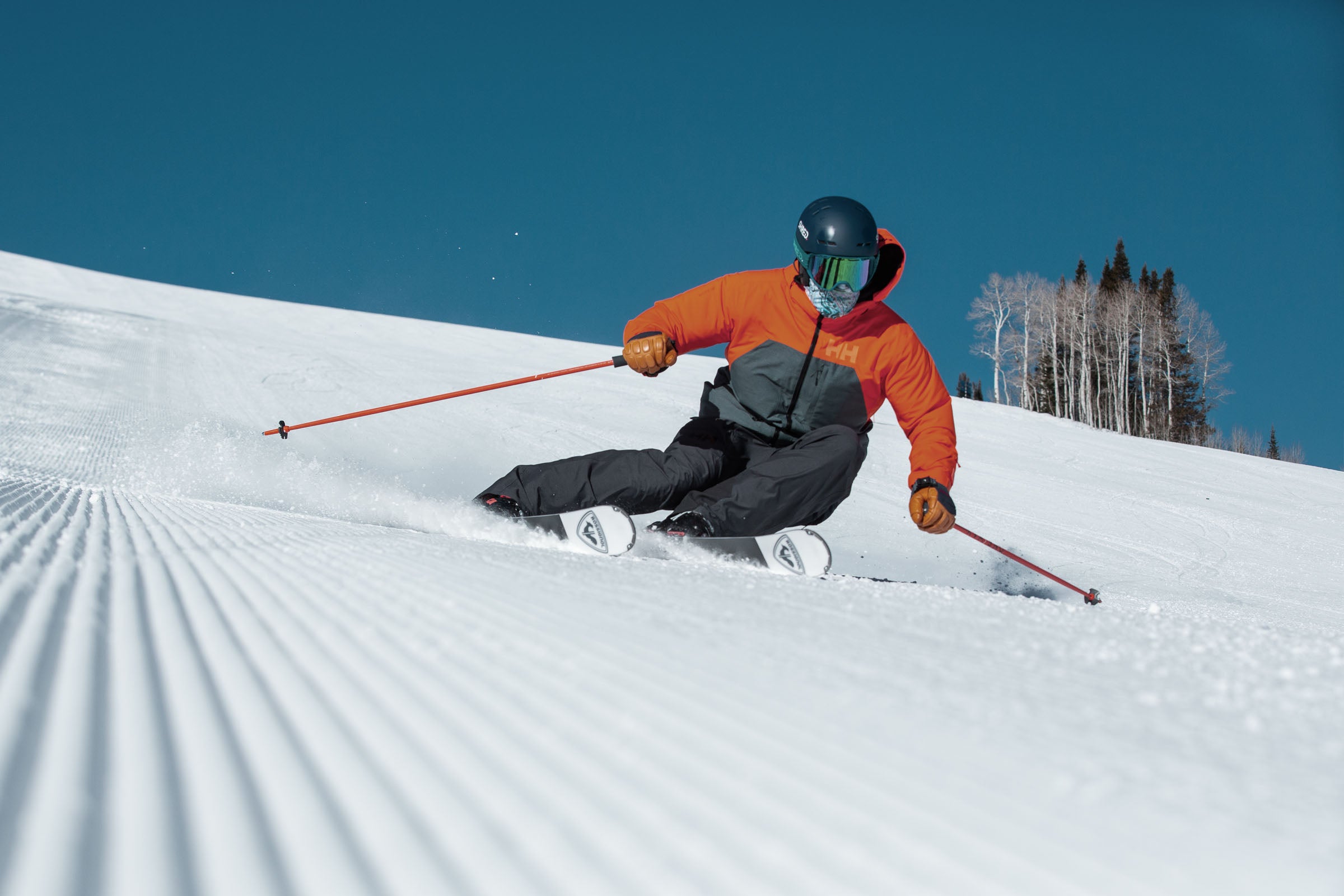
Power endurance is defined as the ability of the musculoskeletal system to sustain explosive, high-intensity movements over a prolonged period. In the context of alpine skiing, this translates to the capacity to execute precise, forceful turns through varied terrain—such as moguls, ice, or heavy powder—without succumbing to the debilitating effects of muscular fatigue. Unlike pure strength, which might be measured by a single maximum lift, or pure endurance, which is measured by long-distance steady-state activity, power endurance requires the body to repeatedly recruit fast-twitch muscle fibers under a state of metabolic stress.
According to sports physiology data, a typical downhill ski run lasts between two and five minutes, depending on the length of the trail and the speed of the skier. During this window, the legs and core are subjected to continuous eccentric loading—the process of muscles lengthening under tension. This is one of the most taxing forms of physical exertion. Without sufficient power endurance, the body’s ability to absorb shock and maintain edge control diminishes rapidly after the first 60 seconds of a run. This decline not only reduces the quality of the skiing experience but significantly increases the risk of acute injuries, particularly in the anterior cruciate ligament (ACL) and other stabilizing structures of the knee.
The Chris Miller Philosophy: Engineering Elite Performance
The development of modern ski fitness has been heavily influenced by coaches like Chris Miller, who has spent years training world-class ski racers to navigate the world’s most challenging courses. Miller’s approach departs from traditional weightlifting by focusing on "ski-specific" movements that mimic the lateral and rotational forces encountered on the mountain. His methodology emphasizes that while large quadriceps are beneficial, they are useless if the athlete lacks the coordination and trunk stability to apply that power effectively.
"True ski fitness is about more than just leg strength," Miller notes in his training directives. "Preparing your body for the unique demands of skiing means focusing on specific, targeted movements that build not only muscle but endurance under fatigue." This philosophy is rooted in the understanding that skiing is a multi-planar sport. The body must move vertically to absorb bumps, laterally to transition between edges, and rotationally to steer the skis. Miller’s programs are designed to train the nervous system and the muscular system to work in concert, maintaining stability even when the heart rate is elevated and lactic acid begins to accumulate.
A Chronological Approach to Pre-Season Conditioning
To achieve peak performance by opening day, sport scientists recommend a structured training timeline that begins at least eight to twelve weeks before the first snowfall. This allows for a progressive build-up of intensity, moving from general hypertrophy and aerobic conditioning to the specific power endurance circuits championed by elite coaches.
- The Base Phase (Weeks 1-4): Focus on building a foundation of core strength and aerobic capacity. This involves steady-state cardio and high-repetition, low-weight resistance training.
- The Strength Phase (Weeks 5-8): Transitioning to heavier loads to increase the maximum force production of the lower body.
- The Power Endurance Phase (Weeks 9-12): This is the final and most critical stage, involving high-intensity circuits that simulate the duration and intensity of a ski run.
The Power Endurance Circuit: Detailed Execution
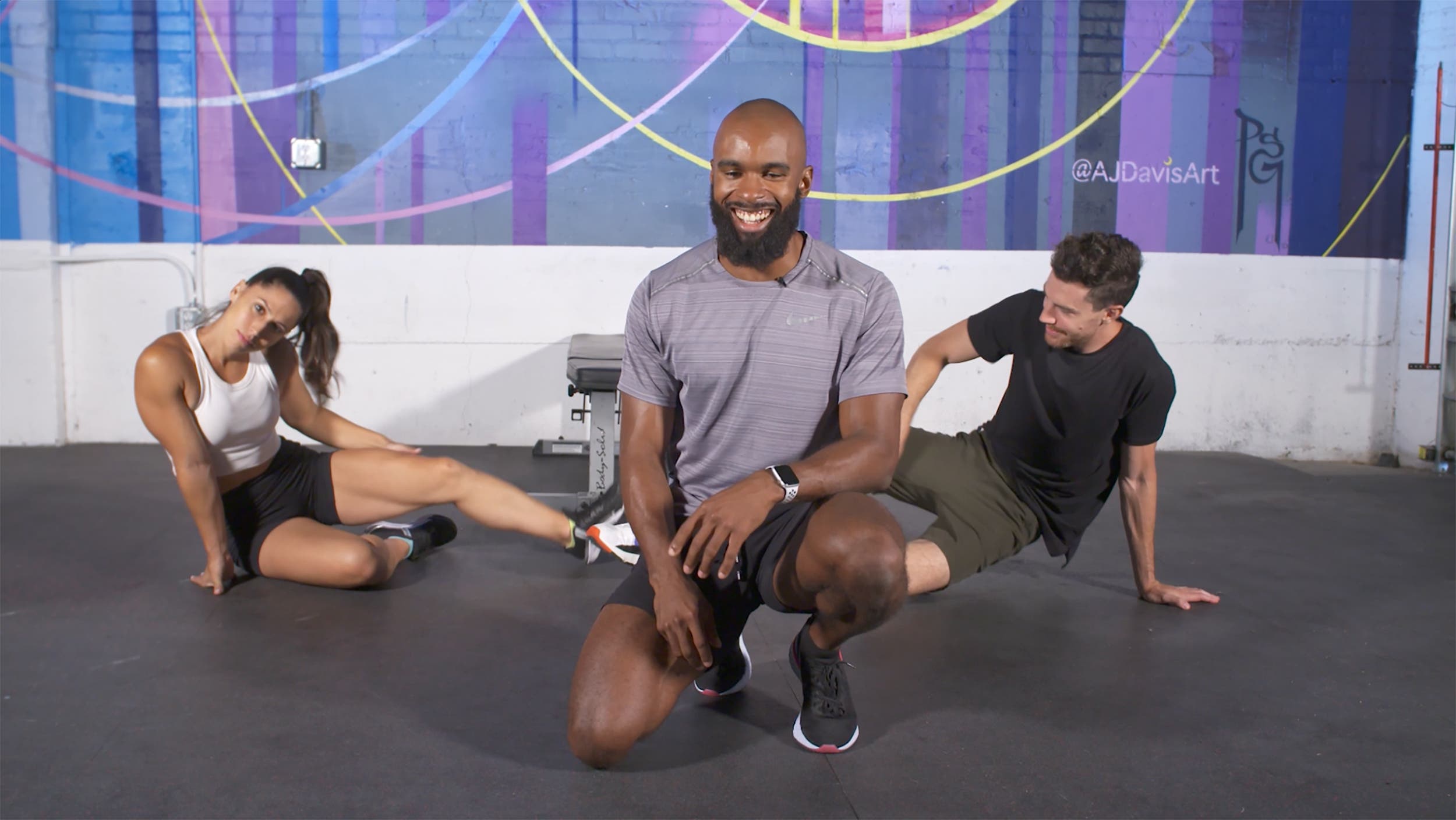
The following workout, developed by Chris Miller, is designed to be an easy-to-follow yet highly effective routine for both competitive athletes and recreational skiers. The circuit requires minimal equipment—primarily a sandbag and a flat surface—making it accessible for home or gym use.
Phase I: The Warmup and Quadruped Series
The workout begins with a dynamic warmup to increase blood flow to the extremities and activate the central nervous system. The Quadruped Series is essential for "waking up" the stabilizers in the hips and shoulders.
- Quadruped Series (6 repetitions per side): Movements include bird-dogs and fire hydrants, which focus on spinal alignment and hip mobility.
- Lunge Series (2 repetitions per side): A slow, controlled progression of forward, lateral, and reverse lunges to prepare the joints for multi-directional movement.
- Dynamic Series (6 repetitions per side): Incorporating faster movements like high knees or butt-kicks to transition the body into a high-intensity state.
Phase II: Power Circuit No. 1 – Lower Body Dominance
This segment is the "engine room" of the workout, utilizing a sandbag to create an unstable load that mimics the shifting weight of a skier in motion.
- Sandbag Series: This involves four sets with no rest between individual exercises and a 45-second recovery between sets.
- Skater Hops: These are lateral plyometric jumps that simulate the side-to-side movement of carving. Data suggests that lateral plyometrics are the single most effective exercise for improving edge-to-edge transition speed.
- Sandbag Squats and Cleans: These movements build the explosive upward force needed to navigate moguls and deep snow.
Phase III: Power Circuit No. 2 – The Trunk and Core
In skiing, the "trunk" (the core and lower back) acts as the stabilizer that allows the legs to work independently. A weak core leads to "breaking at the waist," a common technical flaw that results in a loss of control.
- Anti-Movement Training (3 sets, 45-60 seconds rest): Rather than traditional crunches, this focuses on "deadbugs" and isometric holds. These exercises train the core to resist unwanted movement, ensuring the skier remains upright and balanced over their boots.
Supporting Data: The Correlation Between Fatigue and Injury
The importance of power endurance is underscored by injury statistics provided by mountain safety organizations and orthopedic clinics. Studies have shown that a disproportionate number of alpine injuries occur after 2:00 PM. While factors such as changing light conditions and snow texture play a role, the primary driver is muscular fatigue. When the primary movers (quadriceps and glutes) tire, the body begins to rely on ligaments and tendons to provide stability.

Furthermore, data from the National Ski Areas Association (NSAA) indicates that "loss of control" is a leading factor in collisions and falls. By improving power endurance, skiers can maintain their technical form for longer periods, significantly reducing the likelihood of a catastrophic failure in technique that leads to injury.
Industry Implications and the "Bell-to-Bell" Economy
The push for better ski fitness also has broader economic implications for the winter tourism industry. As lift ticket prices and season pass costs increase, consumers are looking to maximize their "vertical feet" per day. A skier who is physically conditioned for power endurance can ski "bell-to-bell"—from the opening of the lifts at 9:00 AM to the close at 4:00 PM—without requiring long mid-day breaks.
Resorts and equipment manufacturers have taken notice, often partnering with fitness experts to provide training content to their customers. The logic is simple: a fit skier is a happy skier, and a happy skier is more likely to return. This has led to a surge in digital fitness platforms and video tutorials specifically tailored to the "pre-season" window, reflecting a shift in the culture from skiing as a leisure activity to skiing as an athletic pursuit.
Conclusion: Preparing for the Long Game
In summary, the transition to a successful winter season is predicated on the ability to sustain high-intensity effort. By incorporating power endurance training—specifically through the targeted circuits recommended by experts like Chris Miller—skiers can bridge the gap between their gym workouts and the actual demands of the mountain. This preparation results in a more responsive skiing style, better absorption of terrain, and a significantly lower risk of injury. As the snow begins to fall, those who have invested the time in building their power endurance will find themselves better equipped to handle the challenges of the back bowls and the precision of the groomed corduroy, ensuring their best season yet.

