
While the skiing season traditionally spans the winter months, physiological preparedness for the slopes is a year-round requirement for those seeking to maximize performance and minimize the risk of musculoskeletal injury. The biomechanical demands of alpine skiing—characterized by high-velocity lateral movements, eccentric loading of the lower extremities, and the constant need for core stabilization—necessitate a conditioning regimen that extends far beyond the first snowfall. Experts in sports medicine and kinesiology emphasize that maintaining "ski shape" throughout the off-season is not merely a matter of athletic vanity but a critical strategy for joint preservation and peak functional output. By assessing current physical baselines and implementing a targeted five-exercise protocol, skiers can develop a foundational resilience that translates directly to the technical rigors of powder, moguls, and groomed runs.

The Biomechanics of Skiing and the Cost of Physical Inactivity
Skiing is a unique sport that places extreme stress on the "kinetic chain," the interconnected system of joints and muscles that work together to perform complex movements. According to data from the National Ski Areas Association (NSAA) and various sports medicine journals, knee injuries—specifically Anterior Cruciate Ligament (ACL) tears—remain the most common injury among alpine skiers, accounting for approximately 25% to 30% of all reported incidents. These injuries often occur when the core and hip stabilizers fail to maintain proper alignment under load, leading to a collapse of the knee’s structural integrity.
The off-season often leads to a phenomenon known as "detraining," where the body loses the specific adaptations required for high-intensity descent. Without consistent engagement of the obliques, glutes, and deep spinal stabilizers, a skier’s ability to absorb the impact of uneven terrain or maintain a stable "power stance" is significantly compromised. This lack of preparation creates a dangerous gap between a skier’s technical ambition and their physical capacity, often resulting in fatigue-related injuries late in the afternoon or during the first few days of a ski trip.
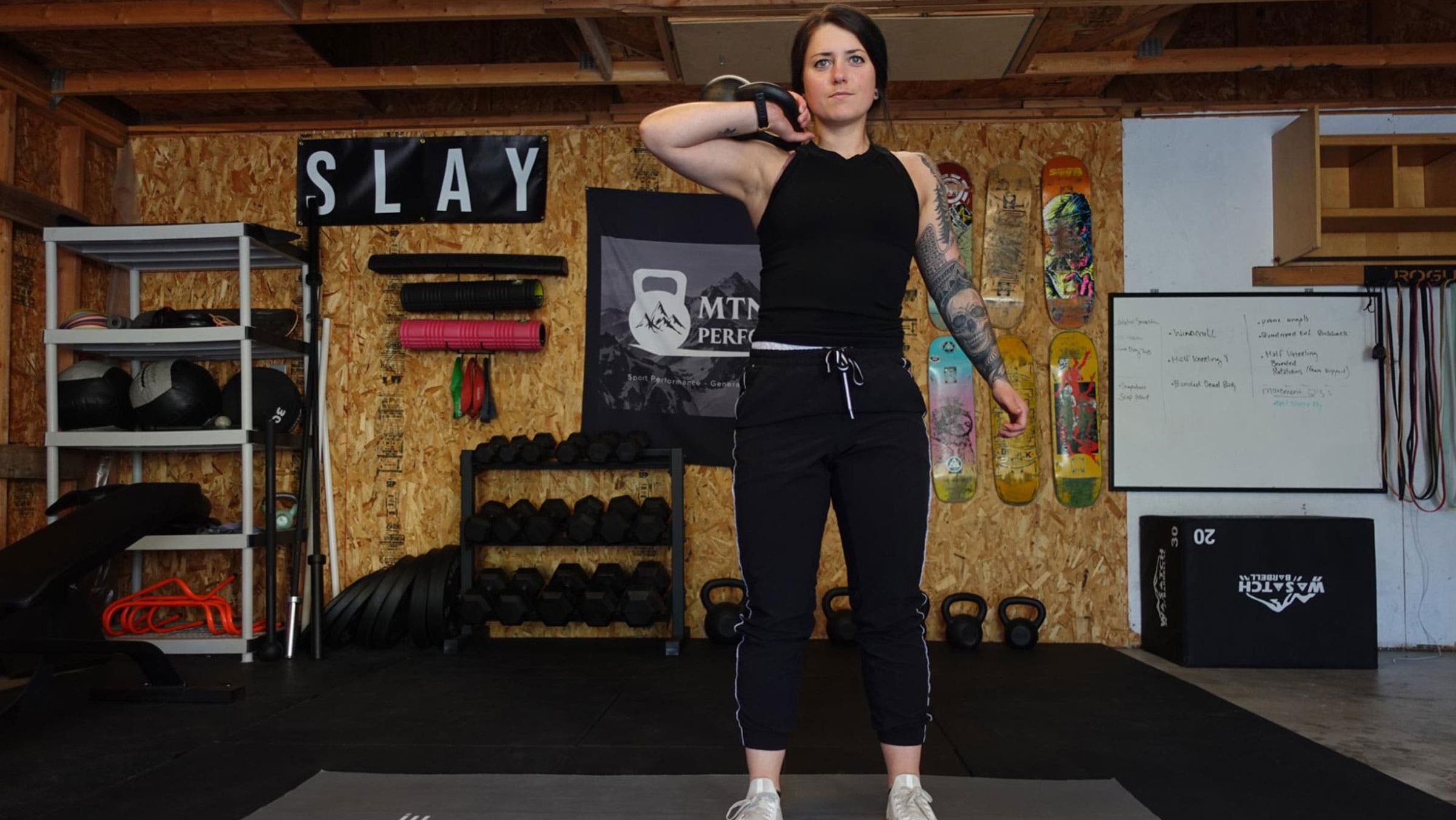
Initial Diagnostic Assessment: The Side Plank Elevation Test
Before embarking on a conditioning program, it is essential to establish a baseline of functional strength. Professional trainers often utilize the side plank as a diagnostic tool to evaluate the synergy between the hips, trunk, and core. This test specifically targets the obliques and hip abductors, which are responsible for stabilization and rotation during a descent.
To perform the side plank test, an individual must lie on their side with the elbow positioned directly beneath the shoulder. The legs are stacked, and the hips are lifted to create a straight line from the head to the feet. While maintaining this rigid alignment, the individual flexes the top foot and lifts it to hip height, holding for one second before lowering it. The test concludes when the shoulder collapses, the hips sag, or the body loses its stacked orientation.
Statistically, an average skier can complete five repetitions per side before form begins to deteriorate. However, the benchmark for "ski-ready" fitness is the ability to complete 10 to 15 controlled repetitions on each leg. Failure to meet this standard suggests a weakness in the lateral stabilizers, which may increase the risk of back and hip pain once the skier returns to the mountain.
A Progressive Five-Exercise Protocol for Off-Season Conditioning
To bridge the gap between baseline fitness and the demands of high-performance skiing, sports scientists recommend a regimen focusing on multi-planar movements. The following five exercises are designed to target the specific muscle groups utilized in alpine environments.
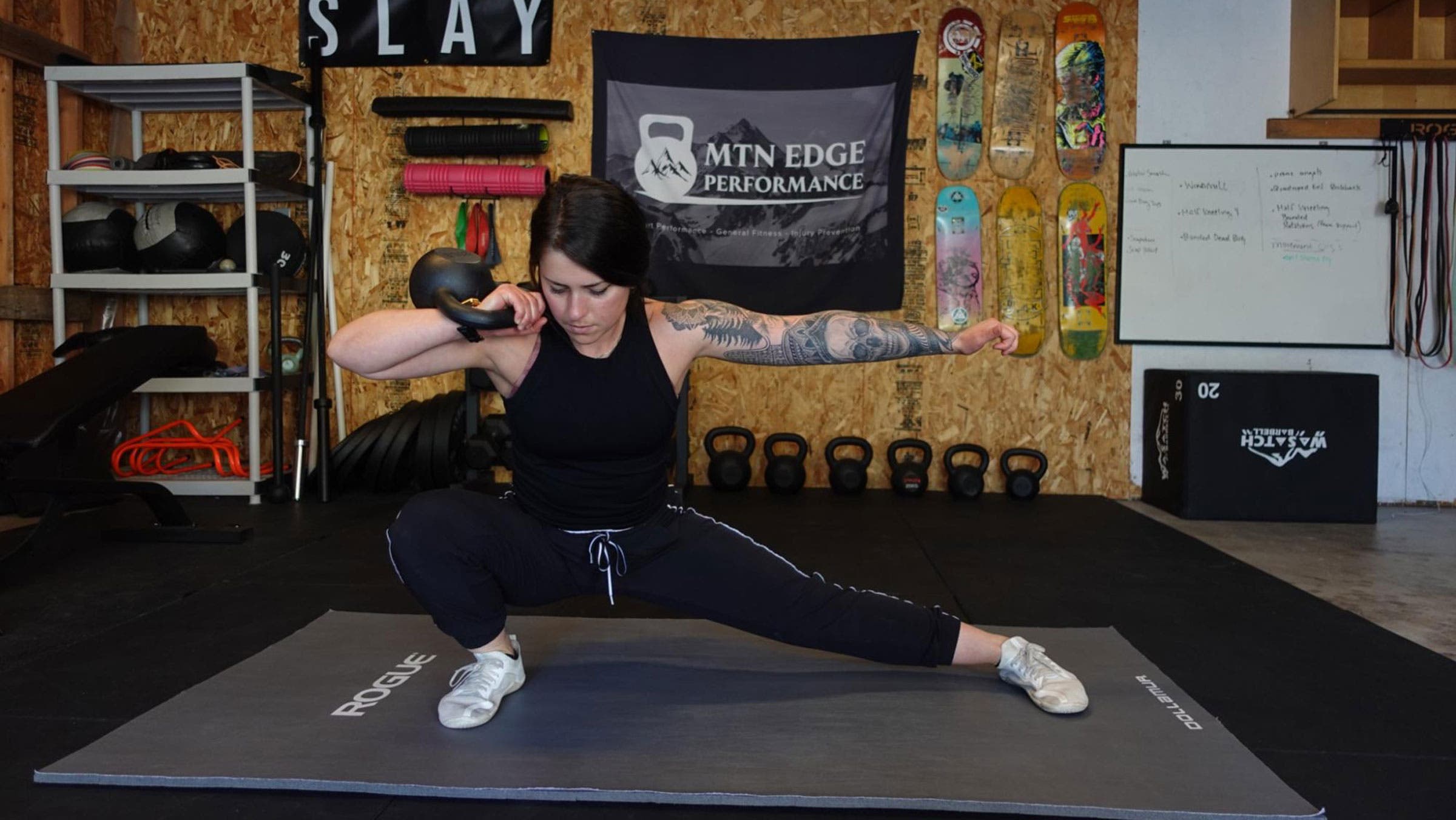
1. Lateral Lunges for Frontal Plane Stability
Skiing is a sport defined by lateral movement. While traditional forward lunges build sagittal strength, the lateral lunge targets the frontal plane, strengthening the hip adductors and abductors. This strength is vital for edge control and maintaining balance when transitioning between turns.
To execute the lateral lunge, start with feet hip-width apart. Step one foot out to the side, keeping the trailing leg straight. Sit the hips back and down, ensuring the knee of the leading leg does not track past the toes. The chest should remain upright. To increase difficulty, practitioners may hold a kettlebell in the front rack position, which adds a core-stabilization component to the lower-body movement. Aim for 8 to 12 repetitions per side.
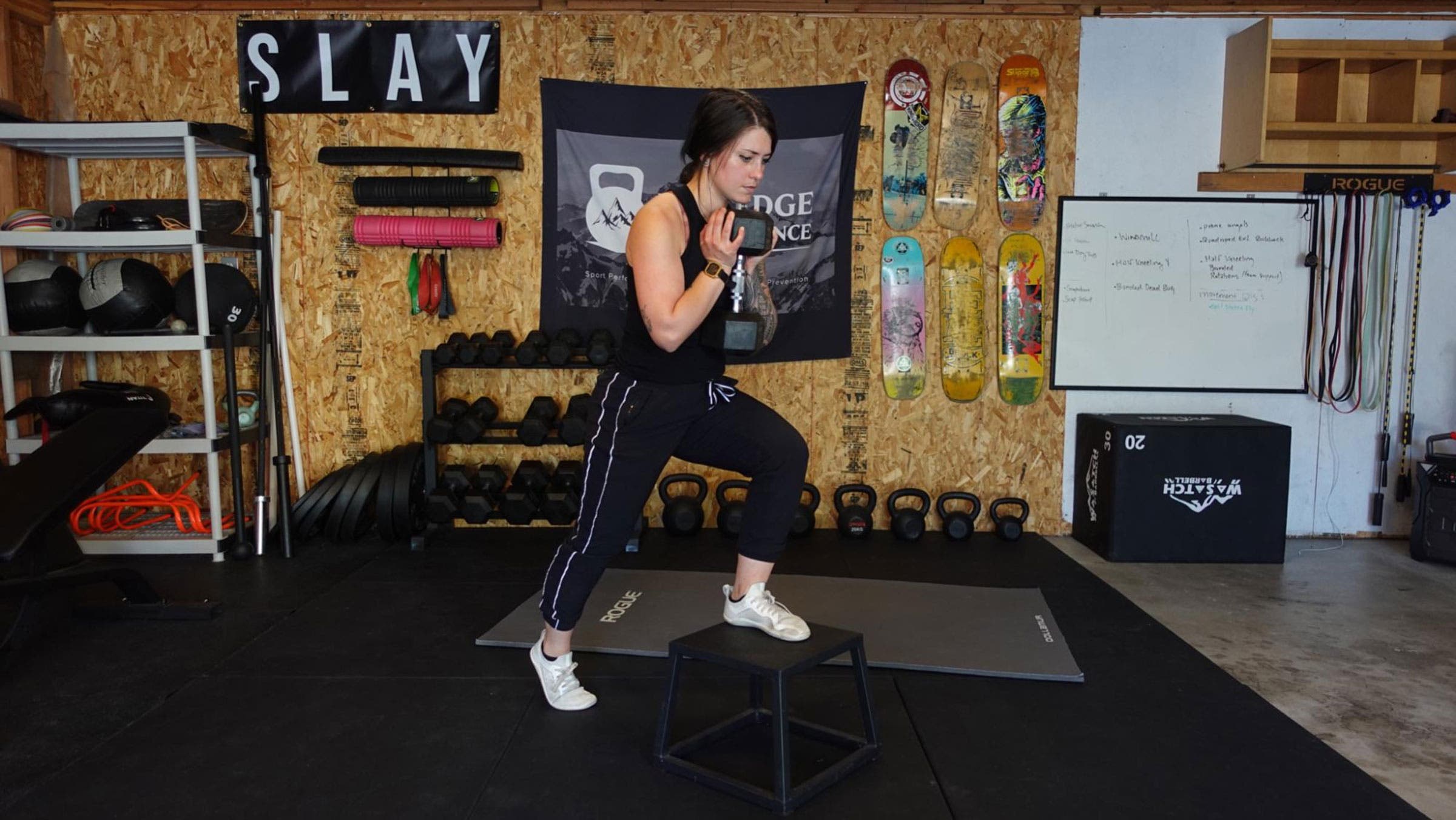
2. Step-Ups for Single-Leg Power and Balance
Alpine skiing often requires asymmetrical weight distribution, meaning a skier is frequently balancing more weight on one leg than the other. Step-ups address this by building unilateral strength in the glutes, hamstrings, and quadriceps. Furthermore, the eccentric phase (the descent) of the step-up mimics the shock absorption required when navigating moguls.
Using a box or bench at knee height, place one foot firmly on the surface. Drive through the heel to lift the body upward until the leg is straight. Lower the body back down with control, avoiding a "drop" that would shock the joints. Completing 8 to 12 reps per leg ensures that strength imbalances are corrected, preventing one side of the body from overcompensating for the other on the slopes.
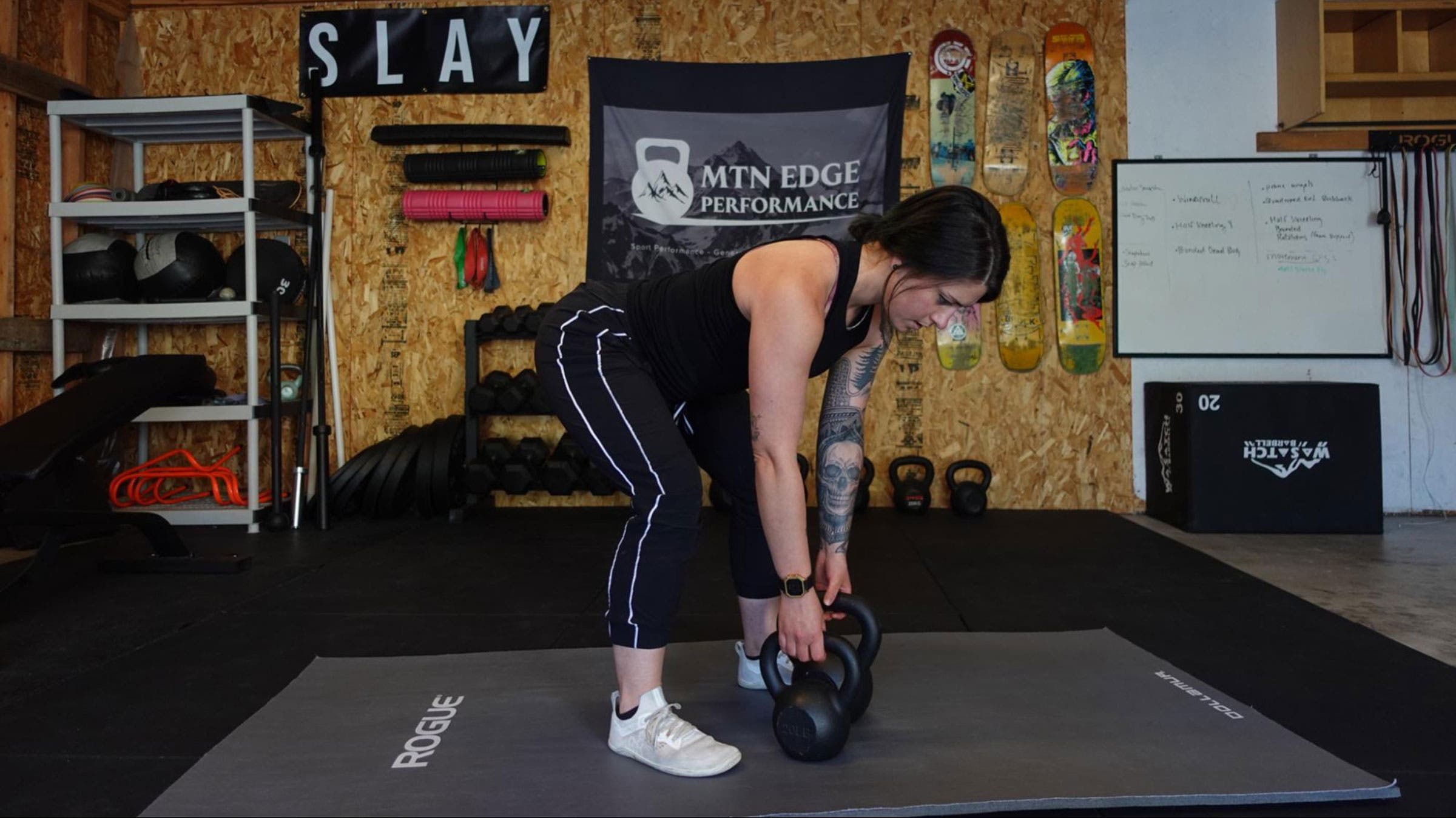
3. Gorilla Rows for Impact Absorption and Spinal Support
The "Gorilla Row" is a specialized variation of the bent-over row that focuses on the deep muscles of the back, including the erector spinae and the latissimus dorsi. These muscles are the primary defenders of the spine, absorbing the vertical impacts of jumps and high-speed vibrations.
To perform this, stand with feet wider than shoulder-width and two kettlebells on the floor between them. Hinge at the hips, keeping the back flat and parallel to the floor. Holding the handles, row one kettlebell toward the hip while the other remains on the floor, providing a stable base. This movement requires significant core engagement to prevent the torso from rotating, which mirrors the stability needed during high-speed carving.
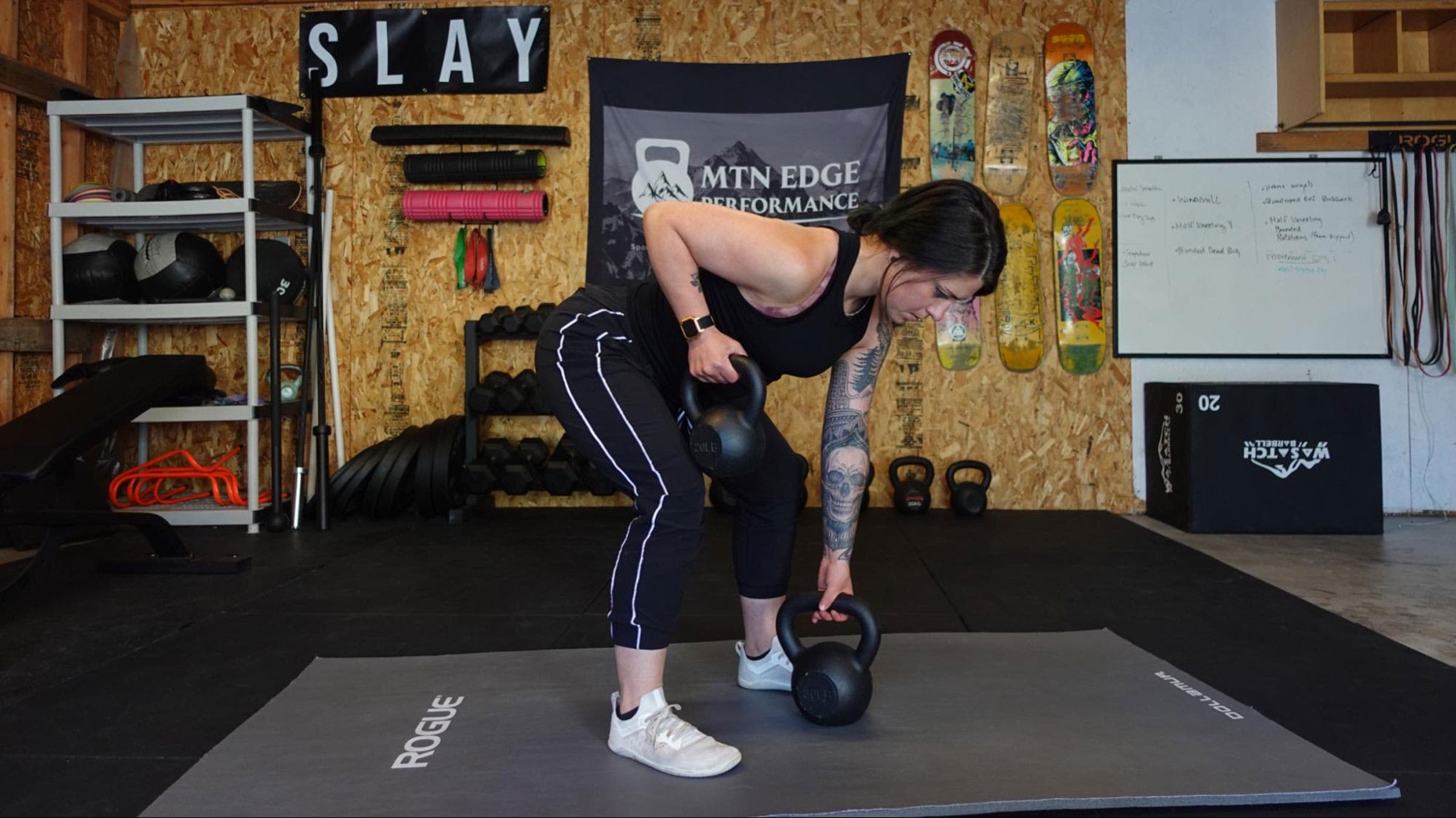
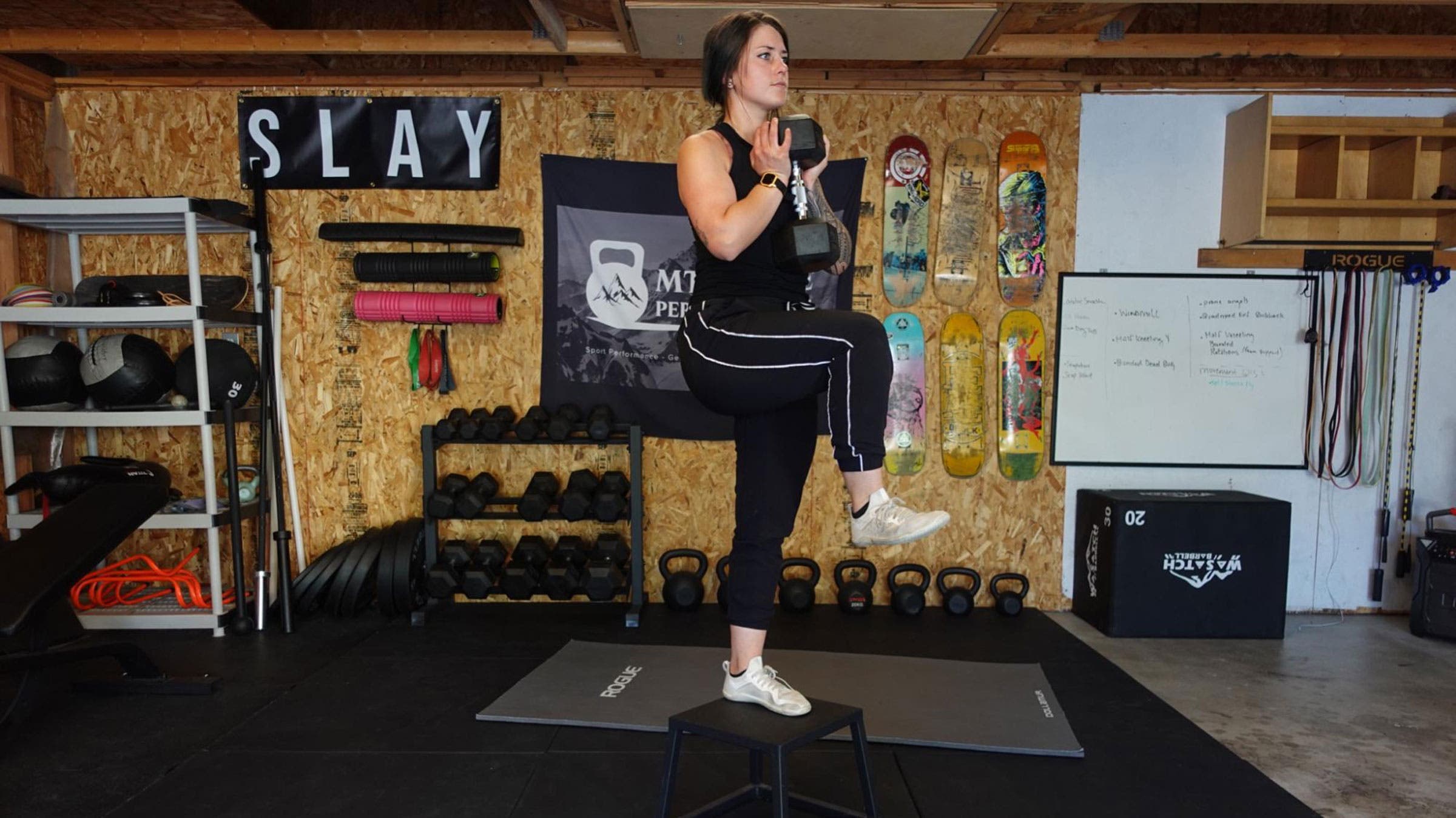
4. The Suitcase March for Anti-Lateral Flexion
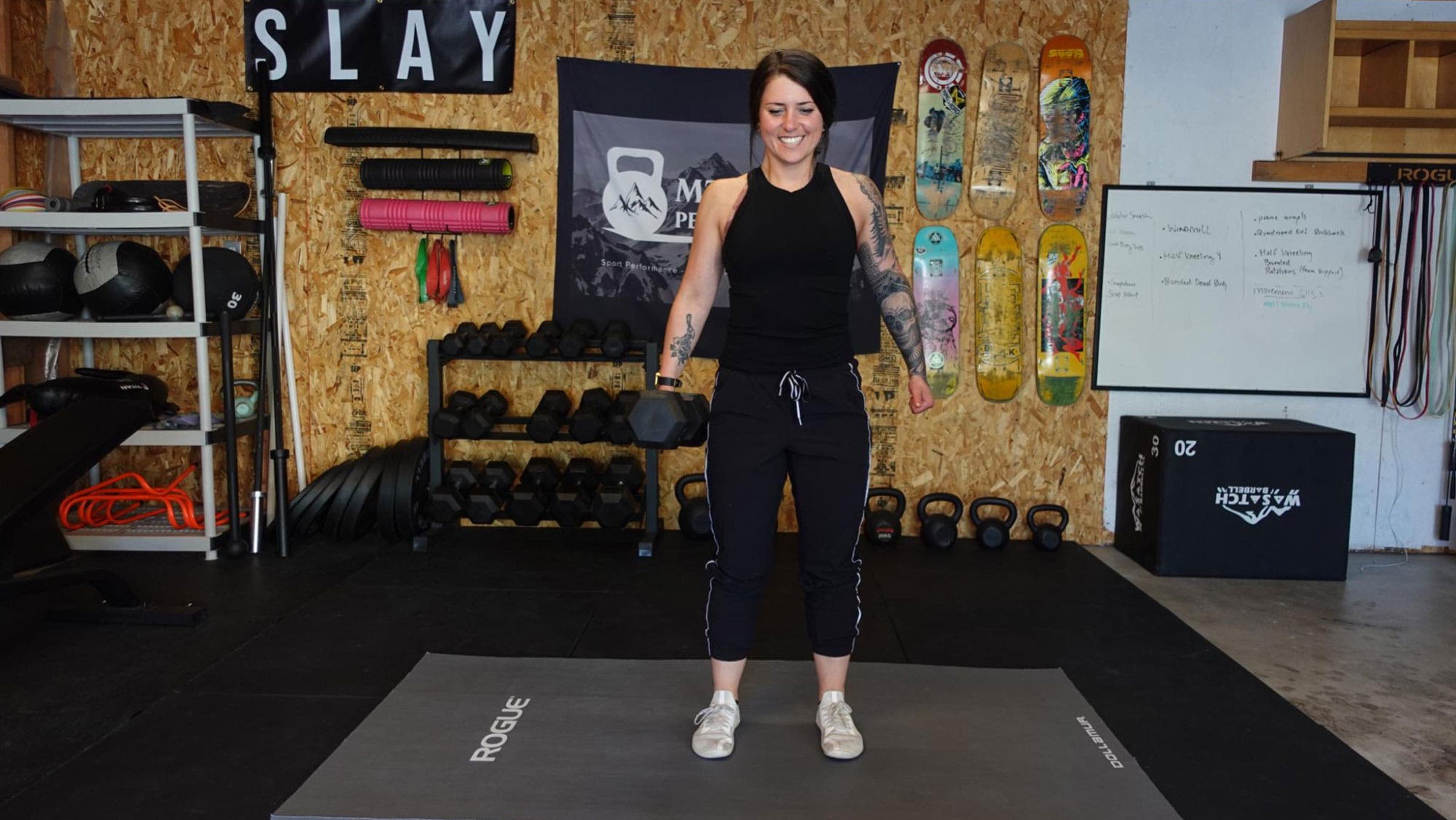
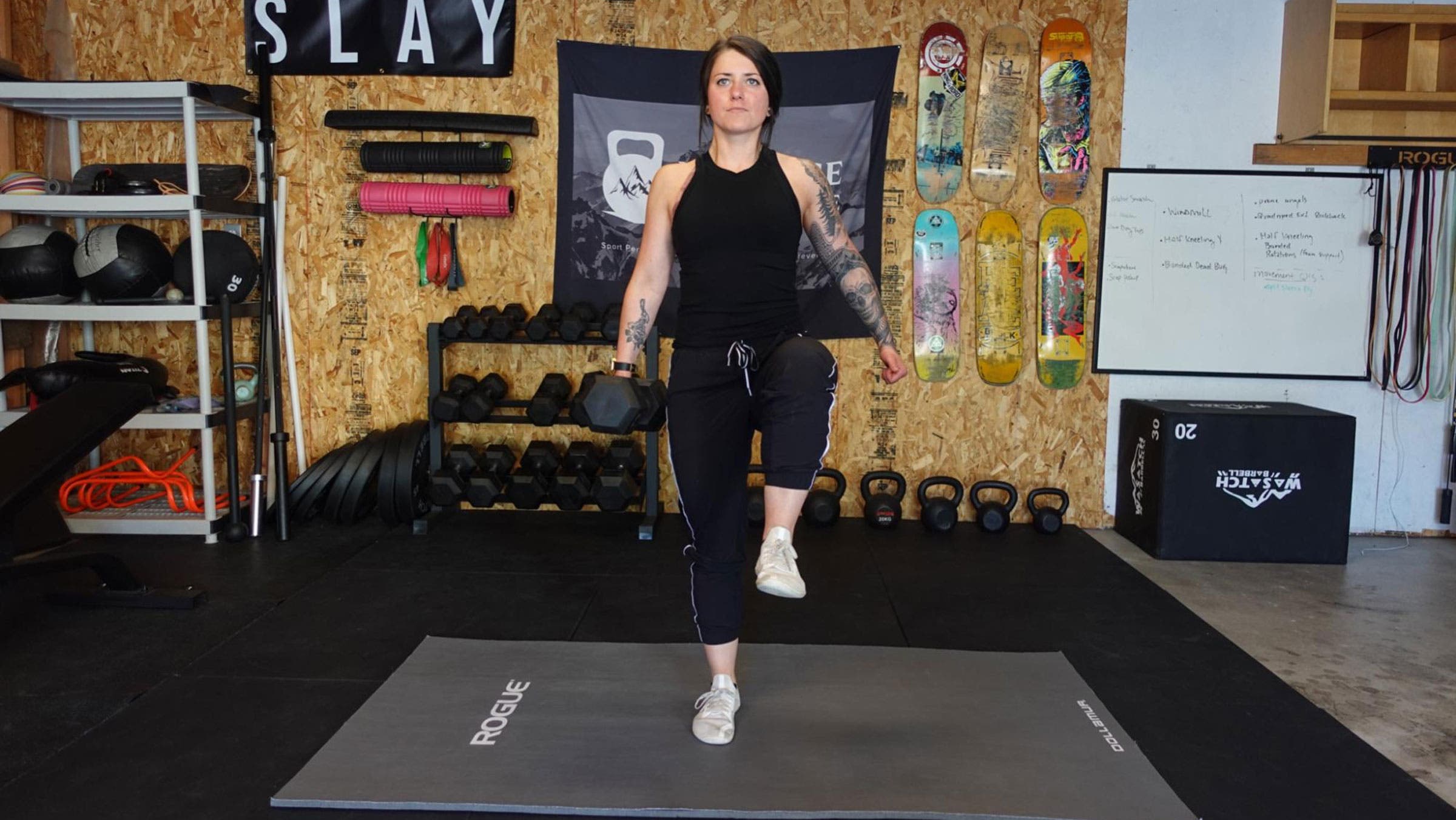
The "Suitcase March" is a deceptively simple core exercise that targets the deep stabilizer muscles. By holding a heavy weight on only one side of the body while marching in place, the skier forces their core to resist the pull of gravity toward the weighted side. This is known as anti-lateral flexion.
Strong anti-lateral flexion is crucial for skiers who need to remain upright and centered while their lower body moves independently beneath them. Practitioners should hold a medium-to-heavy dumbbell in one hand and march slowly, lifting the knees to hip height. The goal is to keep the shoulders perfectly level throughout the 30-to-60-second set.
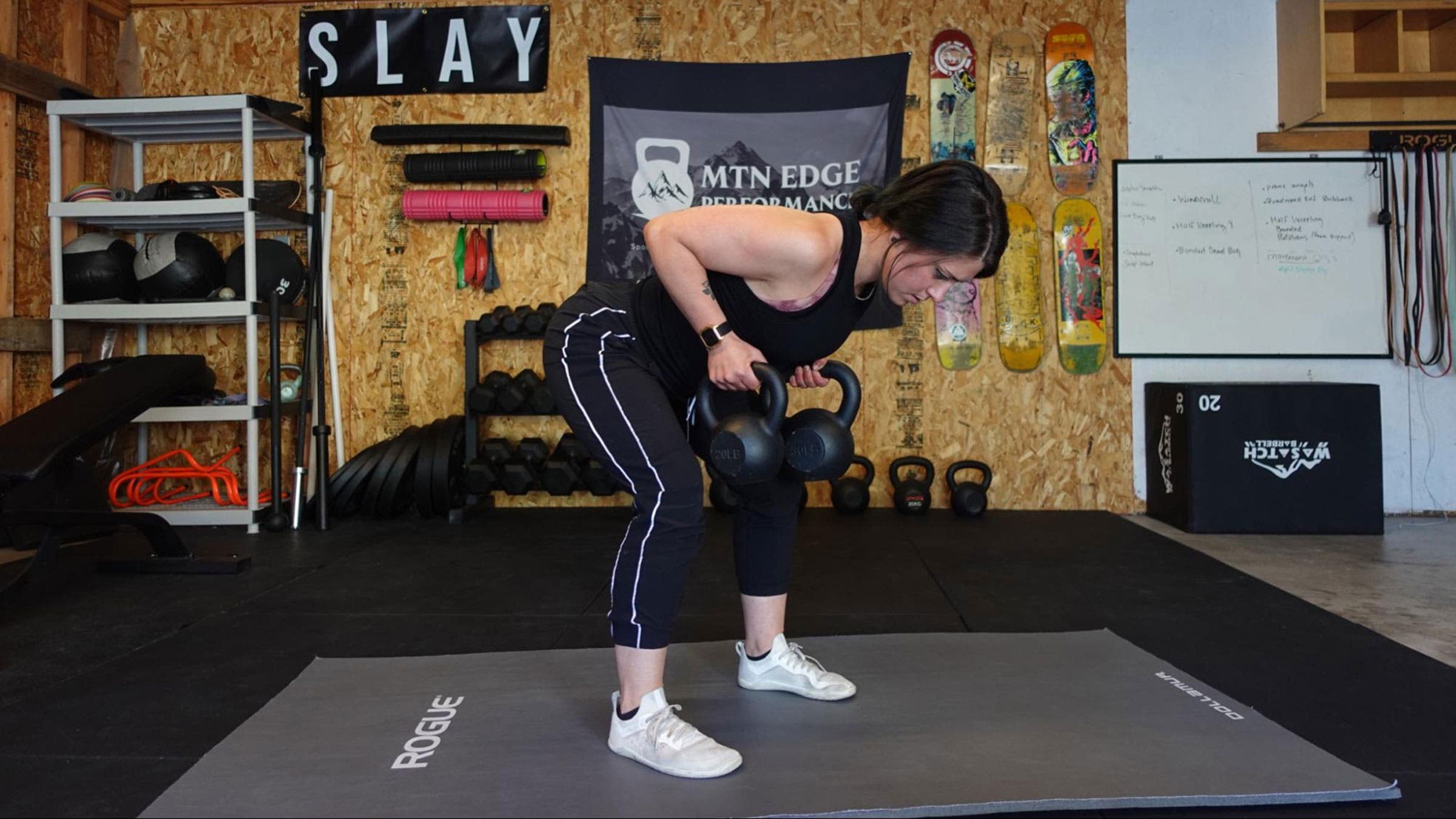
5. Plank Pull-Throughs for Rotational Integrity
The final component of the protocol is the Plank Pull-Through. This exercise challenges the transverse abdominis and the obliques to maintain a rigid plank position while an external weight is moved across the body’s midline.
Starting in a high plank position with a dumbbell placed behind one wrist, the individual reaches across with the opposite hand to pull the weight to the other side. This movement tests the body’s ability to remain stable despite a shifting center of gravity—a direct analog to the unpredictable conditions found in off-piste skiing and variable powder.
Chronology of Preparation: The Skier’s Annual Timeline
The implementation of these exercises should follow a logical progression based on the proximity to the ski season.
- The Maintenance Phase (May–August): Focus on general strength and cardiovascular endurance. The five-exercise protocol should be performed twice weekly to maintain the physiological adaptations gained in previous seasons.
- The Hypertrophy and Strength Phase (September–October): Increase the weight and intensity of the lateral lunges and step-ups. This period is dedicated to building the muscle mass necessary for the high-force demands of winter.
- The Power and Readiness Phase (November–December): Incorporate plyometric elements into the routine, such as jumping lateral lunges, to prepare the nervous system for high-velocity movements.
Broader Implications: Safety, Longevity, and Economic Impact
The implications of year-round ski conditioning extend beyond individual performance. From a public health perspective, a physically prepared skiing population reduces the burden on mountain rescue services and orthopedic clinics. Furthermore, for the individual, consistent off-season training promotes long-term joint health, potentially extending a skier’s active years well into their 70s or 80s.
Economically, the "weekend warrior" syndrome—where sedentary individuals engage in high-intensity skiing without preparation—results in significant costs due to lost work time and medical expenses. By treating skiing as an athletic endeavor that requires year-round attention, participants not only improve their experience on the mountain but also safeguard their overall physical and financial well-being.
In conclusion, the transition from summer activities to the winter ski season should be a seamless progression of physical readiness rather than a sudden shock to the system. Through diagnostic testing and a dedicated focus on the lateral and stabilizer muscle groups, skiers can ensure that they arrive at the first lift of the season at their strongest, ready to meet the mountain with confidence and resilience.

