
The National Park Service (NPS) is proactively issuing a critical bear safety reminder to the public as the nation’s parks prepare for the surge in visitors during the peak spring and early summer seasons. This advisory comes in response to a discernible increase in bear activity and a series of recent incidents across various national park units. The NPS emphasizes that implementing fundamental safety protocols is paramount for both visitor well-being and the conservation of bear populations.
Escalating Bear Activity and Visitor Safety Concerns
The arrival of warmer weather signals a period of heightened activity for bears. As hibernation ends, these magnificent animals emerge with a primary focus on foraging for food to replenish their reserves and, for females, protecting newborn cubs. This natural drive to seek sustenance and defend their young can bring them into closer proximity with human-populated areas and trails, increasing the potential for encounters. The NPS’s timely reminder aims to equip visitors with the knowledge and practices necessary to navigate these wild spaces responsibly and minimize the risk of dangerous confrontations.
Jessica Bowron, Comptroller, Exercising the Delegated Authority of the Director, underscored the NPS’s commitment to the dual principles of wildlife conservation and visitor safety. "National parks are wild places, and wildlife safety is visitor safety," Bowron stated. "Simple actions, like giving bears space, securing food and knowing what to do before you enter bear country, can protect visitors and bears." This sentiment highlights the reciprocal relationship between human behavior and the well-being of park wildlife, emphasizing that responsible actions by visitors are crucial for maintaining a healthy ecosystem.
Understanding Bear Behavior and Risk Factors
Bears, particularly grizzly bears and black bears, are opportunistic omnivores with a keen sense of smell. Their diet can include berries, roots, insects, small mammals, and carrion. Human food and improperly stored trash can become an irresistible attractant, leading bears to associate these items with easy meals. This learned behavior can habituate bears to human presence, making them bolder and potentially more aggressive as they seek out these artificial food sources. Such habituation poses a significant risk, as it can lead to conflicts that often result in the animal being euthanized for public safety reasons.
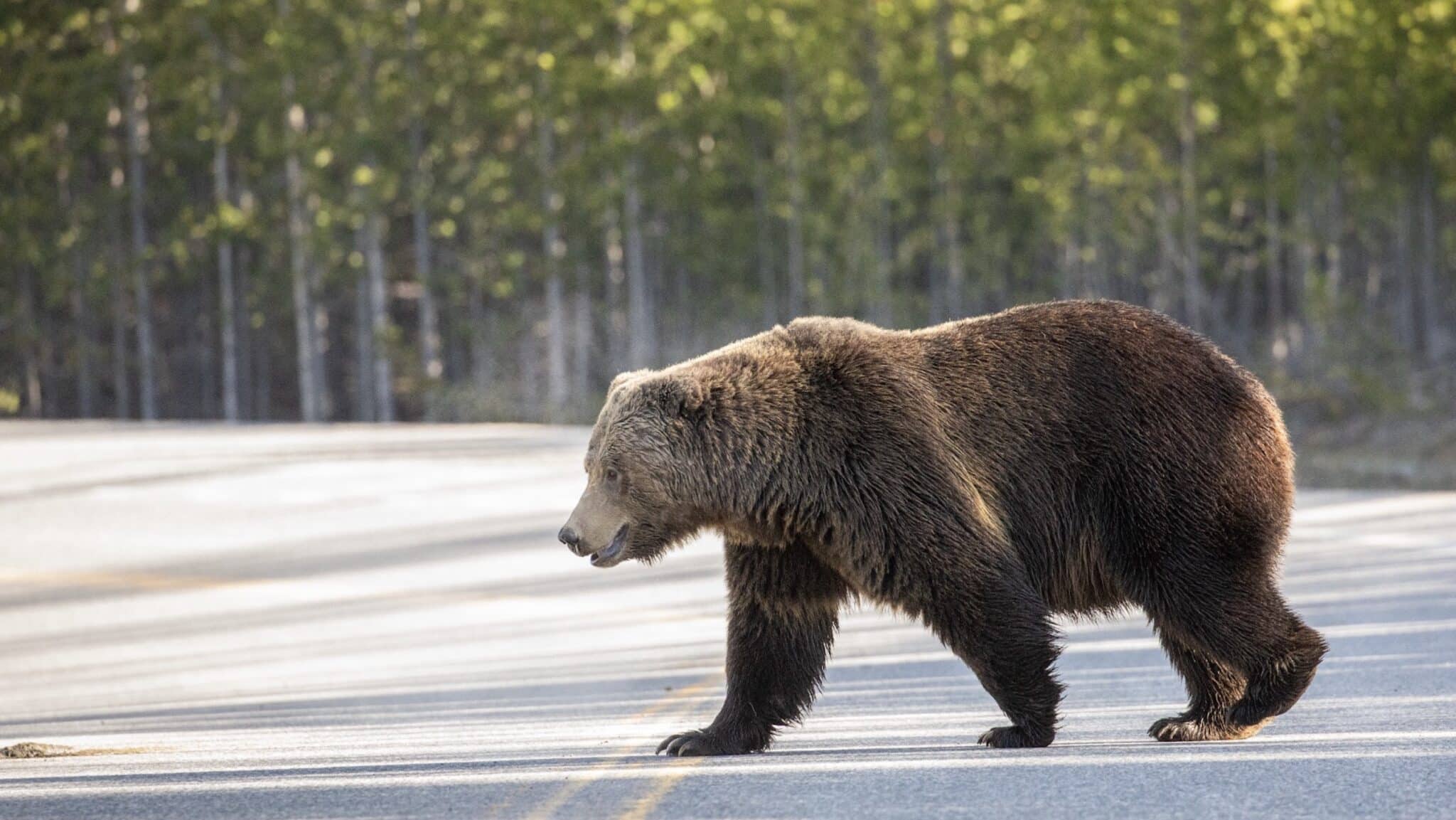
The NPS has observed a recurring pattern in incidents where bear-related safety measures are not strictly adhered to. These incidents often involve bears investigating campsites, vehicles, or hikers who have inadvertently attracted them with the scent of food. While bears generally avoid human contact, they will defend themselves if they feel threatened, especially mothers with cubs. Understanding their natural behaviors and the triggers that might provoke a defensive response is a cornerstone of safe visitation.
Essential Bear Safety Guidelines for Park Visitors
The National Park Service has outlined a comprehensive set of guidelines designed to prevent unwanted encounters and ensure the safety of both humans and bears. These recommendations are applicable across a broad spectrum of national park environments where bears are present.
1. Stay Alert and Aware:
- Scan your surroundings: Continuously observe your environment, looking for signs of bear activity such as tracks, scat, or disturbed vegetation.
- Minimize distractions: Avoid using headphones that can impede your ability to hear approaching wildlife.
2. Hike in Groups:
- Increase visibility: Traveling in groups of three or more makes you appear larger and more intimidating to bears.
- Enhance noise levels: A group is naturally more vocal, which helps alert bears to your presence.
3. Make Noise in Low-Visibility Areas:
- Announce your presence: In areas with dense vegetation, along streams, or around blind corners, frequently talk, sing, or clap your hands. This "bear talk" gives bears ample opportunity to avoid you.
4. Secure Food and Trash Properly:
- Bear-resistant containers: Utilize bear-resistant food canisters or lockers when available.
- Proper storage: Store all food, garbage, toiletries, and scented items in a bear-resistant manner at least 100 yards away from your sleeping area. Never leave food unattended.
- Cleanliness: Thoroughly clean cooking areas and utensils after use.
5. Carry and Know How to Use Bear Spray:
- Accessible at all times: Keep bear spray readily accessible on your person, not packed away.
- Understand deployment: Familiarize yourself with the instructions and practice deploying the canister (without actually spraying) before your trip. Bear spray is a highly effective deterrent when used correctly.
6. Maintain a Safe Distance:
- Observe from afar: Never approach, feed, or attempt to pet a bear. A general rule of thumb is to stay at least 100 yards (the length of a football field) away from bears.
- Respect their space: If a bear changes its behavior due to your presence, you are too close.
7. Report All Encounters:
- Inform park staff: Immediately report any bear sightings or encounters to park rangers or officials. This information is vital for monitoring bear populations and managing visitor safety.
Park-Specific Guidance: A Crucial Pre-Trip Step
The NPS strongly emphasizes that bear species, the terrain they inhabit, and specific food storage regulations can vary significantly from one park to another. For instance, grizzly bear habitats may have different recommendations than areas populated primarily by black bears. Consequently, visitors are urged to consult the official NPS website for their intended destination before their arrival. This pre-trip preparation allows for a thorough understanding of park-specific alerts, current conditions, and tailored bear safety advice.
For example, parks like Yellowstone, Grand Teton, and Glacier National Park, known for their substantial grizzly bear populations, often have more stringent guidelines regarding food storage and recommended bear spray capabilities. In contrast, parks with black bear populations might have slightly different protocols, though the core principles of making noise, proper food storage, and maintaining distance remain universally important.
In the Event of an Encounter: Remaining Calm and De-escalating
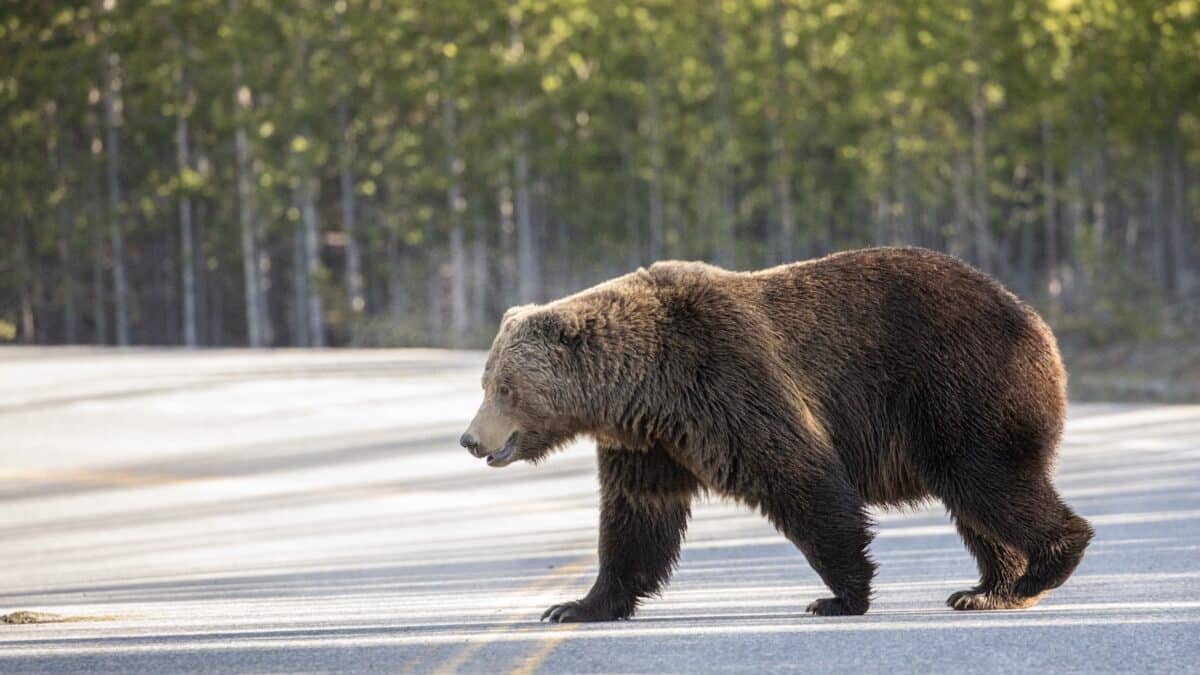
Should an unexpected encounter with a bear occur, the NPS advises a calm and measured response to de-escalate the situation.
- Stay Calm: Panicking can provoke an aggressive reaction from the bear.
- Speak Steadily: Talk in a calm, firm voice to identify yourself as human.
- Back Away Slowly: Do not run, as this can trigger a chase response. Move away slowly and sideways, keeping the bear in view.
- Avoid Sudden Movements: Do not make eye contact, as this can be perceived as a threat. Do not throw objects at the bear.
- If Charged: If a bear charges, stand your ground and use bear spray. If contact is made, play dead by lying flat on your stomach with your hands clasped behind your neck. Remain still until the bear leaves the area. For black bear attacks, fight back.
The Broader Implications: Protecting Wildlife and Visitor Experience
The NPS’s proactive approach to bear safety is not solely about preventing injuries to visitors; it is also a critical component of wildlife conservation. Bears that become habituated to human food sources often pose a danger to themselves. When a bear repeatedly seeks out and obtains human food, it can become overly bold and aggressive, leading to conflicts that necessitate its removal or euthanasia. This outcome represents a tragic loss for the ecosystem and the park’s natural heritage.
With millions of visitors expected to flock to national parks this summer, the potential for human-bear conflict is amplified. The NPS relies heavily on visitor cooperation to ensure a safe and enjoyable experience for everyone, while also safeguarding the wildlife that makes these parks so extraordinary. By adhering to the provided safety guidelines, visitors contribute to a culture of respect for wild spaces and play an active role in the preservation of these iconic animals for future generations. The agency reiterates that preparedness is the most potent tool in avoiding negative interactions, ensuring that the majesty of bears can be appreciated from a safe and respectful distance.

