
A team of specialized researchers led by Dr. Kelly Gleason of Portland State University and Dr. Jenny Watts of the Woodwell Climate Research Center recently completed a landmark field expedition to the Toolik Field Station on Alaska’s North Slope. The mission focused on the installation of a sophisticated flux tower at a permafrost thaw slump—the first of its kind in the Arctic designed specifically to monitor methane and carbon dioxide emissions from a site of active permafrost collapse. This research, supported by the Protect Our Winters (POW) Science Alliance, aims to address a significant gap in global climate models by quantifying the localized greenhouse gas contributions of rapidly degrading Arctic terrain.
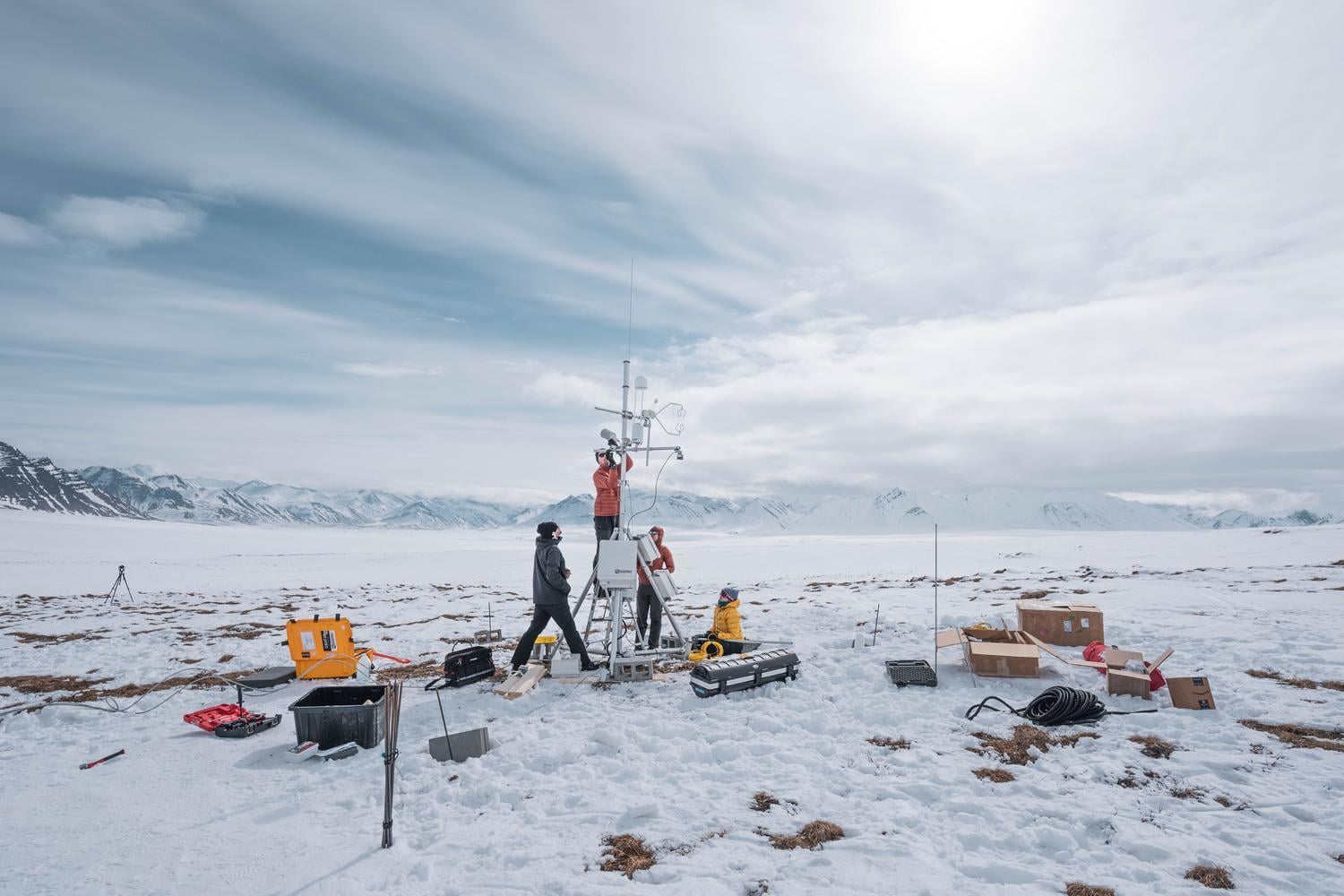
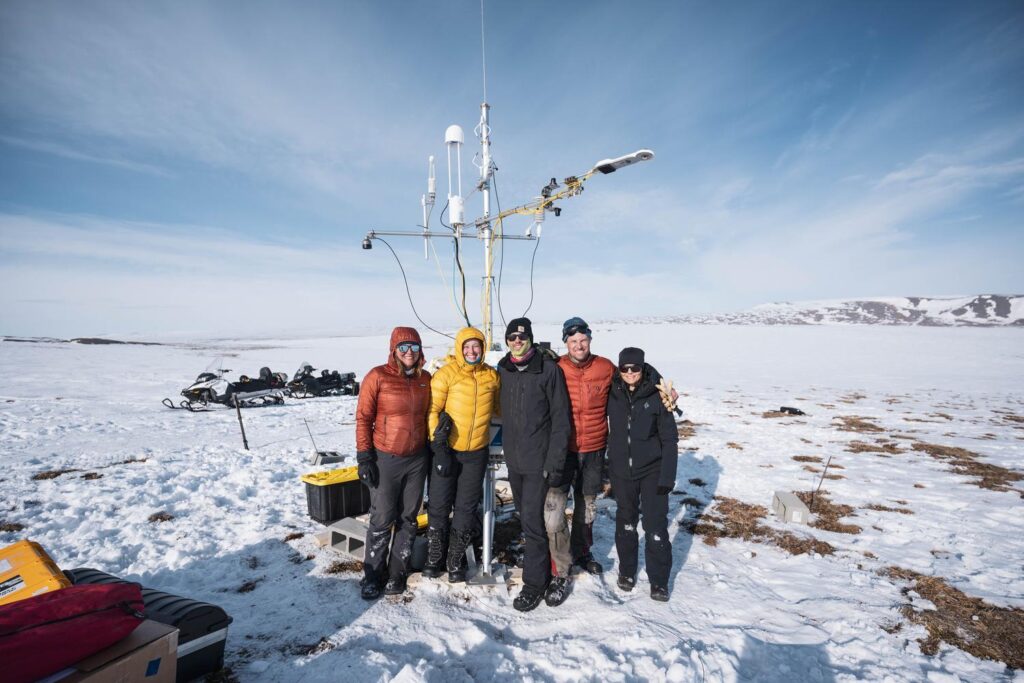
The expedition, which included scientists Kyle Arndt, Christina Minions, and Kai Rains, operated under extreme conditions to deploy equipment capable of measuring the invisible exchange of gases between the earth and the atmosphere. As the Arctic warms at nearly four times the global average—a phenomenon known as Arctic Amplification—the stability of permafrost has become a focal point for international climate science. The data collected from this new flux tower is expected to provide high-resolution insights into how "thaw slumps" contribute to the global carbon budget, potentially revealing that current climate projections underestimate the speed of Arctic feedback loops.
The Logistics of Arctic Climate Research
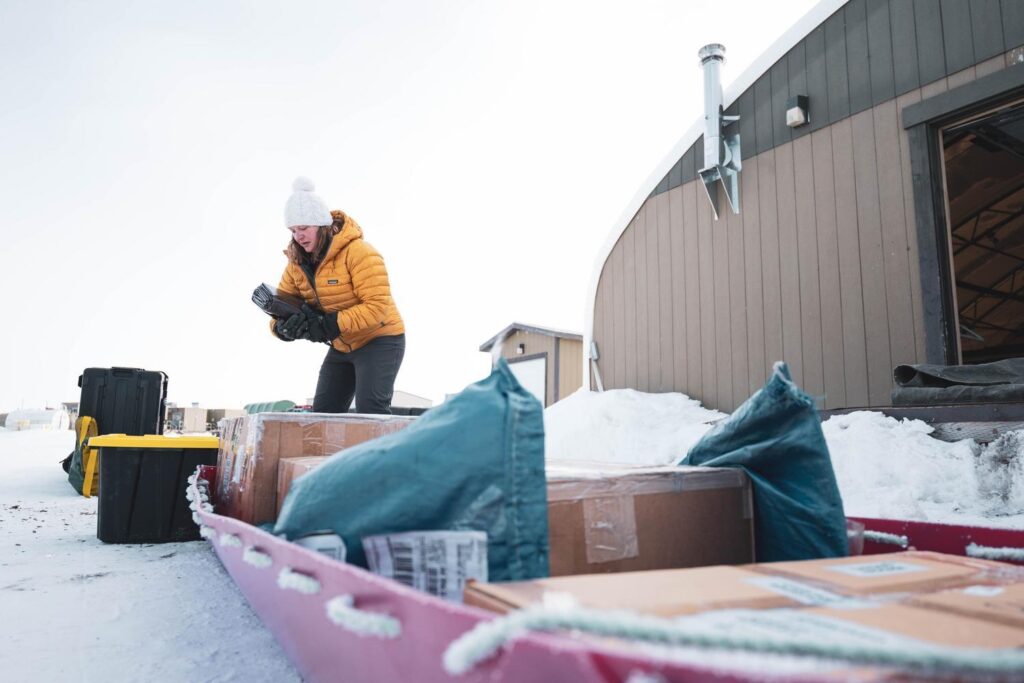
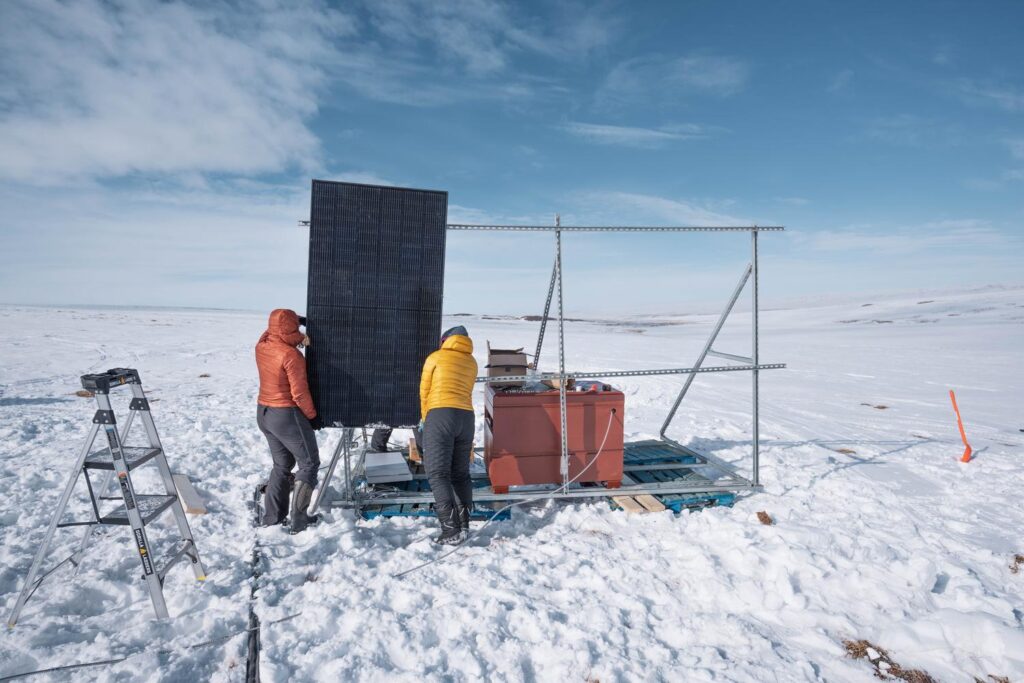
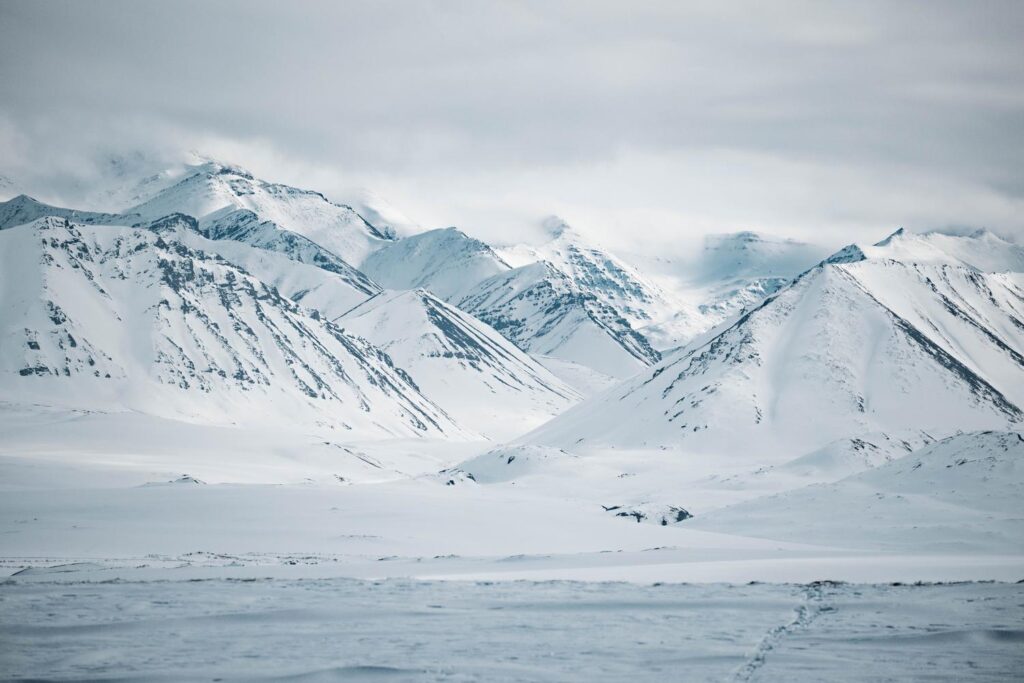
Toolik Field Station, located in the northern foothills of the Brooks Range, serves as a critical hub for long-term ecological research. Reaching the study site required the team to navigate the vast tundra via snowmachines, hauling sleds packed with industrial-grade scientific infrastructure. The equipment load for the flux tower installation was substantial, weighing several hundred pounds and consisting of a 15-foot aluminum frame, guy-lines, cement anchors, and an array of deep-cell batteries.
To power the sensors in the remote environment, the team installed four large solar panels and a massive electrical enclosure designed to withstand sub-zero temperatures and high winds. The primary instrument on the tower is an eddy covariance system, which measures the vertical turbulence of air to calculate the "flux" or exchange rate of carbon dioxide and methane. Because these gases are potent drivers of the greenhouse effect, understanding their release from formerly frozen soil is essential for predicting future temperature trajectories.
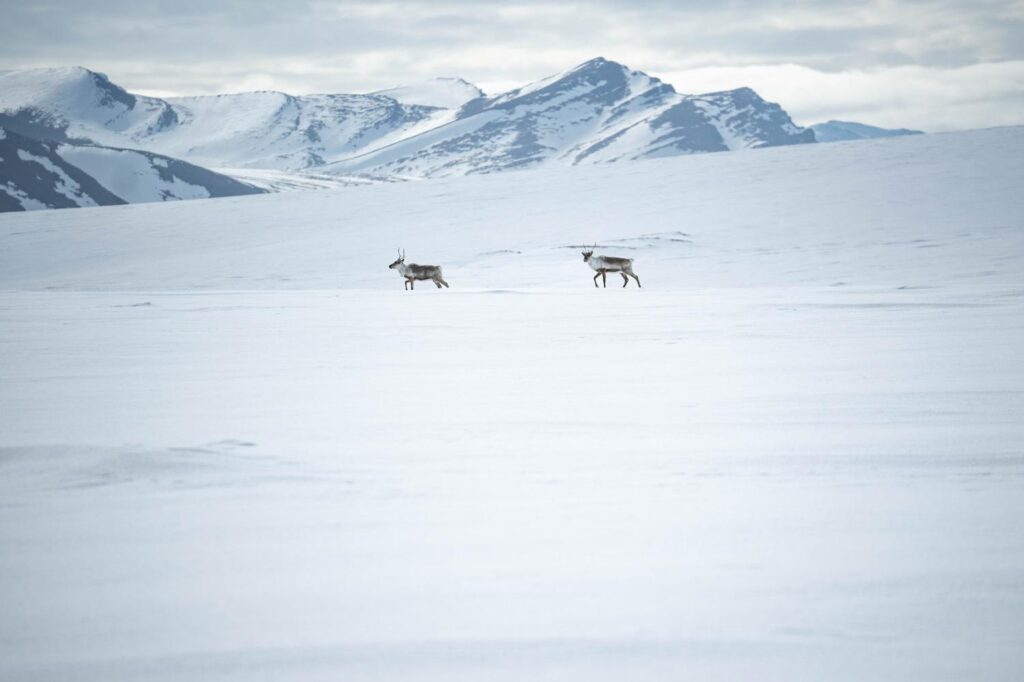
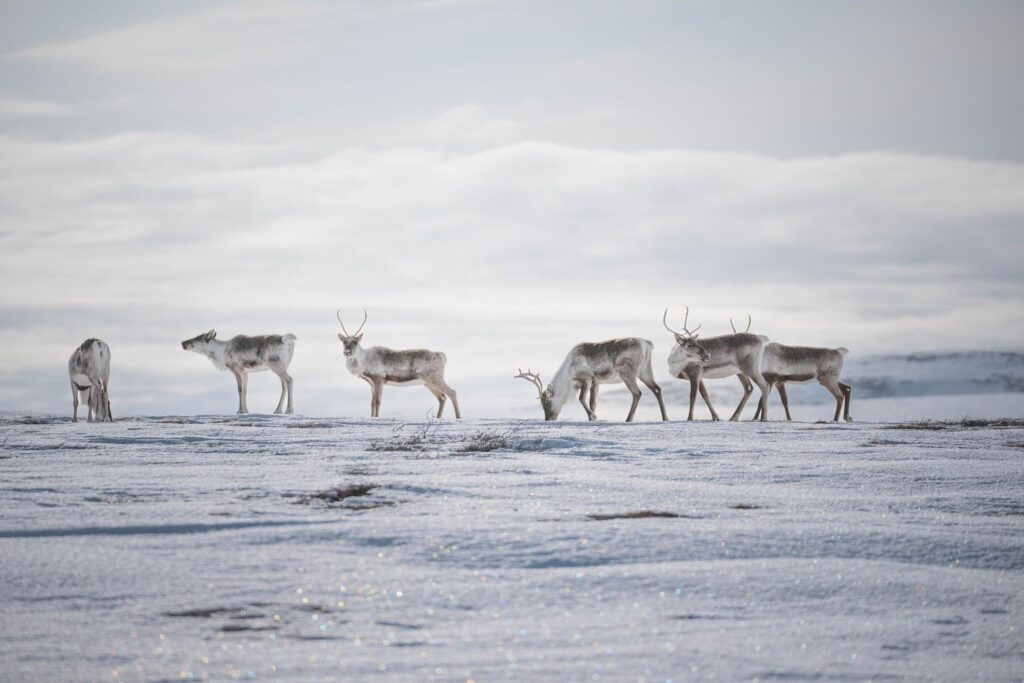
The physical labor of the installation was compounded by the frigid conditions of the North Slope. Even in the late spring, morning temperatures remain well below freezing, requiring the team to manage delicate electronics and heavy steel spikes in an environment where hoarfrost and fog are constant variables. The presence of caribou grazing near the Brooks Range served as a stark reminder of the biological stakes involved in preserving the Arctic ecosystem.
Understanding the Mechanics of Permafrost Thaw Slumps
The specific focus of the expedition was a "retrogressive thaw slump," a dramatic geological feature caused by the melting of ground ice within the permafrost. As the ice melts, the soil loses its structural integrity and slumps downhill, exposing ancient organic material that has been frozen for thousands of years. Once exposed to oxygen and warmer temperatures, microbes begin to decompose this organic matter, releasing stored carbon and methane into the atmosphere.
Permafrost covers approximately 24% of the land area in the Northern Hemisphere and acts as a massive carbon sink, containing an estimated 1,400 to 1,600 billion tons of carbon—nearly double the amount currently in the Earth’s atmosphere. While gradual permafrost thaw is accounted for in many climate models, "abrupt thaw" events like thaw slumps are often omitted due to their localized and unpredictable nature. However, research suggests that these slumps can emit greenhouse gases at rates far exceeding the surrounding stable tundra, creating "hotspots" of atmospheric warming.
By placing a flux tower directly at the site of a collapse, Dr. Watts and Dr. Gleason intend to capture the real-time signatures of these emissions. This empirical data is necessary to refine global climate models, which currently struggle to simulate the complex interactions between soil stability, microbial activity, and atmospheric gas concentrations in the high Arctic.
The Insulation Paradox: Snow Hydrology and Ground Warming
While the flux tower monitors gas emissions, Dr. Kelly Gleason conducted parallel research into the role of snow as an atmospheric insulator. In the western United States, snow is primarily viewed as a seasonal reservoir for water storage, measured by its snow-water equivalent (SWE). In the Arctic, however, the role of snow is more complex, involving a balance between its "albedo" (reflectivity) and its capacity to insulate the ground.
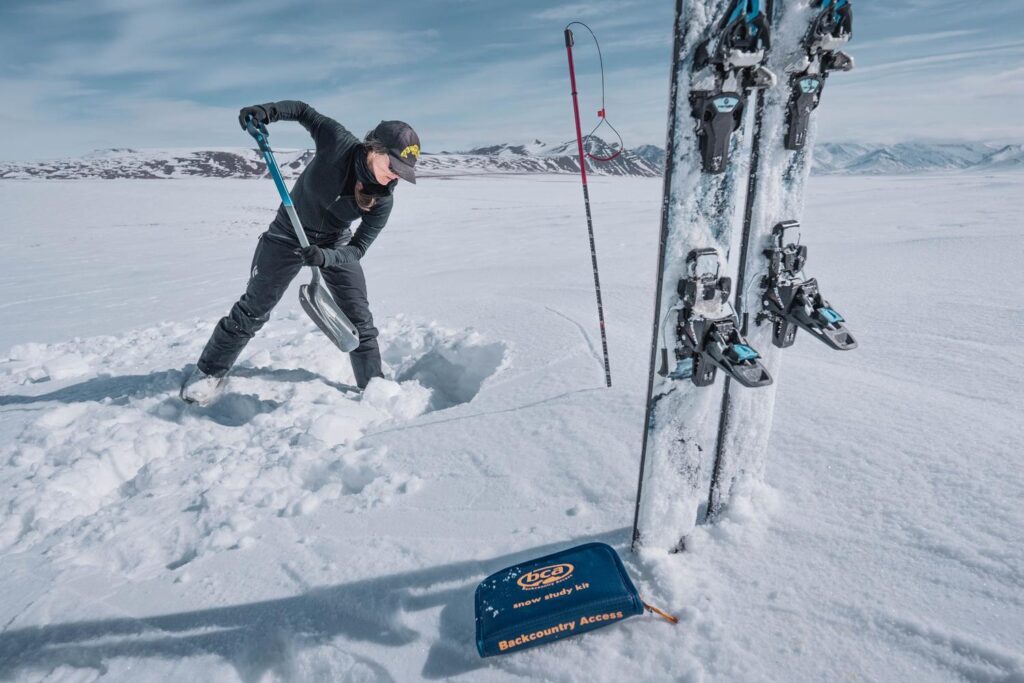
During the expedition, Dr. Gleason performed a series of snow pit analyses to compare the temperature profiles of shallow versus deep snowpacks. The findings highlighted a phenomenon known as the "insulation paradox." While fresh snow has a high albedo, reflecting up to 90% of solar radiation back into space and cooling the planet, it also acts as a thermal blanket for the ground during the long Arctic winter.
In her analysis, Dr. Gleason found that a snowpack nearly two meters deep maintained a soil-interface temperature of approximately -3°C, even when surface temperatures were much colder. In contrast, a shallower snowpack of 57 centimeters allowed the ground to cool to -10°C. The warmer temperatures beneath the deeper snowpack are high enough to allow microbial life to remain active, potentially facilitating the release of greenhouse gases even during the winter months.
This finding is particularly concerning given the current trends in Arctic precipitation. As sea ice declines, more open ocean is exposed, leading to increased atmospheric moisture and higher snowfall in certain regions of the Arctic. While more snow might initially seem beneficial for cooling the planet via reflectivity, the insulating effect may actually accelerate the thawing of the permafrost beneath, fueling a self-reinforcing warming cycle.
Supporting Data and Scientific Context
The data gathered by the POW Science Alliance team contributes to a growing body of evidence regarding the fragility of the Arctic’s "cold box." Recent studies published in journals such as Nature Communications have indicated that the Arctic is warming much faster than previously estimated, with some regions experiencing temperature increases of 0.75°C per decade.
Supporting data from the National Snow and Ice Data Center (NSIDC) shows that the extent of Arctic sea ice has been declining at a rate of approximately 12.6% per decade since 1979. This loss of ice not only changes the regional climate but also alters the "fetch"—the distance wind travels over open water—increasing the intensity of storms that bring moisture and heavy snow to the North Slope.
The flux tower at Toolik will operate as part of a larger network of sensors across the Arctic, but its placement at a thaw slump makes it a unique asset. Previous measurements have often focused on "average" tundra conditions, which may overlook the disproportionate impact of geological failures. Initial observations from the team suggest that the thermal gradient within deep snowpacks is a critical variable that must be integrated into permafrost stability assessments.
Broader Implications for Global Climate Policy
The research conducted by Dr. Gleason and Dr. Watts carries significant implications for international climate policy and carbon accounting. As nations strive to meet the goals of the Paris Agreement, the "unmanaged" emissions from thawing permafrost represent a "wild card" that could negate human-led carbon reductions.
The Protect Our Winters Science Alliance emphasizes that understanding these processes is the first step toward effective advocacy. By turning raw field data into accessible narratives, the organization seeks to bridge the gap between academic research and public policy. The mission at Toolik Field Station underscores the necessity of "boots-on-the-ground" science to validate satellite observations and theoretical models.
From a journalistic perspective, the work at Toolik represents a shift in climate reporting from "prediction" to "observation." The rapid changes on the North Slope are no longer hypothetical; they are measurable physical transformations. The installation of the flux tower provides a permanent sentinel in a landscape that is increasingly in flux, offering a window into a future where the Arctic’s role changes from a global coolant to a potential carbon source.
As the team concluded their installation and returned from the field, the mission’s success was defined by the functional deployment of the sensors. The coming seasons will yield the first full datasets, providing a clearer picture of how much methane and CO2 are escaping from the collapsing tundra. For the global community, these findings will serve as a critical update on the health of the planet’s northernmost reaches and a reminder that what happens in the Arctic does not stay in the Arctic.

