
While the iconic vistas of Yellowstone and Yosemite National Parks often capture the public imagination, a comprehensive analysis of visitor safety data reveals a surprising contender for America’s most dangerous national park: North Cascades in Washington State. Recent reporting, drawing on a detailed analysis of National Park Service visitation data conducted by a law firm, indicates that North Cascades National Park exhibits a significantly higher fatality rate per visitor than its more widely recognized counterparts. Between 2007 and 2024, the park recorded approximately 601.7 deaths per 10 million visits, a statistic that places it at the forefront of national parks by this critical safety metric, and by a substantial margin.
This finding challenges common perceptions of park safety, which often associate danger with high-profile incidents or sheer visitor numbers. However, the North Cascades’ elevated fatality rate is not a reflection of uncontrolled chaos, but rather a direct consequence of its formidable natural environment and the unique risks it presents to those who venture into its depths.

The Unforgiving Terrain of the North Cascades
The striking statistics surrounding the North Cascades’ safety profile are intrinsically linked to its dramatic and challenging geography. Described by the National Park Service as a rugged, heavily glaciated mountain landscape, the park complex is home to over 300 glaciers. This dramatic topography, characterized by steep slopes and vast ice fields, is a primary contributor to the inherent risks faced by visitors.
The park’s environment is further defined by its volatile weather patterns. Rapid temperature fluctuations, unpredictable precipitation, and severe winter conditions create a dynamic and often hazardous setting. Hazards such as avalanches, sudden flooding, trail washouts, and the powerful surge of swollen creeks and rivers are not uncommon occurrences. These natural phenomena translate into a spectrum of potential dangers for park visitors, including perilous falls from heights, the unpredictable threat of rockfall, exposure to avalanche danger, and the risks associated with cold-water incidents. The remoteness of much of the park’s backcountry also complicates rescue operations, often requiring extensive logistical planning and specialized expertise.
Understanding the Data: Per-Visit Risk vs. Raw Numbers
The stark difference in the fatality rate for North Cascades National Park can be partly attributed to its relatively lower visitation numbers compared to more established parks like Yellowstone or Yosemite. Data from the National Park Service indicates that from 2007 to 2024, North Cascades experienced approximately 448,708 visits. When a relatively small number of fatalities are distributed across a smaller visitor base, the per-visitor death rate naturally escalates.
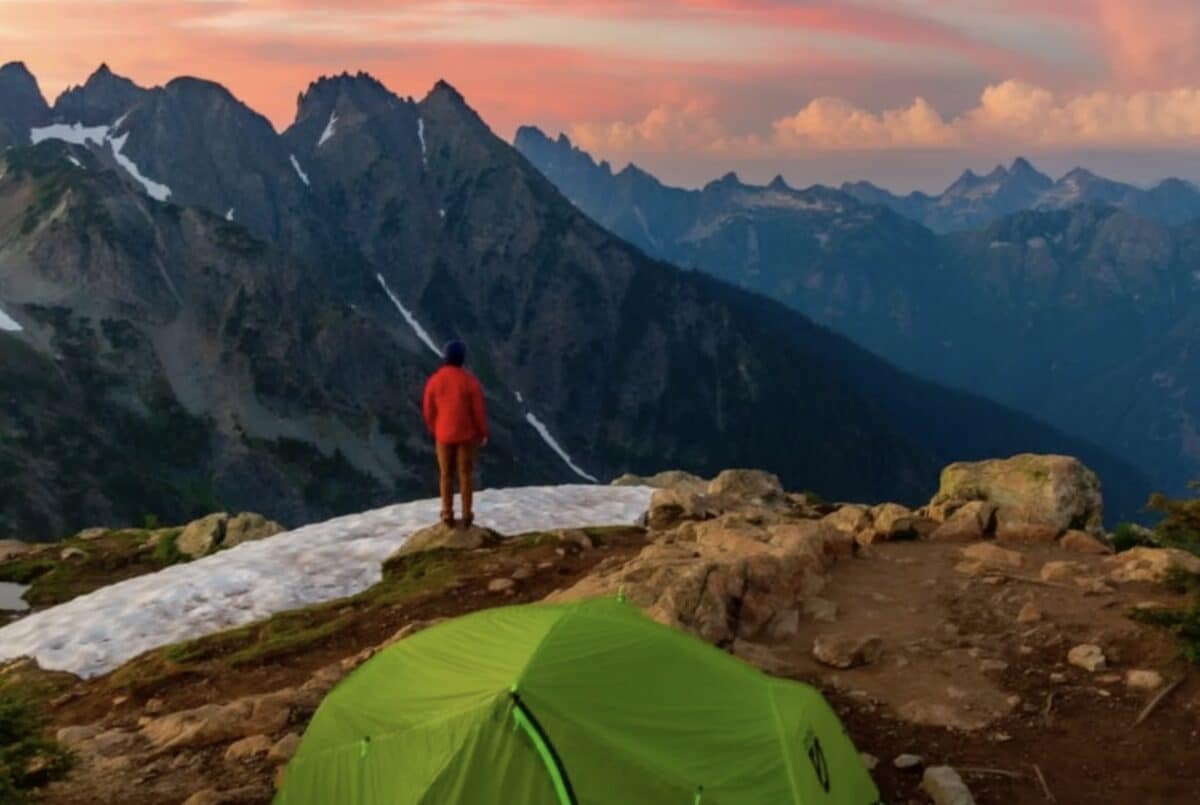
This distinction is crucial for a nuanced understanding of park safety. While parks with higher visitor numbers may record a larger absolute number of fatalities, the North Cascades’ designation as the "deadliest" by this measure highlights the risk per visit. This suggests that for every individual who chooses to explore the North Cascades, the statistical probability of a fatal incident is higher than in many other national parks. This metric serves as a critical indicator for risk assessment and highlights the need for visitors to be exceptionally well-prepared for the specific challenges of this wilderness.
A Chronology of Environmental Hazards
The North Cascades’ dangerous reputation is not a recent development but a persistent characteristic stemming from its geological formation and climatic conditions. The region, often referred to as the "American Alps," was shaped by intense glacial activity over millennia. This process carved deep valleys, sculpted towering peaks, and left behind a landscape dotted with numerous glaciers, many of which are actively retreating.
- Geological Formation: The foundational geology of the North Cascades, characterized by ancient metamorphic and igneous rocks, contributes to its ruggedness. The presence of fault lines and the ongoing tectonic activity in the Pacific Northwest also play a role in the region’s stability.
- Glacial Influence: The extensive glaciation has created steep, unstable slopes, moraines, and glacial lakes, all of which can present hazards. Crevasses within glaciers and the potential for glacial outburst floods (jökulhlaups) are significant risks in certain areas.
- Climatic Extremes: The park experiences a significant maritime climate influence, leading to heavy snowfall in winter and significant rainfall in spring and fall. This precipitation, combined with steep terrain, fuels avalanches, landslides, and debris flows. Rapid thaws can lead to dangerously high river levels and flash floods.
- Seasonal Risks:
- Winter: Avalanche danger is paramount during the winter months, particularly in the high country. Backcountry travel requires specialized knowledge and equipment to navigate snowpack instability.
- Spring: Snowmelt can lead to extreme river flows, hazardous trail conditions due to washouts, and increased rockfall activity as the ground thaws.
- Summer: While generally safer, summer can still bring sudden thunderstorms, lightning strikes, and unpredictable weather changes at higher elevations. Glacial meltwater can also contribute to dangerous river conditions.
- Fall: Variable weather patterns can persist, with early snowfalls posing a risk to unprepared hikers and climbers.
Expert Perspectives and Visitor Awareness
The implications of this data extend beyond mere statistics, underscoring the critical need for enhanced visitor awareness and preparedness in the North Cascades. Park officials and safety advocates consistently emphasize the importance of thorough planning and adherence to safety guidelines.
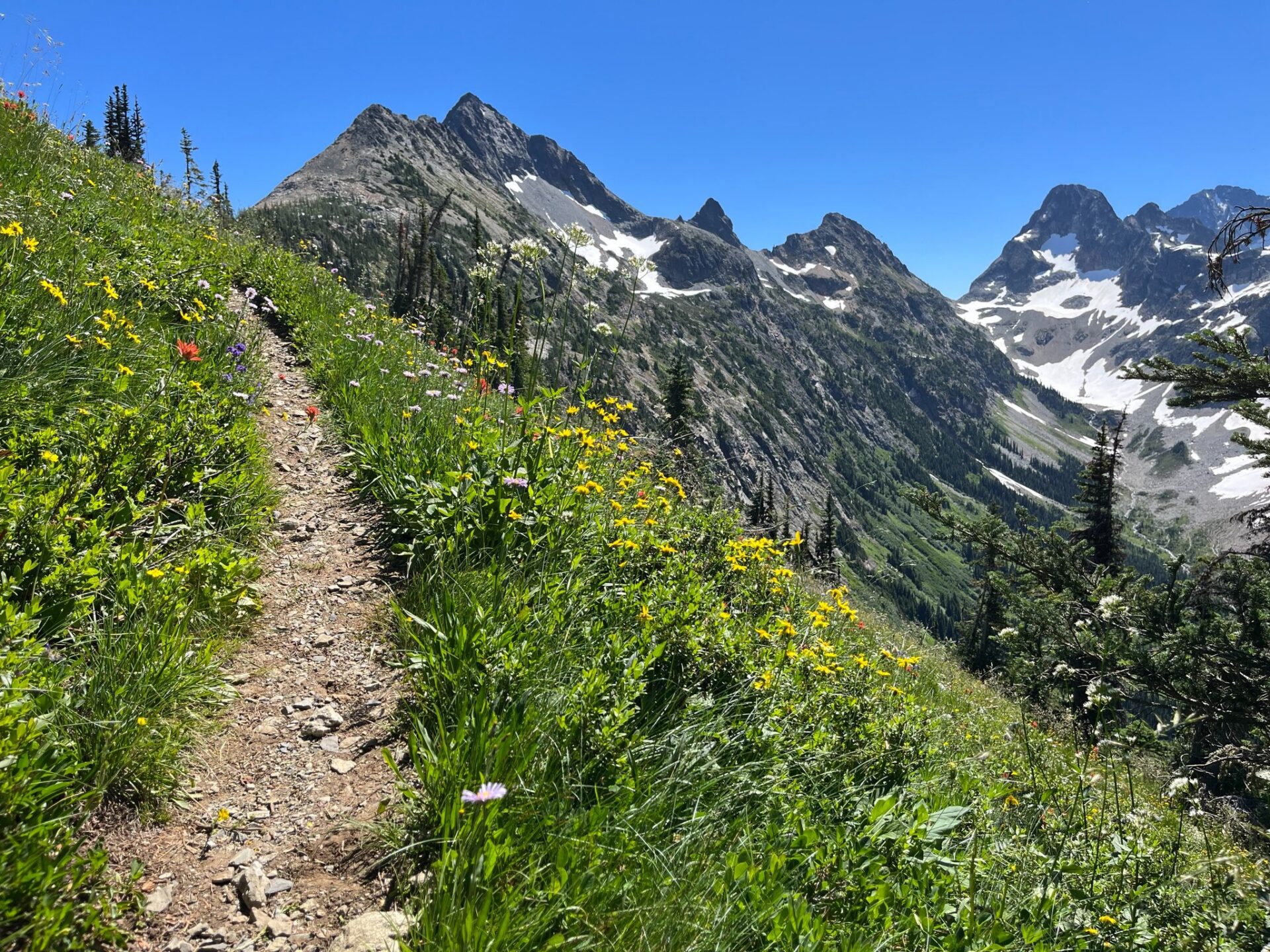
"The North Cascades are a place of profound beauty, but they demand respect," stated a spokesperson for the National Park Service, who preferred not to be named due to policy. "Our priority is always visitor safety, and this data reinforces the need for individuals to understand the unique challenges of this environment. Proper planning, appropriate gear, and realistic self-assessment of skills are not optional; they are essential for anyone venturing into the backcountry."
Outdoor recreation experts echo this sentiment. "People are drawn to the North Cascades for its wildness and remoteness," commented Sarah Chen, a seasoned mountaineer and guide. "But that very wildness means fewer established services and a greater reliance on self-sufficiency. Visitors must be prepared for self-rescue, understand route-finding in complex terrain, and be acutely aware of weather forecasts. Fatalities in parks like this are rarely due to a single, freak accident; they are often the culmination of a series of escalating risks that could have been mitigated with better preparation."
Broader Impact and Implications for Park Management
The classification of North Cascades National Park as the "deadliest" by per-visitor fatality rate has several significant implications for park management, visitor education, and resource allocation.
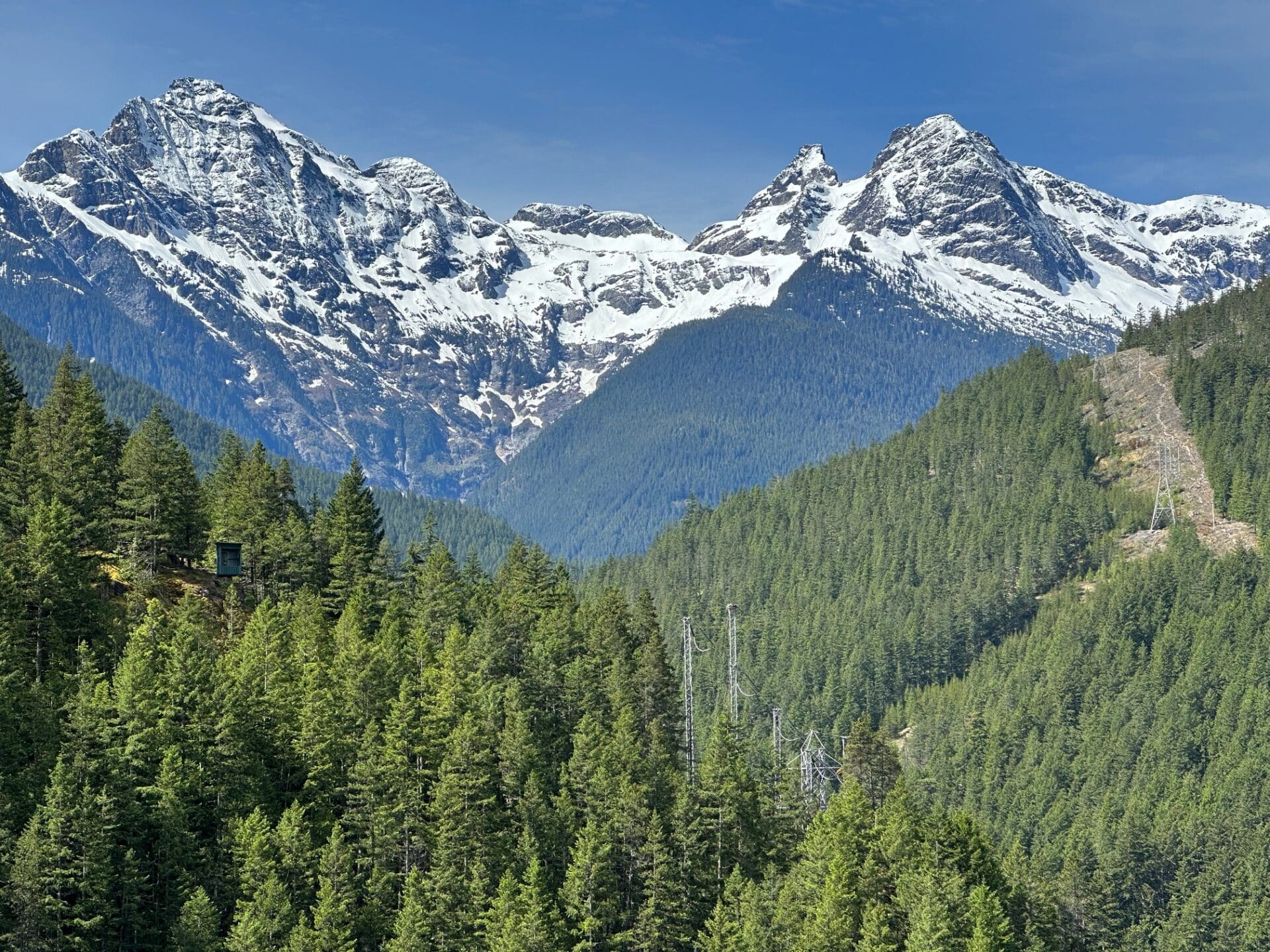
- Enhanced Visitor Education Campaigns: The National Park Service may need to intensify its outreach efforts, focusing specifically on the risks associated with the North Cascades. This could involve more targeted online content, on-site interpretive programs, and collaborations with local outdoor retailers and guide services.
- Resource Allocation for Search and Rescue: The consistently high fatality rate may necessitate a re-evaluation of search and rescue (SAR) resources. While SAR teams are highly trained and dedicated, the challenging terrain and remote locations in the North Cascades place significant demands on these operations. Investing in advanced equipment, training, and potentially increasing staffing levels for SAR units operating in the park could be a critical consideration.
- Trail and Infrastructure Maintenance: While the park’s natural character is a primary draw, understanding how infrastructure like trails, bridges, and backcountry campsites withstand the harsh environmental conditions is crucial. Regular assessments and proactive maintenance can mitigate risks associated with erosion, washouts, and structural failures.
- Data-Driven Risk Communication: The law firm’s analysis provides a valuable framework for understanding risk. This approach can be applied to other national parks to identify specific areas or activities that may pose elevated dangers, allowing for more precise and effective risk communication strategies.
- Balancing Recreation and Safety: The findings highlight the ongoing challenge of balancing access to wilderness with the imperative of ensuring visitor safety. The North Cascades offers unparalleled opportunities for backcountry exploration, but its inherent dangers must be communicated transparently to allow potential visitors to make informed decisions.
A Call for Respect and Preparedness
The North Cascades National Park, with its breathtaking beauty and formidable challenges, serves as a potent reminder of the raw power of nature. The statistical reality of its per-visitor fatality rate is not a deterrent, but a call to action for greater awareness, meticulous planning, and a profound respect for the wilderness. As visitors continue to seek out the untamed landscapes of America’s national parks, understanding the specific risks, such as those presented by the North Cascades, is paramount to ensuring that the allure of adventure does not lead to tragedy. The pursuit of the wild demands not only courage but also the wisdom to prepare for its every unpredictable turn.
The following video, featuring Landon from Topo Traveler, offers a glimpse into the remote and rugged beauty of the North Cascades, providing context for the park’s challenging environment and its appeal to adventurous souls.

