
A fishing competition off the coast of Florida recently became the scene of a heart-stopping near-miss, captured on video, where a boat participating in the 32nd Annual Spring King of the Beach Kingfish Tournament narrowly avoided a catastrophic collision with a massive freighter. The incident, which occurred on April 30, 2025, serves as a stark reminder of the inherent risks involved when recreational vessels share busy waterways with commercial shipping traffic, particularly during intense fishing events.
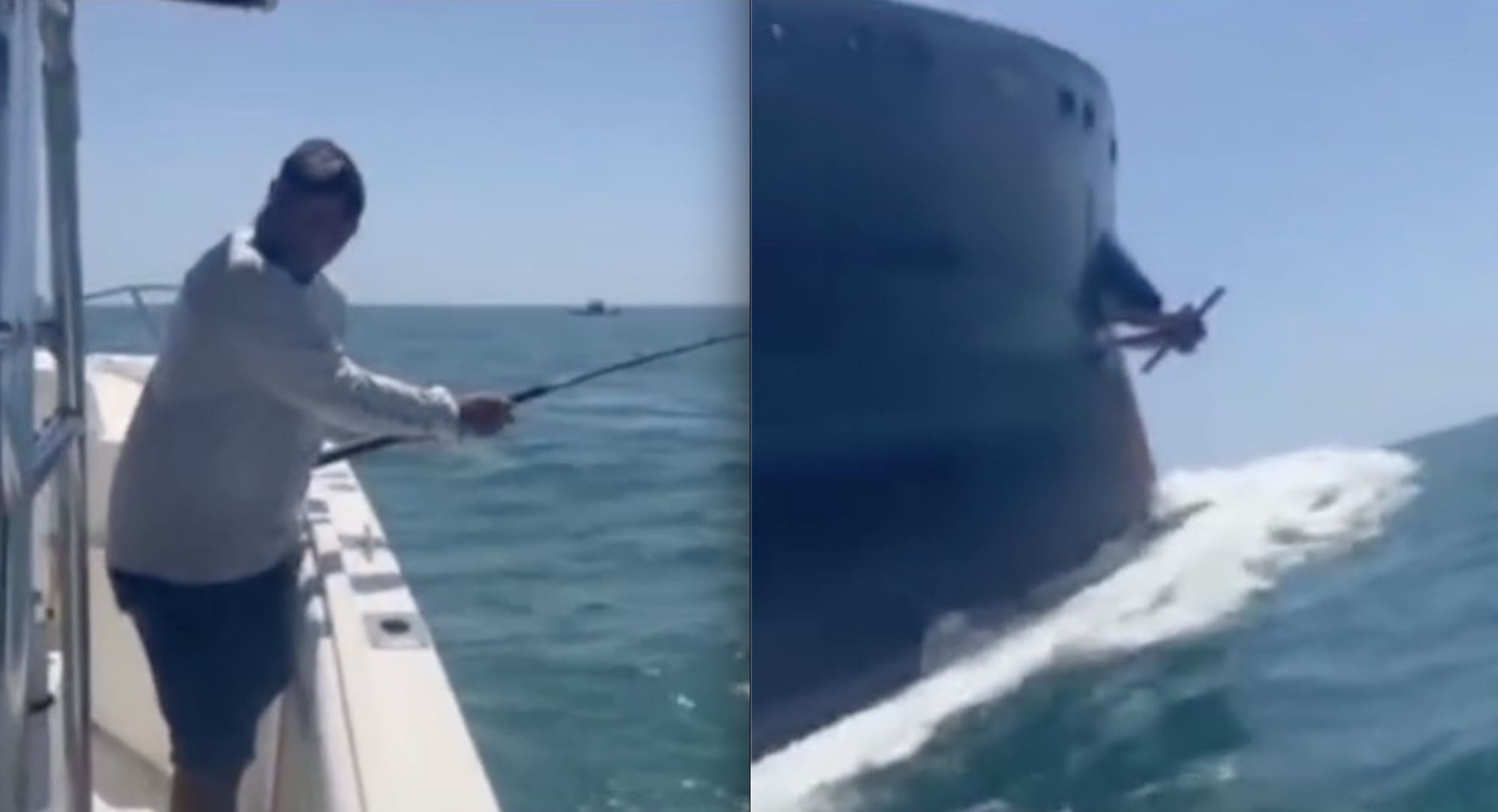
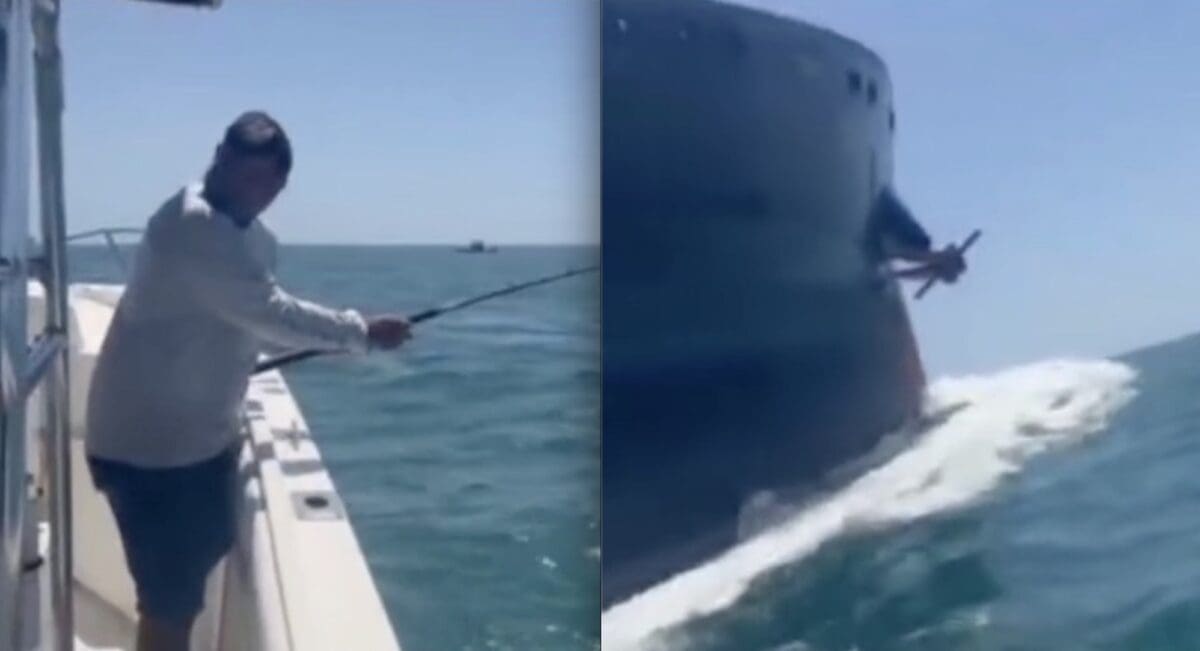
The footage, widely circulated online, depicts a fishing vessel, presumably engrossed in the pursuit of a prized King Mackerel, moments away from being T-boned by a colossal cargo ship. The agility and quick reflexes of the angler at the helm are credited with averting disaster, as he spotted the approaching freighter with what appeared to be mere seconds to spare and initiated an emergency maneuver. The close call underscores the critical importance of constant vigilance and situational awareness for all mariners, regardless of their primary activity.
Background of the Event
The Spring King of the Beach Kingfish Tournament, organized by the Old Salt Fishing Foundation, is a prestigious event in the Florida fishing calendar. The 32nd iteration of this tournament aimed to bring together teams of anglers to compete for the largest King Mackerel catches, with a minimum length requirement of 30 inches from nose to fork to be eligible for weigh-in. Beyond the competitive aspect, the tournament plays a crucial role in supporting the Old Salt Fishing Foundation’s mission. This foundation is dedicated to the creation, protection, and promotion of recreational fishing opportunities for anglers and their families throughout Florida. Proceeds generated from events like the Spring King of the Beach are channeled into these conservation and advocacy efforts, aiming to preserve and enhance the state’s rich fishing heritage.
The Incident: A Chronology of Danger
While a precise timeline of the minutes leading up to the near-miss is not publicly available, the captured video provides a chilling glimpse into the critical moments. The fishing vessel was reportedly operating in an area where it was plausible for commercial traffic to be present. The focus of the crew was intensely on their fishing lines, a common occurrence during competitive angling when a significant bite is on. This intense concentration, while understandable in the context of a tournament, appears to have led to a lapse in monitoring the surrounding maritime traffic.
The freighter, a vessel of substantial size and tonnage, was navigating its designated shipping lane. The proximity and speed of such a large ship necessitate a wide berth and constant awareness from smaller vessels. The video evidence suggests that the fishing boat was either unaware of the freighter’s approach or underestimated its speed and trajectory. The critical turning point appears to be the moment the angler, potentially alerted by a sound or a peripheral glimpse, recognized the imminent danger. The swift reaction to throw the boat into reverse, a maneuver that requires immediate decision-making and execution, was instrumental in preventing a direct impact. The image of the two vessels passing at an alarmingly close distance, with the freighter’s massive hull dwarfing the fishing boat, has become a potent symbol of the fragility of safety on the water.
Supporting Data and Maritime Safety Considerations
Maritime collisions, while not everyday occurrences, carry the potential for significant damage, injury, and loss of life. According to data from the U.S. Coast Guard, recreational boating accidents, though often less severe than those involving commercial vessels, still result in numerous fatalities and injuries annually. Factors contributing to these accidents frequently include operator inattention, excessive speed, improper lookout, and failure to maintain a proper course.
The International Regulations for Preventing Collisions at Sea (COLREGs) provide a framework for vessel navigation to avoid such incidents. These regulations stipulate the responsibilities of different types of vessels in various situations, including rules for power-driven vessels when overtaking or meeting head-on. In this scenario, the freighter, as a vessel restricted in its ability to maneuver due to its size, would likely have had priority, but all vessels are required to take appropriate action to avoid a collision. The fishing boat’s actions, while reactive, were ultimately aimed at adhering to the fundamental principle of avoiding a collision. The incident highlights a potential gap in communication or awareness between the recreational and commercial maritime sectors in certain areas.
Official Responses and Industry Reactions
As of the latest reports, no formal statement has been issued by the U.S. Coast Guard specifically regarding this incident. However, such near-misses often prompt maritime authorities to re-emphasize safety protocols and the importance of adhering to navigation rules. The Old Salt Fishing Foundation, organizers of the tournament, are expected to review the incident internally and potentially reinforce safety guidelines for future events.
While direct quotes from the involved parties are not available, it is reasonable to infer that the crew of the fishing vessel experienced a profound sense of shock and relief. The captain of the freighter, if made aware of the near-miss, would likely express concern for the safety of all vessels operating in their vicinity. Maritime safety organizations often use such incidents as case studies to educate boaters about the dangers of complacency and the necessity of maintaining a constant lookout.
Broader Impact and Implications
This harrowing near-miss carries significant implications for recreational boating safety in Florida and beyond. It underscores the critical need for enhanced education and awareness campaigns targeting recreational boaters, particularly those who frequent waters frequented by commercial traffic. Key takeaways include:
- Enhanced Lookout Procedures: The incident serves as a potent reminder that the pursuit of a catch should never compromise the essential task of monitoring the surrounding environment. This includes actively scanning for other vessels, navigational hazards, and changes in conditions.
- Understanding Commercial Traffic: Recreational boaters need to be acutely aware of shipping lanes, port approaches, and the operational characteristics of large commercial vessels, which have limited maneuverability and require substantial stopping distances.
- Technology and Communication: While not directly implicated in this specific event, advancements in radar, AIS (Automatic Identification System), and VHF radio communication can significantly enhance a vessel’s ability to detect and communicate with other craft, thereby improving overall safety.
- Tournament Safety Protocols: Fishing tournament organizers should consider incorporating mandatory safety briefings that specifically address the risks associated with operating in areas of commercial traffic, emphasizing the importance of maintaining a vigilant watch alongside the competitive focus.
- Enforcement and Education: Maritime law enforcement agencies and boating safety organizations have a continued role in educating the public about safe boating practices and enforcing regulations designed to prevent accidents.
The footage of this near-miss serves as a powerful visual testament to the potential dangers lurking on the water, even during seemingly routine activities like a fishing tournament. It is a call to action for all mariners to prioritize safety, maintain constant vigilance, and respect the inherent risks associated with sharing the waterways with vessels of all sizes. The fortunate outcome of this particular incident should not breed complacency but rather serve as a catalyst for renewed commitment to maritime safety and responsible boating practices. The continuation of events like the Spring King of the Beach relies not only on the passion for fishing but also on the unwavering dedication to ensuring the safety of all participants and the preservation of the marine environment.

