
The competitive landscape of international biathlon is undergoing a significant shift as one of the sport’s most decorated athletes, Swedish Olympian Linn Gestblom, announced on Saturday that she will step away from the circuit for the entirety of the 2026-2027 season. The 32-year-old athlete, who has been a cornerstone of the Swedish national team for over a decade, shared the news via her social media channels, confirming that she and her husband, Christian Gestblom, are expecting their first child in March.
The timing of the announcement—coming only a few weeks before the scheduled commencement of the IBU World Cup season—marks a major adjustment for the Swedish Biathlon Federation. Gestblom’s decision to prioritize her family life follows a high-intensity period in her career, characterized by consistent success at the highest levels of the sport, including multiple podium finishes at the Olympic Games.
A Career Defined by Consistency and Elite Performance
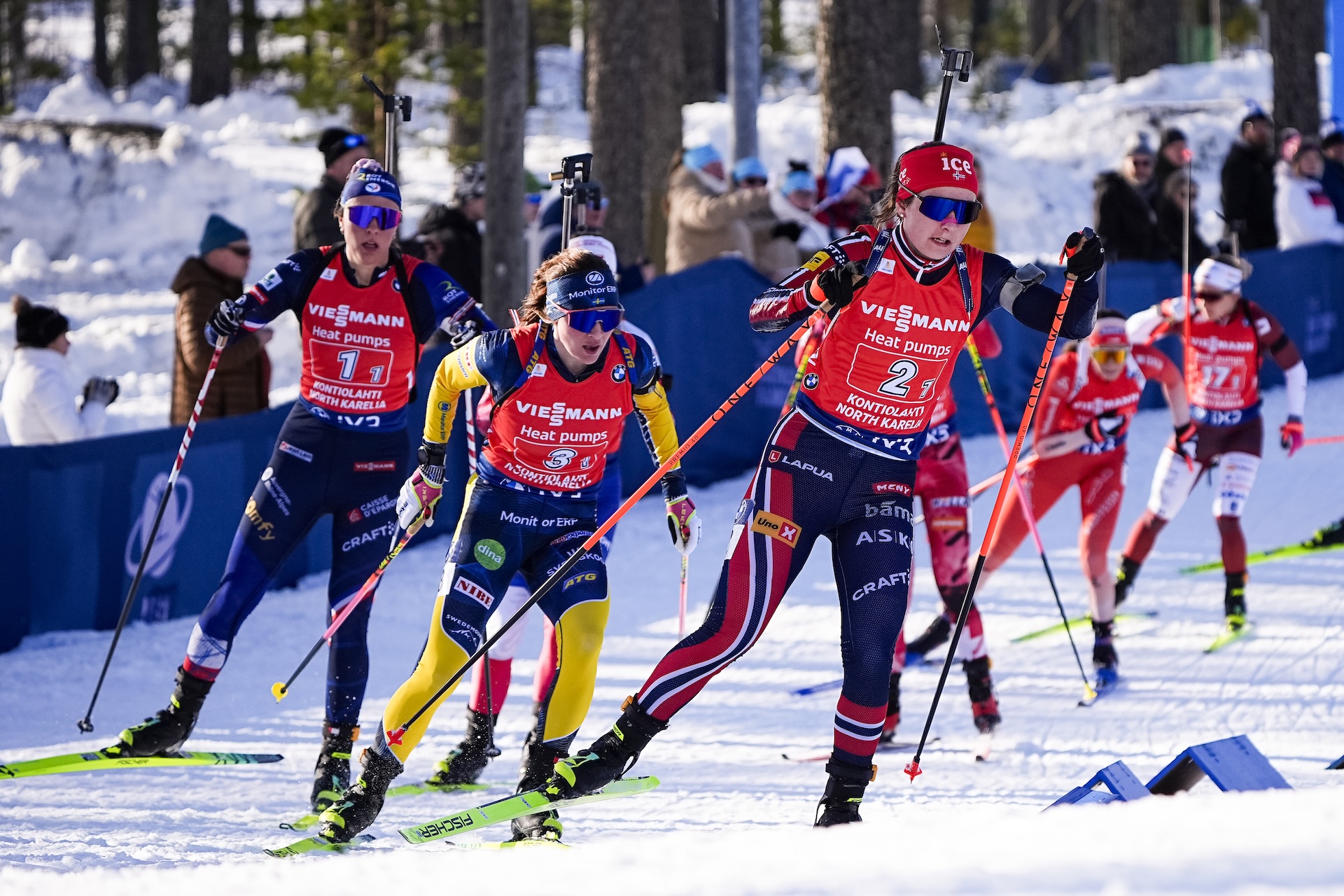
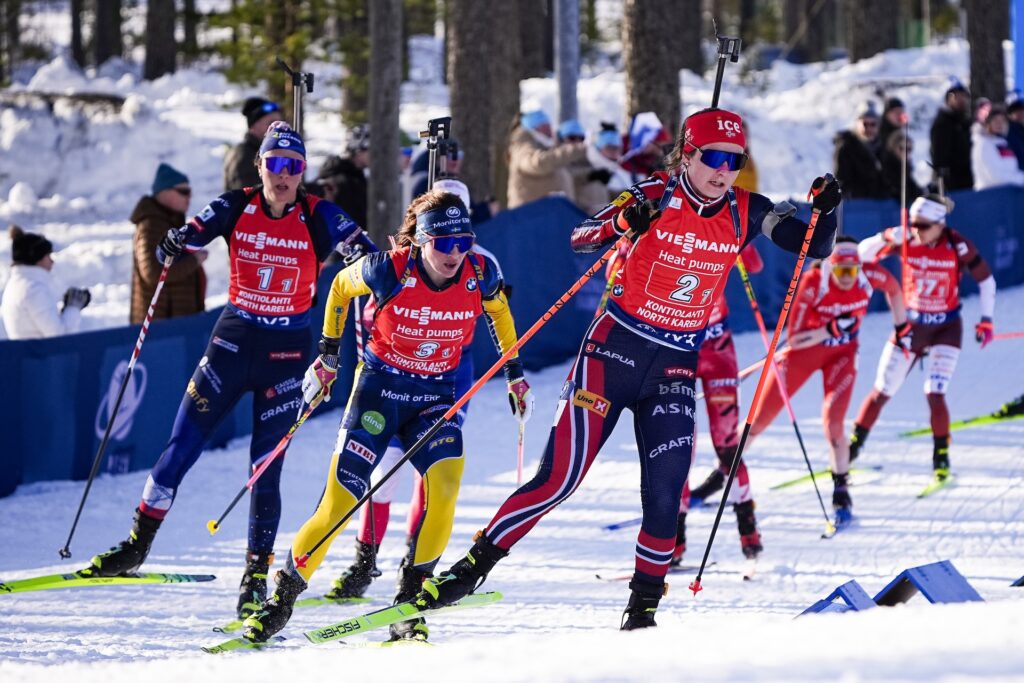
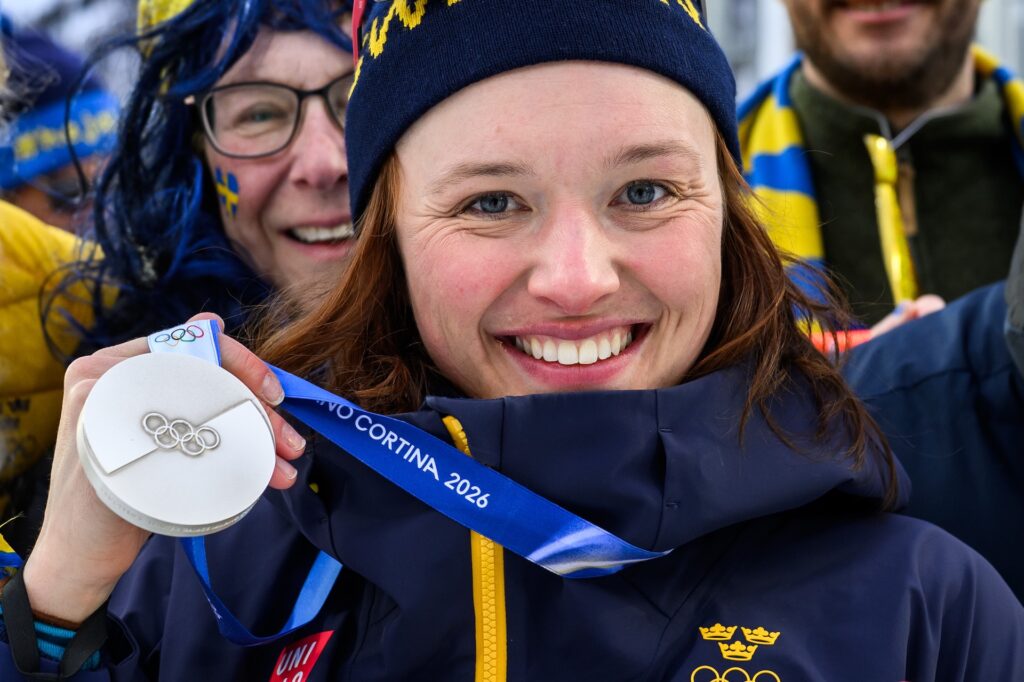
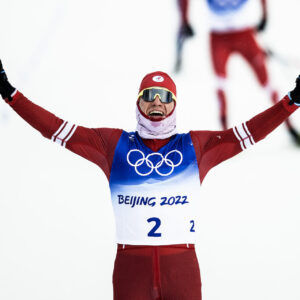
Linn Gestblom has established herself as a formidable presence in the women’s biathlon circuit, particularly in relay formats where her tactical skiing and precision shooting have frequently secured medals for Sweden. Her Olympic resume is extensive, beginning with a gold medal in the women’s 4×6 km relay at the 2022 Beijing Winter Games. Her performance in the most recent Olympic cycle, the 2026 Games in Milano/Cortina, further solidified her status as a global leader in the sport, where she secured a silver medal in the relay event.
Her absence from the 2026-2027 calendar leaves a distinct void in the Swedish squad, particularly in the lead-up to the World Championships and the remaining World Cup fixtures. Over her career, Gestblom has demonstrated a level of endurance and reliability that makes her a vital asset for any team relay configuration. Her tactical ability to maintain composure under the pressure of the shooting range has often been the decisive factor in Sweden’s success against powerhouse nations like Norway, Germany, and France.
The Growing Trend of Parental Leaves in Winter Sports
The announcement from Gestblom is part of what observers are calling a notable "baby boom" among top-tier biathletes. The physical demands of the sport, which require a year-round commitment to endurance training, altitude camps, and high-stakes travel, create a challenging environment for athletes balancing professional ambitions with family planning.
In the summer of 2026, Gestblom’s teammate Hanna Öberg—one of the sport’s most recognizable faces—also announced that she and fellow Swedish biathlete Martin Ponsiluoma are expecting their first child. This trend is not confined to the Swedish camp; Slovenian star Annamarija Lampic, who successfully transitioned from cross-country skiing to biathlon in 2022, also confirmed her pregnancy earlier this year. Additionally, the recent birth of a child to Swedish biathlete Tilda Johansson underscores a broader shift in the sport’s culture, where female athletes are increasingly feeling empowered to manage family life alongside elite competition.
From a sociological and sports-science perspective, this wave of pregnancies indicates a changing paradigm in how national federations manage the careers of female athletes. Unlike decades prior, where such a pause often signaled the end of a career, modern training protocols and post-partum recovery strategies allow many elite biathletes to return to the circuit at their previous level of performance.
Structural Implications for the Swedish National Team
The loss of both Gestblom and Öberg for the upcoming season forces the Swedish coaching staff to rethink their tactical approach for the 2026-2027 season. The team, which relies heavily on a core group of veterans to anchor its relay squads, must now identify and integrate younger talent into high-pressure roles.
The IBU World Cup circuit is unforgiving, with rankings determined by a combination of consistency and raw speed. Without two of their most experienced anchors, the Swedish team may face challenges in maintaining their standing in the Nations Cup rankings. These rankings are critical, as they determine the quota of starting spots a country receives in subsequent seasons.
Coaches will likely look to the next generation of Swedish biathletes to fill the gap. Development programs in Torsby and Östersund have been highly effective in producing talent, but the transition from the IBU Cup (the sport’s second tier) to the main World Cup circuit is a significant leap. The coming months will serve as an essential testing ground for these younger athletes to prove their mettle in international competition.
Chronology of the 2026-2027 Pre-Season Shifts
The summer and early autumn of 2026 have been defined by these high-profile personnel changes. The sequence of events reflects the volatility of professional sports, where the personal lives of athletes can rapidly alter the competitive hierarchy:
- June 2026: Initial reports emerge regarding shifts in the Swedish national team training camp dynamics.
- July 2026: Hanna Öberg and Martin Ponsiluoma publicly announce their pregnancy, signaling a significant change for the Swedish team’s winter strategy.
- August 2026: Annamarija Lampic confirms her pregnancy, marking the trend as an international phenomenon rather than a regional one.
- September 2026: Tilda Johansson shares the birth of her child, highlighting the successful navigation of maternity in the sport.
- October 2026: Linn Gestblom officially announces her withdrawal from the 2026-2027 season, providing clarity for the Swedish federation just weeks before the season opener in Kontiolahti.
Scientific and Physiological Context
Biathlon is arguably one of the most complex winter sports, requiring the extreme aerobic capacity of a distance skier combined with the fine motor control necessary for rifle marksmanship at a heart rate of 180 beats per minute. The physiological recovery required after pregnancy is extensive, and the decision to step away for a full season is a strategic move to ensure long-term health and a potential return to peak performance.
Sports medicine specialists emphasize that for athletes of Gestblom’s caliber, a full year away does not necessarily mean a loss of technical skill. Shooting technique is highly ingrained, and the endurance base can be rebuilt over several months of structured, progressive training. However, the psychological transition from the high-adrenaline environment of the World Cup to a quieter, domestic life is a factor that athletes must manage with care.
Looking Ahead: The Future of the Sport
While the immediate impact of Gestblom’s absence will be felt at the start of the season, the long-term outlook for the sport remains robust. The IBU has been active in promoting policies that support athletes during and after pregnancy, including rules regarding the freezing of world ranking points for athletes who take maternity leave. These policies were designed to ensure that returning athletes are not penalized for taking time off, providing a clear pathway for stars like Gestblom to rejoin the tour when they are ready.
Fans and analysts will undoubtedly watch the upcoming season with keen interest, not only to see who rises to fill the positions left by the departing stars but also to observe how the sport continues to adapt. The visibility of these athletes as they balance motherhood with elite competition is changing the narrative of professional sports, making it more inclusive and sustainable for long-term careers.
For Linn Gestblom, the upcoming winter will be a change of pace—moving from the tracks of Europe to the role of a spectator. While her presence on the course will be missed, her legacy remains secure, and her decision is a testament to the evolving priorities of the modern elite athlete. As the Swedish team prepares for the opening ceremonies of the World Cup, the focus shifts from individual glory to the collective effort of a team in transition, ready to meet the challenges of a new and unpredictable season.

