
As the final vestiges of the 2025/2026 ski season recede across North America, with only a select few resorts maintaining operations, the focus for many enthusiasts shifts to warmer-weather pursuits. However, for those committed to maximizing their on-mountain experience and minimizing the risk of injury, the opportune moment to begin preparations for the subsequent winter is unequivocally present. A comprehensive 35-minute workout, developed by Outdoor Adventure Training and led by trainer Mikey Bell, offers a targeted approach to enhance the physical attributes critical for skiing excellence. This routine meticulously addresses four paramount areas: balance and stability, explosive power (plyometrics), rapid response capabilities, and robust muscular and cardiovascular endurance. Each exercise within the program is deliberately chosen to directly translate to the dynamic and demanding movements inherent to a day spent navigating ski slopes.
The Foundation: Dynamic Warm-up and Neuromuscular Activation
The workout commences with a thorough dynamic warm-up, designed to progressively prepare the body for more intense activity. This initial phase includes a series of movements that promote mobility, flexibility, and muscle activation. Key exercises in this segment feature 90/90 hip rotations, which enhance hip joint mobility and stability, crucial for maintaining an athletic stance on skis. Leg swings, both forward and backward, along with lateral swings, improve hamstring and hip flexor flexibility. Walking lunges, incorporating a torso twist, engage the core and improve lower body strength and coordination. High knee hugs activate the hip flexors and glutes, while also promoting balance. Side shuffles mimic the lateral movements often required on the mountain, improving agility and coordination. Finally, inchworms, a full-body movement that combines a forward fold with a plank and a walk-out, effectively warms up the shoulders, core, and hamstrings.
Following the dynamic warm-up, the program transitions into a critical loading and plyometric phase. This segment is engineered to build the foundational strength and neuromuscular pathways essential for powerful and controlled skiing. Exercises such as stability squat jumps and weighted isometric single-leg holds are central to this phase. Stability squat jumps, while seemingly simple, challenge the body’s ability to absorb and generate force efficiently. The "stability" aspect emphasizes controlled landings and a strong core engagement, preventing excessive wobble. Weighted isometric single-leg holds, where an individual holds a squat position on one leg while bearing weight, are particularly effective in developing the proprioception and muscular endurance required to maintain balance and control on uneven terrain or during dynamic turns. This phase is vital for establishing the "mind-muscle connection" that allows skiers to react instinctively to changing snow conditions and terrain.
Building Ski-Specific Strength and Power: The Workout Circuits
The core of the 35-minute routine consists of two distinct circuits, each designed to progressively challenge the skier’s strength, power, and endurance.
Circuit One: Power, Agility, and Lower Body Strength
The first circuit is structured to build explosive power and lower body strength, directly mimicking the forces experienced during skiing. It comprises three key exercises, performed sequentially and repeated three times:
- Weighted Skier Squats: This exercise is a direct simulation of the squatting motion fundamental to skiing. Performed with a kettlebell or dumbbells held at the chest, the skier squats down, maintaining an upright posture and keeping knees aligned over the toes. The added weight increases the resistance, building strength in the quadriceps, hamstrings, and glutes. The focus here is on depth and controlled movement, with an emphasis on maintaining a low center of gravity.
- BOSU Ball Ice Skaters: This dynamic exercise targets balance, agility, and lateral power. Standing on a BOSU ball (or a stable elevated surface if a BOSU ball is unavailable), the athlete performs a lateral hop, mimicking the movement of an ice skater. The landing is soft, with the opposite leg extending back and the arms swinging for balance. The instability of the BOSU ball significantly challenges the stabilizing muscles of the ankles, knees, and hips, directly improving the proprioceptive feedback loop essential for skiing on variable terrain.
- Bulgarian Split Squats: This unilateral exercise is highly effective for building single-leg strength, balance, and hip mobility. With one foot elevated on a bench or box behind the body, the athlete performs a lunge motion, lowering the back knee towards the ground. Weighted variations using dumbbells or a kettlebell further enhance the strength-building benefits. This exercise is crucial for developing the independent leg strength and control required for carving turns and absorbing impacts.
Bell’s instruction throughout this circuit emphasizes the importance of "soft landings," a technique that involves absorbing impact through the legs and hips rather than through the joints directly. He also stresses maintaining proper knee alignment, ensuring that the knees track over the toes and do not collapse inward, a common cause of injury. Staying "low" throughout the movements is another critical cue, promoting a stable and athletic stance that mirrors the optimal position for skiing.
Circuit Two: Agility, Endurance, and Explosive Lower Body Power
The second circuit builds upon the foundation established in the first, introducing exercises that further enhance agility, muscular endurance, and explosive power. This circuit is completed twice:
- Side-to-Side Squat Jumps: This plyometric exercise focuses on explosive lateral power and rapid change of direction. The athlete performs a squat and then explosively jumps to the side, landing softly in another squat position. This is repeated for a set number of repetitions or a duration, targeting the glutes, quads, and hamstrings, while also improving ankle and knee stability during lateral movements.
- Weighted Marching Step-Ups: This exercise combines strength, balance, and cardiovascular conditioning. With a weight held in each hand or a kettlebell at the front rack position, the athlete steps onto a box or bench, driving through the heel of the stepping leg to bring the other leg up in a controlled marching motion. The emphasis is on a smooth, powerful ascent and a controlled descent. This exercise is excellent for building single-leg strength, hip flexor power, and quadriceps endurance, all vital for sustained skiing.
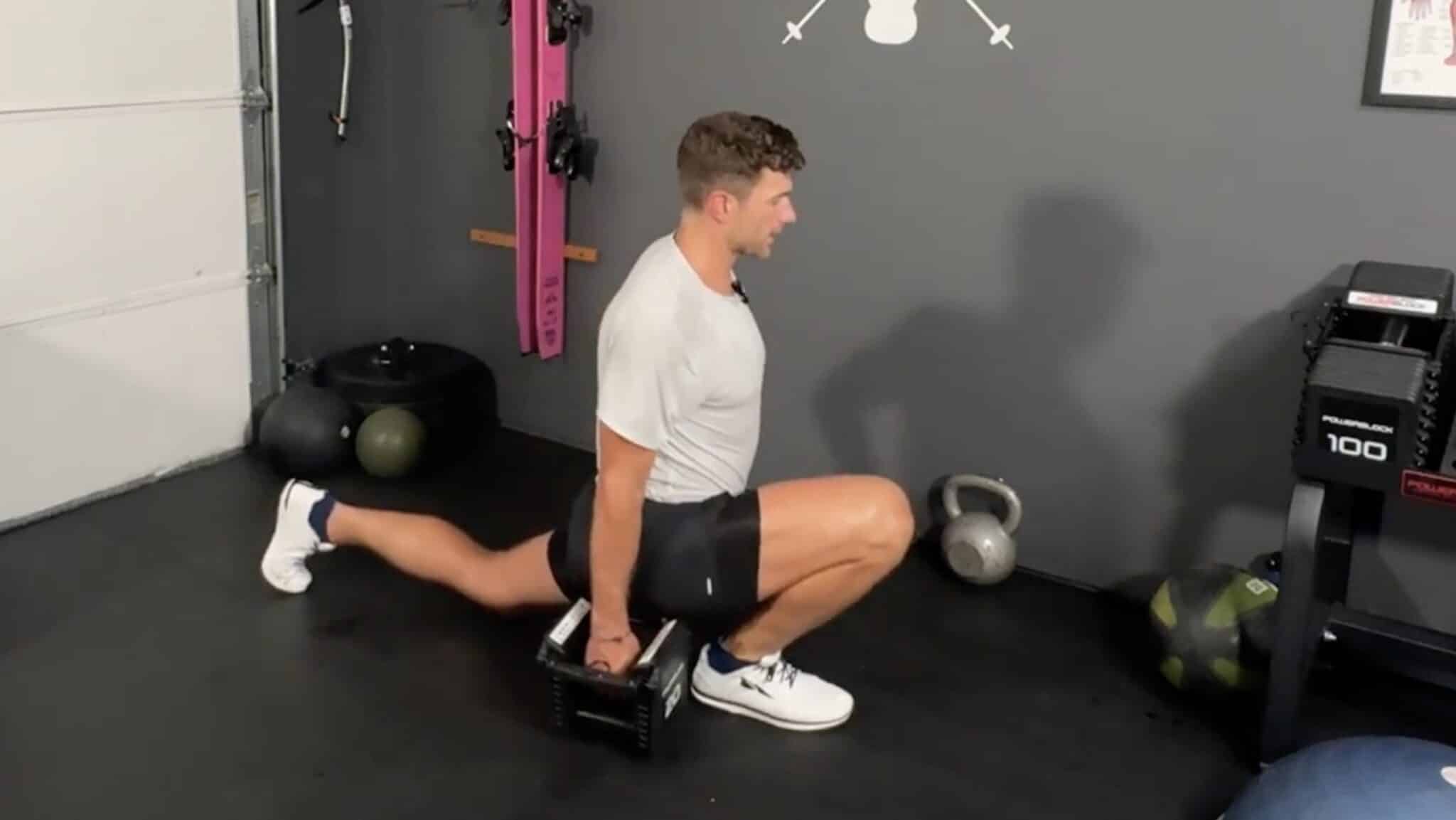
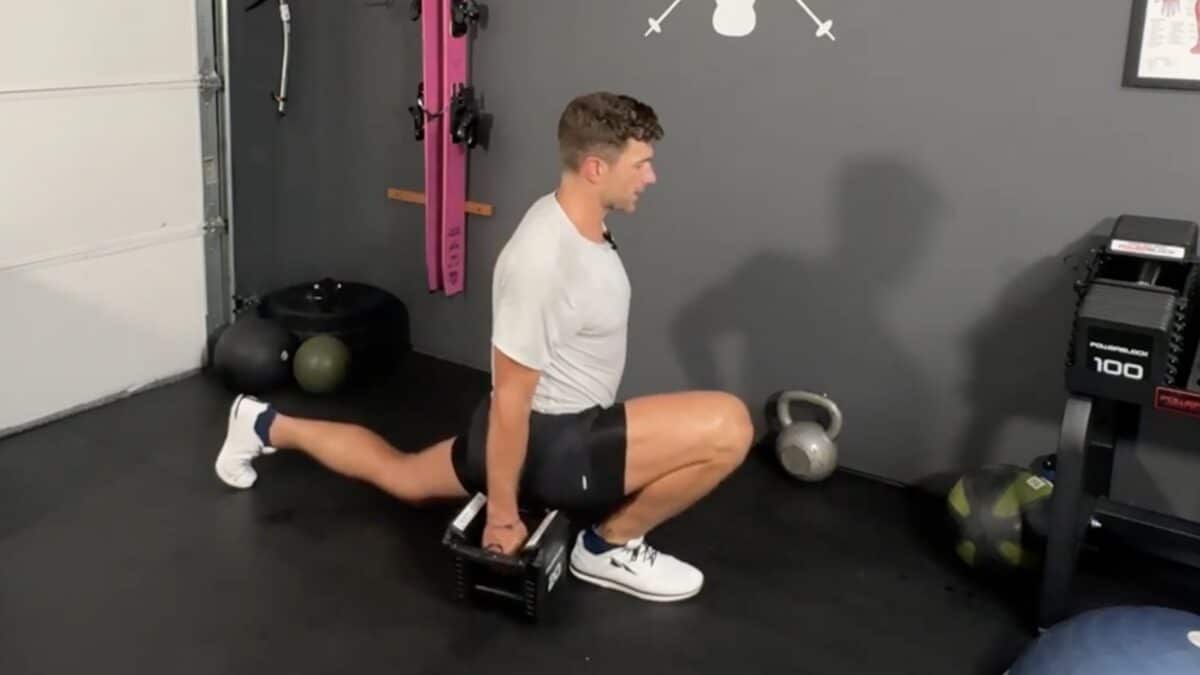
- Deep Split Squats: Similar to the Bulgarian split squat but performed on the floor, this exercise provides a deep stretch and engagement of the quadriceps, hamstrings, and glutes. The focus is on achieving a deep range of motion while maintaining control and proper form. Weighted variations are recommended to increase the strength-building stimulus. This exercise promotes flexibility and muscular endurance in the lower body, contributing to sustained performance throughout a ski day.
Equipment and Adaptability
The workout is designed to be accessible, requiring minimal specialized equipment. A box or bench is necessary for step-ups and Bulgarian split squats, while dumbbells or a kettlebell are used for weighted exercises. A BOSU ball is recommended for the ice skater exercise, but modifications can be made for individuals lacking this equipment, such as performing the exercise on a stable elevated surface or even on flat ground with an increased focus on lateral hopping. This adaptability ensures that the program can be effectively implemented by a wide range of individuals, regardless of their home gym setup.
The Importance of Off-Season Training
The rationale behind engaging in such a focused workout regime during the off-season is deeply rooted in the physiological demands of skiing. Skiing is a complex activity that requires a unique blend of strength, power, endurance, balance, and agility. Neglecting physical conditioning during the months between ski seasons can lead to a significant decline in performance and a heightened risk of injury. Data from sports medicine research consistently indicates that well-conditioned athletes are less susceptible to common skiing injuries such as anterior cruciate ligament (ACL) tears, meniscus injuries, and ankle sprains. For instance, studies published in journals like the American Journal of Sports Medicine have demonstrated a correlation between proper strength training, particularly focusing on eccentric muscle control and proprioception, and a reduction in lower extremity injuries among skiers.
Preparing for the 2026/2027 Season
As the calendar turns towards the 2026/2027 ski season, athletes and enthusiasts alike will benefit immensely from incorporating this 35-minute workout into their training regimen. By dedicating a short, yet highly effective, period to targeted exercises, skiers can build a robust physical foundation that will translate directly to improved performance, greater enjoyment on the slopes, and a significantly reduced risk of injury. The comprehensive nature of Outdoor Adventure Training’s program, covering balance, power, reaction time, and endurance, provides a holistic approach to ski preparation, ensuring that individuals are not only ready for the physical demands of the sport but are also equipped to excel. The investment in this off-season training is an investment in a safer, stronger, and more exhilarating ski season to come.

