
The Norwegian Ski Federation (NSF) has formalized a unique agreement with cross-country skiing superstar Johannes Høsflot Klæbo, granting him significantly broader latitude in promoting his personal sponsors compared to any other national team athlete. This arrangement, described by federation officials as a "pilot project," marks a departure from established regulations and underscores Klæbo’s immense commercial value and influence within the sport.
The new contract, which took effect in April following the conclusion of his previous agreement, allows Klæbo to navigate the complex landscape of sponsor endorsements with a degree of autonomy previously unseen for national team members. This deviation from standard protocol has sparked discussion within the skiing community, raising questions about fairness and the potential precedent it sets for future athlete-national federation relationships.
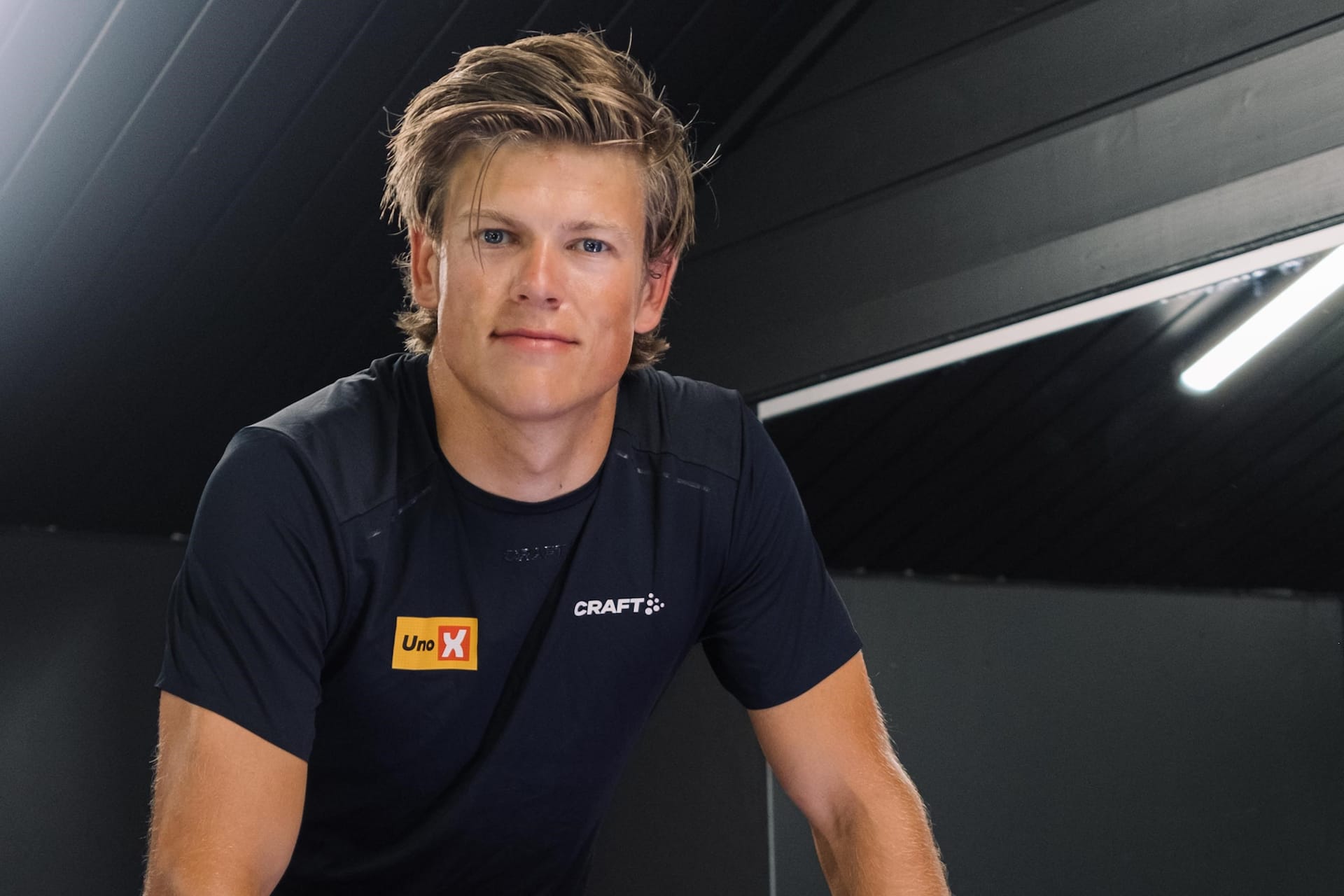
Background: Klæbo’s Dominance and Commercial Appeal
Johannes Høsflot Klæbo, a 29-year-old phenomenon, has consistently demonstrated unparalleled success on the international stage. His trophy cabinet boasts an impressive collection, including six gold medals at the 2023 World Championships in Trondheim and an equally dominant performance at the recent Winter Olympics in Italy, where he secured a perfect six out of six gold medals. This remarkable track record has cemented his status as one of the most recognizable and commercially sought-after athletes in winter sports. Consequently, sponsorship offers have reportedly been abundant, highlighting his significant marketability.
The NSF, recognizing Klæbo’s pivotal role in the sport’s appeal and its own financial stability, was keen to retain him within the national team structure. The protracted negotiations leading to the new contract reflect the delicate balance required to accommodate the aspirations of a star athlete while adhering to the operational framework of a national governing body.

Shifting the Commercial Landscape: New Rules for Klæbo
Under the revised agreement, the NSF has agreed to modify its long-standing regulations concerning sponsor promotion. Historically, national team skiers have been bound by strict guidelines. From May 1st to April 30th each year, athletes are generally required to wear federation-approved apparel and actively promote the NSF’s official sponsors at all times, irrespective of their location or activity. This means that even during training or personal time, national team members are expected to represent the federation’s commercial partners. Furthermore, any private sponsorships must not conflict with the NSF’s existing partnerships.
However, Klæbo’s new contract introduces a significant divergence. He will now have enhanced flexibility regarding when, how, and to what extent he can promote his personal sponsors. This includes the ability to choose which national team training camps he attends and to participate in non-NSF-sanctioned competition weekends. During these designated periods, Klæbo will enjoy considerable commercial freedom, allowing him to maximize opportunities with his private sponsors.

Official Justification: A "Pilot Project" for Evaluation
Cathrine Instebø, CEO of NSF Cross-Country Skiing, has characterized these adjustments as "a pilot project." She elaborated on the rationale behind this approach in a statement to VG: "We have been considering for some time how we can clarify the distinction between when an athlete is acting as a national team member and when they are not in a commercial context. Where we are now, our thoughts on this largely align with the input received from Johannes, and therefore we wanted to test this out in practice now. We view this as a pilot project that will be evaluated after the season."
This framing suggests that the NSF is open to adapting its policies based on the unique circumstances of its top athletes, particularly those whose individual brand value might exceed the standard national team framework. The "pilot project" designation implies a cautious approach, with the intention of assessing the impact of these new freedoms before potentially implementing broader changes or deciding on their long-term viability.

Analysis of Implications: Precedent and Potential Challenges
The implications of this agreement are far-reaching.
- Enhanced Athlete Power: Klæbo’s success in securing such a bespoke arrangement highlights the growing power of elite athletes in negotiating their commercial terms. In sports where individual stars can generate substantial revenue, federations may face increasing pressure to offer tailored contracts to retain their top talent.
- Fairness Concerns: The disparity in commercial freedom between Klæbo and other national team members could raise questions of fairness. Athletes who have not achieved Klæbo’s level of success might perceive the arrangement as preferential treatment, potentially leading to dissatisfaction or a perception of an uneven playing field within the national team.
- Sponsorship Conflicts: While the NSF aims to manage conflicts, the increased autonomy for Klæbo could present new challenges in ensuring that his personal sponsorships do not inadvertently undermine the NSF’s core partnerships. The clarity and enforcement of these boundaries will be crucial.
- Future Contract Negotiations: This "pilot project" could set a precedent for future contract negotiations with other high-profile athletes. If successful, it might encourage other star athletes to demand similar flexibilities, potentially leading to a more individualized approach to national team contracts across various sports.
- Brand Management: For the NSF, managing the brand image of the national team while simultaneously allowing individual athletes significant commercial freedom requires a sophisticated strategy. It necessitates clear communication and a robust framework to ensure that both the athlete’s personal brand and the national team’s brand are protected and promoted effectively.
Timeline of Events
- Past Seasons: Johannes Høsflot Klæbo achieves significant international success, including multiple World Championship and Olympic gold medals. His commercial value grows substantially.
- April 2024: Klæbo’s previous contract with the Norwegian Ski Federation expires.
- April – August 2024 (Ongoing): Negotiations for a new contract take place. Key discussions revolve around commercial freedom and flexibility for Klæbo.
- August 2024: A new agreement is reached, formalized by the NSF. The contract includes unprecedented commercial freedoms for Klæbo, which the NSF labels a "pilot project."
- Upcoming Season: The new contract provisions are set to be implemented during the forthcoming skiing season. The NSF plans to evaluate the success of this "pilot project" at the end of the season.
Broader Context: The Evolving Athlete-Federation Relationship
The trend of elite athletes seeking greater control over their careers, particularly their commercial interests, is not unique to Norway or cross-country skiing. Across various sports, athletes are increasingly leveraging their personal brands and demanding more flexible contractual arrangements. This shift is driven by several factors, including the rise of social media, the increased earning potential for individual athletes, and a greater awareness of their rights and market value.
National federations, while responsible for the overall development and governance of their sport, are increasingly recognizing the need to adapt to these evolving dynamics. Retaining top talent often requires a willingness to compromise and innovate in contractual frameworks. The NSF’s approach with Klæbo, while potentially controversial, reflects a strategic effort to maintain its competitive edge by securing the participation of its most valuable asset. The success or failure of this "pilot project" will undoubtedly be closely watched by other sports federations and athlete representatives worldwide, offering valuable insights into the future of athlete-national federation partnerships. The outcome will likely inform how similar situations are handled in the years to come, potentially reshaping the landscape of professional sports contracts.

