
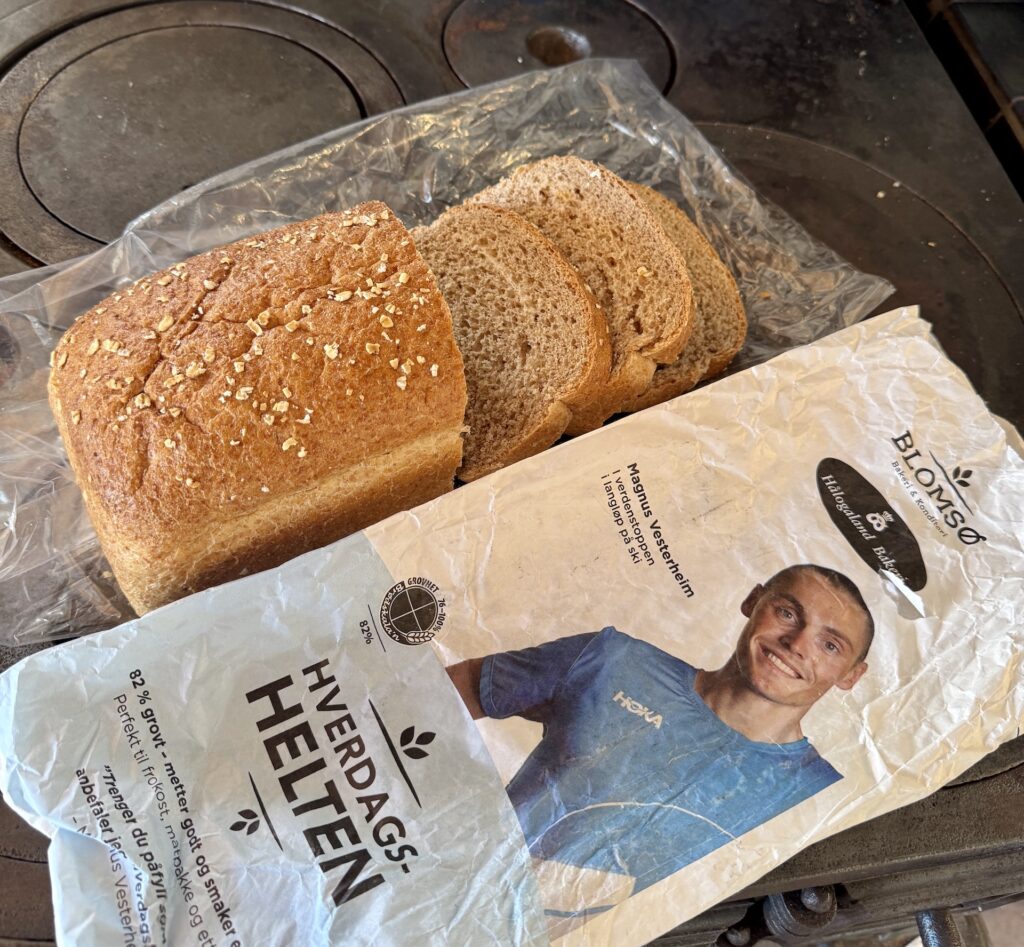
Magnus Vesterheim, a long-distance skier from Kvæfjord, has experienced a meteoric rise in his career, transforming from a consistent participant in the lower ranks to a formidable contender capable of challenging elite athletes like Johannes Høsflot Klæbo. This dramatic turnaround, which culminated in multiple podium finishes and significant victories in the recent season, is not solely attributed to a singular factor, but a confluence of strategic shifts and a unique entrepreneurial venture: his own artisanal bread, aptly named "Hverdagshelten" (The Everyday Hero).
Just a year prior, Vesterheim found himself at a crossroads, contemplating retirement from the demanding world of professional cross-country skiing. The financial and competitive pressures had taken their toll, leaving him on the verge of hanging up his skis. It was during this critical juncture that local stakeholders and community support stepped in, providing a vital lifeline. Coinciding with this period of renewed encouragement, and crucially, the week before the iconic Vasaloppet, Vesterheim launched the first batch of "Hverdagshelten," a bread he had actively participated in developing. This initiative, born out of a personal need and a desire to create a wholesome, energy-boosting food source, has inadvertently become a symbol of his resurgence.
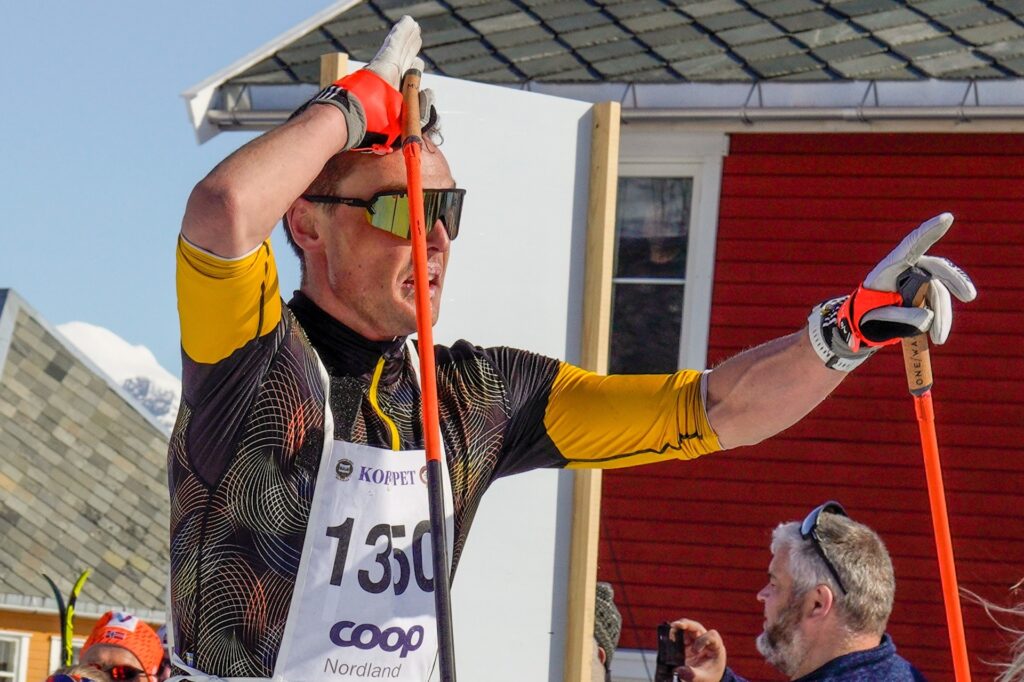
The impact of this bread, coupled with a fundamental change in his approach to nutrition and training, has been nothing short of revolutionary for the 31-year-old skier. Vesterheim’s journey from hovering around 20th to 22nd place overall in the Ski Classics series to securing fifth place and two podium finishes within a single season is a testament to this transformation. His success story was further amplified by two consecutive victories in Finland, culminating in a triumphant performance at the Kobberløpet. In this prestigious season finale, Vesterheim not only secured a commanding win but also decisively outperformed a field that included Olympic champions, most notably Johannes Høsflot Klæbo and Emil Iversen. This victory marked the first time in his career that he had achieved such a high caliber of success, signaling a significant shift in his competitive standing.
A Paradigm Shift in Training and Nutrition
Central to Vesterheim’s remarkable progression is his decision to abandon the restrictive practice of "tyning vekt," or aggressively managing his weight. This departure from a potentially detrimental approach to body composition has allowed him to build a stronger, more resilient physique. "I stopped trying to force my weight down. I’ve gained a few kilos, and I feel much better," Vesterheim stated in an interview with Langrenn.com. This perceived slight weight gain, rather than hindering his performance, appears to have provided him with the necessary power and endurance for the demanding long-distance races that define the Ski Classics circuit.
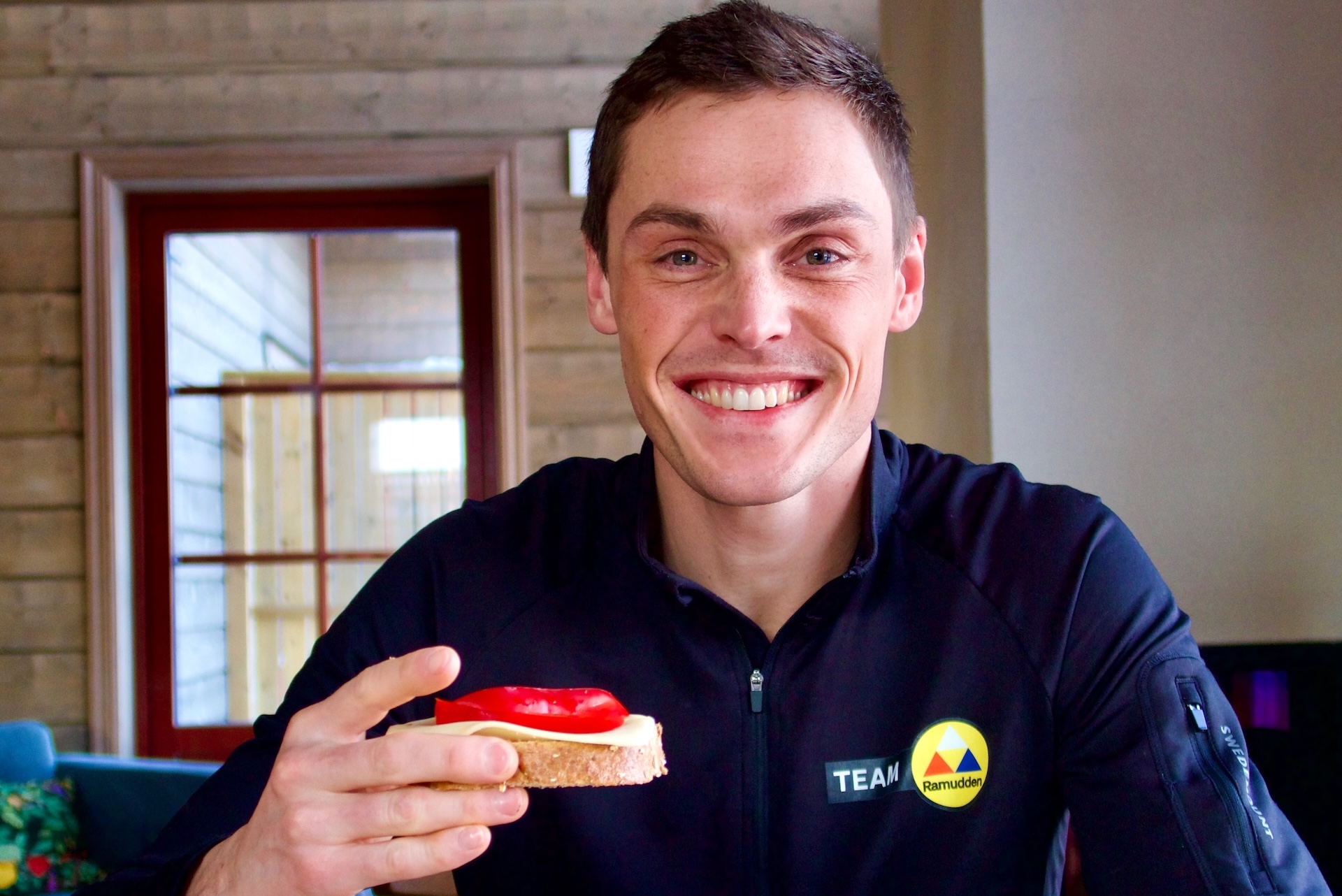
The Ski Classics, a premier long-distance skiing competition series, features some of the most challenging and iconic races in the sport, including the Vasaloppet, Marcialonga, and Birkebeinerrennet. Athletes in this series often compete over distances exceeding 50 kilometers, demanding exceptional aerobic capacity, muscular endurance, and tactical acumen. Vesterheim’s ascent within this highly competitive environment, from an under-the-radar participant to a race winner, underscores the efficacy of his revised training and nutritional strategies.
The Genesis of "Hverdagshelten" Bread
The "Hverdagshelten" bread is more than just a personal dietary supplement; it represents a multifaceted project with deep roots in Vesterheim’s local community and his vision for supporting emerging athletic talent. Collaborating with a local bakery in Harstad, Vesterheim has been instrumental in the development of a bread designed to meet the specific needs of an active lifestyle.
"It’s a cool project I have with the bakery here in Harstad where we have different goals," Vesterheim explained. "The goal with Hverdagshelten is to create a bread that tastes good and provides the body with what it needs for an active everyday life. It should be a healthy and nutritious alternative that contributes to sustained energy throughout the day for both young and old everyday heroes."
The bread’s philosophy centers on providing wholesome nutrition and sustained energy release, crucial for athletes engaged in rigorous training regimes. The ingredients are carefully selected to offer a balanced profile of carbohydrates, proteins, and healthy fats, essential for recovery and performance. This focus on quality, locally sourced ingredients reflects Vesterheim’s commitment to supporting local economies and promoting sustainable food practices.
Beyond Bread: A Vision for Athletic Development
Vesterheim’s ambitions for "Hverdagshelten" extend far beyond its role as a dietary staple. He envisions it as a catalyst for a broader initiative aimed at empowering local athletes and fostering opportunities within the sport. "In the long term, we want Hverdagshelten to be more than just a bread. The ambition is to develop it into a project where others can also profile the product and share in the revenue it generates. In this way, we hope to contribute to more local athletes seeing that there are opportunities, and that it is possible to pursue sports with Harstad as a base," he expressed with evident enthusiasm.
This forward-thinking approach highlights Vesterheim’s desire to give back to the community that supported him during his challenging period. Having personally experienced the impact of local backing, particularly after being dropped from the Team Aker Dæhlie and facing uncertainty, he is acutely aware of the importance of a robust support system for aspiring athletes. His journey from being cut from a professional team to achieving national recognition serves as a powerful narrative of resilience and perseverance.
A Unique Palate for Peak Performance
When asked about his favorite toppings for "Hverdagshelten," Vesterheim revealed a penchant for both classic and unconventional combinations. "Butter, ham, cheese, and cucumber on top is a hit! But when I’m training a lot, I often go for brown cheese, blood sausage, and honey." This latter combination, particularly the inclusion of blood sausage and honey, showcases a unique approach to pre-training nutrition, likely designed to provide a dense and readily available energy source. Langrenn.com has reportedly been promised a taste of this distinctive pre-training fuel during a future encounter, underscoring the personal and authentic nature of Vesterheim’s journey.
An Unconventional Path to Elite Skiing
Vesterheim’s path to becoming a professional cross-country skier is far from traditional. He had virtually no experience with skiing until he was over 20 years old. His initial athletic aspirations lay in football, and he later harbored ambitions of setting a world record for the fastest ski expedition across Greenland in 2015. Both of these ventures ultimately did not materialize as planned, leading him to re-evaluate his athletic pursuits.
It was after the Greenland expedition project fell through that Vesterheim decided to leverage the foundational training he had undertaken. "I had been training a bit for the Greenland trip, and it occurred to me that I might be able to become good at cross-country skiing. I had absolutely no interest in cross-country skiing until the Norwegian Championships were held in Harstad, near where I live, in 2015. When I saw the 50km race there, I thought, ‘They’re not going that damn fast.’ The reason they weren’t going that fast was simply because the conditions were terrible. But I didn’t know that, so I thought I could do that too," he recalled with a chuckle.
His initial foray into competitive skiing was a stark reality check. Vesterheim entered a few Norwegian Cup and FIS races, consistently finishing between 124th and 177th place. In the 120-kilometer Troll Ski Marathon, he was a staggering hour and a half behind the winner. "I was damn far behind," he admitted candidly.
Despite these early setbacks, Vesterheim’s resolve remained unbroken. In 2017, he made a strategic shift, focusing on long-distance skiing and the classic diagonal stride technique, often referred to as "staking." This specialization proved to be a turning point. He rapidly progressed to consistently rank among the top 10-20 skiers in races, occasionally breaking into the top 10. However, it took a full seven years of dedicated effort and refinement of his technique before the skier from Kvæfjord finally achieved his first podium finishes and victories on the elite circuit. This protracted journey emphasizes the depth of his commitment and the significant learning curve involved in mastering a discipline that demands years of specialized training and adaptation.
Broader Implications for Grassroots Sports Development
Vesterheim’s success story and his entrepreneurial venture with "Hverdagshelten" hold significant implications for the broader landscape of sports development, particularly at the grassroots level. His initiative to create a revenue-generating product that can then be used to support other athletes addresses a critical funding gap often faced by emerging talent. In many regions, including Norway, professional sports careers require substantial financial investment, making it challenging for individuals without personal wealth or corporate sponsorship to reach their full potential.
The model proposed by Vesterheim—where product sales contribute to athlete development—could serve as a replicable blueprint for other sports and communities. By fostering a sense of collective investment in athletic success, such initiatives can strengthen the bond between athletes and their local communities, creating a more sustainable ecosystem for sports participation and achievement. Furthermore, his emphasis on local production and quality ingredients aligns with growing consumer demand for ethically sourced and community-supported products, potentially creating a virtuous cycle of economic and athletic growth. The story of Magnus Vesterheim, fueled by "Hverdagshelten," is a compelling narrative of resilience, innovation, and the profound impact of community support in the pursuit of athletic excellence.

