
As the winter season approaches and the first dusting of snow begins to coat the peaks of major mountain ranges, thousands of skiers are turning their attention toward physical preparation. However, according to leading orthopedic experts, the window for ideal conditioning may have closed months ago. Dr. Kevin Stone, a former U.S. Ski Team physician and a renowned orthopedic surgeon at The Stone Clinic in San Francisco, suggests that the most effective training for the ski season does not begin in November, but rather the moment the previous season concludes. This year-round approach to fitness is increasingly viewed as the gold standard for preventing the traumatic knee and shoulder injuries that frequently sideline athletes during the winter months.
The Year-Round Conditioning Paradigm
The traditional model of "getting into ski shape" typically involves a frantic several weeks of wall-sits and lunges in the month preceding a trip. Dr. Stone argues that this approach is fundamentally flawed because it forces the body to start from a baseline of zero. Instead, the goal for any serious or recreational skier should be the maintenance of "ski-specific" muscle groups—primarily the quadriceps, hamstrings, and core—throughout the spring, summer, and autumn.
This shift in philosophy moves away from isolated, sport-specific movements toward a more holistic "total body fitness" model. Dr. Stone emphasizes that the most successful training programs are those that an athlete will actually enjoy and sustain. This includes activities such as mountain biking, trail running, or high-intensity interval training (HIIT) in a group setting. The communal aspect of training is highlighted as a significant factor in long-term adherence, which is critical for maintaining the cardiovascular endurance and muscular power required for high-altitude sports.
The Mechanics of Dynamic Movement
For those who find themselves trailing behind the ideal seven-month training window, Dr. Stone suggests a pivot toward dynamic movement. In the context of skiing, "dynamic" refers to exercises that mimic the unpredictable and multi-directional forces encountered on the slopes. While the standard squat has long been considered the "king" of ski exercises, Dr. Stone advocates for the dynamic side-to-side squat.
This movement is designed to prepare the musculoskeletal system for variations in terrain, such as moguls, crust, and heavy powder. By moving laterally, the athlete engages the stabilizing muscles of the knee and hip, which are vital for maintaining an edge and absorbing shocks. Clinical data suggests that skiers who focus on eccentric loading—the phase of an exercise where the muscle lengthens under tension—are better equipped to handle the "downward" force of skiing, thereby reducing the risk of ligamentous tears.
The Psychology of Injury Prevention
Perhaps the most overlooked component of ski safety is the mental state of the athlete. Dr. Stone notes that a significant majority of patients treated at The Stone Clinic report a "sense of something being off" immediately prior to an accident. Injuries on the slopes are rarely the result of pure mechanical failure; more often, they are the result of mental errors or lapses in concentration.
When a skier is distracted by external stressors—ranging from personal drama to deciding where to eat lunch—their reaction time and proprioception (the body’s ability to sense its position in space) are compromised. Dr. Stone asserts that muscle development alone is insufficient to protect the joints if the brain is not "in the game." Mental fatigue often sets in during the final run of the day, a phenomenon well-documented in ski safety statistics. It is during these periods of diminished focus and lower blood glucose levels that the most catastrophic ACL (anterior cruciate ligament) and meniscus injuries tend to occur.
The Role of Modern Equipment and Technology
The evolution of ski gear has fundamentally changed the safety profile of the sport. While older generations of skiers were taught that gear was secondary to technique, modern advancements in material science have made equipment a primary factor in injury prevention. Dr. Stone highlights that "old gear"—including degraded plastic in boots, crystallized bindings, and non-dampened skis—poses a significant risk to the user.
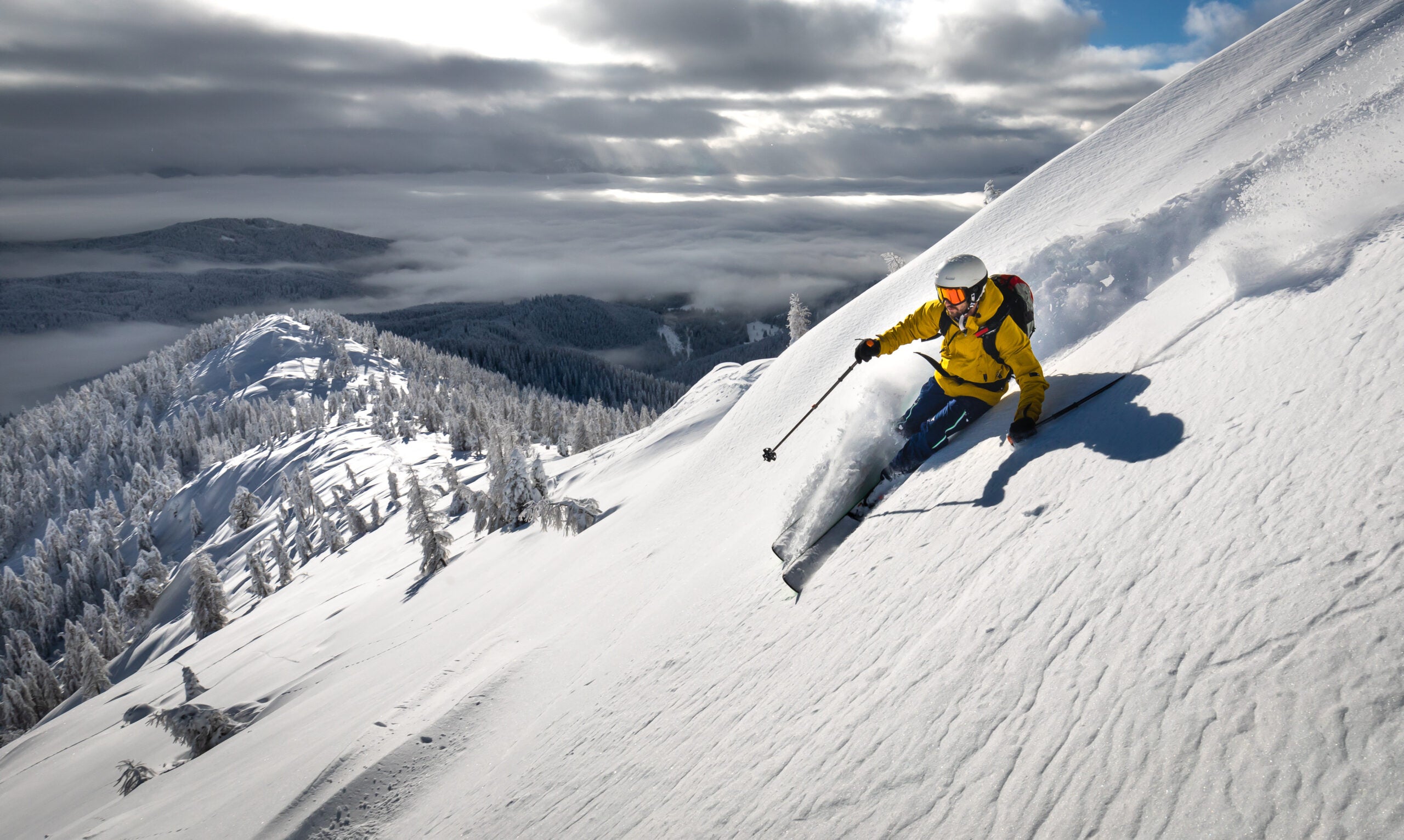
A critical shift in professional recommendations involves boot flex. For decades, the industry-standard advice was to use the stiffest boot possible to ensure maximum power transfer to the ski’s edge. However, Dr. Stone suggests that for 90 percent of the skiing population, a softer, more flexible boot is actually safer. A boot that permits a natural range of motion in the ankles and knees allows the skier to use their biological shock absorbers more effectively. This flexibility is essential for navigating modern "shaped" skis, which require different mechanical inputs than the straight skis of the 20th century.
Furthermore, the importance of binding calibration cannot be overstated. Ensuring that bindings are set to the correct DIN (Deutsches Institut für Normung) based on the skier’s weight, height, and ability level is the first line of defense against spiral fractures and ligament tears.
Age-Specific Injury Profiles and Treatment Innovations
The risks associated with skiing vary significantly across different age demographics. In younger skiers, the most common diagnoses include torn ACLs, meniscus cartilage damage, and shoulder dislocations resulting from high-velocity falls. For these patients, Dr. Stone emphasizes the importance of an early and accurate diagnosis, utilizing a combination of physical exams, X-rays, and MRIs.
When surgical intervention is required—particularly for ACL reconstruction—The Stone Clinic advocates for the use of donor tissue (allografts) rather than harvesting the patient’s own patellar tendon or hamstring (autografts). The rationale is that harvesting healthy tissue from the patient’s own knee creates a secondary "donor site" injury, which can weaken the joint and hinder the athlete’s ability to hold a firm edge on the snow.
In contrast, older skiers frequently struggle with degenerative conditions such as osteoarthritis. For this demographic, the goal is often "joint preservation" rather than replacement. Dr. Stone points to the success of biological injections, such as Hyaluronic acid (lubricants) and Platelet-Rich Plasma (PRP) or growth factors. These treatments are designed to recruit the body’s own stem cells and reduce inflammation, allowing many "bone-on-bone" patients to continue skiing well into their 80s and 90s.
The Path to Recovery: Fitter, Faster, Stronger
The medical community has observed a unique psychological drive in injured skiers. Because skiing is often viewed as a "lifestyle" or an "addiction" rather than a mere hobby, the motivation to return to the mountain is exceptionally high. Dr. Stone’s philosophy for rehabilitation is to ensure the athlete returns "fitter, faster, and stronger" than they were prior to the injury.
This is achieved through a rigorous "Prehab" and "Rehab" process that addresses the underlying weaknesses—often a lack of core strength or poor biomechanics—that led to the injury in the first place. By using the injury as a catalyst for a total physical overhaul, skiers can often extend their athletic careers and perform at a higher level post-recovery.
Broader Implications for the Ski Industry and Healthcare
The insights provided by Dr. Stone reflect a broader trend in sports medicine toward proactive, biological-based care. As the ski industry continues to grow—with millions of skier visits recorded annually in the United States alone—the economic impact of sports-related injuries is substantial. Reducing the incidence of long-term disability through better training, smarter gear choices, and advanced non-surgical treatments has profound implications for both public health and the outdoor recreation economy.
The data underscores a clear message: skiing is an inherently high-risk activity that demands a high level of physical and mental preparation. While the "seven-month" lead time may have passed for the current season, the implementation of dynamic movement, mental focus, and updated equipment can still significantly mitigate the risks. As Dr. Stone concludes, the ultimate goal is not just to survive the season, but to thrive within it, maintaining the longevity required to enjoy the mountains for decades to come.

