
The burgeoning trend of elite orienteers prioritizing forest disciplines over urban sprint events has been amplified with the announcement that veteran Swedish star Gustav Bergman will also withdraw from the upcoming World Cup sprint races. This decision follows similar pronouncements from Tove Alexandersson, the reigning queen of orienteering, and Max Peter Bejmer, last year’s World Cup winner in sprint, signaling a significant shift in strategic focus for some of Sweden’s most prominent athletes. The trend underscores a growing sentiment within the sport that the technical demands and competitive landscape of sprint orienteering, particularly on urban terrain, are no longer aligning with the training priorities and long-term career aspirations of these top-tier competitors.
Bergman Joins Exodus from Sprint Discipline
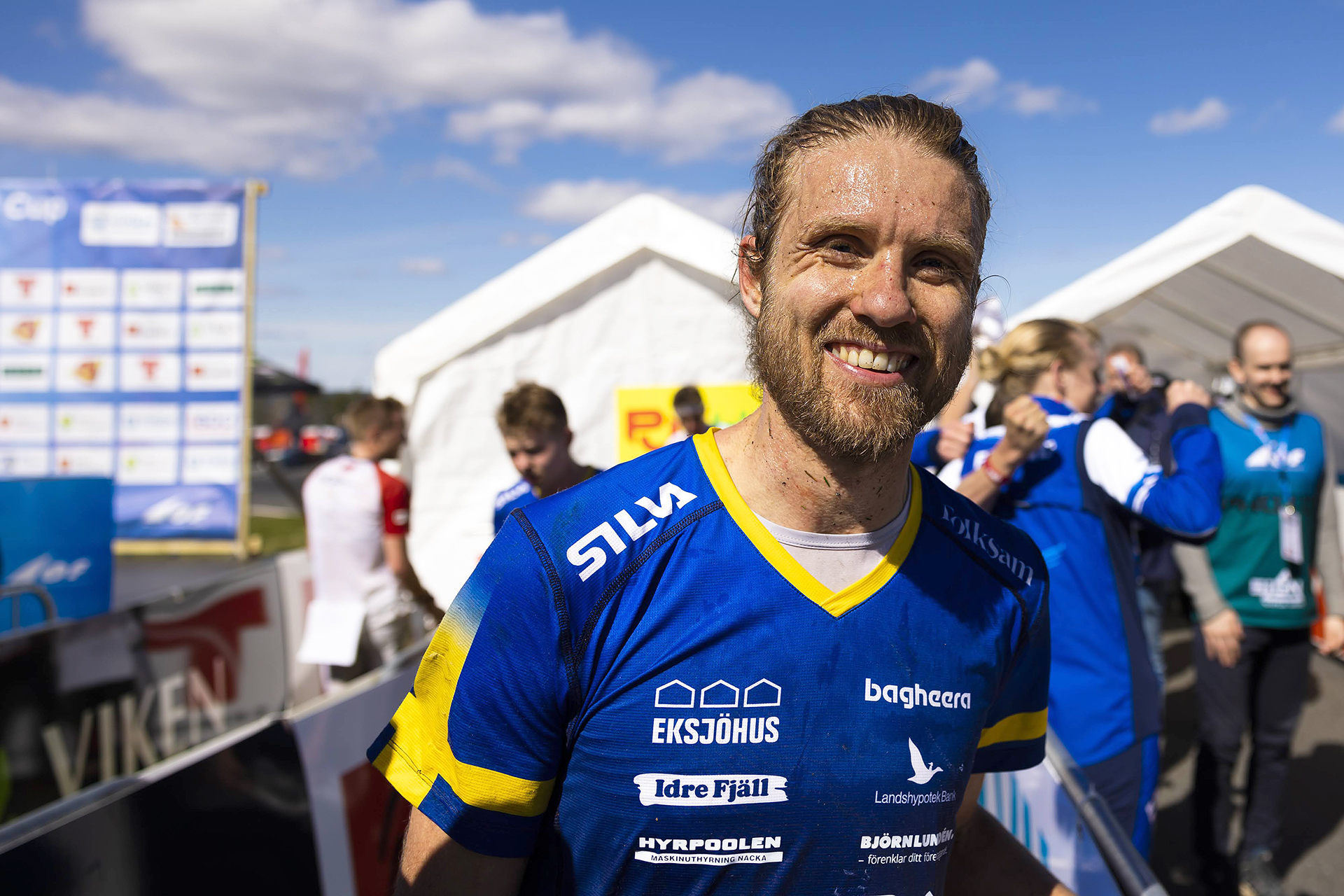
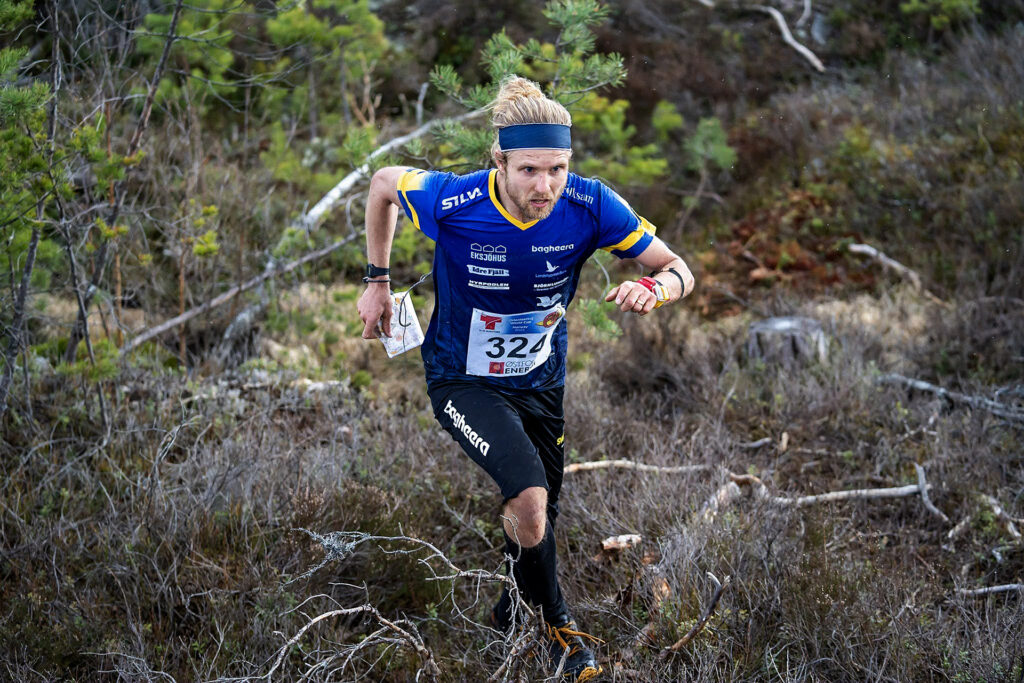
Gustav Bergman, a familiar and formidable presence in international orienteering, renowned for his distinctive ponytail and beard, has confirmed his decision to forgo the sprint events of the World Cup. This announcement is particularly noteworthy as the upcoming races are scheduled to take place in his home country of Sweden, a fact that would typically enhance an athlete’s motivation. Bergman, a member of the prominent OK Ravinen club, cited a lack of "super inspiration" for sprint orienteering at this juncture as the primary reason for his withdrawal.
"There are many occasions why I have chosen to decline," Bergman stated via social media, "but the biggest is that I don’t feel super inspired by sprint right now. I prefer to focus on good training for more enjoyable races later in the year." This candid statement reflects a deliberate strategic choice, prioritizing specific training regimens aimed at excelling in his preferred forest disciplines rather than dedicating valuable energy to events he finds less motivating. His decision suggests a calculated approach to peaking for other, perhaps more prestigious or personally fulfilling, competitions later in the season.
A Shifting Landscape in Swedish Orienteering
Bergman’s absence, alongside Alexandersson and Bejmer, represents a significant reshuffling of the Swedish national team’s sprint roster. This trend is not isolated; other high-profile Swedish athletes, including former world champion Martin Regborn, Sara Hagström, and Emil Svensk, are also missing from the sprint lineup for various reasons. Regborn is still recovering from an injury, Hagström has recently become a mother, and Emil Svensk, a bronze medalist at the previous World Championships, is sidelined due to a loose bone fragment in his foot requiring surgery.
Despite these considerable absences, the Swedish contingent is still expected to be a strong contender in the upcoming World Cup races in Lidköping and Skara. Hanna Lundberg, who secured victory in the first sprint event of the season in Locarno, Switzerland, and Sanna Fasth are identified as Sweden’s primary hopes. Both athletes were part of the gold-medal-winning World Championship relay team last year alongside Tove Alexandersson, demonstrating their caliber and potential to step into the spotlight vacated by their more experienced teammates.
World Cup Program and Swedish Aspirations
The World Cup series in Sweden is scheduled to commence on Thursday, May 28th, with a knockout sprint event. This will be followed by an individual sprint on Saturday, May 30th, and conclude with a sprint relay on Sunday, May 31st. The events will be broadcast live, offering a platform for emerging talents to showcase their skills.
The Swedish team for these events features a mix of established and developing athletes. In the women’s category, alongside Lundberg and Fasth, the roster includes Eleonora Alinder and Alva Björk for the knockout sprint, Vilma von Krusenstierna, Erika Källvik Leufvè, Karolin Ohlsson, Alva Sonesson, Elsa Sonesson, and Frida Vikström. For the men’s individual sprint, the notable names are Odin Ek, Axel Granqvist, Jonatan Gustafsson, Isac von Krusenstierna, August Möllén, Gustav Runefors, Viktor Svensk, and Albin Warvelin, with Svante Selin designated for the sprint discipline and Albin Warvelin for the knockout sprint.
The Finnish Challenge
Finland, a traditional rival to Sweden in orienteering, will also field strong teams for the World Cup. The Finnish women’s team comprises Ida Haapala, Venla Harju, Hanne Hilo, Anni Jantunen, Veera Klemettinen, Inka Nurminen, Elli Punto, and Maija Sianoja, with Inari Karppinen as a reserve. The men’s team includes Aaro Aho, Tuomas Heikkilä, Eero Heinonen, Santeri Kirjavainen, Teemu Oksanen, Aarni Ronkainen, Akseli Ruohola, and Sampo Sankelo, with Otto Kaario as a reserve. The inclusion of these athletes indicates a competitive field, even with some of the most prominent Swedish stars absent from the sprint events.
Analysis of the Trend: Prioritizing Forest Over Asphalt
The recurring theme of top orienteers opting out of sprint events, particularly those held on urban terrain, warrants deeper consideration. Sprint orienteering, with its rapid pace and technical challenges on man-made environments like city streets and parks, demands a different skill set and training regimen compared to traditional forest orienteering. While sprint events offer accessibility and spectator appeal, many elite athletes, including Bergman, seem to be re-evaluating their strategic investments.
Several factors likely contribute to this trend:
- Specialization and Training Efficiency: Elite athletes often seek to optimize their training for disciplines where they believe they can achieve the greatest success and personal satisfaction. The physical and technical demands of sprint orienteering, with its emphasis on explosive speed and split-second decision-making in complex urban environments, differ significantly from the endurance, navigational subtlety, and terrain reading required in forest races. Athletes like Bergman may find that dedicating their training time to forest-specific skills yields a higher return on investment for their overall competitive goals.
- Injury Prevention and Longevity: While all forms of sport carry a risk of injury, the high-speed, often unpredictable nature of urban sprint orienteering can lead to specific types of stress and potential for falls or collisions. For veteran athletes like Bergman, who have long careers to consider, avoiding disciplines that might pose a higher cumulative risk or require a different type of physical conditioning could be a strategic decision for longevity.
- Personal Enjoyment and Motivation: As Bergman explicitly stated, a lack of inspiration can be a powerful motivator for change. The sheer enjoyment derived from navigating complex forest terrain, the deep connection with nature, and the intricate problem-solving involved in traditional orienteering may hold a stronger appeal for some athletes than the fast-paced, often repetitive nature of sprint courses. This intrinsic motivation is crucial for sustained high-level performance.
- The "Alexandersson Effect": Tove Alexandersson’s unparalleled success across multiple orienteering disciplines, including a strong presence in both forest and sprint, has set a high benchmark. However, her preference for forest races, coupled with her dominance in those areas, might implicitly influence other athletes to focus their efforts on the disciplines where they perceive their strongest competitive advantage or personal fulfillment lies.
Broader Implications for Orienteering
The decision by multiple Swedish stars to withdraw from sprint events raises questions about the future balance and development of different orienteering disciplines. While sprint orienteering has gained popularity for its accessibility and potential to attract new audiences, a significant exodus of top talent from sprint competitions could impact the depth and competitiveness of these events.
Conversely, this trend might also underscore the enduring appeal and perceived importance of forest orienteering. It suggests that for a significant portion of the elite athlete community, the classic forest races remain the pinnacle of the sport. This could lead to increased focus and investment in developing and promoting forest-based competitions.
The International Orienteering Federation (IOF) faces the ongoing challenge of balancing the growth and appeal of all its disciplines. Understanding the motivations behind athletes’ choices is crucial for developing strategies that support athlete well-being, promote fair competition across disciplines, and ensure the long-term health and vibrancy of orienteering as a global sport. The current situation highlights a dynamic period of strategic re-evaluation within the sport, driven by the athletes themselves, as they navigate their careers and priorities in an evolving competitive landscape. The upcoming World Cup events in Sweden will undoubtedly provide valuable insights into the current state of sprint orienteering and the impact of these strategic shifts.

