
While the skiing season typically spans only half the year, sports medicine professionals and professional trainers emphasize that maintaining a state of physical readiness, or "ski shape," is a perennial requirement for both performance and safety. The physiological demands of navigating deep powder, carving through icy hardpack, and absorbing the impact of mogul fields require a specialized blend of core stability, eccentric leg strength, and lateral power. Experts suggest that the transition from a sedentary off-season to high-intensity alpine activity is a primary catalyst for common injuries, including anterior cruciate ligament (ACL) tears and lower back strains. To mitigate these risks, a structured approach to off-season conditioning—centered on specific assessments and targeted resistance training—is essential for skiers of all ability levels.

The Biomechanics of Alpine Skiing and Injury Prevalence
To understand the necessity of year-round training, one must analyze the unique stresses skiing places on the human body. Unlike running or cycling, which primarily occur in the sagittal plane (forward and backward movement), skiing requires significant mastery of the frontal and transverse planes. High-speed turns generate substantial centrifugal forces, requiring the hips and core to stabilize the trunk while the lower extremities manage independent, unilateral loads.
Data from orthopedic registries indicate that knee injuries remain the most frequent pathology in alpine skiing, accounting for approximately 25% to 45% of all reported incidents. Of these, ACL injuries are particularly prevalent among recreational skiers who lack the muscular endurance to maintain proper form as fatigue sets in during the latter half of a ski day. Furthermore, the "seated" athletic stance required for skiing places immense pressure on the lumbar spine and the erector spinae muscles. Without a robust core and posterior chain, the spine is forced to absorb vibrations and shocks that should ideally be dissipated by the musculature.
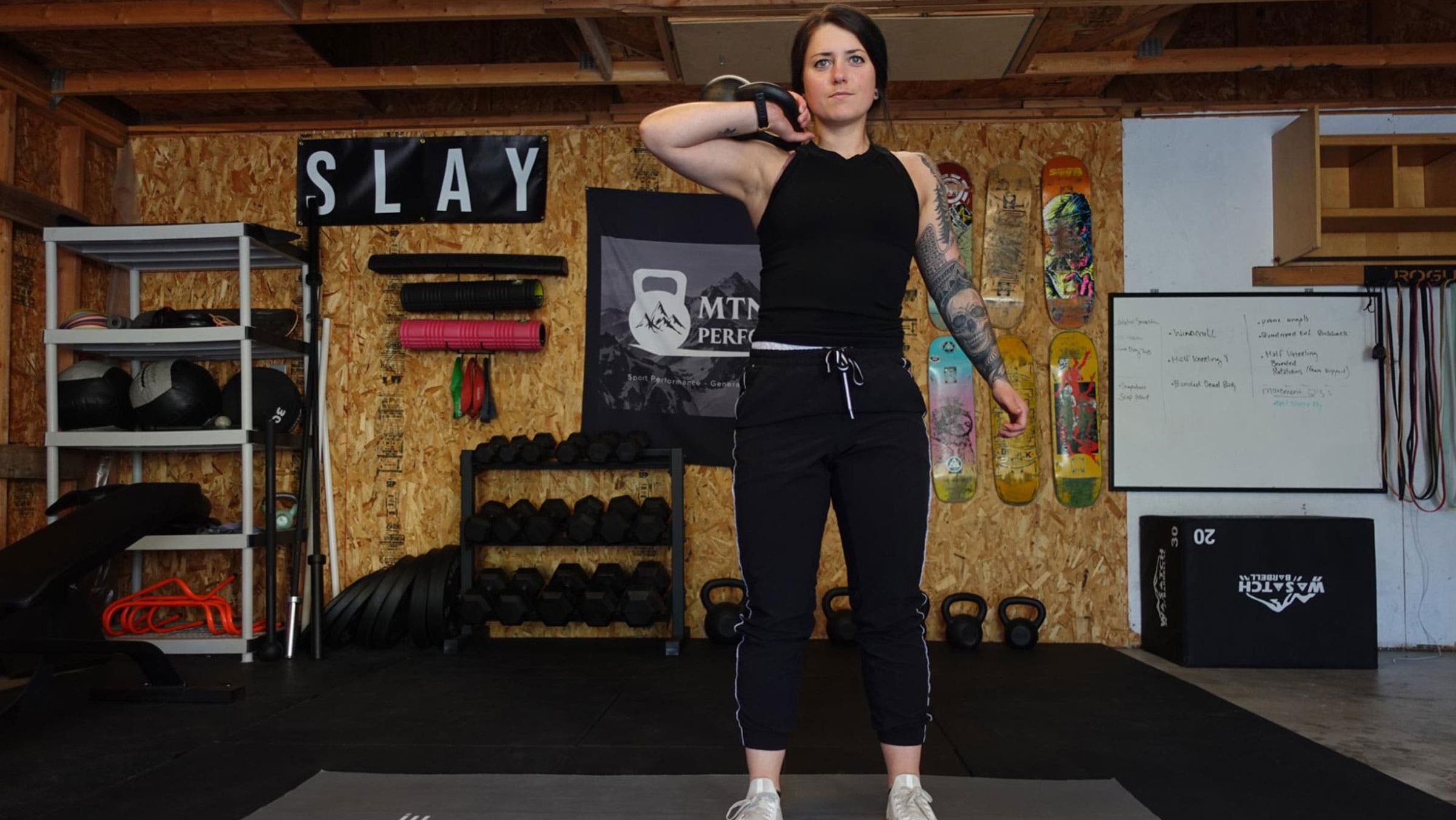
The Side Plank Assessment A Diagnostic Tool for Functional Stability
Before embarking on a rigorous conditioning program, athletes must assess their current baseline. Fitness professionals frequently utilize the side plank test as a primary diagnostic tool for skiers. This exercise is not merely a test of isometric endurance; it is a functional assessment of the kinetic chain, specifically evaluating the integration of the obliques, transverse abdominis, and hip abductors.
In a professional setting, the side plank test is performed by lying on the side with the elbow positioned directly beneath the shoulder and legs stacked. The athlete lifts their hips to create a straight line from head to toe. To test for "ski-specific" stability, the individual must flex the top foot and lift it to hip height, holding for one second before lowering it with control.
The assessment concludes when the shoulder collapses, the hips sag, or the stacked alignment of the body is lost. Clinical observations suggest that an average recreational skier can typically complete five controlled leg lifts per side before form degrades. However, the benchmark for "ski-ready" status is 10 to 15 repetitions per side. Failure to meet this benchmark indicates a deficiency in the lateral stabilizers, which significantly increases the risk of the knees "collapsing" inward during a turn—a common mechanism for ligamentous injury.
A Chronology of Off-Season Conditioning
The transition from the final spring thaw to the first winter snowfall should follow a logical progression of physical development. Sports scientists recommend a periodized approach to ensure the body is peaked by opening day.
- The Recovery Phase (Late Spring): Focus on mobility, addressing joint stiffness accumulated during the season and rehabilitating minor soft-tissue "niggles."
- The Hypertrophy and Foundation Phase (Summer): This is the period for building raw muscle mass and correcting bilateral imbalances through unilateral exercises.
- The Power and Agility Phase (Autumn): As the season approaches, the focus shifts to explosive movements, plyometrics, and high-intensity interval training (HIIT) to simulate the cardiovascular demands of long descents.
- The Maintenance Phase (Winter): Shorter, focused sessions designed to maintain strength without inducing excessive fatigue that could impair performance on the slopes.
The Core Five Essential Exercises for the Off-Season
To build a resilient "ski-ready" physique, trainers recommend five specific movements that target the muscle groups most critical for alpine performance.
1. Lateral Lunges for Frontal Plane Strength
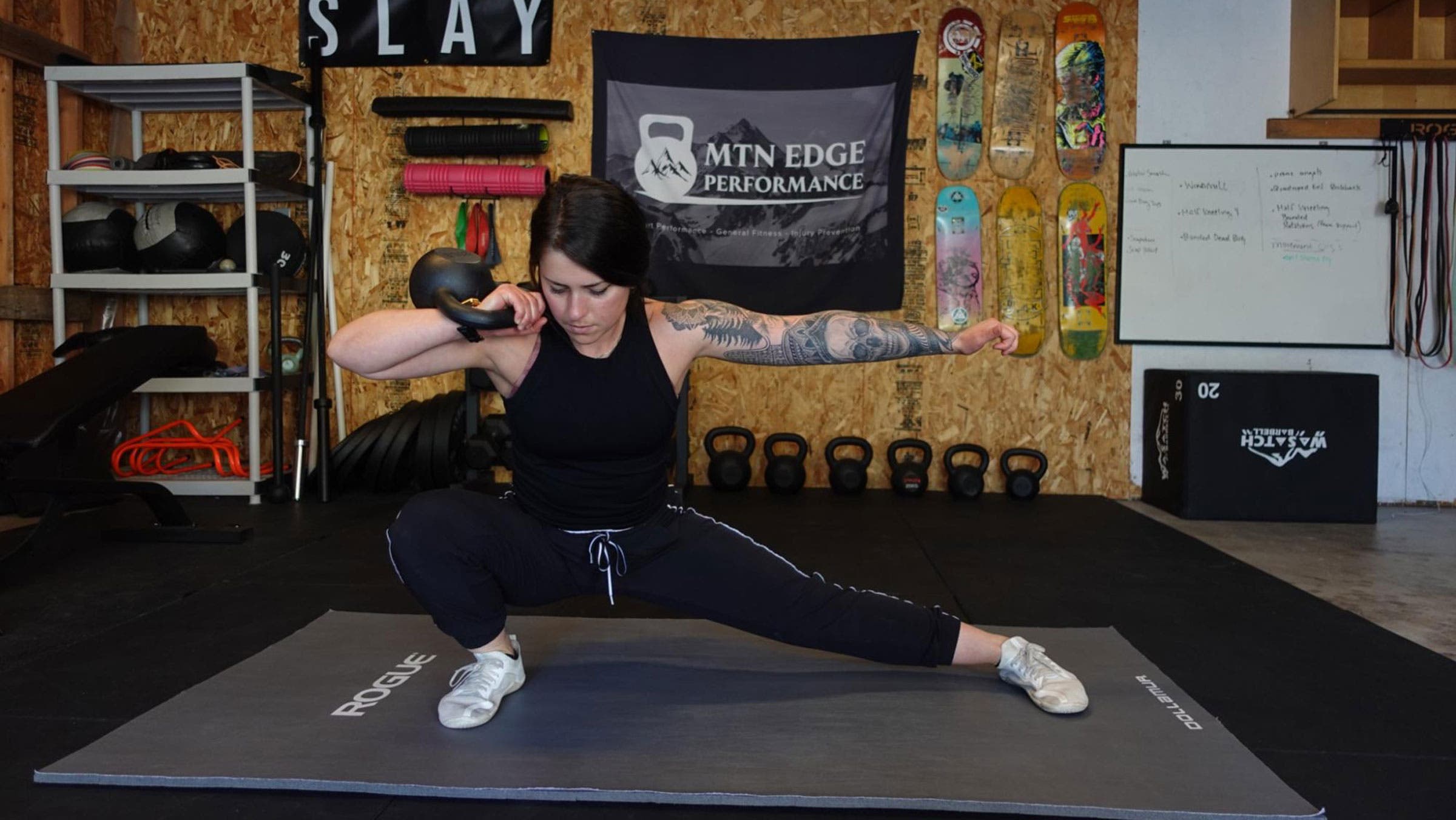
While standard lunges are beneficial, the lateral variation is superior for skiers because it mimics the side-to-side weight transfer inherent in carving. This movement strengthens the gluteus medius and the adductors, which are essential for edge control.
- Execution: Step out wide to one side, keeping the trailing leg straight and sitting the hips back as if sitting into a chair. The chest should remain upright.
- Progression: Advanced practitioners can hold a kettlebell in the front-rack position to further challenge the core and upper back.
2. Step-Ups for Unilateral Power
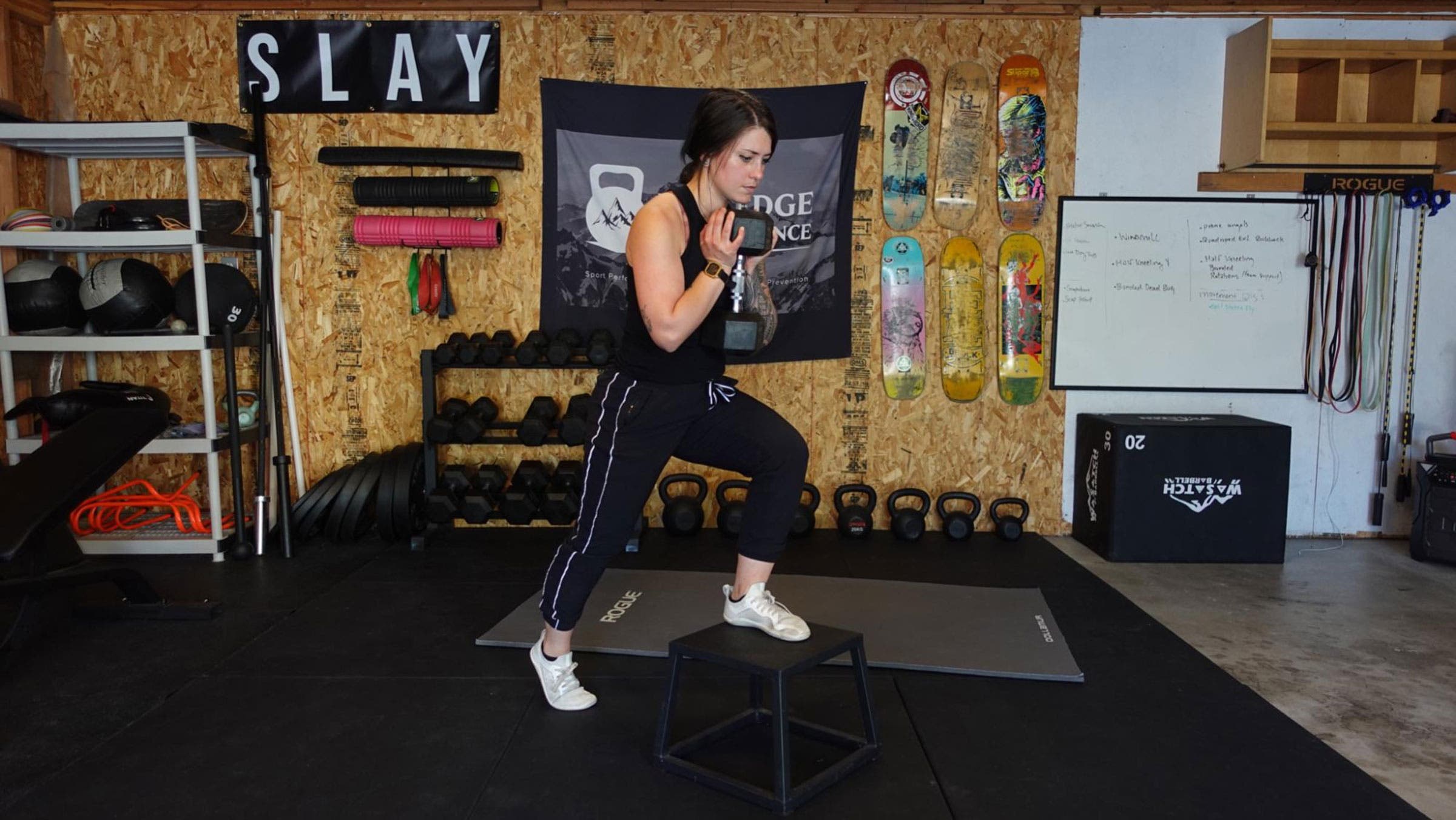
Skiing is essentially a series of unilateral movements; rarely are both legs under equal load simultaneously. Step-ups eliminate strength imbalances between the dominant and non-dominant leg.
- Execution: Using a box or bench at knee height, drive through the heel of the elevated foot to stand tall. The descent should be slow and controlled to emphasize eccentric strength.
- Significance: This builds the "quadriceps endurance" required to maintain a tuck or navigate a long mogul field without the burning sensation caused by lactic acid buildup.
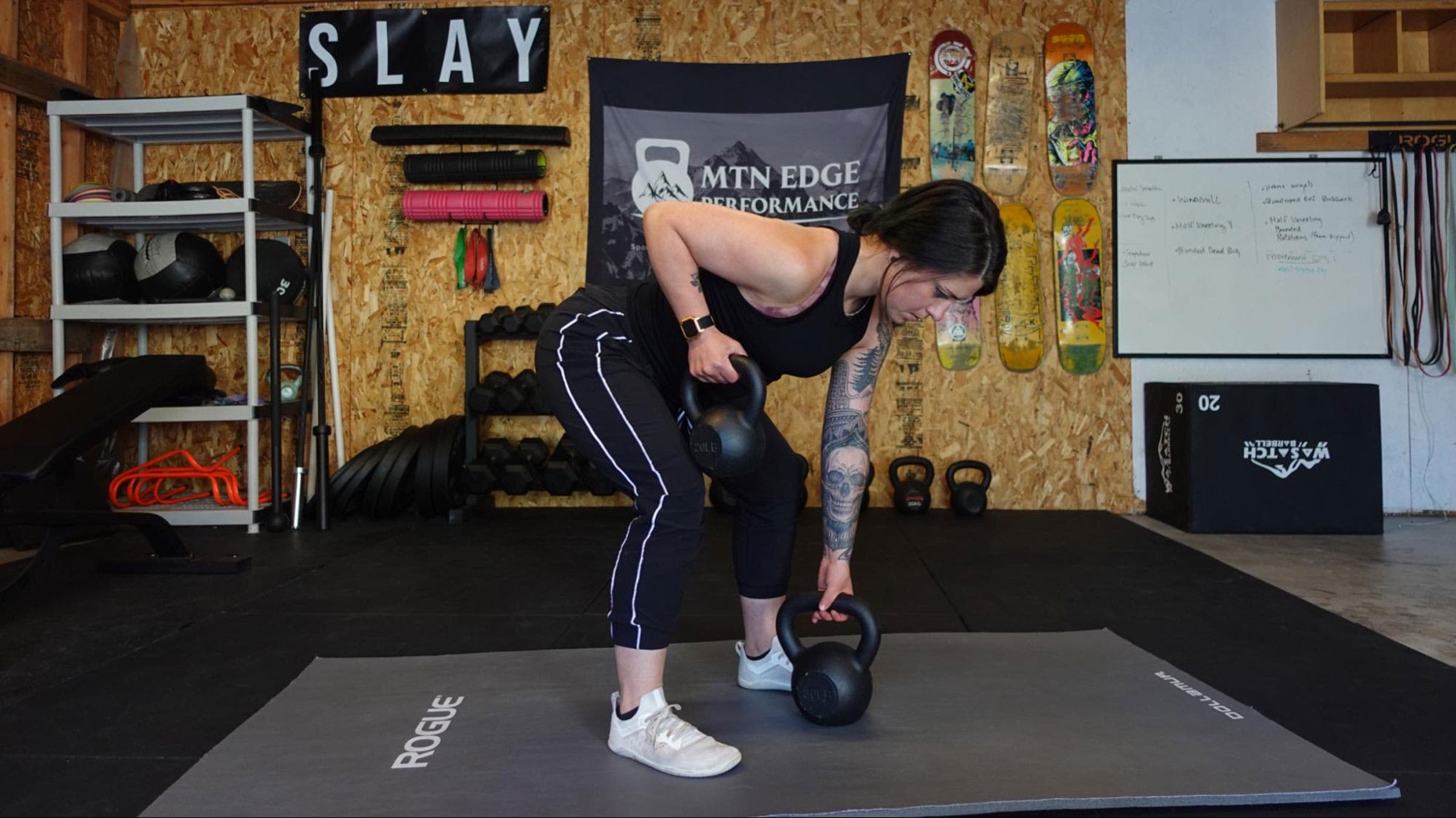
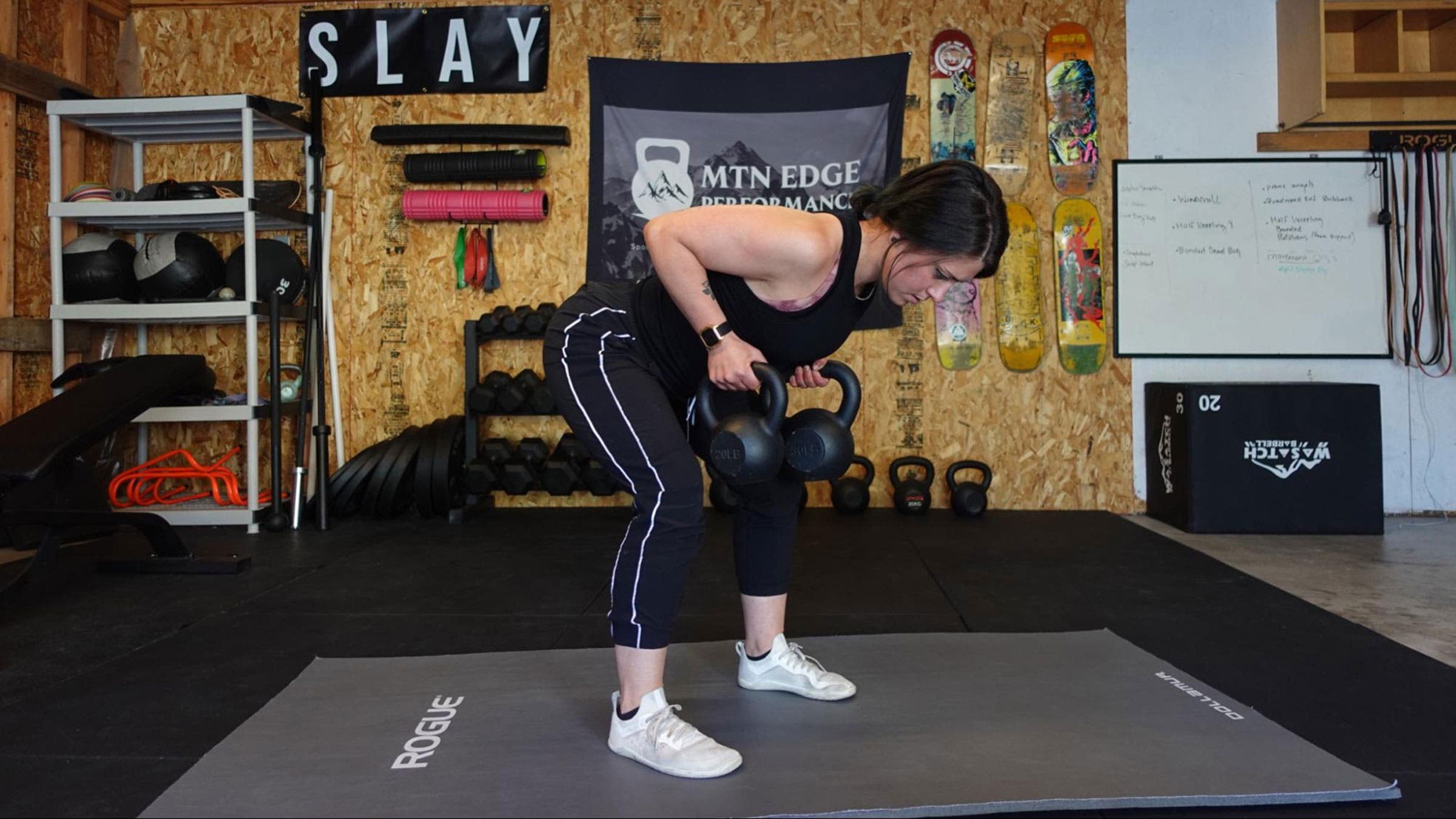
3. The Gorilla Row for Spinal Protection
The Gorilla Row is a specialized compound movement that targets the lower back and the erector spinae. These muscles act as the body’s natural shock absorbers.
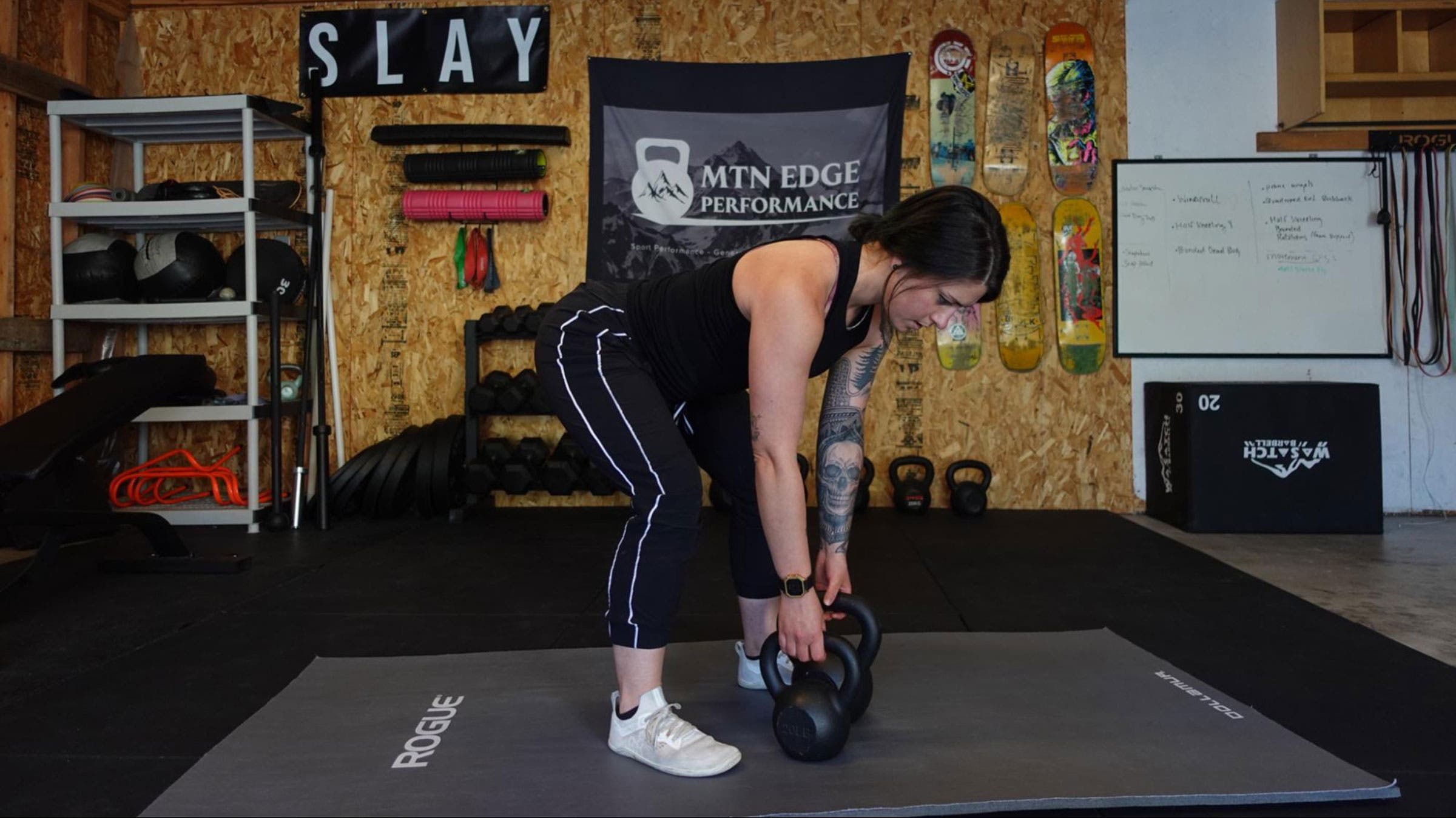
- Execution: Standing over two kettlebells with a wide stance, hinge at the hips until the back is flat. Row one weight to the hip while the other remains grounded, alternating sides.
- Significance: This exercise trains the body to maintain a rigid, protected spine while the limbs are in motion—a direct simulation of the "athletic stance" used in high-speed skiing.
4. The Suitcase March for Dynamic Stability
This exercise focuses on "anti-lateral flexion," or the ability of the core to resist being pulled to one side.
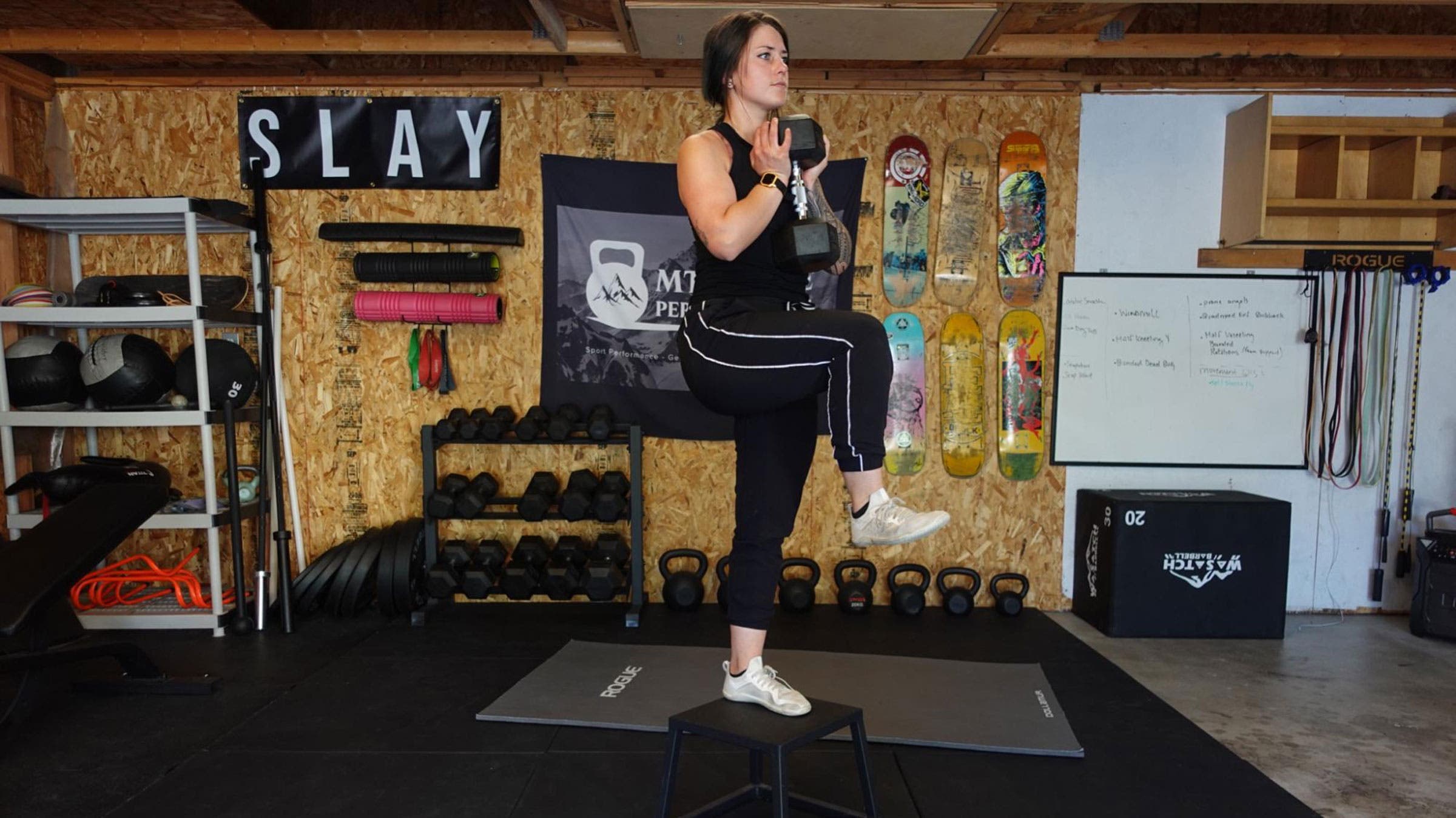
- Execution: Hold a heavy dumbbell in one hand like a suitcase. Maintain a perfectly upright posture and march in place, lifting the knees toward the chest.
- Significance: On the mountain, uneven terrain often tries to throw a skier off-balance. The Suitcase March trains the deep stabilizer muscles to keep the torso centered regardless of external forces.
5. Plank Pull-Throughs for Rotational Control
A variation of the traditional plank, the pull-through introduces a rotational challenge that forces the transverse abdominis to work overtime.
- Execution: In a high plank position, place a dumbbell behind one wrist. Reach across with the opposite hand and pull the weight to the other side, ensuring the hips do not rotate.
- Significance: This develops the "quiet upper body" that professional instructors advocate for, allowing the legs to move independently of the torso.
Expert Analysis and Implications for the Industry
The shift toward year-round conditioning has broader implications for the winter sports industry. According to data from the National Ski Areas Association (NSAA), the economic impact of ski-related injuries is substantial, not only in medical costs but in lost lift-ticket revenue and equipment rentals. Consequently, many resorts and ski schools have begun integrating "pre-ski" warm-ups and fitness education into their programming.
"We are seeing a paradigm shift," notes a representative from a leading sports physiotherapy clinic. "In the past, people skied to get in shape. Now, the consensus among professionals is that you must be in shape to ski. The forces generated by modern parabolic skis are much higher than they were thirty years ago. The equipment has evolved, and the human body must be trained to keep up with that evolution."
Furthermore, the rise of "backcountry" skiing and ski touring has heightened the need for cardiovascular endurance and functional strength. Unlike resort skiing, where a lift provides a reprieve, backcountry enthusiasts must ascend under their own power, often carrying heavy packs. For this demographic, off-season training is not just about performance; it is a fundamental safety requirement.
Conclusion
The data is clear: those who engage in a dedicated off-season strength and conditioning program experience fewer injuries and report higher levels of satisfaction on the mountain. By utilizing diagnostic tools like the side plank test and incorporating multi-planar movements like lateral lunges and gorilla rows, skiers can ensure that their bodies are prepared for the rigors of the alpine environment. As the industry continues to evolve, the integration of sports science into the recreational skiing experience will likely become the standard, ensuring that the "thrill of the hill" is matched by a foundation of physical resilience.

