
As the northern hemisphere transitions into its warmer months, the world of alpine ski racing shifts its focus to high-altitude glaciers and specialized training venues, primarily in North America. This period marks the annual rollout of crucial race testing programs by major alpine racing brands for the upcoming 2026–27 season. From the renowned slopes of Mt. Hood in Oregon to the elite training grounds of Ski Club Vail in Colorado, aspiring athletes and their coaches will gain unparalleled access to the newest innovations in race skis, boots, and complete setups from industry giants including HEAD, Stöckli, Nordica, and Atomic. These initiatives are not merely product showcases; they represent a fundamental component of offseason preparation, providing developing racers with the vital chance to compare cutting-edge equipment, meticulously dial in their setups, and build confidence on gear engineered to World Cup standards.
The Strategic Importance of Summer Glacier Training and Equipment Testing
The tradition of summer glacier training is deeply ingrained in alpine racing. While the snow disappears from most lower-altitude resorts, remnants of winter persist on glaciers and high-elevation peaks, offering a pristine environment for year-round training. Mt. Hood, with its Palmer Glacier, has long been a cornerstone for North American ski racing programs, providing consistent snow conditions and dedicated lane space. This unique geographical advantage allows athletes to maintain their on-snow feel, refine technique, and, crucially, begin testing the next generation of competitive equipment.
For junior racers, often navigating the transition from regional to national or even international competitions, access to elite-level equipment is not just a luxury but a necessity. The margins of victory in alpine racing are increasingly slim, and equipment can be a significant differentiator. These summer testing programs democratize access to the same caliber of gear used by World Cup champions, offering a level playing field for emerging talent. It’s an investment in their potential, allowing them to adapt to new technologies, understand different ski characteristics, and identify setups that best complement their individual racing style.
Historically, equipment testing for junior athletes was often an informal process, relying on connections or limited demo days. However, over the past decade, major brands have recognized the immense value in structured, widespread testing programs. These programs serve multiple objectives: fostering the next generation of racing talent, gathering critical feedback for product development, and building brand loyalty from an early stage in an athlete’s career. The investment in these programs underscores a broader industry commitment to the sport’s grassroots and developmental pipelines.
A Look at the 2026–27 Race Testing Landscape
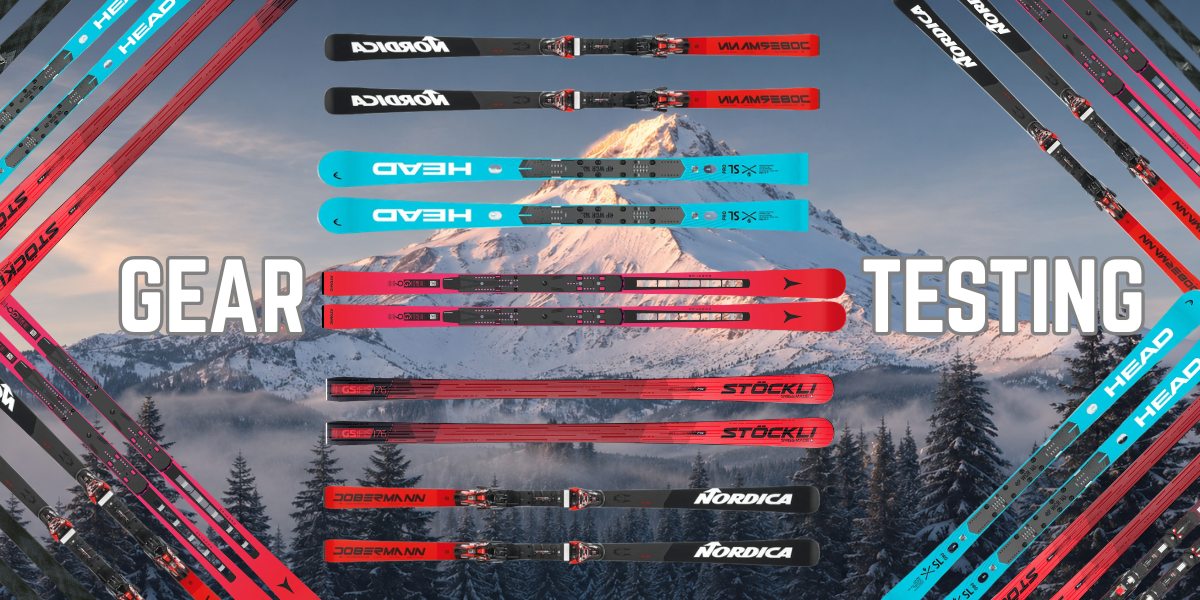
The summer of 2026 will see a robust schedule of testing opportunities, primarily centered around Mt. Hood, with additional access points strategically located across key racing regions. Each brand brings its unique heritage and technological advancements to the forefront, offering distinct advantages to athletes.
HEAD: Sustaining World Cup Dominance in Junior Development
Fresh off another dominant World Cup season, where their "World Cup Rebels" squad consistently topped podiums across disciplines, HEAD returns with its 2026 Spring Race Testing Program. This initiative grants junior athletes direct access to the latest 2026–27 HEAD race skis throughout the critical summer training period. HEAD’s continued success on the global circuit, characterized by a relentless pursuit of speed and precision, has translated into a strong reputation for developing high-performance equipment.
The technology proven at the sport’s highest level—from innovative constructions to refined sidecuts—is directly integrated into the junior race fleet. This direct lineage from World Cup success to developmental equipment provides a significant psychological and performance edge for young racers. As one industry expert noted, "When a junior racer steps onto a HEAD ski, they’re not just trying new gear; they’re connecting with a legacy of champions. That confidence is invaluable."
HEAD’s primary testing hub will be its Mt. Hood Race Demo Center, operating daily from June 12–29, 2026, at the Mt. Hood Alpine Racing Center in Government Camp, Oregon. This dedicated facility ensures consistent access and expert support. Beyond Mt. Hood, HEAD is strategically expanding its reach by providing full race fleets at select partner race centers across the U.S., including the prominent Ski and Snowboard Club Vail in Colorado and various Sport Thoma locations throughout the East Coast. This multi-location approach ensures that a wider demographic of junior athletes, regardless of their summer training location, can engage with HEAD’s latest offerings.
- HEAD Testing Information:
- Mt. Hood, Oregon: June 12–29, 2026, daily from 12:30 p.m.–4:30 p.m. at the Mt. Hood Alpine Racing Center, Government Camp, OR.
- Additional Fleet Access: Available through Ski and Snowboard Club Vail and Sport Thoma locations (specific dates and times via direct inquiry).
- More information: https://www.mthoodarc.com/
Stöckli: Swiss Precision Meets North American Ambition
Following a highly successful debut last summer, Stöckli is reinforcing its commitment to the North American junior racing community with the return of its dedicated Stöckli Test Center at Mt. Hood. The Swiss brand, renowned for its meticulous craftsmanship and World Cup pedigree, has garnered a loyal following among elite athletes like Marco Odermatt, Thomas Tumler, and Alexis Monney. This success at the pinnacle of the sport has amplified interest among developing racers eager to experience Stöckli’s "Swiss-built precision."

Stöckli’s approach emphasizes not just equipment, but also direct support from their experienced race staff. This hands-on interaction allows athletes to gain deeper insights into the nuances of ski design, tuning, and optimal setup for various conditions and disciplines. Coaches frequently highlight the benefit of this direct interaction, stating, "Having brand reps on-site who can explain the technical aspects and help fine-tune setups makes a huge difference. It’s an educational opportunity as much as a testing one."
The Stöckli Test Center will operate from June 14–28, 2026, daily from 12 p.m.–4 p.m., conveniently located in the Cascade Ski Club & Lodge parking lot in Government Camp, OR. Athletes will have the opportunity to demo a comprehensive range of race skis, compare various setups, and receive personalized guidance from Stöckli representatives. Pre-registration is strongly encouraged to manage demand and ensure a smooth experience, with parental consent required for athletes under 18.
- Stöckli Test Center Information:
- Dates: June 14–28, 2026
- Hours: Daily, 12 p.m.–4 p.m.
- Location: Cascade Ski Club & Lodge Parking Lot, 30510 E Blossom Trail Rd., Government Camp, OR 97028
- Pre-Registration: https://demotool.stockli.co/info (Parent/guardian required for athletes under 18)
- Contact: Max Wingard, [email protected], 802-560-4265
Nordica: Expanding Access Through Strategic Partnerships
Nordica is significantly expanding its race testing opportunities for the 2026–27 season, focusing on increased accessibility for junior athletes through both summer camps at Mt. Hood and its ongoing partnership with Ski Club Vail during the winter season. This strategy reflects an understanding of the varied training environments and logistical challenges faced by junior programs.
For athletes participating in summer camps at Mt. Hood, Nordica will make its 2026–27 race test fleet available via coordinated advance reservations with coaches and programs. While Nordica representatives will not be physically present on-site at Mt. Hood camps, this reservation-based system ensures that programs and coaches can integrate the latest Nordica race equipment into their scheduled training sessions. This "embedded" testing model allows athletes to compare and evaluate Nordica gear within their familiar training routines, maximizing efficiency and minimizing disruption. It allows coaches to directly observe athlete performance on different skis and provide immediate feedback.
Beyond the summer, Nordica is strengthening its long-standing partnership with Ski Club Vail. A full fleet of race skis will be available for reservation and testing throughout the winter season, contingent on weather and snow conditions. A key distinction here is that Ski Club Vail testing opportunities may include direct support from Nordica representatives, working alongside coaches and athletes to optimize setups and provide technical insights. This dual approach—remote access for summer and direct support for winter—demonstrates Nordica’s adaptable commitment to junior athlete development.
- Nordica Testing Information:
- Mt. Hood Summer Camps: Equipment available through advance coordination and reservation with programs and coaches.
- Ski Club Vail: Full race fleet available throughout the season (conditions permitting), potentially with direct Nordica representative support.
- To reserve equipment or coordinate testing: Cam Heald, [email protected]
Atomic: Empowering Junior Racers with World Cup Technology

Atomic, a perennial powerhouse in alpine racing, returns to Mt. Hood this summer, providing on-snow access to its latest race equipment at the Mt. Hood Alpine Racing Center. Atomic’s consistent presence in junior development highlights its philosophy of nurturing talent from the foundational stages, directly translating World Cup-inspired race technology to aspiring athletes.
The brand’s commitment to innovation and performance is evident in its race line, which has consistently produced top-tier athletes. For junior racers, this means getting a feel for the same design principles and material science that propel their heroes to victory. Testing Atomic skis during this crucial offseason period allows athletes to develop a holistic understanding of how different ski characteristics impact their performance, preparing them for the rigors of the competitive season ahead.
Athletes training on the glacier at Mt. Hood will have the opportunity to test Atomic race skis throughout June, with daily demo access available. Recognizing the extended nature of some training programs, Atomic is also offering additional appointments after June 30, ensuring continued flexibility for teams and individuals.
- Atomic Testing Information:
- Dates: June 12–30, 2026 (After June 30 by appointment)
- Hours: Open daily, 12 p.m.–4 p.m.
- Location: Mt. Hood Alpine Racing Center, Government Camp, OR 97028
- Contact: Bob Olsen, 541-399-2382, [email protected]
Maximizing the Gear Testing Experience: A Strategic Approach
Trying new skis is a sophisticated process that extends far beyond simply taking a few runs. Athletes who approach testing with a deliberate plan often gain a much deeper understanding of what truly enhances their skiing performance and confidence. This methodical approach is critical for translating demo opportunities into tangible gains on the racecourse.
-
Test Back-to-Back for Direct Comparison:
The most effective equipment comparisons occur when athletes can switch directly between different skis under similar conditions. Alternating between their current setup and a new brand or model during the same training session allows for immediate, sensory identification of differences in stability, turn shape, edge grip, responsiveness, and overall feel on snow. This eliminates variables such as changing snow conditions or athlete fatigue that can skew perceptions if tests are separated by significant time. Coaches often advise making only minor adjustments to boots or bindings to isolate the ski’s performance. -
Maintain Detailed Notes for Objective Recall:
After several runs or multiple testing days, the fine details of each ski’s performance can easily blur together. Writing down quick, concise impressions immediately after testing each model is invaluable. Notes should focus on objective observations and subjective feelings: "stable at speed," "quick edge-to-edge," "demands more effort," "chatter in rough snow," "prefers longer turns." This documentation helps athletes recall specific attributes later when making informed decisions, preventing reliance on potentially vague or biased memories.
-
Test Across Varied Conditions for Comprehensive Understanding:
A ski that feels exceptional in pristine, firm morning conditions might behave entirely differently once the surface becomes softer, icier, or develops ruts. Testing equipment throughout the day, as conditions evolve, provides a far more complete and realistic picture of a ski’s versatility and performance envelope. A truly great race ski should offer consistent performance and confidence across a spectrum of snow types and terrain variations, mimicking the unpredictable nature of race day. -
Engage with Coaches and Brand Representatives:
Brand representatives and experienced coaches possess a wealth of technical knowledge. They can explain subtle differences in ski construction, material composition, flex patterns, sidecuts, and binding setup recommendations that an athlete might not immediately perceive on snow. Engaging in open dialogue allows athletes to ask targeted questions, understand the engineering behind the feel, and receive expert guidance tailored to their body type, skiing style, and specific discipline requirements. This collaboration is a cornerstone of optimizing equipment choices. -
Prioritize Feel and Performance Over Aesthetics:
It is a common pitfall to be swayed by the newest graphics, the latest marketing hype, or the equipment choice of a favorite World Cup athlete. However, the fastest setup is ultimately the one that instills the most confidence, consistency, and trust on snow for the individual athlete. Testing should be a purely performance-driven exercise, focusing on how the equipment enhances one’s skiing, rather than its visual appeal or external endorsements. The goal is to find gear that genuinely elevates performance and contributes to the athlete’s sense of control and speed.
Broader Implications and the Future of Alpine Racing Development
These extensive equipment testing programs underscore a symbiotic relationship between ski manufacturers, athletic programs, and the aspiring athletes themselves. For brands, it’s an opportunity to collect real-world performance data from a diverse pool of developing talent, feeding directly into their R&D cycles. It’s also a powerful mechanism for market penetration and cultivating future brand loyalty among athletes who may one day grace the World Cup stage.
For junior athletes, these programs are nothing short of transformative. They provide a tangible link to the elite echelons of the sport, offering a glimpse into the professional approach to equipment selection and optimization. The exposure to different brands and technologies broadens their understanding of ski dynamics, accelerating their learning curve and technical progression. Moreover, the structured environment of these tests, often supported by coaches and brand experts, reinforces the importance of meticulous preparation and analytical thinking—skills critical not just for racing but for overall athletic development.
The continued investment in these summer and preseason testing opportunities highlights a healthy and forward-looking alpine racing ecosystem. As the sport evolves, with increasing demands for precision, speed, and adaptability, the role of cutting-edge equipment becomes ever more pronounced. By providing junior racers with direct access to the tools of champions, these programs are not just preparing athletes for the next season; they are shaping the future of competitive ski racing, ensuring that the talent pipeline remains robust and well-equipped for success on the global stage.

