
The high-altitude ski resorts nestled within the Alps are poised for a dramatic temperature escalation, transitioning from a period of unseasonably cool weather and abundant spring snow to a distinctly summery climate. This shift, driven by a dominant high-pressure system, is expected to profoundly impact snow conditions on the remaining open glacier ski slopes, signaling a swift change from winter-like conditions to those more characteristic of mid-summer.
Transition from Winter Delights to Summer Softness
As of May 22nd, 2026, the alpine glaciers have been enjoying an exceptional late-season skiing experience. A cooler-than-average first half of May delivered substantial fresh snowfall at higher elevations, creating pristine conditions that have delighted the few remaining skiers and snowboarders. Fraser Wilkin, a meteorologist from weathertoski.co.uk, commented on the favorable situation, stating, "Following a cooler than average first half of May with significant fresh snow at altitude, snow conditions up on the alpine glaciers are currently excellent." This statement underscores the rare treat that early to mid-May often presents for those seeking late-season turns on the highest peaks.
However, this idyllic scenario is set to change rapidly. The arrival of a robust high-pressure system is heralding a period of increasingly hot and sunny weather across the Alps. This meteorological phenomenon is predicted to push the freezing level to an astonishing height of over 4,000 meters. The immediate consequence for glacier skiing will be a marked alteration in snow texture and consistency.
"The weather in the Alps is on the change, with high pressure bringing increasingly hot and sunny weather over the next few days," Wilkin elaborated. "This will change snow conditions on the glaciers from relatively wintry (as seen in the last week or two) to more typical of mid-summer, with early hard snow quickly softening as the morning progresses, and plenty of slush by the middle of the day." This description paints a clear picture of the rapid transformation: the firm, packed snow favored by early risers will give way to a softer, more forgiving, and eventually slushy surface as the day warms. Skiers will need to adapt their techniques and schedules to make the most of the diminishing quality of snow.
A Timeline of the Seasonal Shift
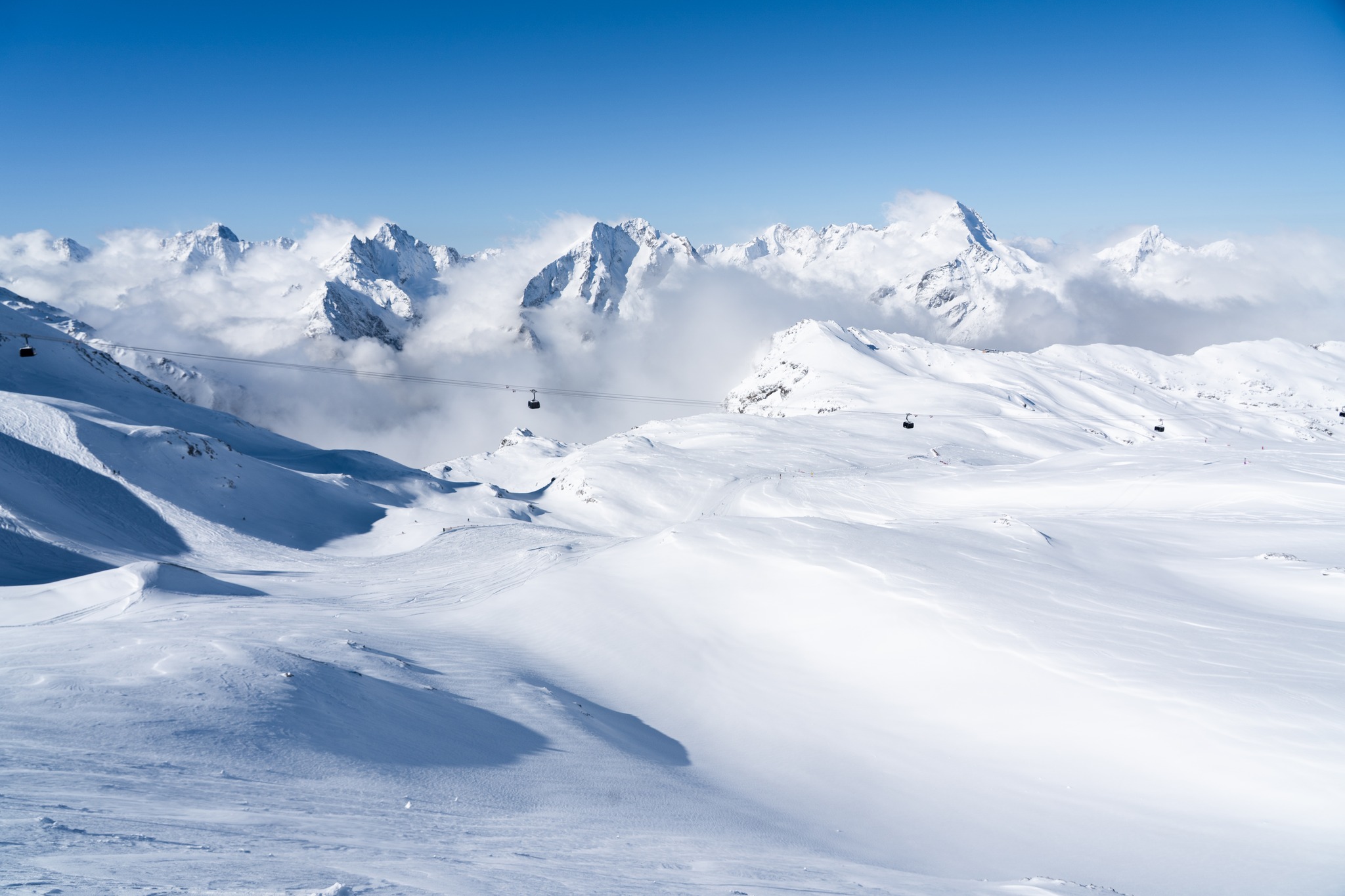
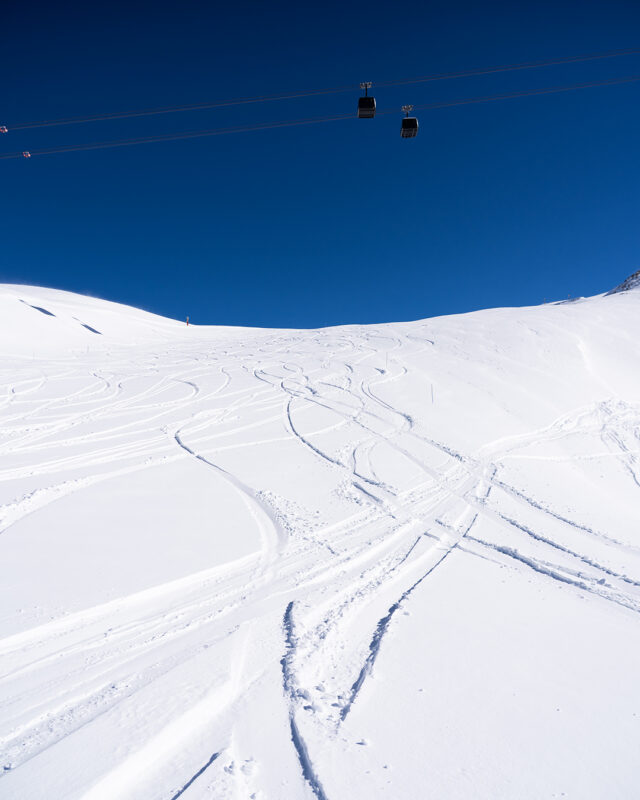
The meteorological shift began to become apparent in the latter half of the second week of May. Prior to this, much of the European Alps experienced a period of unsettled weather, characterized by frequent precipitation at altitude. While lower resorts had already concluded their seasons, the glaciers, at elevations typically exceeding 3,000 meters, benefited significantly from these late-season snowfalls. Images from Les2Alpes, dated May 12th, 2026, showcased impressive snow coverage, with skiers still able to carve turns on wide, white expanses, a testament to the fortunate timing of the fresh snow.
The shift in atmospheric patterns began around May 19th-20th, with early forecasts indicating the strengthening of a subtropical high-pressure ridge extending northwards. By May 22nd, this high-pressure system had firmly established itself over Central Europe, bringing clear skies and a significant surge in temperatures. The freezing level, a critical indicator for snow conditions at altitude, began its rapid ascent. Meteorological models projected the 0°C isotherm to climb from around 2,500-3,000 meters at the beginning of the week to well above 4,000 meters by the weekend and extending into the following week. This elevation surpasses the summit of many of the highest peaks in the Alps, ensuring that even the most remote glacial surfaces will experience temperatures well above freezing.
Current State of Glacier Skiing
As of the reporting date, five ski areas across the Alps remain open for glacier skiing, offering a unique opportunity for enthusiasts to extend their season. These resorts are strategically located at the highest altitudes, capitalizing on natural snow reserves and the ability to groom and maintain slopes even as ambient temperatures rise. The specific resorts currently operating include:
- Hintertux Glacier, Austria: Renowned for its year-round skiing potential, Hintertux is a perennial favorite for late-season and summer skiing. Its extensive glacier offers a substantial skiable area, and its high elevation ensures that snow conditions remain viable for longer periods.
- Stubaier Gletscher, Austria: Another Austrian giant, the Stubai Glacier, also boasts a significant high-altitude terrain. While its main season concludes, select areas are often kept open for extended periods, especially when conditions permit.
- Tignes (Grande Motte glacier), France: Located in the vast Tignes ski area, the Grande Motte glacier is a popular destination for summer skiing. Its extensive infrastructure allows for the grooming of vast slopes, providing a classic glacier skiing experience.
- Les2Alpes (Glace de la Meije), France: As evidenced by the provided imagery, Les2Alpes has been a prime location for late-season skiing. The glacier here offers a considerable skiable area, and its management team is adept at maintaining high-quality snow for as long as possible.
- Saas-Fee, Switzerland: While Saas-Fee’s main season typically ends earlier, its high-altitude glaciers can sometimes offer opportunities for extended operations, particularly if late snowfalls have been generous.
These five resorts represent the vanguard of alpine skiing as the traditional season draws to a close, offering a unique opportunity to experience snow sports when most of the lower resorts have long since packed away their lifts.
Supporting Data and Meteorological Context
The current situation can be contextualized by historical meteorological data for May in the Alps. Historically, May often sees a significant increase in average temperatures across the region. For instance, average daily maximum temperatures in the central Alps at 2,000 meters can rise from around 5-8°C in early May to 10-15°C by the end of the month. However, the influence of high-altitude snow events, as experienced in early May 2026, can temporarily counteract these warming trends.
The concept of the "freezing level" is crucial in understanding snow conditions. It represents the altitude at which the temperature drops to 0°C. A low freezing level (e.g., below 2,000 meters) indicates cold conditions conducive to snow preservation and new snowfall at lower elevations. Conversely, a high freezing level (above 3,500-4,000 meters) signifies warm air masses dominating, leading to rapid melting and a softening of snow surfaces, even at high altitudes. The projected rise of the freezing level to over 4,000 meters is a clear indicator of a significant heatwave impacting the Alpine region.
The prevailing weather pattern of high pressure is characterized by descending air, which warms as it compresses. This process leads to clear skies, reduced cloud cover, and consequently, increased solar radiation reaching the snow surface. This combination of warm air and intense solar radiation accelerates snowmelt and metamorphism, transforming firm snow crystals into looser, wetter grains.
Analysis of Implications for Ski Resorts and Tourists
The swift transition from excellent snow conditions to a more challenging, slushy environment has several implications:
- Operational Adjustments: Resorts that remain open will need to adapt their grooming schedules. Early morning grooming will become even more critical to provide a firm surface for skiers before the sun and heat begin to soften it. Lift operations might also be adjusted to maximize use during the optimal snow periods of the morning.
- Skiing Experience: The quality of skiing will change. Early mornings will offer the best conditions, with hard-packed snow that allows for high-speed carving. As the day progresses, skiers will encounter softer snow, which can be more forgiving but also lead to slower speeds and increased effort. Late afternoon skiing on glaciers during such warm periods can become very challenging, with deep slush and potential for uncovered patches.
- Tourist Expectations: Visitors planning late-season glacier trips should manage their expectations. While the opportunity to ski in May is a significant draw, the experience will be markedly different from mid-winter. A focus on enjoying the sunshine, the stunning high-alpine scenery, and the unique experience of skiing in late spring will be key.
- Long-Term Snowpack: For the glaciers themselves, this period of intense heat, even if relatively short-lived, contributes to the ongoing challenge of glacial melt. While a few days of high temperatures are unlikely to cause catastrophic damage, they add to the cumulative stress on these vital ice reserves.
Broader Context: Summer Skiing in the Alps
The phenomenon of summer skiing on Alpine glaciers is not new, but the viability and conditions can vary significantly year on year. Resorts like Hintertux have invested heavily in infrastructure to support year-round operations, recognizing the demand from dedicated skiers and snowboarders. However, the increasing frequency and intensity of summer heatwaves, driven by climate change, pose a long-term threat to the sustainability of glacier skiing.
The recent cool and snowy May has provided a welcome reprieve, extending the season beyond what might have been anticipated based on trends from previous years. However, the current meteorological forecast highlights the inherent variability of Alpine weather and the rapid pace at which conditions can change. The contrast between the excellent snow conditions of early May and the projected summer-like temperatures underscores the dynamic nature of high-altitude environments.
The continuation of glacier skiing into the summer months is a testament to the resilience of these high-alpine environments and the efforts of resort operators. However, it also serves as a stark reminder of the ongoing impact of climate change on snow sports and the natural world. As temperatures continue to rise globally, the future of traditional winter seasons and the viability of glacier skiing will remain a subject of intense scrutiny and scientific study.
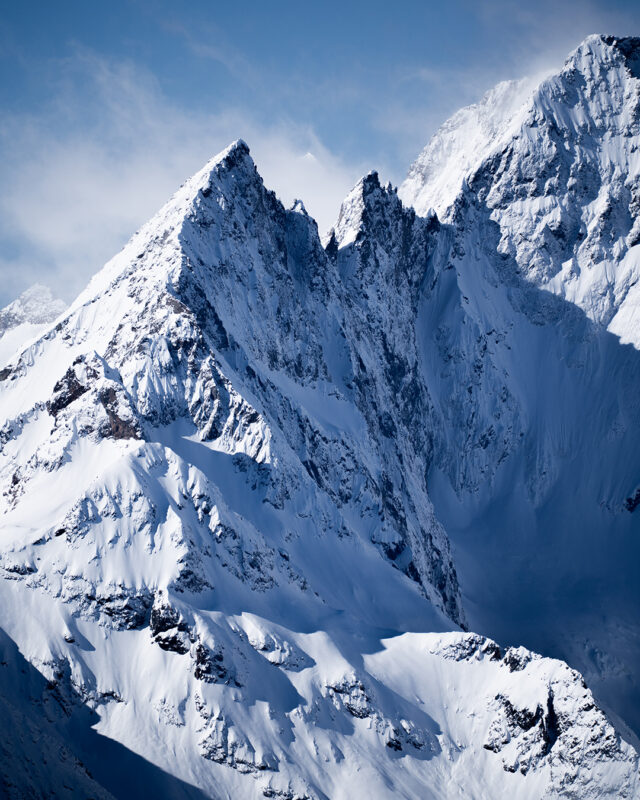
PlanetSKI.eu, a leading digital platform for ski news and resort information, has been closely monitoring these developments. Their coverage often includes practical advice for skiers, such as their related post on summer skiing destinations, helping enthusiasts navigate the evolving landscape of snow sports. The platform’s commitment to providing timely and accurate information is crucial for the ski community as they adapt to these changing conditions. The images provided from Les2Alpes offer a visual confirmation of the excellent conditions that have prevailed, setting the stage for the anticipated thermal shift.
The current situation exemplifies the complex interplay of weather patterns, seasonal transitions, and the enduring appeal of snow sports. While the hot weather spells an end to the winter-like conditions on the glaciers, it also heralds the start of a different kind of Alpine experience, one that embraces the sunshine and the unique thrill of skiing on high-altitude ice under a warm, blue sky.

