
The world’s premier international action sports competition, X Games, has officially announced its return to Chiba, Japan, for 2026, marking a significant evolution in the professional landscape of Skateboard, BMX, and Moto X. Scheduled for July 4–5 at the renowned Makuhari Messe, the event will serve as a critical anchor for the newly established MoonPay X Games League (XGL). This year’s iteration represents more than a standalone competition; it signifies the brand’s transition into a year-round, team-based professional league designed to capitalize on the surging global popularity of action sports. By integrating traditional individual medal events with a high-stakes club format, X Games Chiba 2026 aims to redefine how athletes compete and how fans engage with the culture of extreme sports on an international scale.
The Dawn of the MoonPay X Games League
The 2026 season marks the debut of the MoonPay X Games League, a strategic overhaul of the competition’s structure that introduces a professional team format for the first time in the brand’s 30-year history. The league is built around four mixed-gender "X Games Clubs," each representing a major global city: New York, Tokyo, London, and Sydney. This regional representation is designed to foster deeper fan loyalty, mirroring the structures of traditional sports leagues like the NBA or Premier League, while maintaining the individual excellence that has defined the X Games since its inception in 1995.
Each of the four clubs will consist of 10 elite athletes—five men and five women—competing across Skateboard and BMX disciplines. The league season will span three major global stops: Sacramento, California; Chiba, Japan; and New Orleans, Louisiana. This multi-city tour allows for a season-long narrative, where clubs accumulate points toward a season championship. The Chiba stop is positioned as a pivotal mid-season battleground, where the Tokyo-based club will have the opportunity to compete on home soil against their international rivals.
Jeremy Bloom, CEO of X Games and a former multi-disciplinary athlete himself, emphasized the strategic importance of the Japanese market in this new era. According to Bloom, Japan has ascended to become one of the most vital stages for action sports globally. This rise is fueled by a powerhouse generation of Japanese athletes who have consistently dominated both the Summer and Winter X Games, as well as the Olympic stage. Bloom noted that the introduction of the XGL provides a platform that matches the caliber of these athletes, offering a consistent, year-round schedule that deepens the connection between the competitors and their growing fan base.
Japan as a Global Epicenter for Action Sports
The selection of Chiba as a primary host for the XGL reflects the shifting geography of action sports influence. Since the inclusion of skateboarding and BMX in the Olympic program, Japanese athletes have emerged as dominant forces, particularly in street and park disciplines. The 2020 Tokyo Olympics served as a catalyst, sparking a nationwide interest in these sports and leading to the development of world-class training facilities across the country.
Makuhari Messe, one of Japan’s largest convention centers, provides an ideal venue for an event of this magnitude. Its expansive indoor halls allow for the construction of massive, custom-designed courses for Skateboard, BMX, and Moto X, protected from the elements and capable of accommodating tens of thousands of spectators. The venue’s proximity to Tokyo makes it an accessible hub for both domestic fans and international travelers, further solidifying Chiba’s status as a recurring destination for the X Games circuit.
Historically, the X Games has played a fundamental role in legitimizing action sports, transforming them from fringe subcultures into mainstream athletic pursuits. By returning to Chiba with a league-based format, the organization is acknowledging that the sport has matured. The move toward a team-based structure is seen by industry analysts as a way to provide athletes with more stable financial opportunities through club sponsorships and consistent media exposure, moving away from the "all-or-nothing" nature of annual invitationals.
Comprehensive Competition Schedule and Disciplines
The X Games Chiba 2026 event will feature 15 distinct medal events across three primary disciplines. The schedule is designed to showcase a balance of technical precision and high-flying spectacle, catering to both purists and casual viewers. The disciplines confirmed for the 2026 event include:
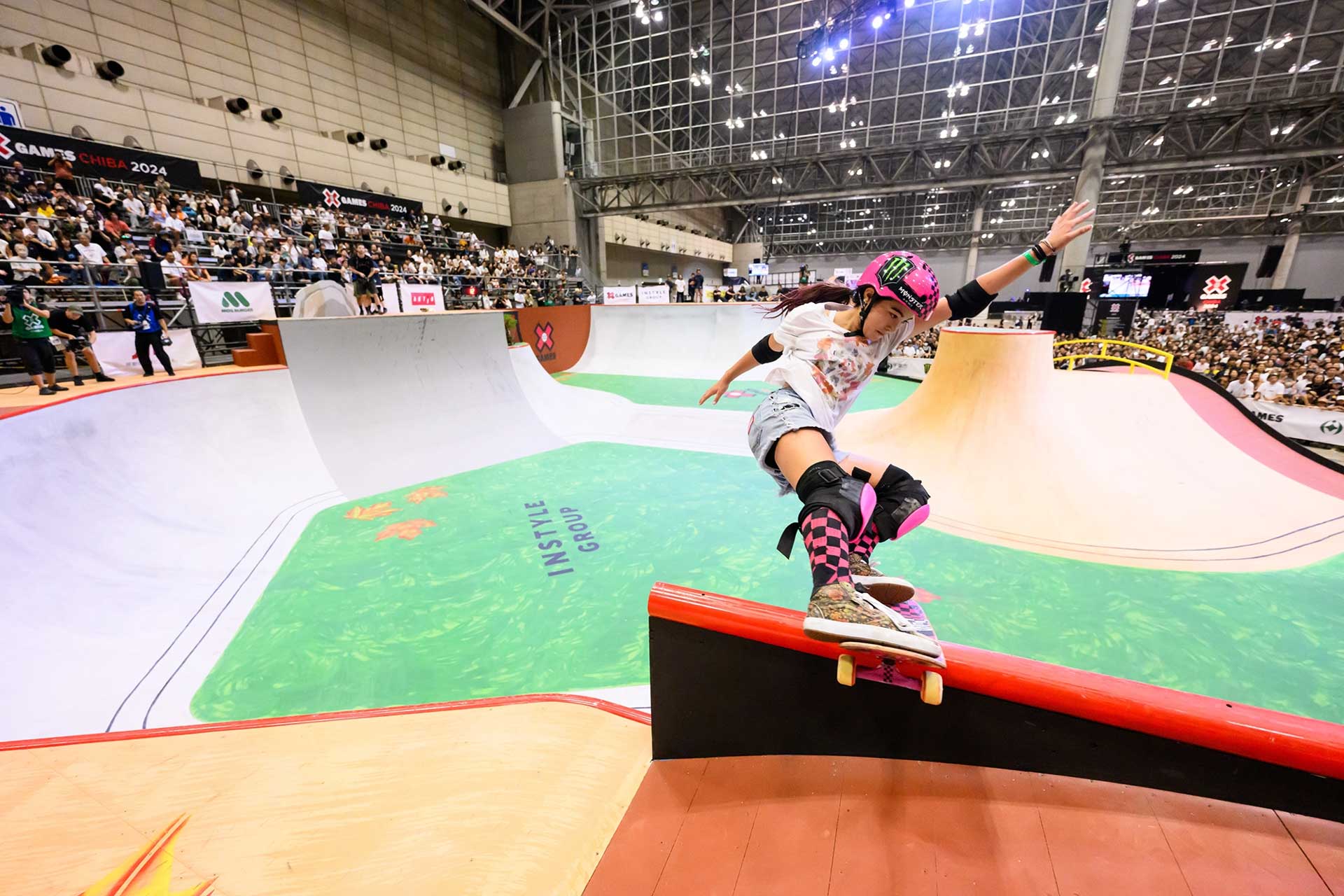
Skateboard
- Men’s and Women’s Skateboard Park: High-speed transitions and aerial maneuvers in a bowl-like course.
- Men’s and Women’s Skateboard Street: Technical tricks performed on obstacles that mimic urban environments, such as rails, stairs, and ledges.
- Men’s Skateboard Vert & Vert Best Trick: Giant halfpipe competition emphasizing height and technical rotation.
BMX
- Men’s and Women’s BMX Park: Fluidity and creativity across a varied landscape of ramps.
- Men’s BMX Street: Street-level technicality and innovative use of obstacles.
- Men’s BMX Dirt: Massive jumps focused on air time and complex mid-air rotations.
- BMX Flatland: A balletic display of balance and bike control on a flat surface.
Moto X
- Moto X Freestyle: High-octane motorized stunts where riders are judged on difficulty and style.
- Moto X Best Whip & Best Trick: Specialized events focusing on the aesthetics of the "whip" and the execution of the world’s most dangerous motorized stunts.
The competition kicks off with an official practice day on Friday, July 3, which remains closed to the public to allow athletes to dial in their lines on the newly constructed courses. The public competition days on July 4 and July 5 will feature a dense schedule of qualifiers and finals, culminating in the XGL team standings updates.
The Cultural Impact: Music, Art, and Community
The X Games has always positioned itself at the intersection of sports and lifestyle. Chiba 2026 will continue this tradition by offering a full "X Fest" experience alongside the athletic competitions. This festival-style environment includes live musical performances by international and local artists, interactive skate and BMX parks for fans, and installations featuring contemporary street art and fashion.
The integration of music and fashion is not merely secondary entertainment; it is core to the brand’s identity. The X Games has historically served as a launching pad for cultural trends, and the Chiba event is expected to showcase the latest in streetwear and youth culture. For the local community, the event provides a significant economic boost, attracting tourists and highlighting Chiba’s capability to host large-scale international sporting events. The "X Fest" area also serves an educational purpose, offering workshops and demonstrations designed to inspire the next generation of Japanese action sports athletes.
Timeline and Ticket Information
The road to X Games Chiba 2026 begins months in advance with a structured ticket release and athlete selection process. Fans looking to attend the event are encouraged to follow the official registration timeline:
- April 24, 2026: Official early access ticket registration begins at 12:00 PM JST via the e+ platform.
- May 20, 2026: General ticket sales commence at 12:00 PM JST.
- Late Spring 2026: Announcement of the full athlete lineup and specific daily event schedules.
- July 3, 2026: Official Practice Day (Closed to the public).
- July 4–5, 2026: Competition Days at Makuhari Messe.
As the event approaches, the specific roster of athletes will be finalized, featuring a mix of invited legends and the top-ranked competitors from the XGL standings. The gender-equal format of the league ensures that female athletes receive equal billing and prize opportunities, a standard the X Games has championed for years.
Analysis: The Future of Professional Action Sports
The transition to the MoonPay X Games League represents a calculated risk by the organization to modernize its business model. By creating "Clubs" tied to major cities, the X Games is attempting to tap into the tribalism that drives viewership in traditional sports. This move is also a response to the increasing professionalization of the industry; with action sports now appearing in the Olympics, athletes require more structured seasons to maintain peak performance and secure long-term sponsorships.
Furthermore, the league format provides a more robust package for broadcasters and streaming partners. Instead of a single weekend of content, the XGL offers a recurring narrative that can be marketed throughout the year. For the athletes, the team aspect introduces a new layer of strategy and camaraderie, potentially leading to higher levels of progression as teammates push each other during the season.
The Chiba event will be a litmus test for this new format in the Asian market. Given Japan’s current status as a skateboarding superpower, the reception of the Tokyo X Games Club is expected to be overwhelmingly positive. If successful, this model could pave the way for further expansion, with additional clubs and stops in Europe and South America in future seasons.
As the X Games continues to evolve, its core mission remains the same: to provide a global stage for the world’s most talented action sports athletes to push the limits of what is possible. Chiba 2026 stands as a testament to the enduring appeal of these sports and their ability to unite fans across borders through a shared passion for progression, creativity, and competition.

