
Whitelines Magazine, a prominent voice in the global snowboarding community, marks its 30th anniversary, celebrating three decades of irreverent humor, dedicated coverage, and unwavering passion for the sport. From its humble, chaotic beginnings in 1995 to its current standing as a digital media powerhouse, Whitelines has chronicled the evolution of snowboarding with a distinct, often rebellious, perspective, influencing generations of riders and industry professionals alike. Its journey reflects not only the dynamism of snowboarding itself but also the dramatic shifts within the media landscape over the past thirty years.
Origins and the Birth of a British Snowboarding Voice (1995-Early 2000s)
The mid-1990s were a pivotal era for snowboarding. Having emerged from the counter-culture fringes, the sport was rapidly gaining mainstream traction, characterized by burgeoning participation, professionalization, and a vibrant youth culture. Amidst this burgeoning scene, in 1995, Jim Peskett and Tudor ‘Chod’ Thomas, both veterans of Snowboard World Magazine, identified a niche for a publication that genuinely mirrored the raw, often anarchic spirit of British snowboarding. Their vision coalesced into Whitelines, conceived not merely as a magazine but as a "debaucherously British snowboarding fanzine."
This period, described by former editor and cover star Chris Moran, was one of accidental genius and intentional chaos. Moran famously quipped about the magazine’s nascent identity: "Idiots try to put a mirror up to the burgeoning 1990s snowboard scene, but accidentally turn it on themselves instead. Blinded by the glare of their own stupidity, they head out on the kind of travel adventures where someone has to climb into a board bag that’s strapped to the roof rack because they’ve forgotten their passport.” This blurb, intended for a hypothetical biopic, perfectly encapsulates the magazine’s early ethos – a blend of genuine stoke, youthful indiscretion, and an endearing lack of corporate polish.
The competitive landscape of the 90s was saturated with snowboard publications, each vying for a slice of the rapidly expanding market. Whitelines differentiated itself not through polished professionalism, but through its authentic, unfiltered voice. Chris Moran further elaborated on this unique approach, noting, "I think the fact that we had no budget, no real understanding of how to make a magazine, and no idea of things like spelling, storytelling or basic decency. Those concepts definitely worked really well in our favour." This self-deprecating honesty was a cornerstone of its appeal.
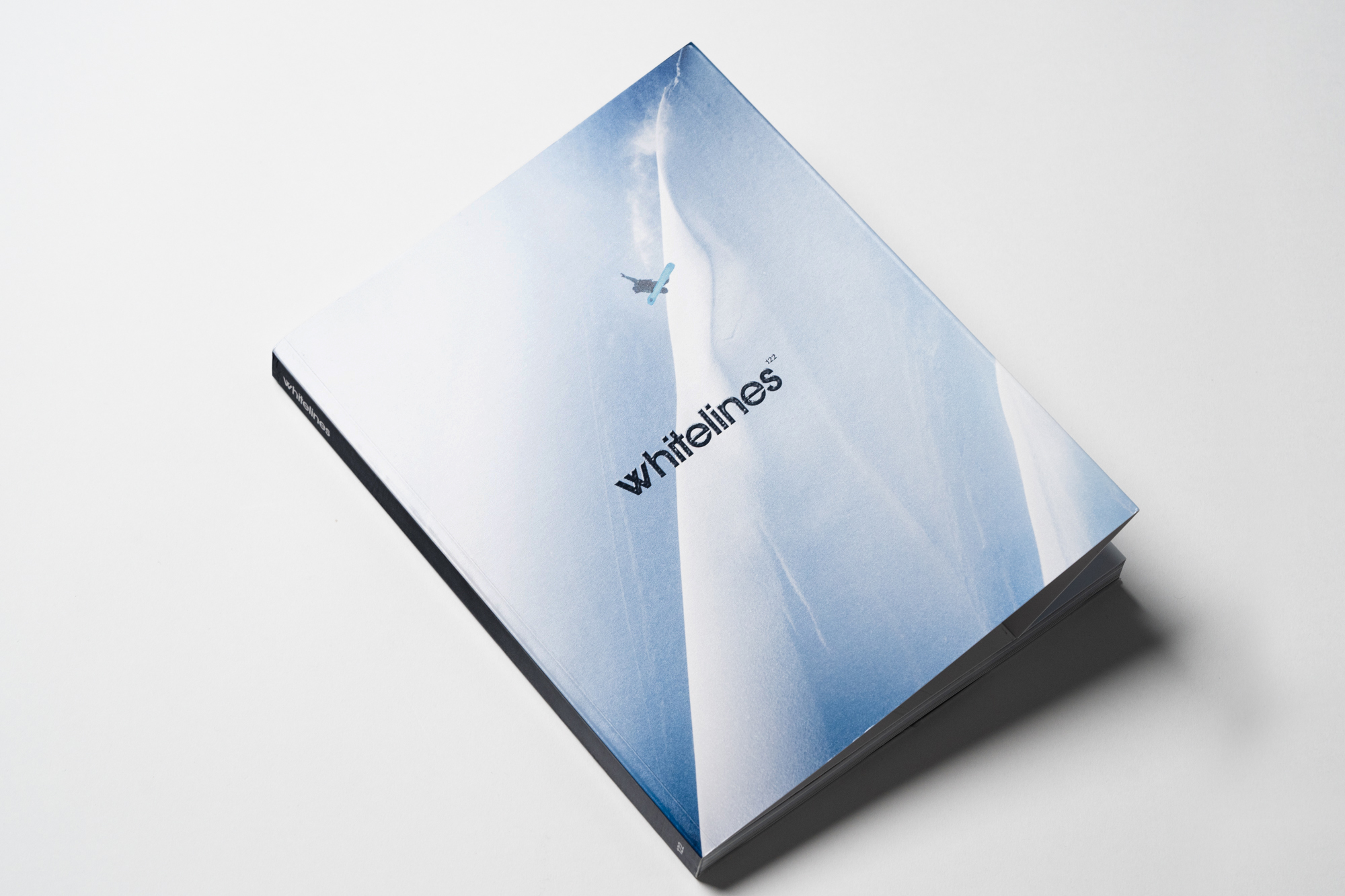
Operating in a pre-email era, the early production process of Whitelines was a testament to its DIY spirit. "The first two seasons were ‘written’ with us calling in to the office and having Milly – the company secretary – type the articles out as we read them from scraps of paper and often over a pre-paid phone card from a public phone box in god-knows-where," Moran recounted. This unconventional method, while leading to charming typographical errors like "Tignes" appearing as "teens," ensured that the content was fresh, immediate, and deeply connected to the riders and locations being covered. The absence of instant digital feedback mechanisms, such as social media, meant the team operated with a degree of creative freedom, relying on direct, face-to-face interactions and the simple metric of annoying their publisher, Jim Peskett, as a sign of success.
The Reign of Irreverence and Creative Anarchy (Early 2000s-Mid 2010s)
Throughout its print run, Whitelines cemented its reputation for irreverence and pushing boundaries. It understood that snowboarding, at its heart, was an unserious pursuit, and the magazine embraced this ethos fully. Beyond showcasing "cool people doing cool shit strapped onto planks of wood," Whitelines distinguished itself with its playful subversion, most notably through its iconic "face spine titles." These humorous, often nonsensical alternative titles, such as "Dwarf Throwing Monthly" or "Neck Brace Monthly: The Skyscraper Issue," became a signature element, reflecting the magazine’s anarchic spirit and its designer-in-chief Chod’s creative vision.
This era was marked by legendary anecdotes that underscored the team’s commitment to chaos. From an incident in an Austrian hotel involving a stolen accordion and a meticulously shaved, Lemmy-goateed taxidermy marmot – a prank attributed to Russ Ward – to their audacious handling of reader complaints, Whitelines cultivated a reputation akin to "the naughty kids at school." One memorable instance involved a mother writing in to ban her son from reading the magazine due to its content. In response, Whitelines not only awarded her letter "letter of the month" but also gifted her son a lifetime subscription, effectively doubling down on their rebellious stance.
Perhaps the most persistent source of external complaints, however, came from an unexpected quarter: the UK postal service. The magazine’s penchant for creating outlandish contest entry addresses, such as "send your entries to ‘the crack in the arse cheeks of Jim Peskett, 1 Stert Street, Abingdon’," repeatedly drew the ire of postal officials. Publisher Jim Peskett, often the target of these internal jokes, would "literally plead with us not to do that shit anymore," as the postal service threatened to blacklist the publishing company, jeopardizing the entire business. These stories, though humorous, illustrate the precarious balance Whitelines maintained between creative freedom and commercial viability, often operating on what staff described as "shoestring and a dream."
The Digital Revolution and the Print Exodus (Mid 2010s)

By the mid-2010s, the media landscape was undergoing a seismic shift. The rise of the internet, social media, and digital content consumption fundamentally altered how audiences engaged with media. Print publications, across all genres, faced unprecedented challenges. Newsstands that once proudly displayed a plethora of snowboard magazines began to thin out, reflecting a broader trend of declining print circulation and advertising revenue. The convenience and instant gratification offered by digital platforms became paramount, transforming media consumption into a 24-hour buffet of content.
Whitelines, like many legacy print titles, found itself at a crossroads. While some mourned the potential loss of the tangible experience of a physical magazine – the "premium quality coffee table-style magazine with paper so luxurious you caress it like a lover," as the article metaphorically puts it – the undeniable shift towards digital access presented new opportunities for broader reach and engagement. The industry recognized that "people didn’t have to wait months to get their snowboarding fix; it was a 24-hour buffet where sliding sideways was the order of the day."
In 2015, the inevitable decision was made: print editions of Whitelines officially ceased, with WL120 marking the final issue to grace physical shelves. The announcement, appropriately made online, included a candid statement from then-editor Ed Blomfield. Blomfield acknowledged the bittersweet nature of the transition: "As a team, we’re obviously gutted to see the end of a paper publication into which we poured heart and soul over two decades. But with the good ship WL celebrating its 20th anniversary this year, we’re also excited to see where – with a renewed focus and a healthy budget – we can take it next." He outlined a clear vision for the digital future, promising "a slicker website delivering more unique video, more gear reviews, more how-tos, more travel… more of all the things you enjoy." The core principle remained unchanged: "Ultimately, however, it’s just about staying true to that original goal of stoking out the readers; if you guys are here online, then that’s where we need to be."
This strategic pivot allowed Whitelines to embrace the digital revolution with renewed vigor. Freed from the demands of print production, editorial staff could channel their energy and passion entirely into online platforms. The magazine, already renowned for its in-depth gear guides like the "Whitelines 100," saw its digital presence flourish. This reallocation of resources enabled the website and social media profiles to expand their reach exponentially, transforming Whitelines from a primarily UK-focused offering into a truly global favorite, attracting a worldwide audience seeking authentic snowboarding content.
A Brief Return to Print and the Modern Digital Landscape (2019-Present)
Despite the decisive shift to digital, the allure of print proved difficult to fully resist. After a four-year hiatus, Whitelines made a brief, celebrated return to physical form in 2019 with The Whitelines Annual. This format, designed as a deep dive into snowboarding culture, comprised three substantial magazines totaling over 600 pages, featuring exclusive interviews, blockbuster photographs, and meticulously crafted written content from some of the sport’s most respected voices. This short-lived second print run, with Ed Blomfield once again at the helm, served as a nostalgic nod to its roots and a testament to the enduring appeal of tangible media for a dedicated segment of its readership.
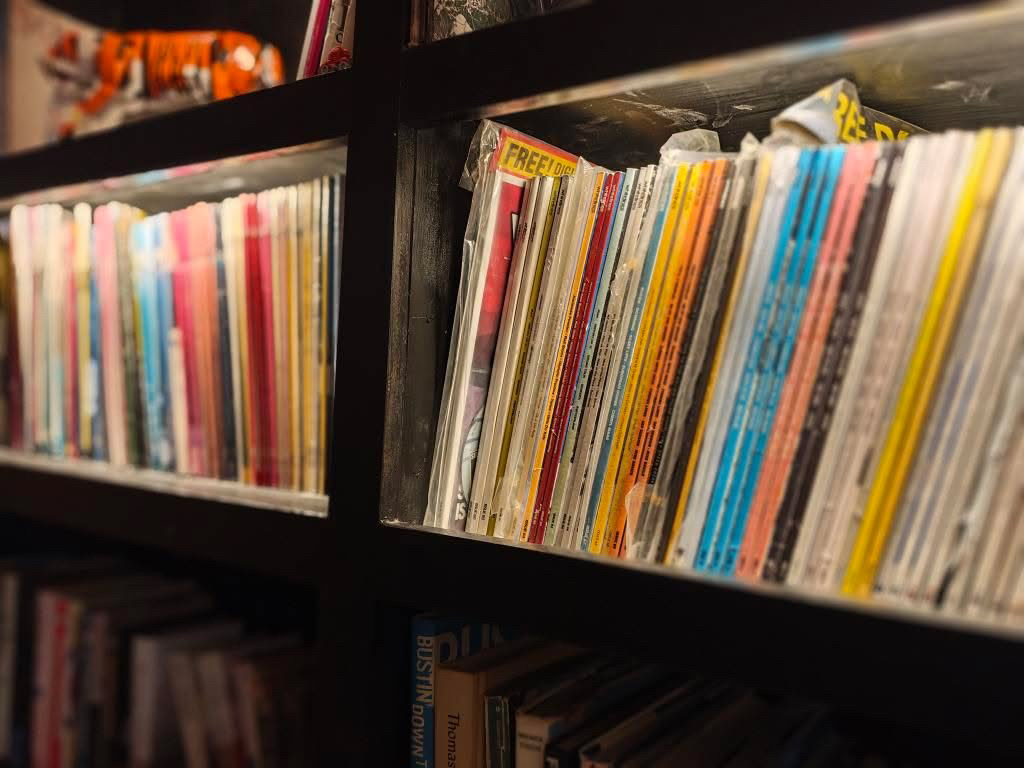
However, the realities of media economics and audience consumption patterns ultimately reaffirmed the primacy of digital. As of 2026, Whitelines has firmly re-established itself as a purely digital entity. Its current focus is on cultivating a "crack team of proper snowboarders" across three continents, dedicated to rigorous product testing for premium gear reviews. The platform also prioritizes in-depth interviews that "lift the curtain" on industry figures, provides timely "culture hits" on day-to-day happenings, and delivers "boots-on-the-ground event coverage" that captures the beating heart of the sport.
The sheer scale of its digital reach underscores this strategic direction. This past season alone, the Whitelines website attracted 2 million unique visitors, complemented by a substantial social media following exceeding 750,000 across various platforms. The publication’s content is now ubiquitous, appearing across search engine results and AI snippets, demonstrating its deep integration into modern information consumption habits. In this context, the logistical and financial challenges of distributing 20,000 copies of a print magazine become a stark contrast.
Yet, despite the exponential increase in content volume and global reach, Whitelines remains committed to its foundational tenets. The editorial team ensures that every piece of content, whether a quick social media update or an extensive gear review, adheres to the core principles of being "engaging, informative or amusing – and ideally all three at once." This dedication to quality, even amidst quantity, ensures that the spirit of the original fanzine persists within its sophisticated digital framework. The team, acknowledging their deep-seated affection for print, admits to "wax[ing] poetic about the joys of print, run[ning] the numbers and scrawl[ing] hasty business models on the back of napkins every time we’re three pints deep." This sentiment, coupled with a humorous confirmation that "we have received no mail addressed to the crack in the arse cheeks of anyone. Yet," reiterates the enduring spirit of irreverence that has defined Whitelines for three decades.
Legacy and Enduring Impact
The 30-year journey of Whitelines Magazine is a compelling narrative of resilience, adaptation, and unwavering dedication to a passion. In a media landscape notorious for its volatility, where publications frequently rise and fall with economic tides or shifts in consumer preferences, Whitelines has consistently defied expectations. Its survival, often described metaphorically as "the cockroach that refuses to die" or "the chewing gum stuck to the sole of snowboarding’s gaffa-taped boot," is attributed to the deep-seated commitment of its staff. These individuals, driven by a genuine love for snowboarding, have consistently been willing to undertake "experimental emergency surgery with no anaesthesia during a power cut" to keep the magazine’s heart beating.
From its early days of low budgets and high spirits, marked by a distinctively British, debaucherous charm, to its current iteration as a globally recognized digital platform, Whitelines has maintained its identity. It has served as a crucial chronicler and cultivator of snowboarding culture, providing a voice for riders, showcasing innovations, and fostering a sense of community. Its legacy is not just in the countless pages of print or millions of digital impressions, but in its consistent ability to "stoke out the readers," a mission it has upheld through every chaotic adventure, every strategic pivot, and every passing year. As it looks to the future, Whitelines stands as a testament to the enduring power of authentic storytelling and the passionate individuals who champion it.

