
The Norwegian sprint orienteering team, after a commanding performance through the initial stages of the World Orienteering Championships relay, ultimately settled for a bronze medal. Despite holding a strong lead, the team, featuring Pia Young Vik on the anchor leg, was unable to fend off the relentless pursuit from Switzerland and Sweden, who ultimately claimed gold and silver respectively. The event, held amidst the challenging terrain of the World Orienteering Championships, showcased the intense competition and strategic depth inherent in the sport.
A Strong Foundation Laid
The relay commenced with a tightly contested opening leg, as is typical for sprint orienteering events where seconds can make a significant difference. Hedvig Valbjorn Gydesen of Denmark was the first to cross the finish line, but the Norwegian team, represented by Victoria Hårstad Bjørnstad, was hot on her heels, alongside most of the other pre-race favorites. Notably, the Finnish team, considered a strong contender, experienced an early setback, falling behind the leading pack. This initial stage set the tone for a race where precision and efficiency were paramount.
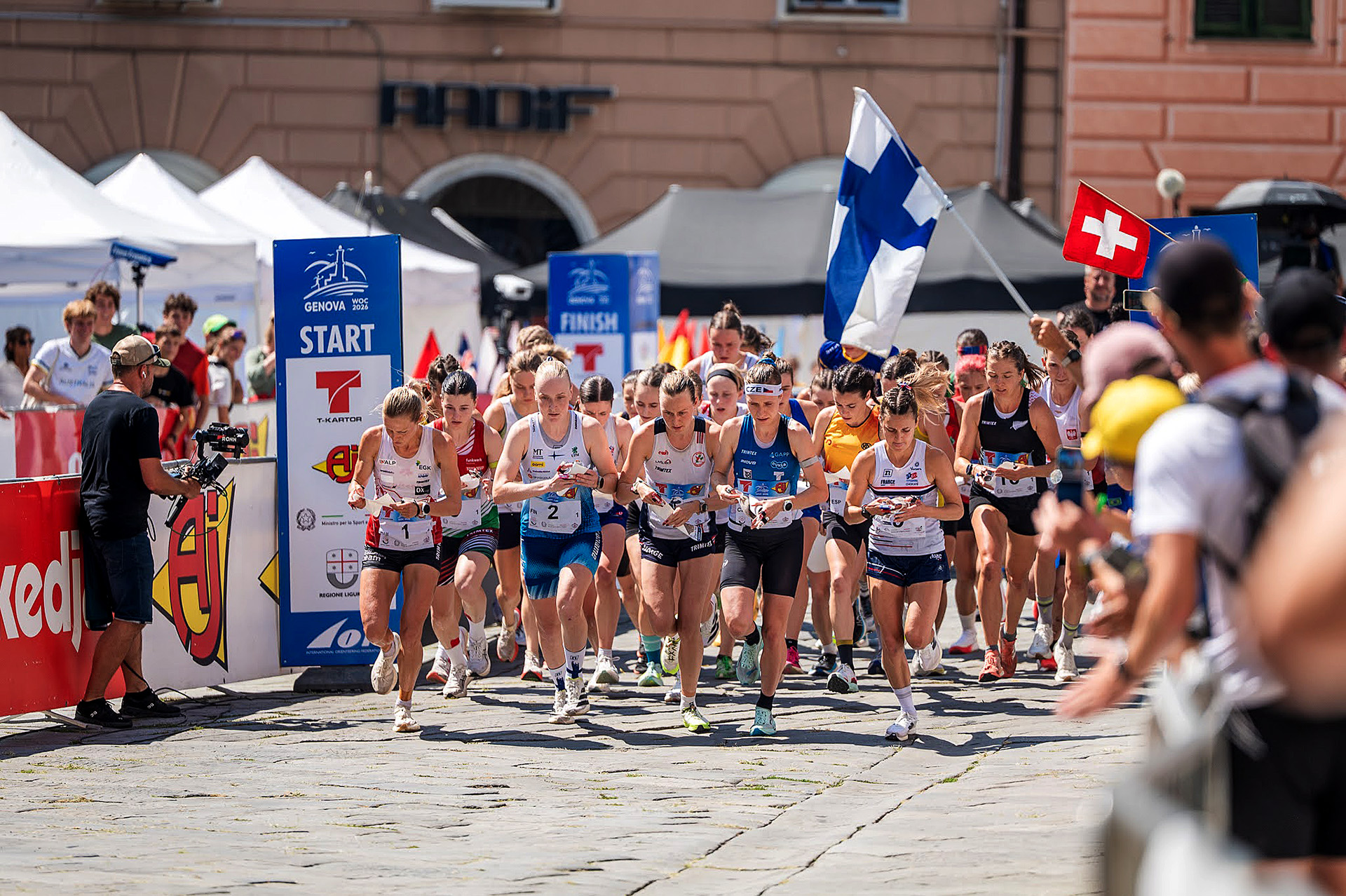
The second leg saw Eirik Langedal Breivik deliver a crucial performance, offering a measure of redemption for his earlier individual races at the championships in Genova. Breivik masterfully carved out a lead in the demanding uphill sections of the course, reaching the highest point of the terrain with a significant advantage. He maintained his composure and pace, successfully extending his lead to hand off to Kasper Fosser with a clear path ahead, virtually out of sight of the other competing nations. This leg was particularly impactful as it highlighted Breivik’s ability to perform under pressure and navigate the technical aspects of the course to the team’s benefit. In contrast, the Czech Republic’s sprint relay aspirations were significantly hampered by navigational errors during this crucial second leg.
Maintaining the Lead and the Inevitable Challenge
Kasper Fosser, taking over with a comfortable lead, demonstrated his characteristic strong performance, ensuring that the chasing pack struggled to close the gap. He navigated the course with skill and confidence, maintaining the advantage for a considerable portion of his leg. However, the depth of talent within the field meant that strong performances from other nations were inevitable. Fosser’s team, while leading, was aware of the formidable challenges posed by close rivals, particularly the Swiss team, which included Fabien Aebersold, whose connection to the Norwegian team, described as "brother-in-law" in the original report, added an interesting subplot to the competition. Despite Fosser’s efforts, the lead had narrowed to under half a minute by the time Pia Young Vik began her anchor leg, setting the stage for a dramatic conclusion.
The Final Leg Showdown
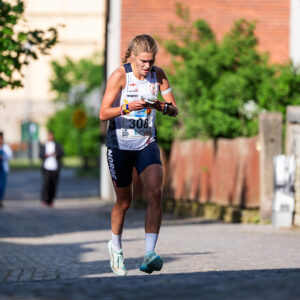
The final leg was where the race’s outcome was ultimately decided. Simona Aebersold of Switzerland, who had already established herself as a dominant force by winning the individual sprint with a commanding 70-second margin over Pia Young Vik, immediately injected high pace into her run. By the third control point, located at the highest elevation on the course, Aebersold had significantly reduced the deficit, trailing Norway by a mere six seconds. Close behind her, Karolin Ohlsson of Sweden was also making strong progress, keeping pace with Aebersold and the leading Norwegian runner. Meanwhile, the French and Hungarian teams began to lose ground, their chances of a podium finish diminishing.
Aebersold’s relentless pursuit proved decisive. As the race neared its conclusion, she managed to create a decisive gap in the final stages, allowing her to celebrate a hard-fought victory and defend the gold medal won by Switzerland at the 2024 Edinburgh championships. Simultaneously, Karolin Ohlsson executed a more advantageous route choice than Pia Young Vik in the approach to the penultimate control. This strategic decision allowed Ohlsson to overtake the Norwegian on the final stretch, securing her second silver medal in as many days. For Pia Young Vik and the Norwegian team, it marked their second consecutive bronze medal at the championships, a testament to their consistent, albeit not gold-medal-winning, performance across the sprint disciplines.
Performance Analysis and Broader Context
The Norwegian sprint orienteering program has demonstrated significant strength at this World Championships, finishing as the second-best nation overall in the sprint disciplines. Their medal haul included one gold, one silver, and two bronze medals. This performance places them firmly among the elite nations in the sport, trailing only Switzerland, which secured two gold medals, both attributed to the exceptional talent of Simona Aebersold.
The sprint relay format is a dynamic and exciting discipline within orienteering, demanding not only individual skill but also seamless teamwork and strategic execution across multiple legs. The course design in Genova, characterized by its challenging terrain and the necessity for quick decision-making, amplified the drama. The performance of each leg runner, from navigating dense forest to executing rapid course changes, contributed to the overall team result.
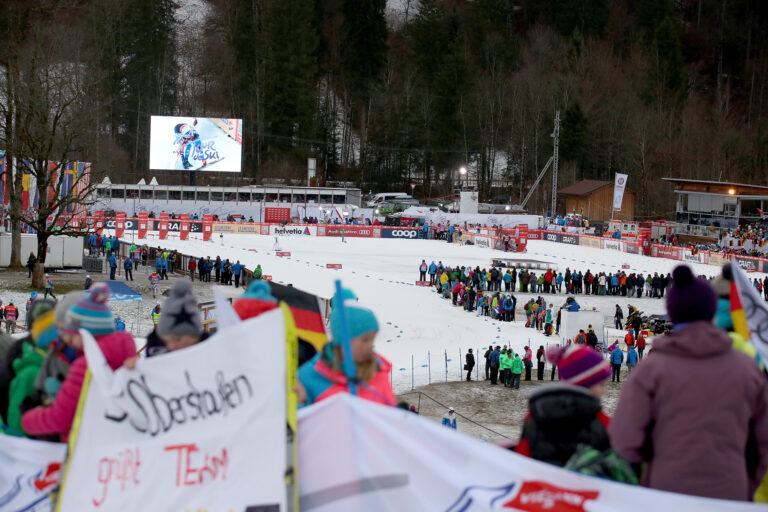
The World Orienteering Championships is the pinnacle event in the sport, attracting athletes from over 50 nations. The sprint relay, a relatively newer addition to the championship program, has quickly become a crowd favorite due to its fast pace and unpredictable nature. Winning a medal at this level requires a combination of physical prowess, technical orienteering skills, mental fortitude, and effective team strategy.
Future Implications and Athlete Development
The results of this sprint relay have several implications for the future of Norwegian orienteering. While the bronze medal is a commendable achievement, the team will undoubtedly be analyzing the final leg closely, identifying areas for improvement to challenge for gold in future competitions. The performances of Victoria Hårstad Bjørnstad, Eirik Langedal Breivik, Kasper Fosser, and Pia Young Vik highlight the depth of talent within the Norwegian squad.
The success of Switzerland, particularly Simona Aebersold’s dominance, serves as a benchmark for other nations. Her consistent victories underscore the importance of continuous athlete development, specialized training for sprint disciplines, and strategic investment in coaching and resource allocation.
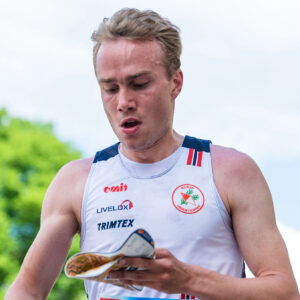
The broader impact of these championships extends beyond the medal table. They provide invaluable experience for athletes, expose the sport to a wider audience, and inspire the next generation of orienteers. The technical and strategic challenges presented by the Genova courses will inform future training programs and course design.
Official Statements and Reactions (Inferred)
While specific quotes from team officials or athletes were not provided in the original text, it can be inferred that the Norwegian team would express both pride in their medal-winning performance and a determination to build upon their success. A spokesperson for the Norwegian Orienteering Federation might have commented on the team’s strong showing throughout the event, acknowledging the exceptional performances of the athletes while also looking ahead to areas where further development is needed to secure top podium finishes. The focus would likely be on the collective effort and the positive trajectory of the sprint program.
Similarly, the Swiss Orienteering Federation would undoubtedly be celebrating their triumph, highlighting Simona Aebersold’s extraordinary individual and team contributions. The Swedish team, with their silver medal, would also be recognized for their strong performance and strategic execution, underscoring the competitive landscape of international sprint orienteering.
Conclusion
The World Orienteering Championships sprint relay delivered a thrilling conclusion, with Norway securing a hard-earned bronze medal. Despite a dominant start and holding a leading position for much of the race, the team ultimately succumbed to the exceptional performances of Switzerland and Sweden. This result, however, solidifies Norway’s position as a leading nation in sprint orienteering and provides valuable lessons and motivation for future competitions. The event served as a compelling showcase of the sport’s demanding nature, the importance of teamwork, and the continuous pursuit of excellence on the global stage.
Results of the World Orienteering Championships Sprint Relay:
- Gold: Switzerland
- Silver: Sweden
- Bronze: Norway
The detailed results of the event can be found at https://eventor.orienteering.sport/Events/Show/8991.

