
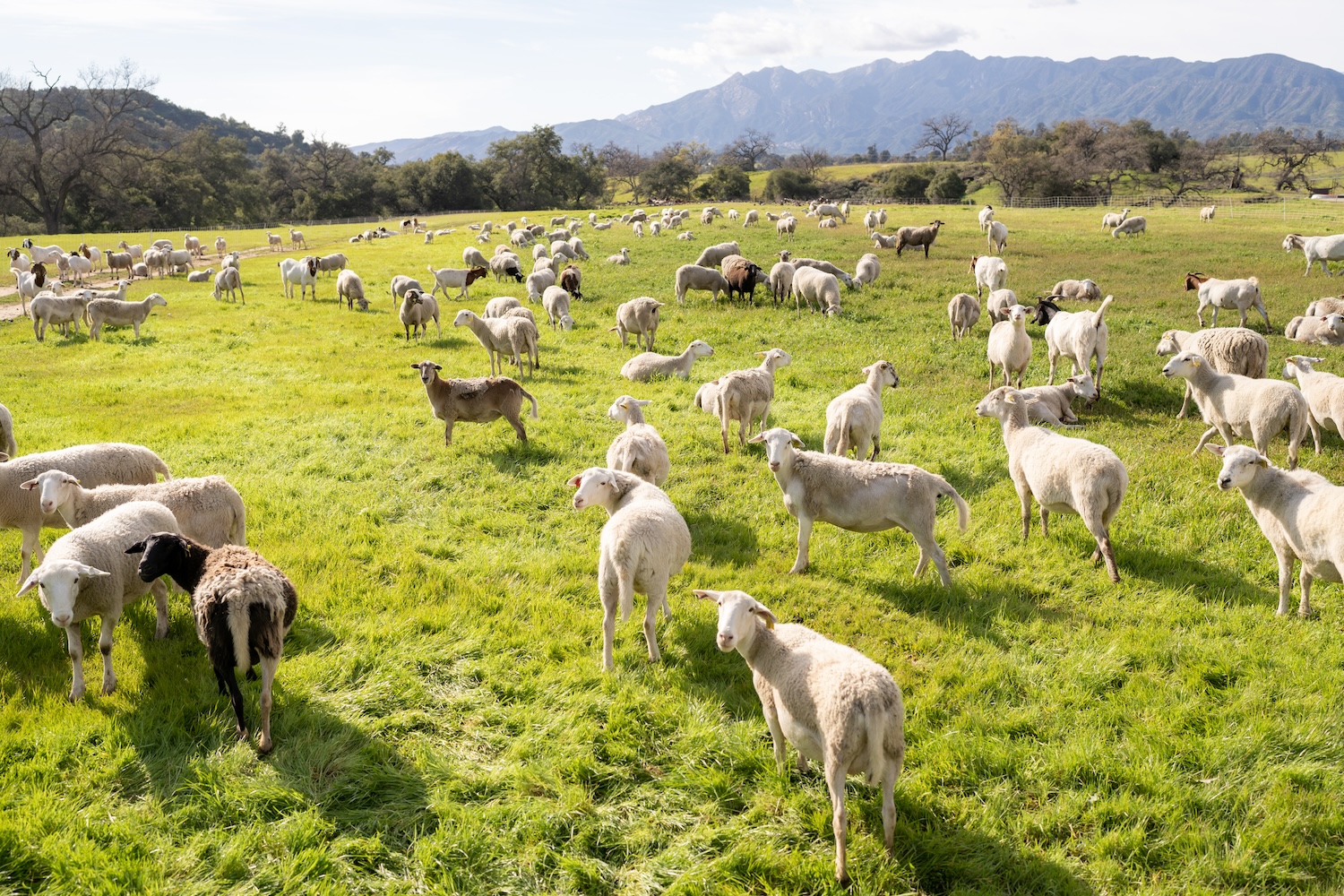
The landscapes of Southern California have been defined by movement for millennia, shaped by the ebb and flow of animals, water, and fire across a varied topography. Historically, native grasses were grazed and trampled by roaming herds long before the advent of modern fire suppression or urban fuel management. This natural cycle prevented the unchecked accumulation of vegetation, creating a dynamic ecosystem that thrived on consumption and regrowth. However, a century of human intervention and a rapidly shifting climate have altered these patterns, leading to a contemporary reality where wildfire has transitioned from an occasional ecological necessity into a persistent and catastrophic threat. As the region grapples with hotter temperatures and invasive species, a traditional method of land management—targeted grazing—has reemerged as a cornerstone of California’s climate adaptation strategy.
The Transformation of the California Fire Regime
The ecological history of Southern California is one of variability. Before modern development, fire moved through these systems with less intensity, functioning as a localized interruption rather than a regional disaster. Today, the convergence of prolonged drought, rising atmospheric temperatures, and the proliferation of invasive annual grasses has fundamentally changed the landscape’s relationship with fire. According to the National Oceanic and Atmospheric Administration (NOAA), climate change has become a primary driver in the increasing severity and scale of wildfires across the Western United States. Hotter, drier conditions have created a feedback loop: intensified wildfires release massive amounts of carbon into the atmosphere, which in turn exacerbates the climate instability that fuels future burns.
This volatility is no longer a seasonal concern but a structural condition of life in the region. For residents and the millions of visitors who utilize the Santa Monica Mountains and Los Padres National Forest, the consequences are tangible. Smoke inhalation, frequent evacuations, and the long-term closure of recreational trails have become the new normal. The instability has further rippled into the state’s economy, triggering insurance withdrawals from high-risk zones and necessitating a complete overhaul of fire hazard mapping and housing policy.
A Chronology of Escalating Crisis (2017–2026)
The shift in public consciousness regarding wildfire resilience can be traced through a series of landmark events that have redefined the region’s topography. The 2017 Thomas Fire, which devastated Ventura County, served as an early warning of the "megafire" era, burning over 280,000 acres and destroying more than 1,000 structures. This event underscored the inadequacy of traditional suppression methods in the face of extreme wind and dry fuel loads.
Subsequent years saw a worsening trend. In 2025, the Madre Fire became the largest wildfire in California for that calendar year, fundamentally reorganizing ecosystems and leaving hillsides unstable. By early 2026, the Sandy Fire in Ventura County further demonstrated the vulnerability of the urban-wildland interface (WUI). These events, coupled with the Los Angeles fires of January 2025, have forced a move toward proactive, biological fuel management. During the 2025 LA fires, the necessity for specialized knowledge became clear as the Ojai Herd and Horse Network was formed to facilitate the emergency evacuation of livestock and large animals, highlighting a gap in traditional emergency response infrastructure.
The Mechanics of Prescribed Grazing
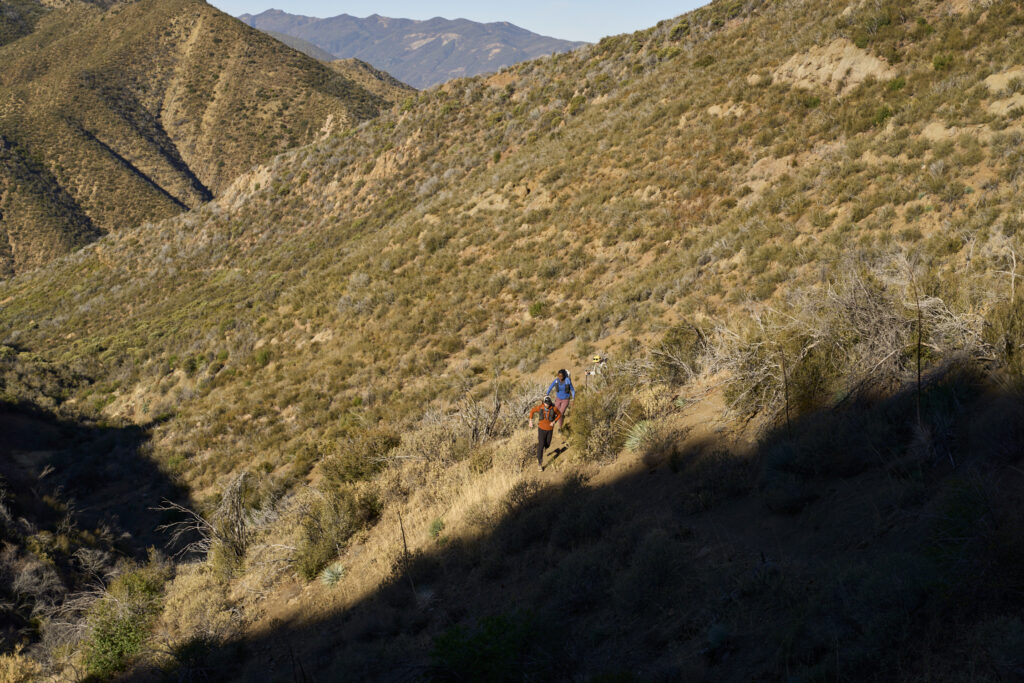
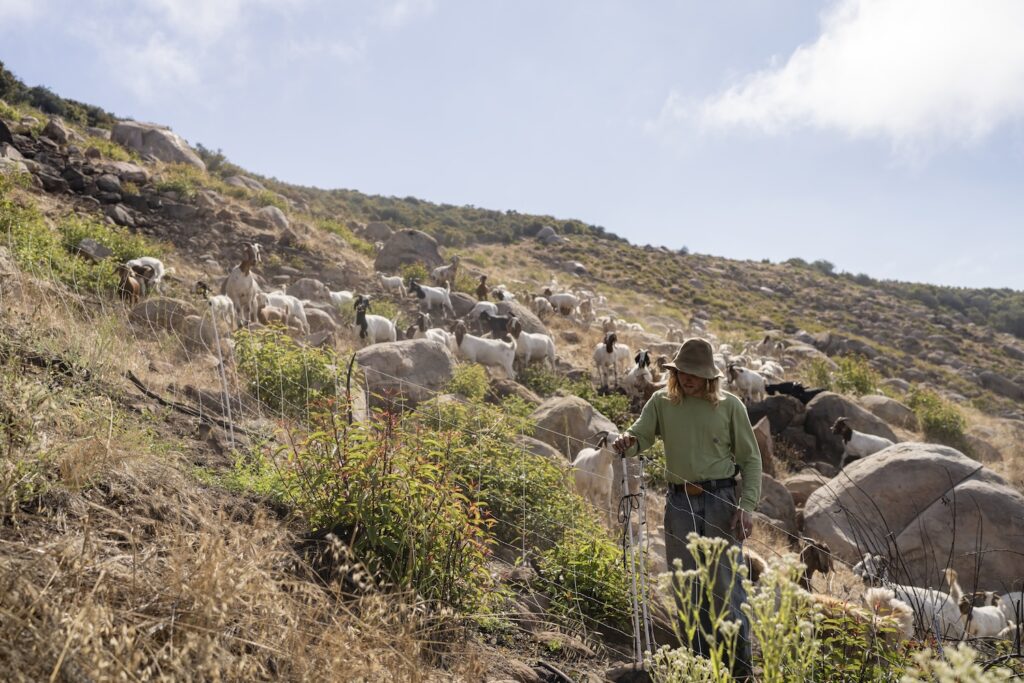
At the center of the region’s adaptation strategy is "prescribed grazing," an intentionally designed form of land stewardship that utilizes sheep and goats to reduce fuel loads. Unlike indiscriminate grazing, this method is highly observational and tailored to the specific needs of the landscape. Cole Bush, a prescribed grazing practitioner and founder of the Shepherdess Land and Livestock Co., describes the work as a "prescriptive approach" that begins with evaluating vegetation density, soil compaction, and wildlife corridors.
The effectiveness of this method lies in the "combo punch" of different species:
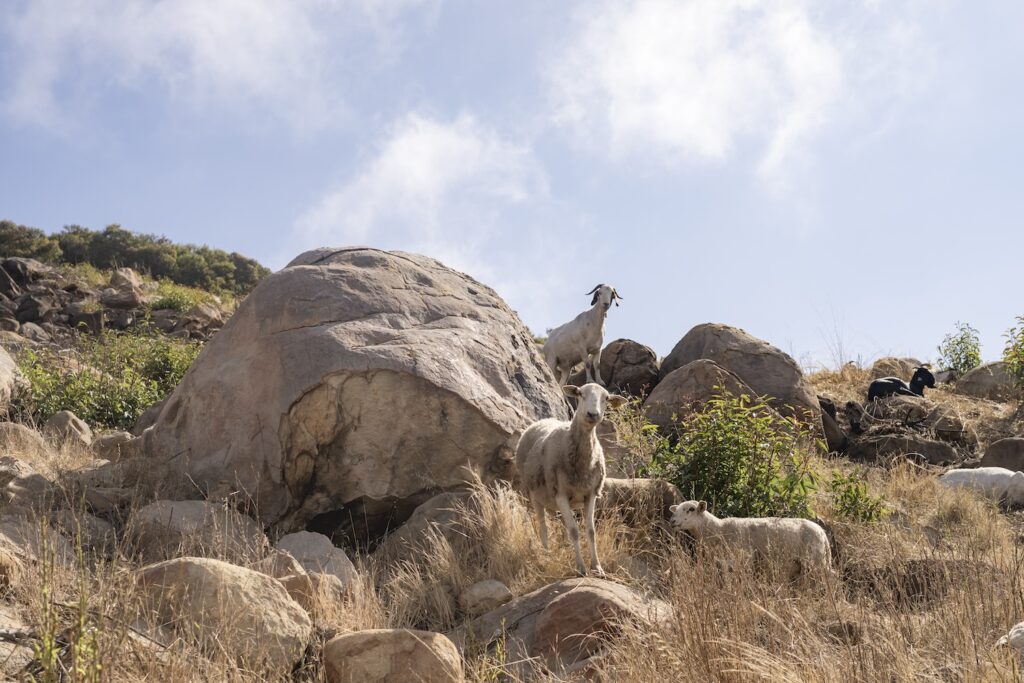
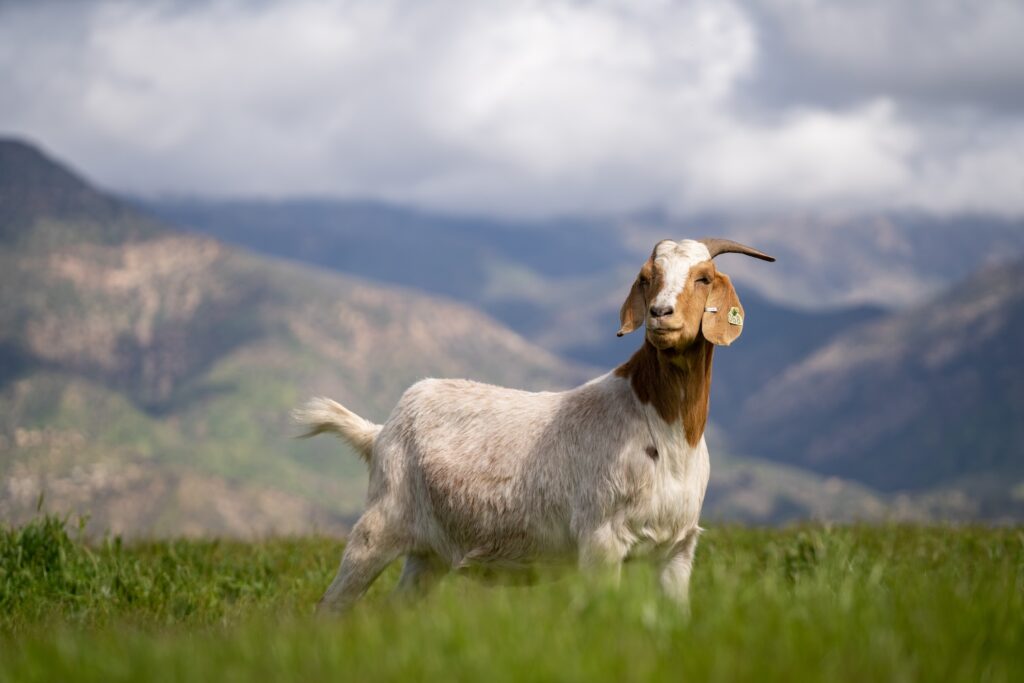
- Goats (Browsers): Prefer woody vegetation, shrubs, and low-hanging tree branches. They are highly efficient at clearing thick brush that acts as ladder fuel for fires.
- Sheep (Grazers): Focus on grasses and lower-growing forage, effectively thinning out the invasive annual grasses that ignite easily and spread fire rapidly across open hillsides.
These animals are uniquely suited for the Southern California terrain. They can navigate steep, technical canyons and utility corridors where mechanical equipment is either too dangerous or ecologically disruptive. Furthermore, small ruminants require significantly less water than cattle and can be moved through suburban streets with minimal public disturbance, making them ideal for the WUI.
Ecological and Economic Data Supporting Biological Management
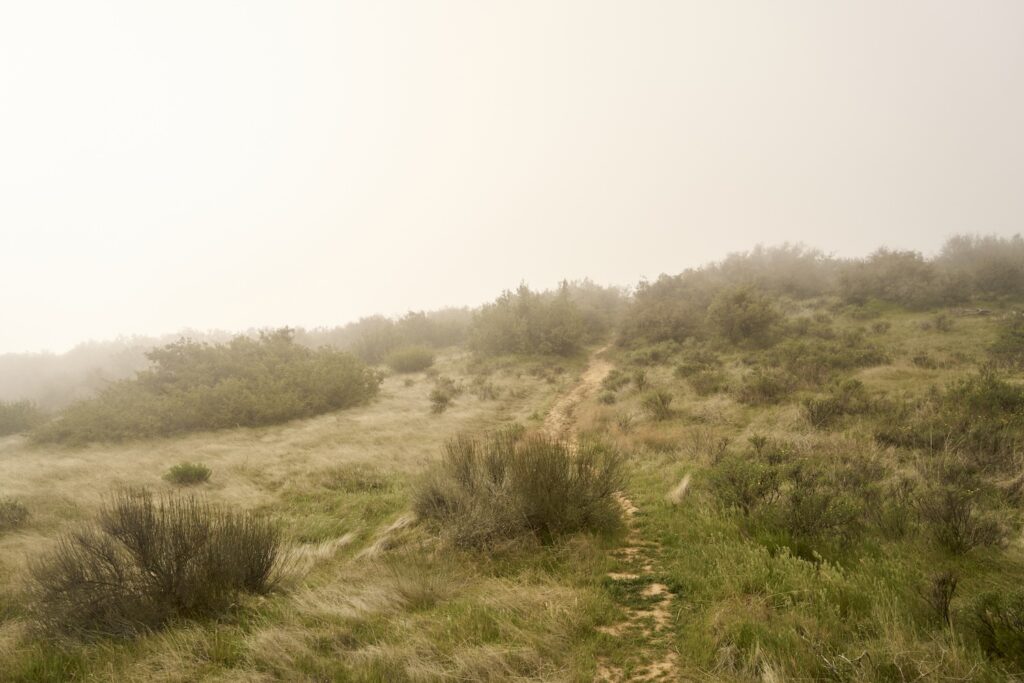
The reintroduction of grazing is supported by emerging data on ecosystem health and fire behavior. Research indicates that properly managed grazing patterns do more than just remove fuel; they promote the growth of native plants. By suppressing invasive species that have shallow root systems, grazing allows deep-rooted native perennials to thrive. These native plants are more resilient to fire and better at retaining soil moisture, which helps prevent the catastrophic erosion and mudslides that often follow major burns.
From a carbon management perspective, the benefits are two-fold. While wildfire releases stored carbon, healthy grasslands managed through grazing act as reliable carbon sinks. Additionally, the use of animals reduces the need for fossil-fuel-powered machinery and chemical herbicides in land clearing.
Economically, the cost of wildfire suppression and recovery in California has reached billions of dollars annually. Targeted grazing represents a shift toward "upfront investment." By spending resources on fuel reduction before ignition occurs, municipalities can potentially lower the long-term costs associated with emergency response and infrastructure repair. This has led to increased support from organizations like the Ojai Valley Fire Safe Council, which views stewardship as a long-term cultural adaptation rather than a temporary emergency measure.
The Intersection of Recreation and Stewardship
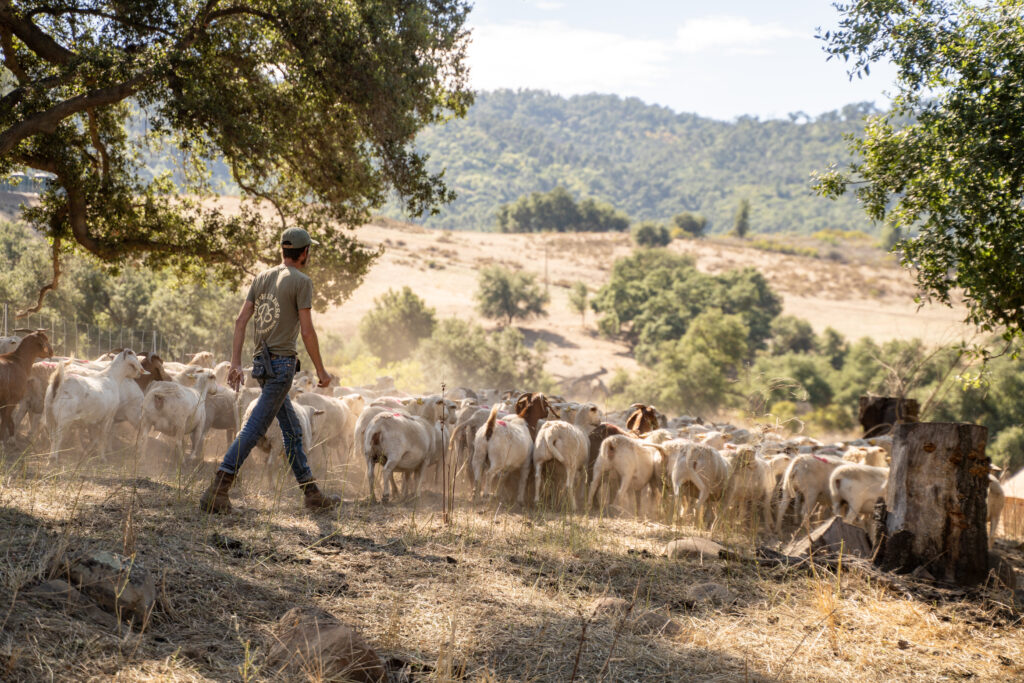
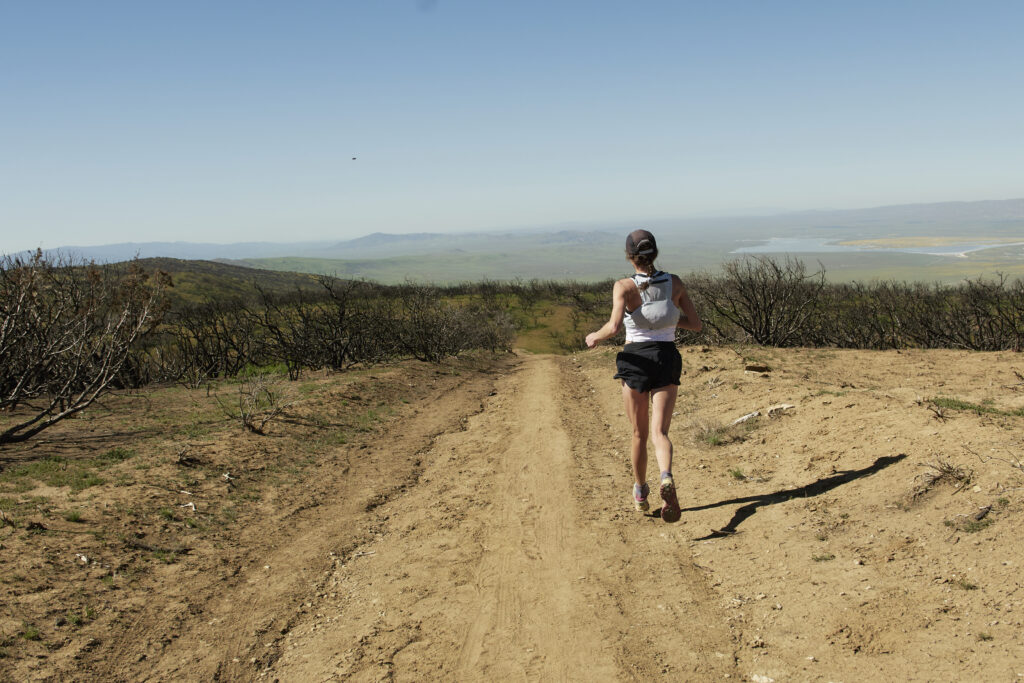
Southern California’s outdoor culture, particularly the trail running and cycling communities, has had to confront the reality that the "wild" spaces they enjoy are increasingly fragile. For years, the illusion of these landscapes as permanent and invincible persisted. However, the recurring cycle of fire and trail closures has collapsed the divide between recreation and land management.
Liam Pickhardt, a photographer and filmmaker who documents Western landscapes, notes that trail runners often possess a unique, intimate awareness of the land’s transformation. "Trail runners interact with landscapes on a very intimate level, often finding the nuances that more general observers do not pick up on," Pickhardt observed. This intimacy has fostered a growing sense of responsibility within the recreation community. Active management is now seen as a prerequisite for the continued existence of these public spaces. The trails do not stay intact on their own; they require the labor of shepherds, fire crews, and restoration ecologists to remain inhabitable and accessible.
Policy Implications and Community Resilience
The governance of California is increasingly shaped by the realities of fire. Updated fire hazard maps and new defensible space regulations are now central to regional politics. Kalli O’Connor, Assistant Director of the Ojai Valley Fire Safe Council, emphasizes that wildfire resilience cannot rely solely on suppression. Instead, it requires a "layered system" of strategies, including prescribed fire, fuel breaks, and community education.
The shift in policy is also driven by the insurance crisis. As private insurers pull out of fire-prone regions, the state has had to step in with the FAIR Plan, and local governments are under pressure to prove that they are taking proactive steps to mitigate risk. Prescribed grazing has become a visible and effective way for communities to demonstrate this proactivity.
Conclusion: A Movement Toward Coexistence
The future of Southern California is inextricably linked to how its inhabitants—both human and animal—move across the land. The modern shepherd has emerged not just as a livestock manager, but as a form of ecological activist. By reintroducing the ancient rhythm of grazing to the hillsides of Malibu, Ventura, and Ojai, practitioners like Cole Bush are helping to build a landscape that is capable of living with fire rather than being destroyed by it.
As the climate continues to change, the "brittle environment" of the Mediterranean-style coast will require constant attentiveness. The story of Southern California is no longer one of conquering the wilderness, but of shepherding a movement toward resilience. Landscapes are shaped by what moves through them, and currently, the steady movement of sheep and goats across the hillsides offers a path forward in an era of ecological instability. The integration of traditional knowledge with modern climate science provides a blueprint for how communities can continue to call these volatile, beautiful landscapes home.

