
The 2025-2026 winter season across the Western United States has concluded as one of the most volatile and meteorologically concerning periods in recent history. Characterized by experts as a "hot mess," the season was defined not by a lack of moisture, but by a catastrophic absence of the cold temperatures necessary to sustain a viable snowpack. As the region transitions into the summer months, hydrologists, climatologists, and resource managers are evaluating the data from a winter that saw ski resorts struggle to remain operational and mountain snowpacks vanish months ahead of historical norms. The implications of this "low tide" season extend far beyond the recreation industry, threatening the stability of the Western water supply and the health of delicate aquatic ecosystems.
The Anatomy of a Warm Winter: Precipitation vs. Temperature
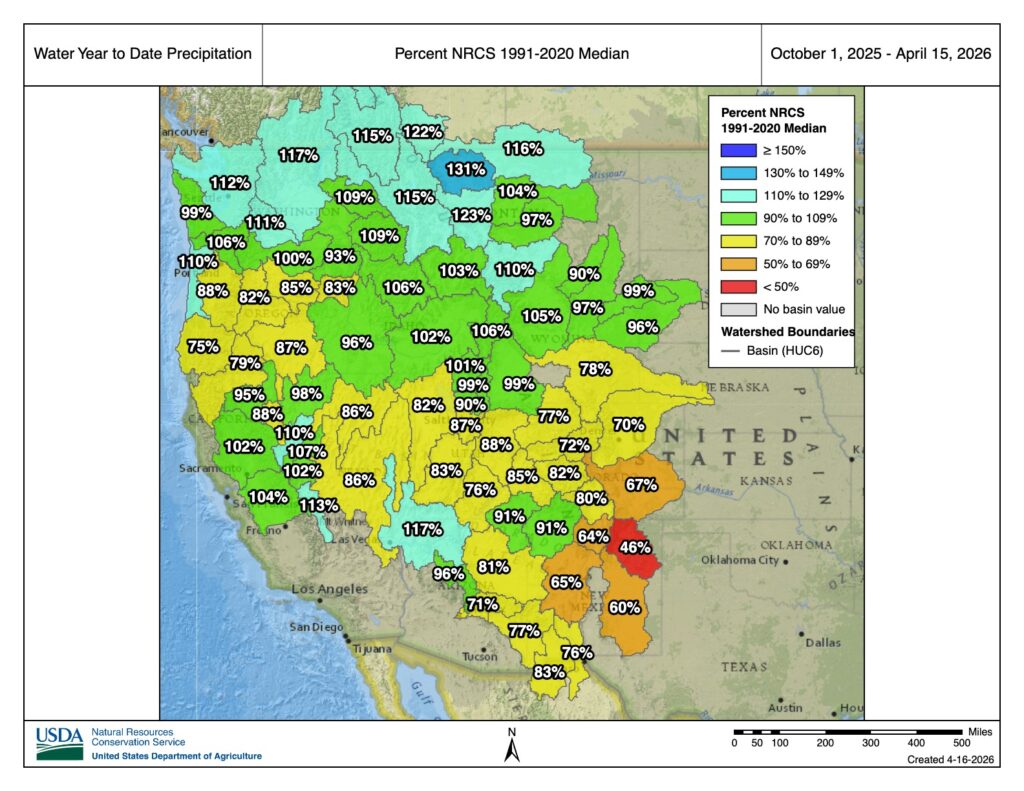
The fundamental "recipe" for a healthy snowpack requires a delicate balance of two primary ingredients: consistent precipitation and sustained freezing temperatures. Data from the 2025-2026 water year reveals a startling divergence between these two factors. According to reports from the Natural Resources Conservation Service (NRCS), precipitation levels across much of the West were statistically unremarkable. While Oregon, Utah, and Colorado experienced slightly drier-than-average conditions, other regions—including Washington, Idaho, Montana, and northwest Wyoming—actually trended toward the wetter side of the historical mean.
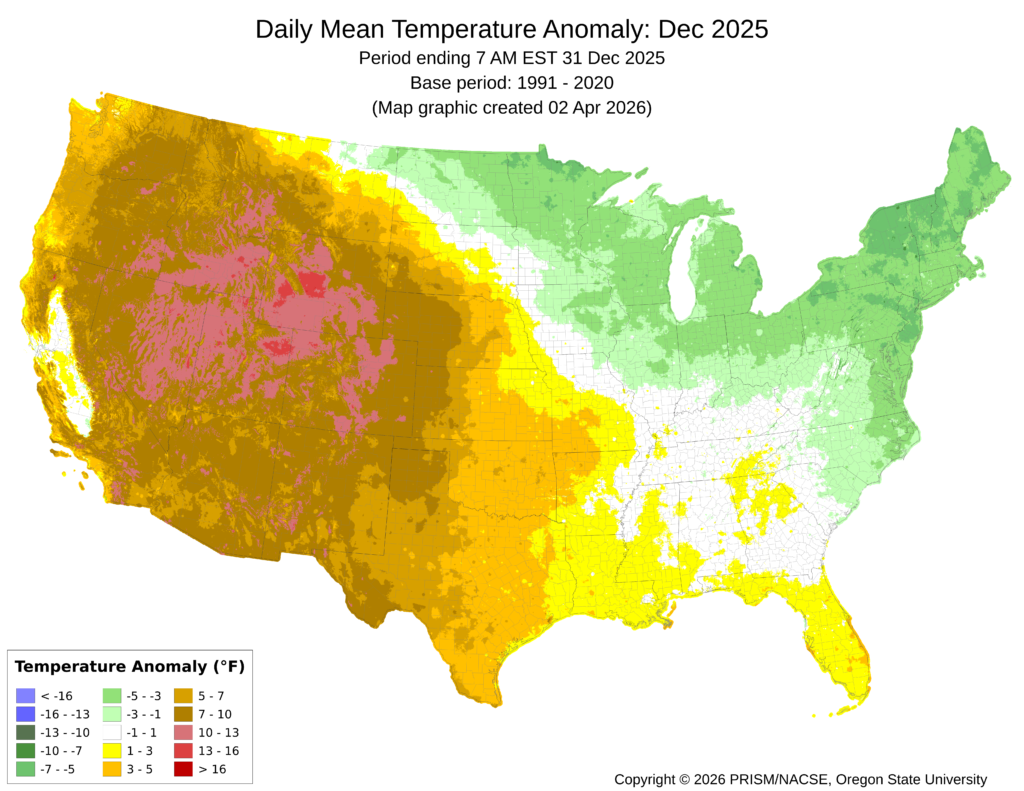
However, the abundance of moisture was largely offset by record-breaking warmth. The "smoking gun" of the season was the persistent temperature anomaly that gripped the Western United States. December 2025, in particular, proved to be a pivotal month. Temperature maps from the PRISM Climate Group indicated that much of the West experienced temperatures between 5 and 15 degrees Fahrenheit above the long-term average. In contrast, the Northeast and Upper Midwest saw temperatures as much as 5 degrees below average, highlighting a stark longitudinal divide in North American winter weather patterns.
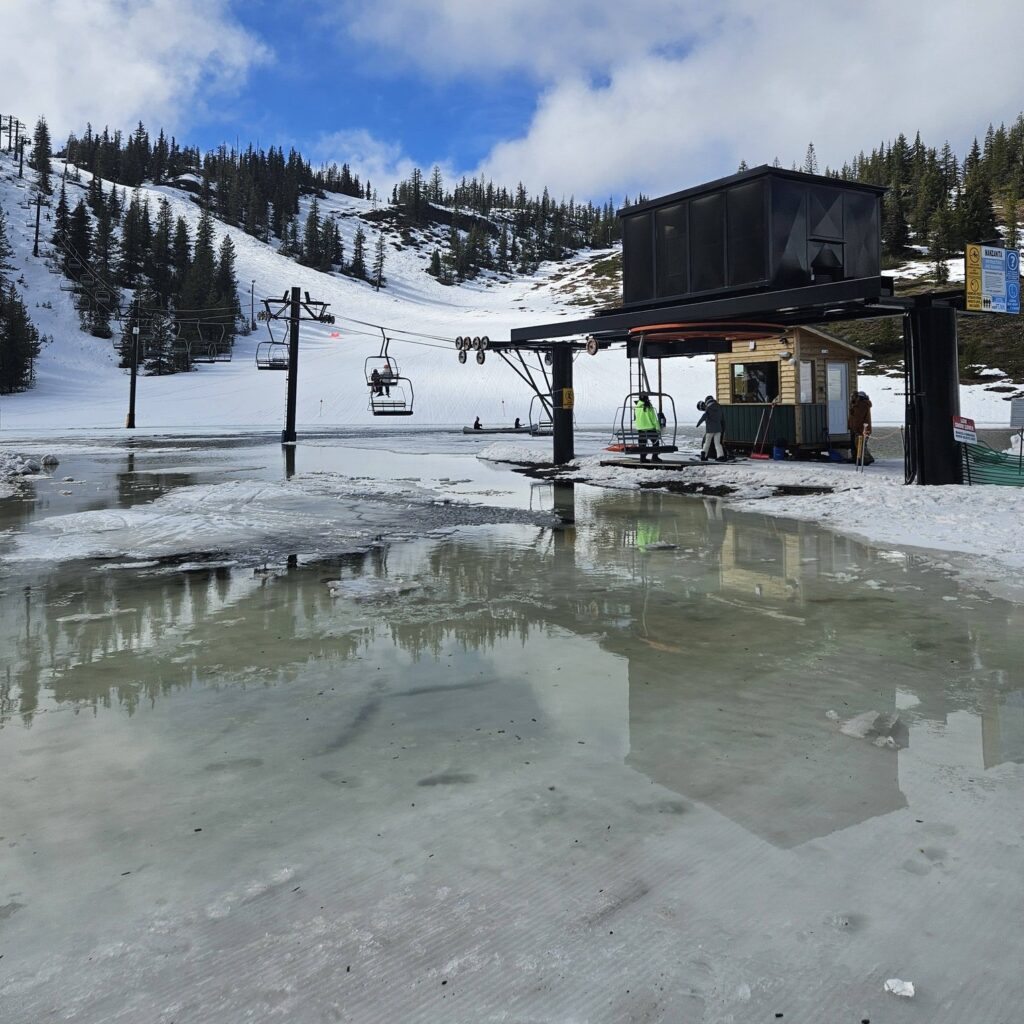
This warmth fundamentally altered the phase of precipitation. In many high-elevation basins where snow is typically the default, moisture fell as rain or "winter mix," preventing the accumulation of a seasonal base. This phenomenon led to what many observers called "unscheduled pond skims," such as the one recorded at Hoodoo Ski Area in Oregon’s Santiam Pass in mid-March, where melting snow created standing water on active runs weeks before the traditional end of the season.
Chronology of a Disappearing Season
The 2025-2026 season was defined by a series of "shifting goalposts" for outdoor enthusiasts and resort operators. The typical timeline for a Western winter involves a solid base established by the Thanksgiving holiday, with significant accumulation by the New Year. This year, that timeline was repeatedly reset.
- The Late Autumn Stall: November and early December failed to provide the necessary cooling for snowmaking or natural accumulation.
- The December Heatwave: The mid-winter period, usually the peak of accumulation, saw record-high temperatures that decimated early-season gains.
- The Holiday Delays: Resort operators were forced to push back opening dates and full-mountain operations from the New Year’s holiday to Martin Luther King Jr. Day.
- The Spring Collapse: By President’s Day weekend, many regions were already seeing conditions more typical of late April. By the time Spring Break arrived, the "snow-off" process—the point at which the ground becomes bare—was already well underway.
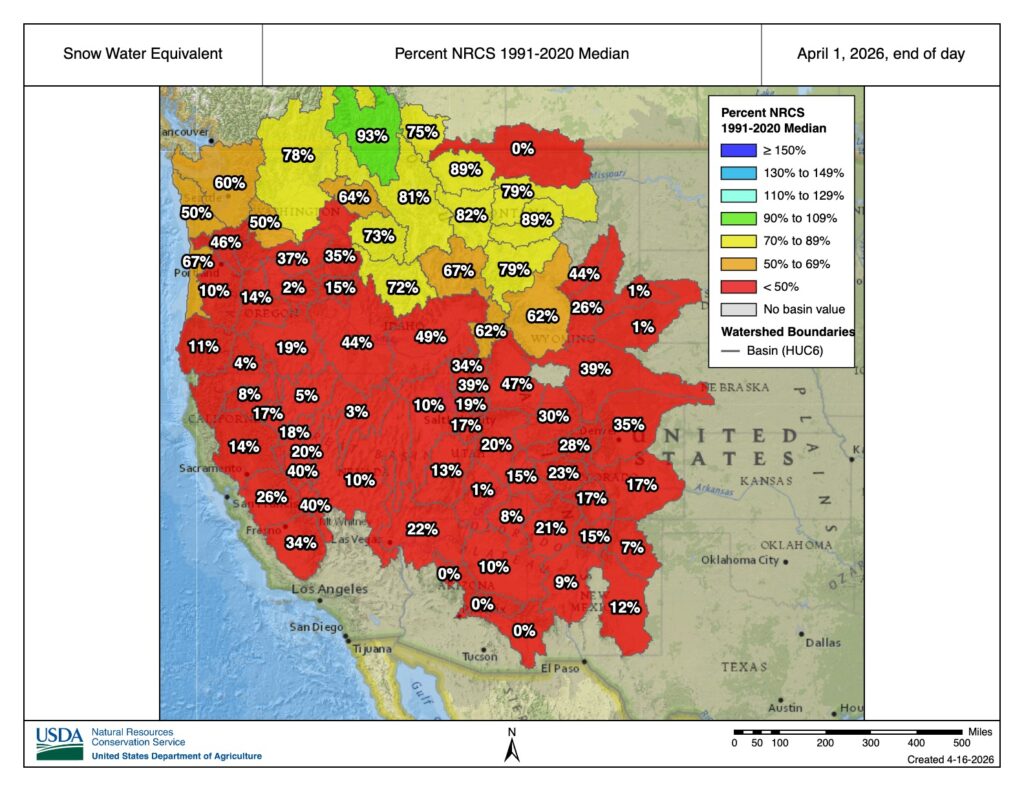
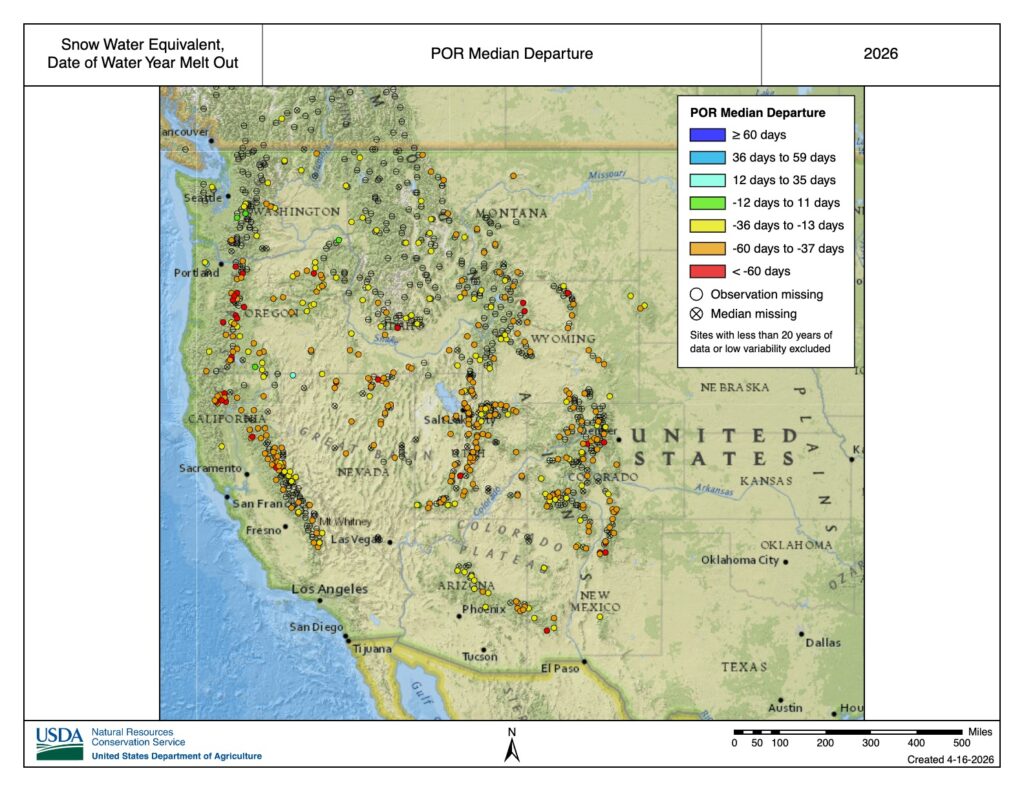
By April 1, a date traditionally used as the benchmark for peak snow water equivalent (SWE) in the West, the data was grim. Observation stations across the Cascades, the Sierra Nevada, and the Rockies reported SWE values that were a mere fraction of the long-term average. Many SNOTEL (Snow Telemetry) sites recorded their lowest peak values in 45 years. Most alarmingly, the "snow-off" dates in several locations occurred not just days or weeks early, but as much as two months ahead of schedule.
The Hydrologic Cycle and the "Distributed Reservoir"
To understand the gravity of a failed snow season, one must consider the scale of Earth’s water resources. While the planet is often called the "Blue Marble," the amount of accessible freshwater is remarkably small. If all of Earth’s water were gathered into a single sphere, its diameter would be only about 40% of the moon’s diameter. Of that, less than one-hundredth of one percent is available as accessible freshwater to support human civilization.
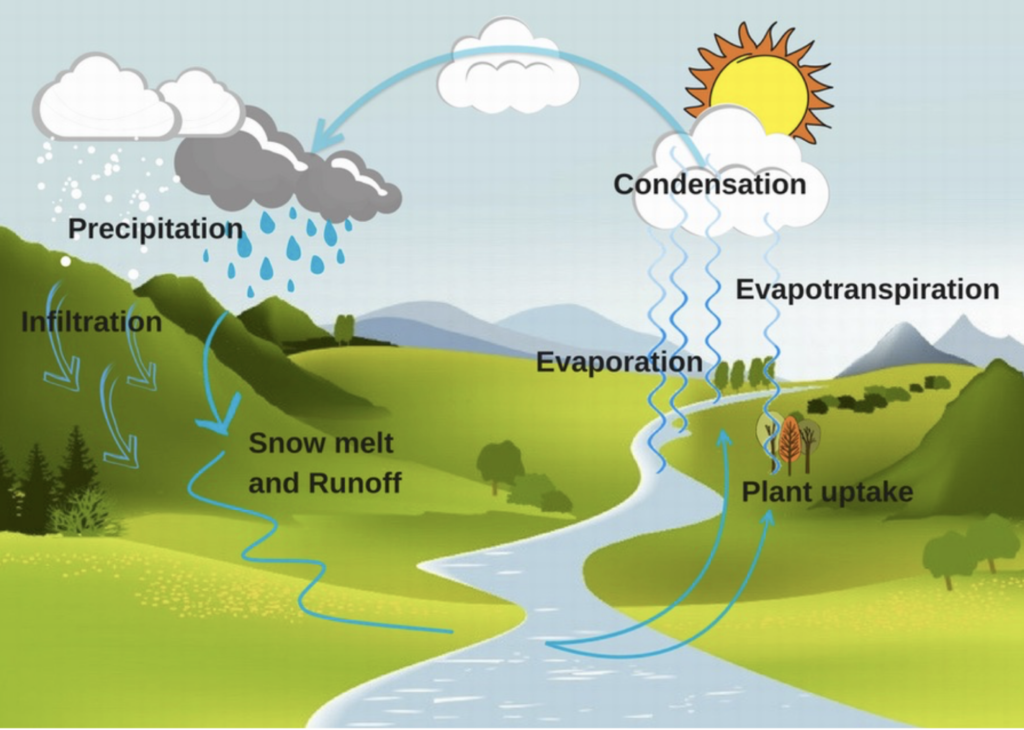
In the Western United States, the seasonal snowpack acts as a critical "distributed reservoir." This natural infrastructure holds back vast quantities of water during the winter months and releases it slowly during the late spring and summer when demand for irrigation and municipal use is at its highest. This lag between precipitation and runoff is essential for several reasons:
- Flood Mitigation: By storing water in solid form, the snowpack prevents massive runoff events that would otherwise overwhelm river systems during winter rainstorms.
- Thermal Regulation: Slow-melting snow provides a consistent influx of cold water into streams, which is vital for the survival of salmon, trout, and other temperature-sensitive aquatic species.
- Storage Capacity: At its peak in early April, the water stored as snow in the contiguous United States is estimated to be approximately five times the capacity of Lake Mead, the nation’s largest man-made reservoir.
The failure of this "snow reservoir" in 2025-2026 means that the West has essentially lost its most significant insurance policy against summer drought.
Regional Impacts and the Colorado River Crisis
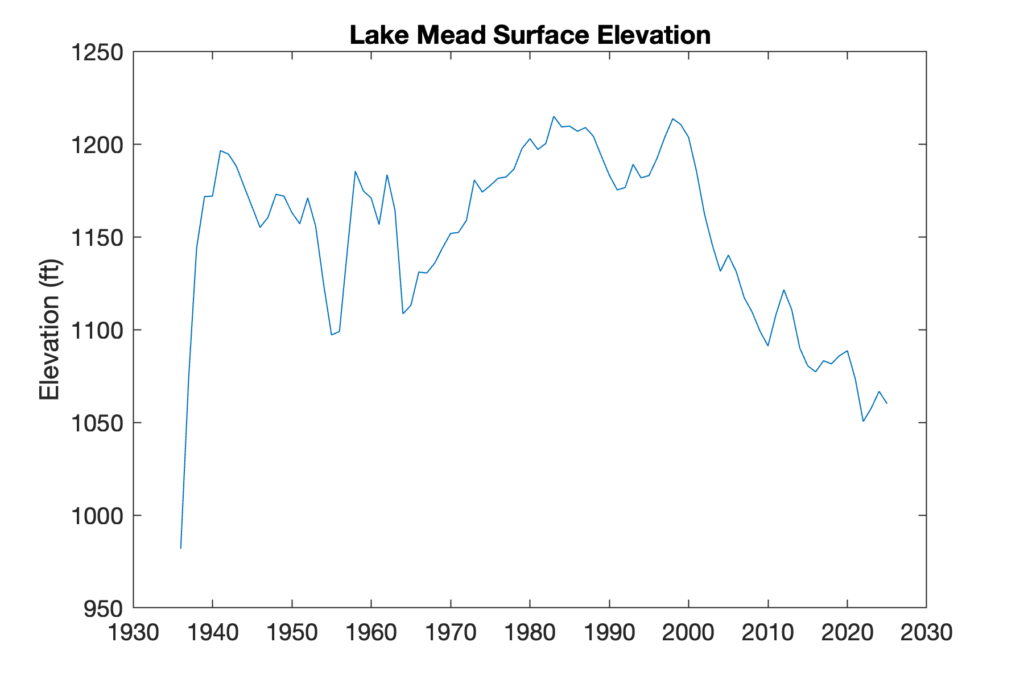
The absence of snow is felt most acutely in the Colorado River Basin, a system already under immense stress from decades of aridification. Lake Mead, the reservoir behind the Hoover Dam, has seen steadily declining elevations for years. The 2025-2026 season has only accelerated the urgency of water allocation discussions among the seven basin states and Mexico.
Municipalities in the Lower Basin, including Las Vegas, Phoenix, and Los Angeles, rely on the predictable melt of the Rocky Mountain snowpack to fill the reservoirs that sustain their populations. Similarly, the agricultural sectors in California’s Imperial Valley and Arizona face increasingly difficult choices as the "water bank" of the mountains fails to replenish.
Agricultural experts suggest that the early melt-out will lead to a "short-cycle" growing season, where water is abundant in the early spring but completely unavailable by the heat of July and August. This mismatch between supply and demand is the primary challenge facing modern water infrastructure, which was largely designed for a climate where snow remained on the peaks well into the summer.
Economic and Ecological Reactions
The economic fallout of the 2025-2026 season has been immediate. The ski industry, a multi-billion dollar driver of rural economies in states like Colorado, Utah, and Oregon, faced a year of "paused operations" and early closures. While large conglomerate resorts with advanced snowmaking capabilities were able to weather the season, smaller, community-run ski areas struggled to survive.
Industry groups like Protect Our Winters (POW) and various backcountry associations have expressed deep concern over the trend lines. "We are seeing the erosion of the very season that defines our culture and our economy," noted one industry analyst. "It is no longer about a ‘bad year’; it is about a shifting baseline."
From an ecological standpoint, the early loss of snowpack creates a "thermal debt" for the summer. Without the cooling influence of snowmelt, mountain streams are expected to reach record temperatures by mid-summer, likely triggering fishing closures and impacting fish hatchery operations. Additionally, the early "snow-off" dates mean that mountain soils and vegetation will begin drying out months earlier than usual, significantly lengthening the wildfire season and increasing the risk of high-intensity burns in alpine forests.
Conclusion: Long-Term Trends and the "Glass Half Full" Perspective
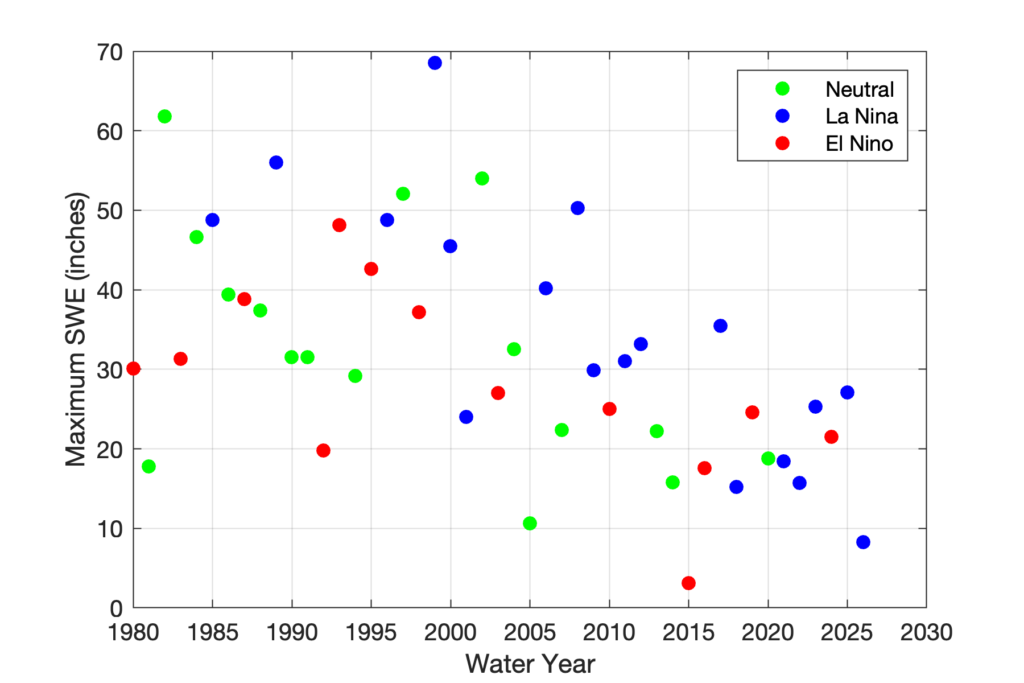
While the 2025-2026 season is a stark outlier in terms of its "hot mess" characteristics, it aligns with long-term climate data showing a general dwindling of snowpack across the West. Analysis of historical data from sites like Hogg Pass in Oregon shows that while annual variability remains high—with "boom" years occasionally following "bust" years—the maximum annual snow water equivalent is trending downward.
However, researchers like Dr. David Hill of Oregon State University emphasize that understanding these cycles is the first step toward resilience. The unpredictability of snow requires a "long game" approach to water management. While the 2025-2026 season has been a source of disappointment and "climate grief" for many, it serves as a critical data point for future planning.
The lesson of the current year is that the Western United States can no longer rely solely on the "frozen reservoir" of the mountains. As the region moves into a summer of potential water shortages and heightened fire risk, the focus must shift toward more robust water conservation, improved groundwater recharge, and a fundamental rethinking of how a "glass half full" of water—rather than snow—can be managed to sustain the region’s future. The 2025-2026 season may be remembered not just for its lack of snow, but as the year the West was forced to confront the reality of a warming winter.

