
For three decades, Whitelines Snowboarding Magazine has carved an indelible path through the snow-covered slopes of action sports media, evolving from a nascent, irreverent print fanzine into a global digital powerhouse. As it commemorates its 30th anniversary, the publication stands as a testament to resilience, adaptability, and an unwavering commitment to the anarchic spirit of snowboarding. Co-founded in 1995 by Jim Peskett and Tudor "Chod" Thomas, both veterans of Snowboard World Magazine, Whitelines emerged at a pivotal moment in snowboarding history, capturing the raw, burgeoning energy of a sport on the cusp of mainstream recognition. Its journey, characterized by audacious humor, authentic storytelling, and a healthy disregard for convention, mirrors the very counter-culture it sought to represent.
The Genesis of Chaos: Mirroring the 90s Snowboard Scene
The 1990s witnessed snowboarding’s dramatic ascent from a fringe activity to a globally recognized sport. With this surge in popularity came a proliferation of media outlets vying to capture the essence of the scene. Yet, Whitelines distinguished itself not by conforming, but by embracing a distinctive, self-deprecating, and often chaotic identity. Former editor and cover star Chris Moran aptly encapsulated its essence, describing the early days as "Idiots try to put a mirror up to the burgeoning 1990s snowboard scene, but accidentally turn it on themselves instead. Blinded by the glare of their own stupidity, they head out on the kind of travel adventures where someone has to climb into a board bag that’s strapped to the roof rack because they’ve forgotten their passport.” This pithy summary highlights the blend of genuine passion and unadulterated madness that defined Whitelines.
In 1995, as snowboarding transitioned from "primordial ooze" to an "energy-drink-fuelled, Olympic-partaking, quad-corking, multi-million dollar behemoth," Peskett and Thomas envisioned a publication that defied the growing corporate sheen. Their "debaucherously British snowboarding fanzine" was conceived in a tiny Oxfordshire office, operating with a lean budget and a seemingly deliberate lack of editorial polish. This unconventional approach, rather than being a hindrance, proved to be its greatest strength, fostering an authenticity that resonated deeply with its target audience.
Early Challenges and Unconventional Solutions
The early days of Whitelines were marked by logistical challenges that would be unthinkable in today’s digital age. "We had no budget, no real understanding of how to make a magazine, and no idea of things like spelling, storytelling or basic decency," Moran recalled. This environment, far from stifling creativity, seemingly liberated it. The magazine launched in a pre-email era, meaning articles for the first two seasons were often dictated over public payphones using pre-paid phone cards from remote locations, with a company secretary, Milly, transcribing them from "scraps of paper." This process inevitably led to endearing errors, such as "Tignes" appearing as "teens" in print, which only added to the magazine’s charm and street credibility.
Crucially, the absence of instantaneous feedback mechanisms like social media allowed the editorial team unparalleled freedom. "Pre-social media, we were all just screaming at the moon. Who knew what others thought of what we did?" Moran reflected. The primary metric for success often revolved around eliciting a reaction from their publisher, Jim Peskett. "As long as we annoyed our publisher Jim, we just thought things were going well!" This rebellious spirit permeated every aspect of the magazine, from its content to its presentation.
A Star Was Born: Irreverence and Identity
Whitelines quickly carved out a niche by championing the simple, joyous act of strapping onto a plank of wood and letting gravity do the work. It embodied the decidedly unserious nature of snowboarding, presenting a counter-narrative to the increasingly professionalized aspects of the sport. The magazine’s identity was that of "a beer-chugging, weed-smoking, authority-flaunting one wrapped between gloss paper."
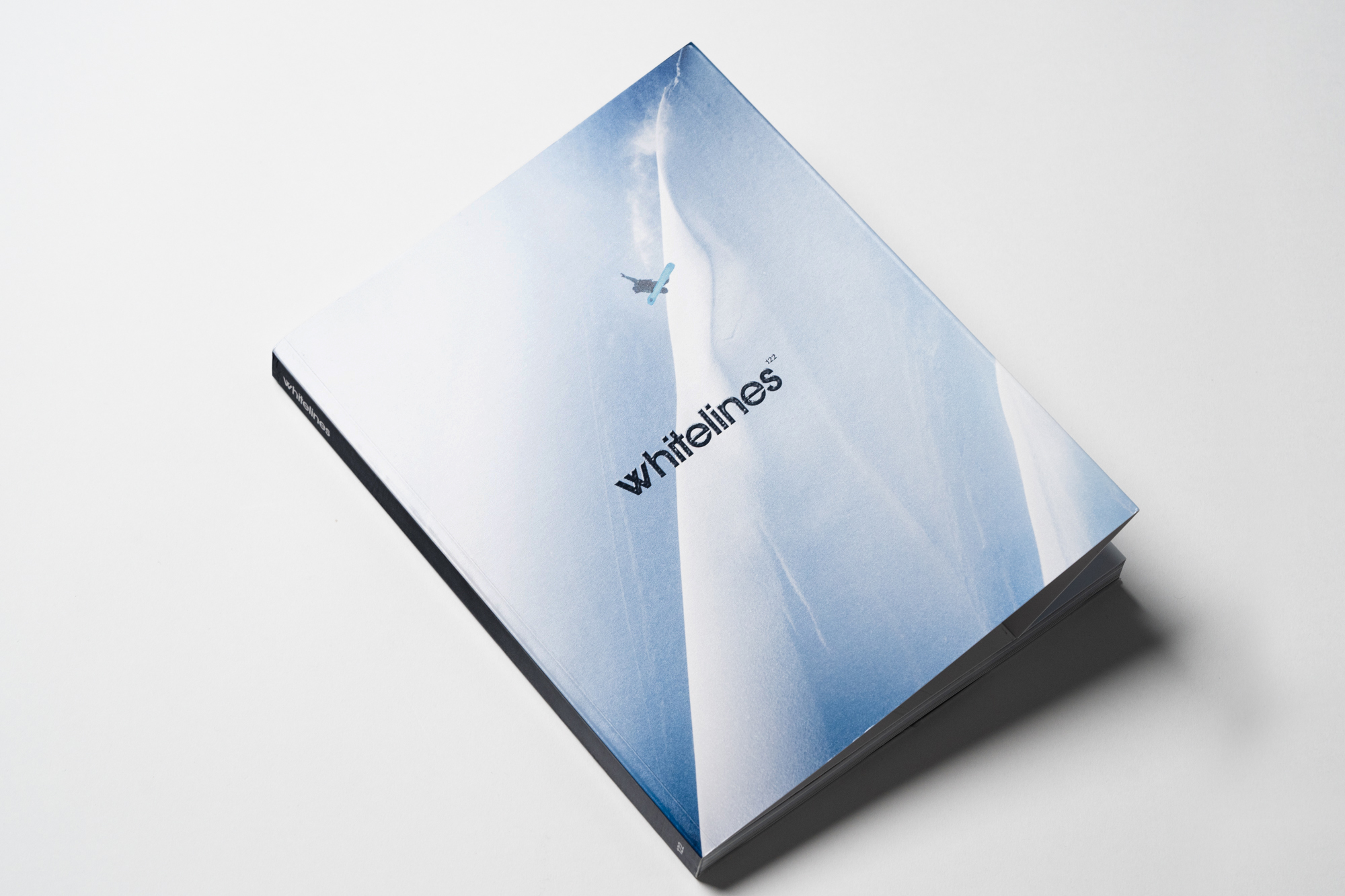
One of its most iconic features was the mischievous "face spine titles" concocted by designer-in-chief Chod. Each month, the spine of the magazine would bear a different, often absurd, title, transforming it into a collectible and a talking point. Examples like "Dwarf Throwing Monthly," "Working With Endangered Animals Weekly," and "Neck Brace Monthly: The Skyscraper Issue" (an imaginary magazine for those who couldn’t look up at tall buildings) cemented Whitelines’ reputation for irreverent humor and playful subversion. These titles were more than just jokes; they were a subtle act of rebellion, a constant wink to the reader, reinforcing the idea that this was a magazine that didn’t take itself—or much else—too seriously.
Chaos Reigns Supreme: Legendary Antics and Reader Engagement
The "conquistadors of chaos" moniker was hard-earned. The magazine’s staff cultivated a reputation for antics that would make "Led Zep blush," as the article suggests. Former staff member Russ Ward famously shaved a large stuffed marmot in an Austrian hotel, leaving only a "mad Lemmy-style goatee," much to the dismay of the hotel owner who also discovered her other taxidermy animals had been "messed with." These stories, shared amongst the snowboarding community, became part of the Whitelines legend, reinforcing its image as the "naughty kids at school."
Beyond their personal escapades, Whitelines engaged its readership through equally audacious means. Contests and competitions often featured deliberately ludicrous postal addresses, such as "send your entries to ‘the crack in the arse cheeks of Jim Peskett, 1 Stert Street, Abingdon’." While these pranks delighted readers and fueled the magazine’s rebellious image, they drew the ire of the UK Post Office, which threatened publisher Jim Peskett with blacklisting—a threat that could have shuttered the entire publishing business. Peskett would "literally plead" with the staff to cease the practice. Yet, even reader complaints were met with typical Whitelines defiance; a letter from a mother banning her son from reading the magazine resulted in him receiving a "free subscription for life" and her letter being awarded "letter of the month." This reciprocal relationship of playful provocation and enthusiastic engagement underscored the deep connection Whitelines forged with its audience.

The Digital Revolution: Navigating a Changing Media Landscape
By the mid-2010s, the media landscape was undergoing a seismic shift. The print age, once dominant, was waning under the relentless march of digital technology. The shelves of snowboard magazine stockists began to thin, reflecting a broader trend of declining print circulation and advertising revenue across the publishing industry. Readers increasingly sought instant gratification and convenience, pivoting from monthly print editions to constant, accessible online content.
This shift presented a critical juncture for Whitelines. While some publications struggled to adapt, others, like Whitelines, recognized the imperative to evolve. The analogy of "Fergie Time" in football, where a last-minute comeback is always possible, aptly describes the magazine’s strategic pivot. In 2015, after two decades and 120 issues, WL120 became the final print edition. The announcement, made online, featured a candid statement from editor Ed Blomfield. He acknowledged the heartbreak of ending a "paper publication into which we poured heart and soul over two decades," but emphasized the strategic necessity. Factory Media’s decision to "sacrifice print" allowed the editorial team to channel their "passion and energy into their websites," promising a "slicker website delivering more unique video, more gear reviews, more how-tos, more travel… more of all the things you enjoy."
This digital transformation was not merely a survival tactic; it was an opportunity for growth. Freed from the constraints of print deadlines and production costs, Whitelines embraced its new online identity with remarkable agility. Its already popular "Whitelines 100" gear guides, a benchmark for seasonal product recommendations, flourished with expanded digital content, video reviews, and interactive features. The online platform allowed Whitelines to transcend its origins as a UK-centric publication, transforming it into a "true worldwide favorite" with a global reach.
The Comeback Kid: Resilience and Enduring Passion
The media industry is notoriously fickle, with publications often falling victim to economic shifts or changing consumer habits. Whitelines, however, has proven to be a perennial "comeback kid," a "cockroach that refuses to die," or "the chewing gum stuck to the sole of snowboarding’s gaffa-taped boot." This extraordinary resilience is attributed not to vast budgets—the early days were famously "shoestring and a dream," with staff "begging, borrowing and stealing enough to get all 120-odd editions out!" and even "eBaying pretty much every bit of product that anyone ever sent in" to stay afloat—but to the profound passion of the individuals at its helm. Their dedication to snowboarding and to the magazine’s unique ethos has ensured its survival, even through metaphorical "experimental emergency surgery with no anaesthesia during a power cut."
In 2019, Whitelines briefly returned to print with "The Whitelines Annual," a "short and sweet" second foray that delivered three magazines featuring over 600 pages of exclusive interviews, stunning photography, and compelling written content from the sport’s top talents, with Ed Blomfield once again leading the charge. This limited print run served as a nostalgic tribute to its origins while reaffirming its commitment to high-quality, in-depth journalism.

Whitelines in the Digital Age: 30 Years and Beyond
As of 2026, Whitelines has once again fully embraced its digital identity, operating as a purely online entity. This strategic focus leverages the "sheer reach of digital versus print," acknowledging that while the allure of a physical magazine remains, the scale of digital engagement is unmatched. The platform now curates and cultivates a "crack team of proper snowboarders across three continents" to deliver premium gear reviews, in-depth interviews that "lift the curtain" on the industry, timely "culture hits," and "boots-on-the-ground event coverage."
The numbers speak volumes: this season alone, Whitelines’ website attracted 2 million visitors, while its social media channels boast over 750,000 followers. The publication’s content is now ubiquitous, appearing across various digital platforms and even "AI snippets." This expansive reach starkly contrasts with the challenges of selling 20,000 copies of a print magazine in the contemporary market.
Despite the exponential growth in content volume and audience reach, Whitelines remains steadfast in its core tenet: every piece of content must be engaging, informative, or amusing—ideally all three. This commitment to quality, even amidst quantity, ensures that the spirit of the original fanzine endures. While the team openly admits to "waxing poetic about the joys of print" and sketching "hasty business models on the back of napkins every time we’re three pints deep," the current digital strategy allows Whitelines to thrive, connecting with a global community of snowboarders with unprecedented efficiency and impact.
Thirty years on, Whitelines continues to embody the "Goonies never say die" spirit. It has navigated industry shifts, technological revolutions, and budgetary constraints, always emerging with its unique voice intact. As for the infamous postal addresses, the digital age has largely rendered them obsolete. The publication can confirm that, as of now, "no mail addressed to the crack in the arse cheeks of anyone" has been received. Yet. But in the world of Whitelines, one can never truly rule it out.

