
The Northwest Avalanche Center (NWAC) has announced the appointment of its new Volunteer and Communications Coordinator, a pivotal role designed to bolster the organization’s outreach and engagement efforts. This strategic hire signals NWAC’s ongoing commitment to expanding its reach within the outdoor recreation community and enhancing the accessibility of crucial avalanche safety information across all experience levels. The new coordinator, who brings a unique blend of communications expertise and a passion for the outdoors, is poised to play a significant role in shaping NWAC’s future initiatives, particularly in fostering volunteer involvement and refining its digital presence.
Bridging Past Experiences with Future Goals
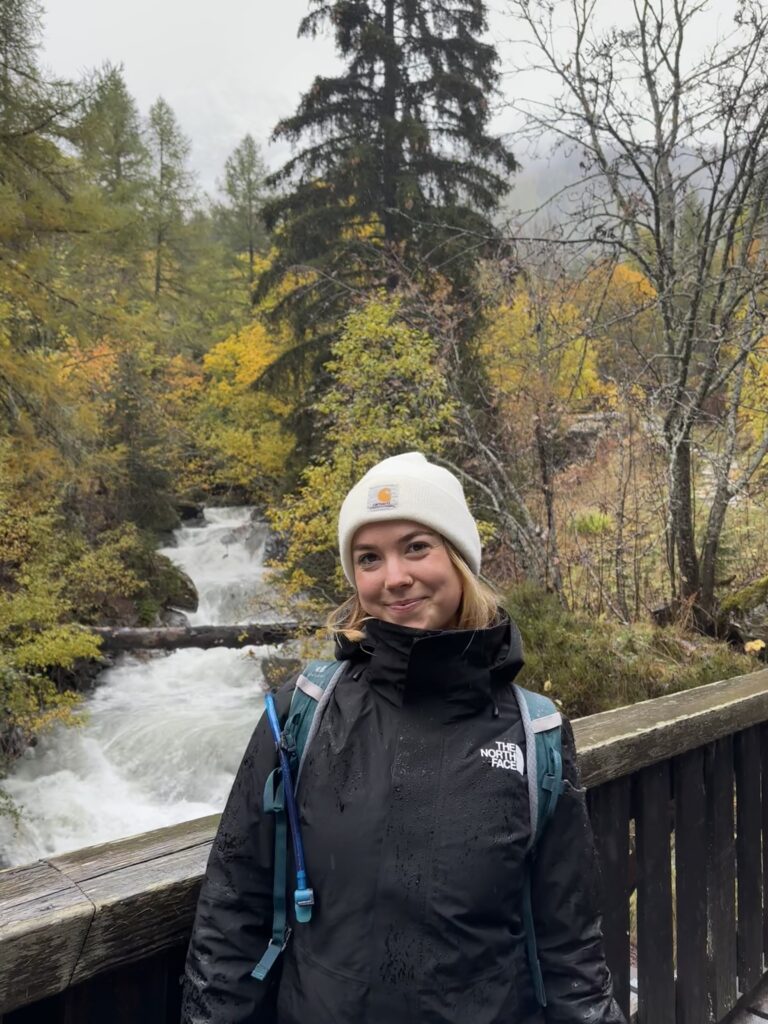
Following a two-year tenure teaching English and exploring the French Alps, the new coordinator has returned to their Pacific Northwest roots, seeking to establish a career in the nonprofit and outdoor industries. This decision marks a deliberate shift towards applying a background in communications and marketing to mission-driven work. NWAC, with its dedication to public safety and fostering a strong community around mountain activities, presented an ideal environment for this transition. The organization’s focus on the backcountry and its commitment to educating enthusiasts resonated deeply, providing a platform to merge personal passions with professional aspirations. The desire to contribute to an organization that actively promotes safety and enjoyment in mountainous regions was a primary driver for accepting the position.
A Multifaceted Role for Enhanced Outreach
As the Volunteer and Communications Coordinator, the role is characterized by its diverse responsibilities. The primary focus will be on nurturing and supporting NWAC’s extensive network of volunteers, who are integral to the organization’s operations and outreach. This includes facilitating communication, providing resources, and recognizing their invaluable contributions. Concurrently, the coordinator will be instrumental in developing and executing social media strategies, creating engaging content that educates and inspires backcountry users. Event planning, a crucial component of community building and fundraising, will also fall under their purview. Ultimately, the role aims to support and amplify NWAC’s mission of extending its safety resources and fostering a culture of informed decision-making among all levels of backcountry enthusiasts, from seasoned professionals to novice adventurers.
Deepening Connection to the Local Landscape
The allure of the Pacific Northwest’s mountainous terrain is a significant personal motivator. Growing up skiing at Crystal Mountain has cultivated a deep affinity for the West South zone, a familiar and cherished area. However, the prospect of exploring the Snoqualmie Pass zone, described as the organization’s "office backyard," presents an exciting opportunity for new discoveries and a more intimate understanding of the immediate operational landscape. This personal connection to the local mountains underscores a broader appreciation for the diverse and challenging environments that NWAC serves.
A Universal Message for Backcountry Users

A core tenet of the new coordinator’s philosophy centers on a crucial message for all backcountry users: regardless of experience level, the moment one enters avalanche terrain, they become subject to its inherent risks and responsibilities. This perspective emphasizes that avalanche safety protocols are not exclusive to advanced practitioners but are fundamental for everyone venturing into the backcountry. The message underscores a belief in equitable access to outdoor recreation, coupled with a strong imperative to respect the mountain environment and its potential hazards. Education and awareness are positioned as paramount, ensuring that all individuals can engage with the backcountry safely and responsibly.
Envisioning a Future of Accessible Avalanche Safety
The future of NWAC and avalanche safety is viewed with considerable optimism, particularly concerning efforts to democratize access to critical information. The organization is actively engaged in several ambitious projects designed to achieve this. A significant undertaking involves the development of a new website intended to serve as a centralized hub for avalanche forecasts from across the nation. This initiative promises to streamline access to vital weather and snowpack data for a broader audience. Furthermore, NWAC is committed to continuously strengthening its community of volunteers and members, recognizing that a robust and engaged network is essential for sustained impact. The expansion of programs and opportunities aimed at engaging individuals from all backgrounds in NWAC’s mission is also a key focus, ensuring that the principles of avalanche safety are disseminated widely and inclusively.
Reflecting on Memorable Alpine Experiences
The past winter season offered profound experiences, particularly during a two-year period spent in the French Alps. A standout memory involves skiing in Chamonix on a day of exceptional weather, surrounded by the awe-inspiring panorama of alpine peaks. This experience was described as one of the most "epic ski memories," marked by moments of pause to fully absorb the grandeur of the surroundings. These instances served as powerful reminders of the profound connection that can be forged with nature and the mountains, highlighting the restorative and inspiring power of such environments. This personal appreciation for the mountains undoubtedly fuels a dedication to protecting and educating others about these wild spaces.
NWAC’s Expanding Role in Public Safety and Education
The Northwest Avalanche Center (NWAC) has long been a cornerstone of avalanche safety and forecasting in the Pacific Northwest. Established in 1980, the organization operates under the umbrella of the University of Washington and plays a critical role in collecting snowpack data, conducting avalanche observations, and disseminating forecasts to the public. Its mission is to reduce the risk of avalanches to people and property through education, forecasting, and public outreach. NWAC covers a vast operational area, encompassing the Cascade Range from the Canadian border south to Mount Hood, and the Olympic Mountains. The center provides daily avalanche forecasts during the winter season, which are crucial for skiers, snowboarders, snowmobilers, hikers, and anyone venturing into mountainous terrain during winter months.
The organization relies heavily on a dedicated corps of volunteers who assist in data collection, provide observations from the field, and support various outreach and educational events. These volunteers, often experienced backcountry users themselves, contribute significantly to the accuracy and breadth of NWAC’s forecasting efforts. The expansion of the Volunteer and Communications Coordinator role signifies a strategic investment in strengthening these volunteer partnerships and enhancing the channels through which NWAC communicates its vital safety messages.
The Growing Importance of Avalanche Awareness
The increasing popularity of backcountry recreation in recent years has amplified the importance of avalanche awareness and education. According to the Colorado Avalanche Information Center (CAIC), which tracks avalanche fatalities nationwide, the average number of avalanche fatalities in the United States has seen an upward trend over the past decade, despite increased educational efforts. This trend underscores the ongoing challenges in reaching all users and ensuring that safety practices are universally adopted. Factors contributing to this include increased human-powered access to terrain, a growing interest in off-piste skiing and snowboarding, and a greater number of individuals venturing into the backcountry without adequate training.
NWAC’s commitment to making avalanche resources more accessible directly addresses this growing need. The development of a national forecast aggregation website, for instance, could be a game-changer for backcountry users traveling across different regions, providing a single point of access for vital information. This aligns with broader efforts by avalanche centers across North America to collaborate and share best practices, recognizing that avalanche phenomena do not respect jurisdictional boundaries.
Analysis of Implications: Accessibility and Inclusivity as Pillars of Safety
The strategic emphasis on accessibility and inclusivity by NWAC, as highlighted by the new coordinator’s role, carries significant implications for avalanche safety. By actively seeking to engage individuals from diverse backgrounds and experience levels, NWAC aims to dismantle potential barriers to safety education. This includes acknowledging that traditional approaches to avalanche safety may not resonate with all demographics and that tailored outreach strategies are necessary.
The focus on volunteer development not only strengthens NWAC’s operational capacity but also fosters a sense of ownership and community among those who are passionate about the outdoors. Empowering volunteers to be advocates for avalanche safety in their respective communities can create a ripple effect, spreading awareness beyond the direct reach of NWAC’s formal programs.
Furthermore, the integration of communications and volunteer coordination suggests a holistic approach to organizational growth. A strong communication strategy ensures that NWAC’s message is clear, consistent, and effectively delivered, while a robust volunteer program provides the human capital to amplify that message and extend its reach. This integrated approach is crucial for an organization whose success hinges on the informed decision-making of a broad public.
The commitment to developing new programs for diverse participants is particularly noteworthy. This could involve partnerships with organizations that serve underrepresented communities in outdoor recreation, or the creation of educational materials in multiple languages. Such initiatives are vital for ensuring that the principles of avalanche safety are not confined to a specific demographic but are embraced by all who seek to enjoy the winter backcountry. The long-term impact of such efforts could lead to a measurable reduction in avalanche incidents by fostering a more knowledgeable and safety-conscious backcountry user base across the entire region.

