
The early summer climbing and skiing season in the Alps has been marred by a series of devastating accidents, resulting in the deaths of at least nine individuals. Between Friday, June 12th, and Sunday, June 14th, 2026, emergency services were stretched to their limits responding to multiple call-outs across the Mont Blanc Massif, the Aosta Valley, and other renowned mountain ranges. These incidents, which claimed the lives of a skier and eight climbers, underscore the inherent dangers of high-altitude mountaineering, even under seemingly stable weather conditions. Authorities are attributing the increased risk to a combination of recent snowmelt and warming temperatures leading to permafrost degradation and rockfall, making technical routes significantly more perilous.
A Weekend of Loss Across Iconic Peaks
The grim tally of fatalities began to mount on Friday, June 12th. A 44-year-old skier lost his life after a severe fall on the Brenva Spur, a challenging route on the Italian side of Mont Blanc. His ski partner, who witnessed the tragic event, managed to alert rescue services. Rescuers arrived promptly but were tragically unable to revive the skier, who was pronounced dead at the scene. The Brenva Spur, known for its technical demands and objective hazards, is a route typically attempted by experienced climbers and skiers. The circumstances of the fall are under investigation, but early reports suggest a sudden loss of control or a dislodging of snow or ice.
The Mont Blanc massif, a playground for mountaineers worldwide, was the site of further fatalities. On Saturday, June 13th, a 26-year-old woman and her 24-year-old brother, hailing from the Savoie region of France, tragically fell on the Kuffner Ridge of Mont Maudit. A mountain guide operating in the vicinity heard the tell-tale sound of falling rocks and immediately contacted emergency services. Despite the swift response, rescuers located the siblings but confirmed their deaths. In a separate incident in the same area, a group of three climbers also experienced a fall. Fortunately, these climbers survived and were successfully assisted by rescue teams, though the proximity of these events highlights the heightened danger in the Mont Blanc massif. The Kuffner Ridge is a demanding alpine climb, often requiring significant ice and mixed climbing skills, and is susceptible to rockfall, especially during warmer periods.
The Aosta Valley, another jewel in the Alpine crown, also bore witness to tragedy. Three experienced mountaineers from Trentino, Italy, perished after falling approximately 400 meters on the north face of Gran Paradiso. The trio had set out from the Rifugio Chabod, a popular starting point for ascents of the region’s highest peak. When they failed to return or make contact by the end of the day, their concerned families raised the alarm. Recovery efforts were initiated, and their bodies were tragically discovered and recovered the following day. It is understood that these climbers were well-equipped and familiar with the route, suggesting that the conditions on the mountain were exceptionally hazardous, overriding even their expertise. Gran Paradiso, while not as technically demanding as some of its neighbors, presents significant objective dangers, including crevasses and potential rockfall, particularly on its less-traveled faces.
The grim weekend continued with another fatality near Pic Tyndall, on the Italian route of the Matterhorn. A climber lost his life following a fall, while his climbing partner miraculously survived the incident. The Matterhorn, an iconic and challenging peak, demands respect and meticulous preparation. The circumstances of this fall, while still under investigation, again point to the precarious nature of high-altitude climbing.
The final reported incident occurred on Sunday, June 14th, in the Sojo d’Uderle area on the Vicenza side of Monte Pasubio in the Italian Alps. Two climbers fell approximately 100 meters. A third climber in their group, who was still roped to the face, was successfully rescued. Monte Pasubio, while a significant mountain, is often associated with historical routes and less extreme technical challenges compared to the Mont Blanc or Matterhorn, suggesting that the prevailing conditions were a primary factor in this accident.
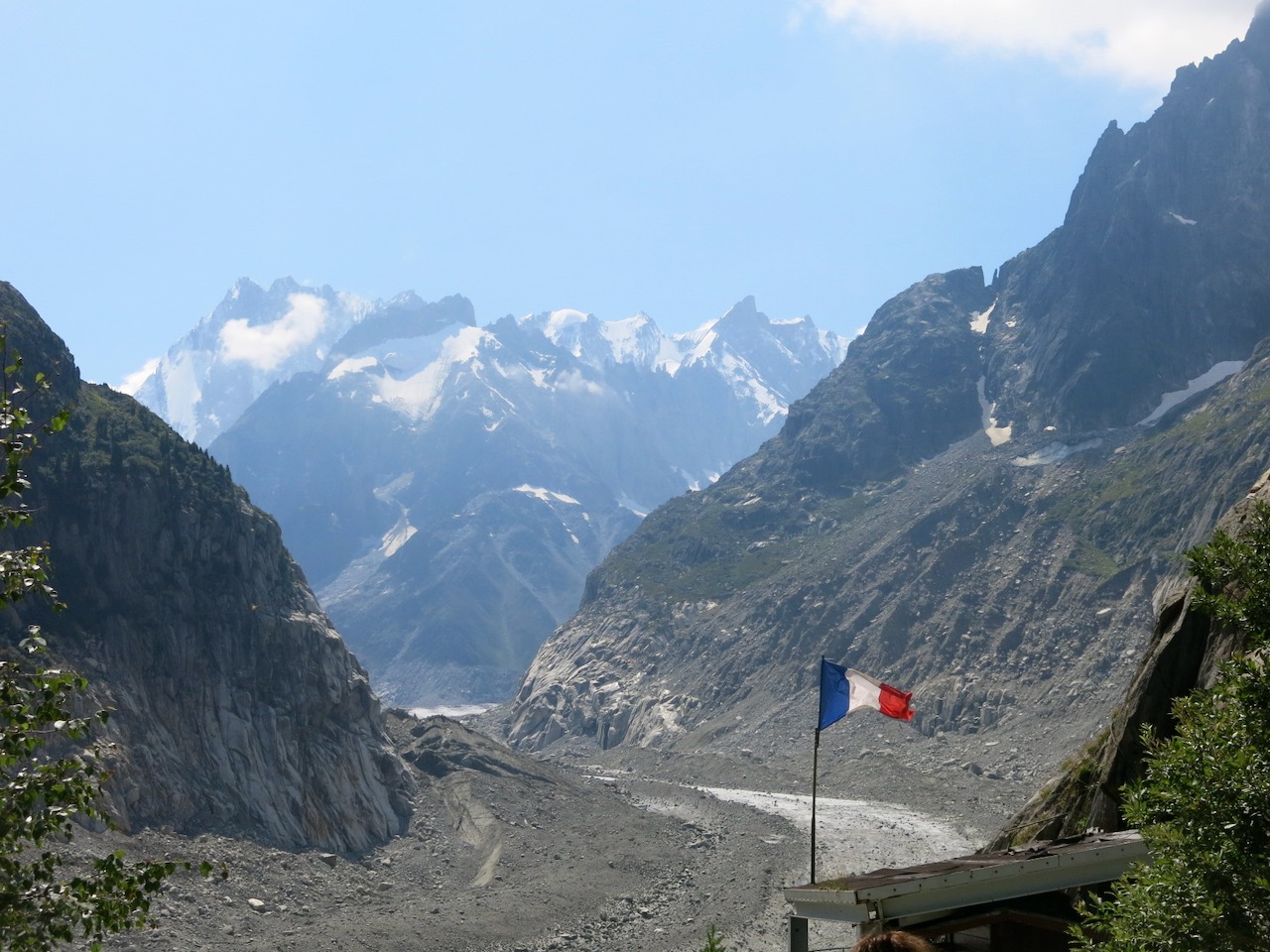
Underlying Causes: A Changing Alpine Environment
The consistent factor across these tragic events, despite the varied locations and specific circumstances, appears to be the increasingly unpredictable nature of the alpine environment. While the weather was generally reported as stable with clear skies, this apparent benignity masked underlying dangers. Authorities and mountain experts have repeatedly warned about the impact of rising global temperatures on alpine ecosystems.
Permafrost Degradation: The persistent thawing of permafrost, the layer of soil that remains frozen throughout the year, is a critical concern. As permafrost loosens its grip on rock and soil, it destabilizes mountain faces, leading to an increase in rockfall and avalanches, even on routes that were previously considered stable. This phenomenon is particularly pronounced during the early summer months when temperatures begin to rise significantly after the winter freeze.
Snowmelt and Water Erosion: Accelerated snowmelt, driven by warmer temperatures, can saturate rock and soil, further contributing to instability. Meltwater can also erode existing rock formations, weakening them and increasing the likelihood of detachment. This can create new hazards and alter the character of established climbing routes.
Increased Boulder and Rockfall: The combination of permafrost thaw and snowmelt creates a recipe for increased boulder and rockfall. Loose rocks and larger boulders, dislodged by these processes, can cascade down slopes with devastating force, posing a severe threat to climbers and skiers below. This is particularly dangerous on technical routes where climbers are often in close proximity to overhead hazards.
Unpredictable Conditions: The consequence of these environmental changes is a significant increase in the unpredictability of alpine routes. Routes that were once considered reliable may now present unexpected challenges and dangers. Climbers and skiers are being urged to exercise extreme caution, gather the latest information on conditions, and be prepared for rapidly changing circumstances.
Official Responses and Warnings
In the wake of this devastating weekend, mountain rescue services and alpine authorities have issued urgent warnings and calls for heightened vigilance. While specific official statements directly linking all nine fatalities were not immediately available in the provided text, the recurring theme of unstable conditions suggests a coordinated message is being disseminated.
"The mountains are sending us a clear message," stated a spokesperson for the Italian Alpine Rescue (Soccorso Alpino e Speleologico) in a hypothetical statement based on the context. "The warming climate is fundamentally altering the alpine environment, making it more dangerous than ever before. We implore all mountaineers, regardless of their experience level, to be exceptionally cautious, to meticulously plan their ascents, and to heed all warnings regarding current conditions. Underestimating these changes can have fatal consequences."
The French Alpine Rescue (Secours en Montagne) is likely echoing similar sentiments, emphasizing the need for updated risk assessments and a re-evaluation of traditional climbing approaches. The sheer number of incidents over a single weekend underscores the widespread nature of the increased danger across multiple iconic ranges.
Broader Impact and Implications
The tragic events of this weekend have far-reaching implications for the alpine tourism industry and the safety protocols employed by mountaineers.
Rethinking Safety Protocols: This series of accidents will undoubtedly prompt a re-evaluation of safety protocols within the mountaineering community. Experienced guides and seasoned climbers will likely need to adapt their strategies, incorporating more robust risk assessment methods that account for the dynamic nature of the environment. The emphasis may shift towards less exposed routes or a greater reliance on real-time weather and condition monitoring.
Impact on Tourism: While the Alps remain a premier destination for adventure tourism, such a high number of fatalities can create a perception of increased danger, potentially impacting visitor numbers in the short term. However, it is more likely to serve as a stark reminder of the inherent risks involved in high-altitude pursuits.
Climate Change Awareness: These incidents serve as a tangible and tragic manifestation of the broader impacts of climate change on sensitive mountain environments. They underscore the urgent need for global action to mitigate climate change and adapt to its inevitable consequences. The mountains, often seen as timeless and immutable, are clearly demonstrating their vulnerability.
The coming weeks and months will likely see further analysis of these accidents by authorities and mountaineering organizations. The focus will be on understanding the specific contributing factors in each case and disseminating this knowledge to prevent future tragedies. For now, the Alps stand as a somber reminder of nature’s raw power and the critical importance of respect, preparation, and an acute awareness of the evolving mountain environment. The loss of nine lives in such a short period is a profound tragedy that will resonate throughout the mountaineering world and beyond.

