
May 11th, 2026 – As the traditional European ski season draws to a close, a select few high-altitude resorts are extending the thrill of snow sports into the summer months. Leading this charge is the Zermatt/Cervinia ski area, which has announced ambitious plans to become the sole destination in the Alps offering year-round skiing, a significant shift in the alpine tourism landscape. This development is bolstered by newly enhanced lift infrastructure in Cervinia, promising improved accessibility and a more consistent skiing experience.
The move by Cervinia marks a strategic pivot, aiming to capitalize on the enduring appeal of glacier skiing even as lower-altitude resorts transition to their summer offerings. While the precise timeline for the full year-round operation is subject to confirmation, the intention signals a commitment to maximizing the potential of its high-alpine terrain and snowsure conditions. This ambition contrasts with the recent decision by Austria’s Hintertux glacier, a former proponent of continuous skiing, to cease operations on July 26th, 2026, before resuming in September. Hintertux’s management has stated a desire to "enjoy the glacier summer to the fullest off the slopes," suggesting a temporary hiatus rather than a permanent closure of its year-round aspirations. The resort’s website indicates that skiing is expected to recommence in September 2026, with the "Hintertux Park Opening" slated for early October. The ambiguity surrounding whether this closure is a one-off or a permanent shift away from year-round operations leaves the future of continuous skiing in Austria uncertain.
Summer Skiing Hotspots Emerge Across the Alps
Beyond the year-round ambition of Cervinia, several other European resorts are set to provide summer skiing opportunities for enthusiasts. Saas-Fee in Switzerland plans to welcome skiers from July 18th to October 31st, offering a substantial autumn extension. Tignes, France, will open its summer ski area from June 20th to July 19th, providing a month-long window. Further south, Italy’s Passo Stelvio is scheduled to open its slopes from May 30th through the end of July, a popular destination for its unique high-alpine road and skiable glacier.
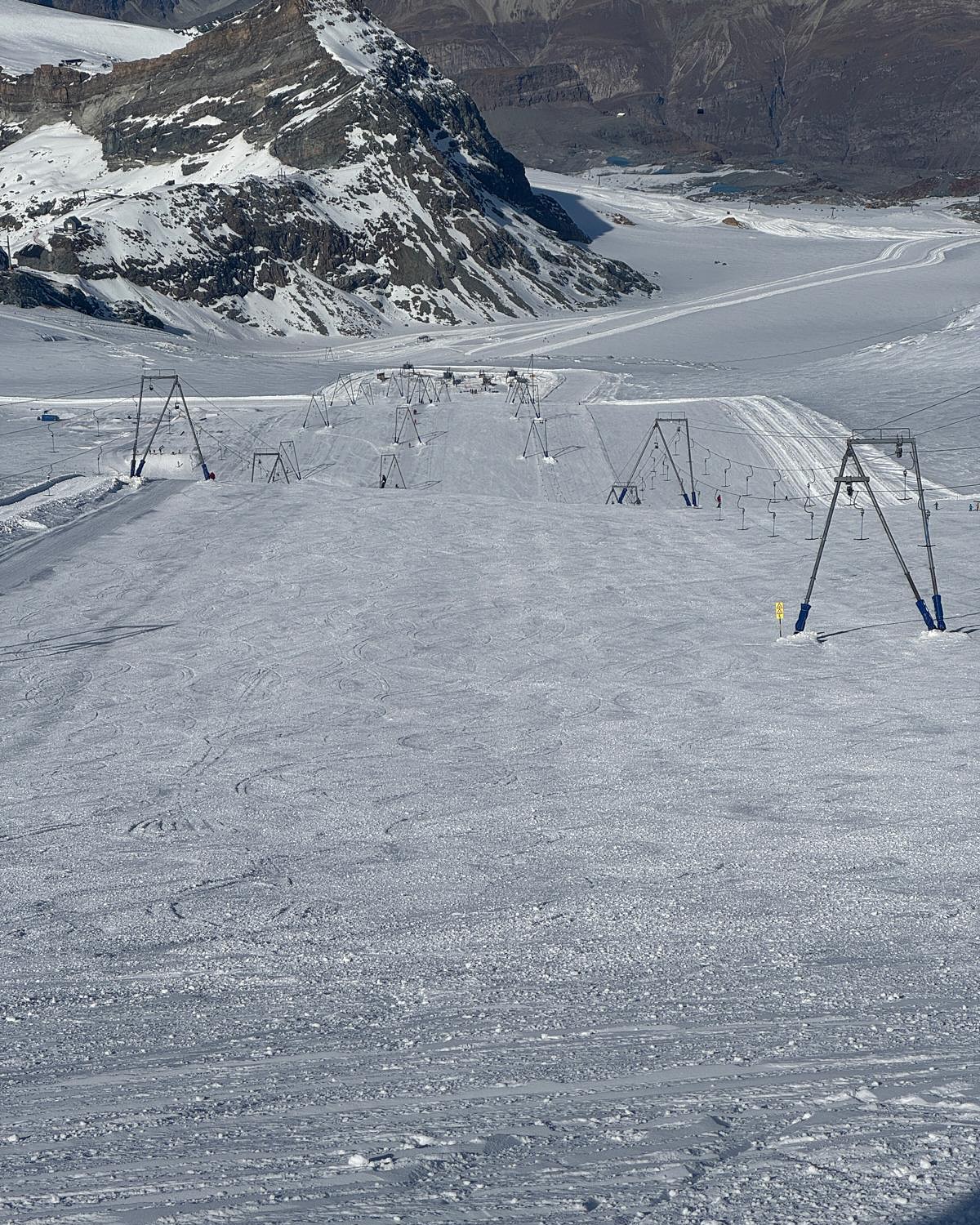
The French resort of Les2 Alpes is currently experiencing a particularly strong end to its spring and summer skiing season. Benefiting from approximately one meter of fresh snowfall this month, the glacier is reported to be in excellent condition, with some skiing opportunities extending down to an impressive 2,600 meters. The resort remains open until July 5th, and the recent snowfalls are expected to create favorable conditions for the remaining weeks of operation. This late-season bounty has generated considerable excitement among skiers and snowboarders.
Weather Patterns and Snow Depths: A Crucial Factor
The viability of summer skiing is intrinsically linked to prevailing weather patterns and accumulated snow depths. Recent meteorological reports from weathertoki.co.uk indicate a positive development for alpine glaciers. "More snow fell in the Alps last week. It’s great news for the alpine glaciers, nearly all of which have lower than average snow depths for the middle of May but will see much-needed top-ups over the next few days," stated Fraser Wilkin of weathertoki.co.uk. This influx of snow is crucial for replenishing glacier bases, which have faced challenges due to warming trends. Wilkin specifically noted that Les2Alpes is an exception, already boasting above-average snow depths on its glacier area, further enhancing its appeal for late-season skiing.
The situation at other Austrian glacier areas highlights the varied conditions. On Sunday, May 17th, Stubai and Kaunertal concluded their winter seasons, a common occurrence as temperatures rise. However, the continued operation of other Austrian glaciers underscores the resilience of these high-altitude snow zones.
North American Skiing Continues with Record Snowfall
The trend of extended skiing seasons is not confined to Europe. In North America, several resorts are also capitalizing on exceptional snowfall to offer summer skiing. Sunshine Village near Banff, Alberta, Canada, is continuing its operations after what has been described as an "excellent season." The resort is set to close on May 18th before reopening for a brief summer stint in the latter half of June, extending into July. This decision is directly attributed to "record snowfall" accumulated throughout the winter.
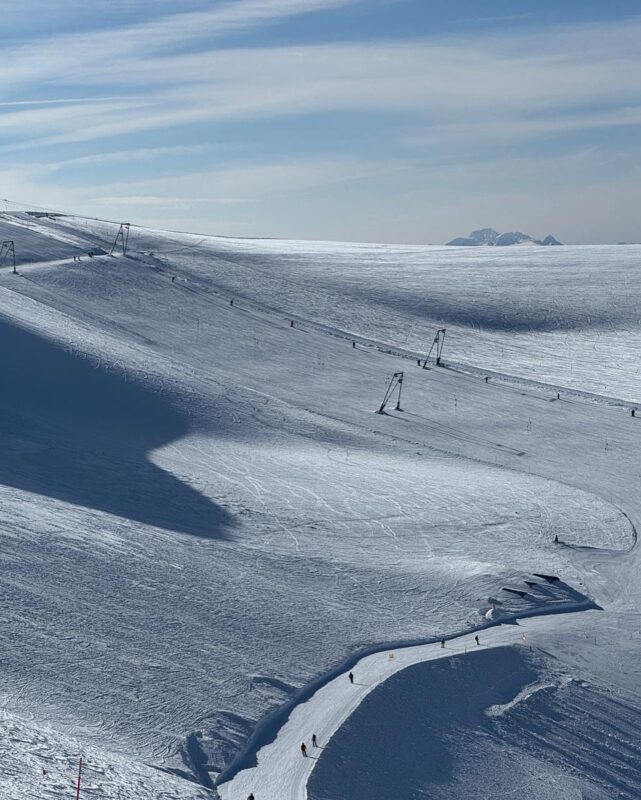
Sunshine Village boasts a mid-mountain base of 1.82 meters, with an impressive 2.38 meters on its upper slopes. The planned summer operations will focus on the Strawberry Express lift and potentially another, depending on conditions. This lift provides access to beginner-friendly terrain on Mount Standish. Kendra Scurfield, vice-president of brand and communications for Sunshine Village, expressed enthusiasm for the extended season, calling it a "fairy tale." She noted that while summer skiing won’t replicate deep powder, it offers "slushy summer skiing – high vibes – and just with the novelty of skiing in July in the Canadian Rockies."
Whistler Blackcomb in British Columbia, Canada, also remains open, offering its own late-season skiing opportunities. In Quebec, Sommet Saint-Sauveur is concluding its winter season with a final weekend of operations from May 15th to May 18th.
United States Resorts Extend Their Seasons
In the United States, a number of prominent resorts are keeping their slopes open. Timberline Lodge in Oregon continues to operate, as do Mammoth Mountain and Palisades Tahoe in California. Additionally, several other resorts are offering weekend-only skiing, including Jay Peak and Killington in Vermont, Black Mountain in New Hampshire, and Boyne Mountain in Michigan. This widespread extension reflects a strong winter season and a desire by resorts to maximize their operational periods.
Scandinavian Summer Skiing
In Scandinavia, Norway’s Galdhøpiggen Sommerskisenter has opened for the summer, a traditional destination for glacier skiing in the region. Sweden’s Riksgränsen is also currently open, providing opportunities for skiers to enjoy the slopes into the warmer months.
Broader Implications and Future Outlook
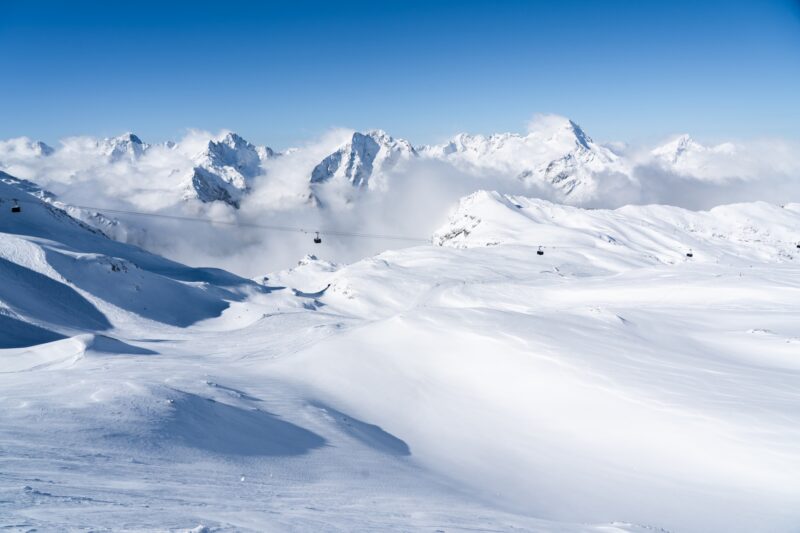
The increasing trend towards extended summer skiing, particularly the ambition for year-round operations in Cervinia, has several implications for the ski industry and for winter sports enthusiasts. Firstly, it highlights the growing importance of glacier skiing as a reliable snow source in the face of climate change. Resorts with significant glacier coverage are becoming increasingly valuable assets, capable of offering a more consistent product.
Secondly, this development could lead to a diversification of the ski tourism market. While traditional ski seasons cater to a specific demographic, year-round or extended summer operations could attract a new segment of skiers and snowboarders seeking novel experiences or looking to train during the off-season. The economic benefits of such extended operations could be substantial, providing employment and revenue streams for longer periods.
However, the success of these extended seasons is not guaranteed and remains heavily dependent on natural snowfall and careful management of glacier resources. The environmental impact of maintaining ski operations on glaciers, particularly in terms of water usage and infrastructure, will likely come under increasing scrutiny. Resorts will need to balance the desire for continuous operation with sustainable practices.
The decision by Hintertux to potentially scale back its year-round operations, even if temporary, serves as a reminder of the challenges. The future of year-round skiing may ultimately depend on a delicate interplay between technological advancements, favorable weather conditions, and a sustainable approach to glacier management. As the Alps and other mountain ranges adapt to a changing climate, the definition of a "ski season" continues to evolve, offering both opportunities and challenges for the global snow sports community. The coming years will undoubtedly reveal whether Cervinia’s bold vision for year-round skiing can be sustained, setting a precedent for other high-altitude destinations.

