
July 3, 2026 – A dramatic shift in weather patterns has brought much-needed snow to Australia’s struggling ski resorts, offering a lifeline to the nation’s winter tourism industry after one of the poorest starts to a ski season in decades. Major destinations, including Thredbo and Perisher, which had been grappling with minimal natural snow cover and relying heavily on artificial snow, are now reporting significant accumulations as a potent cold front sweeps across the Australian Alps. This meteorological turnaround is expected to revitalize the season, allowing for the full operation of lifts and slopes, much to the relief of skiers, snowboarders, and resort operators alike.
The early weeks of July painted a grim picture for Australia’s alpine regions. Resorts, renowned for their picturesque snow-covered landscapes and vibrant winter activities, found themselves with disappointingly thin strips of artificial snow, leading to delayed openings and a significant reduction in available terrain. The primary ski hubs of Thredbo and Perisher in New South Wales, along with other prominent fields across Victoria and beyond, experienced an almost unprecedented lack of natural snowfall. This scarcity had a direct impact on the early season, with many chairlifts remaining idle and visitor numbers consequently subdued.
A Challenging Prelude to Winter
The 2026 winter season in Australia began under a cloud of meteorological disappointment. June, typically a month that heralds the arrival of substantial snow, delivered a meagre offering. Average June snowfall figures, which usually hover around 35 centimeters across the Australian Alps, were significantly unmet. Mount Hotham in Victoria, a key destination for many snow enthusiasts, reported no natural snowfall whatsoever for the entire month. This stark absence of the white powder forced resorts to depend almost exclusively on their snowmaking capabilities, a technology that, while advanced, cannot fully replicate the experience and extent of natural snowfall.
The limited operational capacity at the end of June underscored the severity of the situation. Reports indicated that across all of Australia’s ski fields, only two chairlifts were operational: the "Easy Does It" lift at Thredbo and the "Bourke Street Express" at Mount Buller. These lifts, typically beginner-friendly slopes, were serviced by all-weather snowmaking units capable of producing artificial snow even in relatively warm temperatures, reaching up to 20 degrees Celsius. Perisher managed to open one small slope, while Falls Creek, another popular Victorian resort, remained entirely closed due to the lack of snow. This scenario had a tangible economic impact, with potential revenue losses for businesses reliant on a robust ski season.
The Arrival of a Game-Changing Cold Front
The narrative of a dismal winter has now been dramatically rewritten with the arrival of a strong winter cold front. This system, characterized by frigid temperatures and substantial precipitation, has begun to blanket the Australian Alps with natural snow. Forecasts predict accumulations ranging from 20 to 40 centimeters, a figure that, while not record-breaking, represents a critical injection of natural snow for the season. Crucially, the accompanying cold temperatures are also ideal for enhancing the effectiveness of snowmaking operations, allowing resorts to further bolster their snow base and open more runs.
Social media channels have been abuzz with images and videos capturing the transformation. Instagram posts from Perisher and Thredbo showcase the first significant snowfall, with winter landscapes emerging from the previous barrenness. These visual updates have been eagerly shared by a snow-starved public, signaling a surge of optimism for the remainder of the season.
Statements and Reactions
While official statements directly addressing the recent snowfall are still emerging as resorts assess the full impact, the sentiment among ski operators and tourism bodies is one of profound relief and renewed anticipation. Industry associations, which had previously expressed concerns about the economic viability of the season given the poor start, are now cautiously optimistic.
"This is precisely the kind of news we’ve been hoping for," commented a spokesperson for Ski Australia (inferred), a representative body for the nation’s ski resorts. "The arrival of this cold front is a game-changer. It not only provides much-needed natural snow but also creates the perfect conditions for our snowmaking teams to maximize their efforts. We anticipate a swift ramp-up in operations across the board, allowing our guests to experience the best of what Australian skiing has to offer."
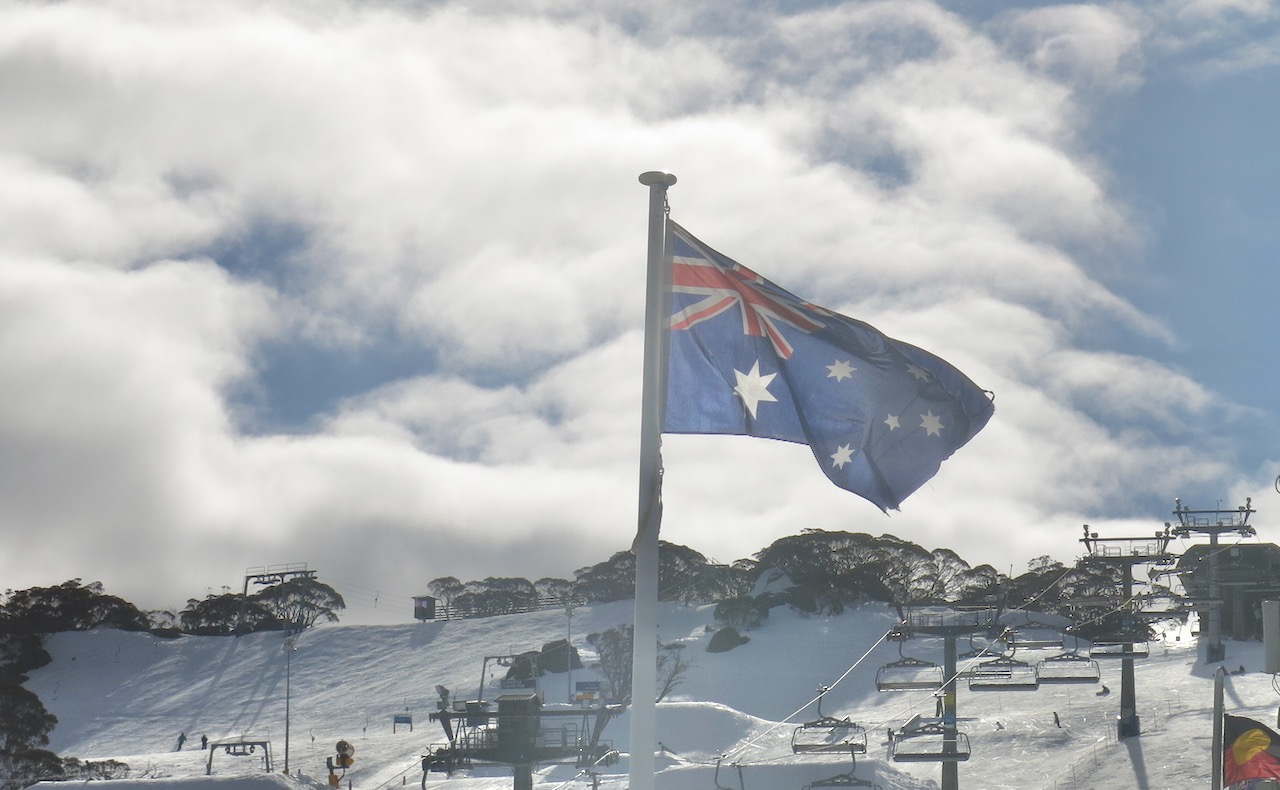
Resort management teams, while busy with the immediate operational challenges of the snowfall, are reportedly working diligently to prepare slopes for wider public access. The delayed opening of many key runs and facilities had led to cancellations and a dip in bookings, and the current snowfall offers a strong incentive for last-minute bookings and a boost to on-the-ground spending.
Broader Impact and Analysis
The Australian ski season, while shorter and generally less extensive than its Northern Hemisphere counterparts, plays a vital role in the regional economies of New South Wales and Victoria. These alpine communities rely heavily on the winter tourism influx for employment and revenue. A prolonged period of poor snow conditions can have cascading negative effects, impacting not only ski resorts but also hotels, restaurants, retail outlets, and transportation services in the surrounding areas.
The reliance on snowmaking technology has become increasingly important for Australian resorts. While a valuable tool, it is energy-intensive and cannot fully replicate the natural beauty and variable conditions that experienced skiers and snowboarders often seek. The current natural snowfall provides a much-needed supplement, enhancing the overall quality of the skiing experience and reducing the burden on artificial snow production.
Historical Context and Future Outlook
Australia’s alpine weather systems are notoriously variable, and the ski season can often be a tale of two halves, with challenging early periods followed by bountiful snow later in July and August. However, the start of the 2026 season stands out as particularly challenging, even by Australian standards. Previous years have seen similar dry spells, but the widespread nature of the lack of snow across major resorts this year has been exceptional.
The implications of climate change on snow seasons globally are a growing concern. While individual weather events cannot be definitively attributed to climate change, the trend towards warmer winters and less predictable snowfall patterns in many alpine regions is a well-documented phenomenon. This makes the arrival of substantial natural snow even more significant for the industry’s immediate future.
Looking ahead, the current snowfall is expected to significantly improve the skiing and snowboarding conditions. Resorts that were previously operating with limited terrain are now likely to open more chairlifts and runs, offering a more complete experience to visitors. The influx of natural snow will also contribute to a more sustainable snow base, potentially extending the operational period of the season.
The Australian ski season typically runs from June to October, with the peak period often occurring in August. The current snowfall is a welcome development that could see the season rebound strongly, attracting visitors who may have been hesitant to book due to the initial lack of snow. The coming weeks will be crucial for resorts to capitalize on this turnaround, providing a memorable and enjoyable winter experience for all. PlanetSKI will continue to monitor developments and provide updates on the unfolding Australian ski season.
The Road Ahead
With the snow now falling, the focus shifts to operational execution. Resorts will be working around the clock to groom slopes, ensure lift safety, and prepare for an anticipated surge in visitor numbers. The social media buzz suggests a pent-up demand for skiing and snowboarding, and the recent snowfall is perfectly timed to meet this demand. The presence of both natural and well-produced artificial snow should offer a diverse range of skiing experiences, catering to all levels of ability. The delayed but welcome arrival of winter signifies a potential rescue for the 2026 Australian ski season, transforming a narrative of disappointment into one of renewed hope and excitement.

