
Meråker-based skier Katharina Brudermann has announced the end of her professional cross-country skiing career, marking a significant transition for the Austrian athlete who recently made her Olympic debut. After two seasons on the World Cup circuit, Brudermann confirmed her decision via social media, expressing gratitude for her journey and the experiences gained. Her departure adds another name to a growing list of athletes retiring from the sport this season.
A Rapid Ascent to the Pinnacle of the Sport
Brudermann’s World Cup career, though brief, was marked by a remarkably swift ascent. Her debut on the international stage occurred just over eighteen months ago, in December 2024, at Lillehammer. In the subsequent period, she competed in sixteen World Cup races, achieving a personal best individual finish of 20th place. This rapid progression culminated in her participation in the World Championships in Trondheim last year, her first senior championship.
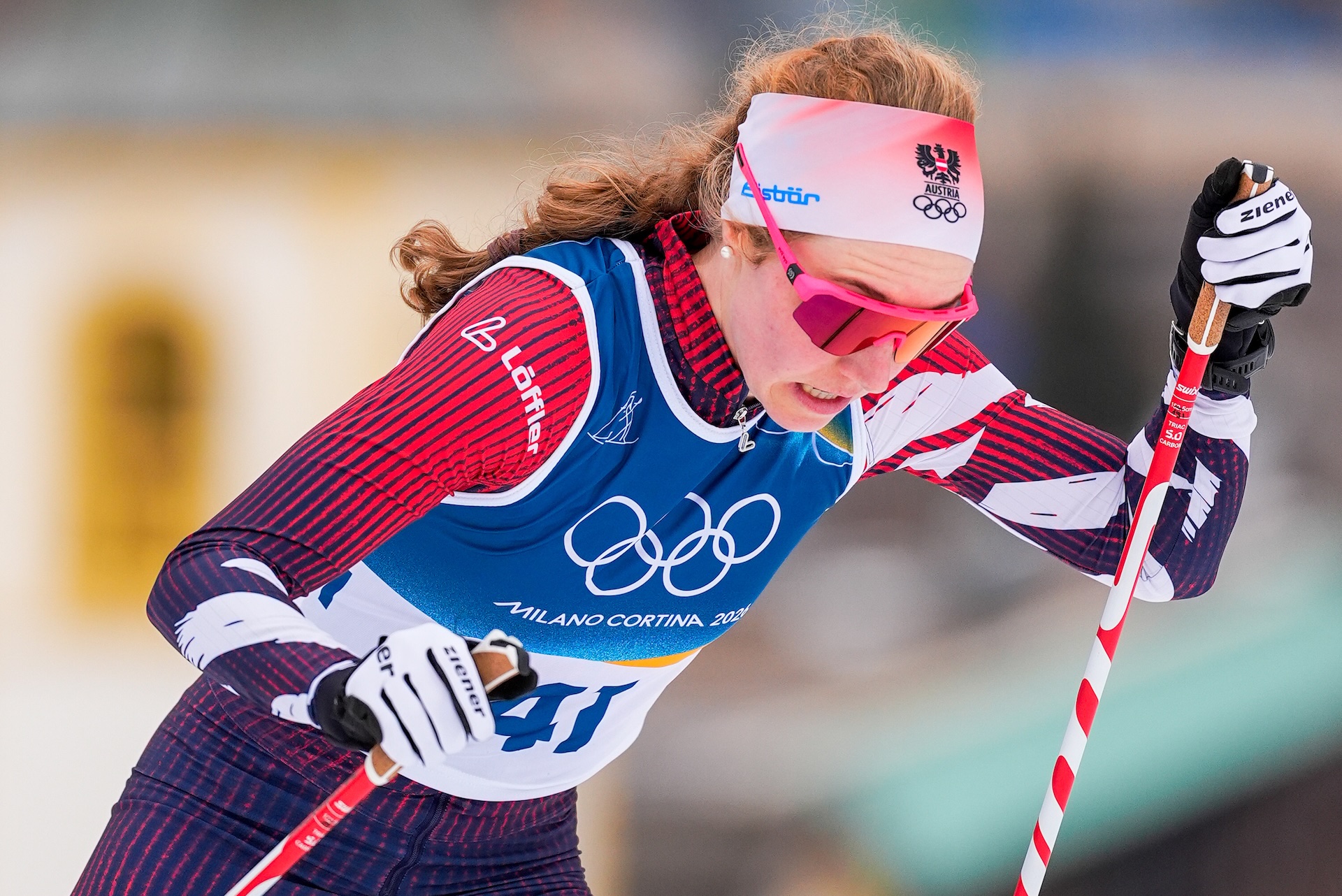
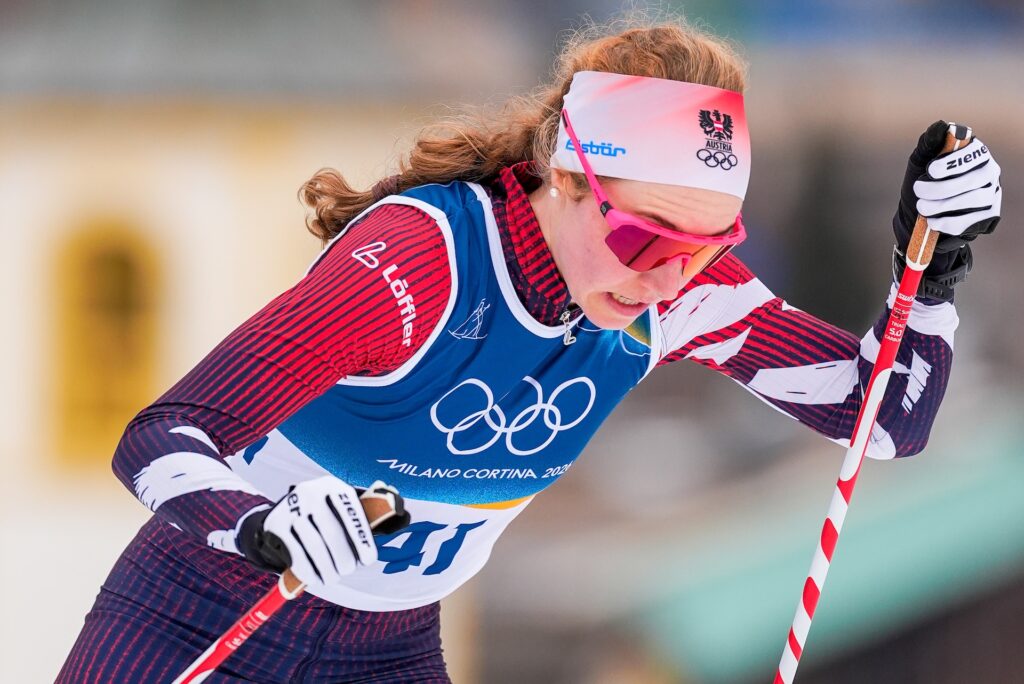
The ultimate achievement in her burgeoning career came this past winter with her debut at the Olympic Games. Competing in Val di Fiemme, her Olympic appearance followed her World Cup debut by just over a year, highlighting an exceptional trajectory in a highly competitive sport. However, these Winter Games will serve as her final competitive outing as a professional cross-country skier.
The Meråker Connection: A Foundation for Success
A defining aspect of Brudermann’s career has been her strong connection to Meråker, Norway. The Austrian athlete has resided and studied in Meråker for over a decade, having initially arrived in the region for an exchange program. It was in this community, renowned for nurturing numerous Olympic and World Champions, that Brudermann established her base for her elite skiing ambitions.
Reflecting on her journey, Brudermann underscored the pivotal role Meråker played in her career. In an interview with Trønder-Avisa following her Olympic debut, she stated, "Had I not moved to Meråker, I would not be standing here today." This sentiment emphasizes the supportive environment and the rich skiing heritage of the region, which provided her with the necessary resources and inspiration to pursue her dreams at the highest level. Her partner also resides in Meråker, further solidifying her ties to the Norwegian community.
Reflecting on a Career of Gratitude and Unforgettable Moments
In her farewell message, Brudermann articulated deep appreciation for the people she encountered throughout her professional skiing endeavors. "I am eternally grateful for all the fantastic people I have met along the way, for the lasting friendships and the unforgettable experiences," she shared. This statement reflects a positive outlook and a recognition of the human element within the demanding world of elite sports.
The announcement of her retirement follows a pattern observed in recent years, where several prominent cross-country skiers have chosen to hang up their skis. This trend often signals a natural progression in athletic careers, with athletes evaluating their physical, mental, and personal goals after years of intense dedication. Brudermann’s decision marks the end of her chapter as a professional cross-country skier, a period characterized by rapid growth, significant achievements, and a deep appreciation for her chosen sport and community.
The Landscape of Professional Cross-Country Skiing: A Shifting Era
Brudermann’s retirement is part of a broader narrative within the sport of cross-country skiing. The discipline, which demands exceptional endurance, strength, and strategic acumen, often sees athletes dedicate a significant portion of their lives to training and competition. The cycle of intense preparation, the pressure of major championships, and the physical toll of the sport inevitably lead to periods of reflection and eventual transition for many athletes.
The recent retirement of other established stars, as indicated by the broader list of athletes hanging up their skis, suggests a generational shift within the sport. This can present both challenges and opportunities. For national federations and teams, the departure of experienced athletes necessitates the development and integration of new talent. For the sport itself, it opens avenues for emerging athletes to step into leadership roles and shape the future direction of competitions.
Supporting Data and Context
To provide further context on Brudermann’s career and the sport, it is useful to examine the demands of elite cross-country skiing. World Cup races typically involve demanding courses over distances ranging from 1.2 kilometers for sprints to 50 kilometers for long-distance events, contested in either classic or freestyle techniques. Athletes can endure several hours of intense physical exertion across multiple days of competition, often in harsh weather conditions.
The International Ski and Snowboard Federation (FIS) Cross-Country World Cup circuit spans several months each year, with events held across Europe and sometimes in North America and Asia. Athletes must manage rigorous training regimes, travel schedules, and the constant pursuit of peak physical condition. The financial aspect of professional skiing is also a significant consideration, with many athletes relying on sponsorships, national funding, and personal investment to sustain their careers.
The Olympic Games, representing the pinnacle of winter sports, occur every four years and are the culmination of years of dedication for athletes who qualify. The pressure and prestige associated with Olympic competition are immense, and achieving a medal or even participating is a career highlight for most. Brudermann’s rapid qualification and participation in the Olympics after a relatively short World Cup tenure underscore her talent and dedication.
Looking Ahead: Post-Career Pathways
While Brudermann has not elaborated on her specific future plans beyond retiring from professional skiing, athletes often transition into various roles. Some continue to be involved in the sport as coaches, administrators, or commentators. Others may pursue academic endeavors, leveraging the skills and discipline acquired during their athletic careers in different professional fields. The experience of living and studying abroad, as Brudermann did in Meråker, often provides a unique perspective and a broader skill set that can be applied to diverse career paths.
The decision to retire is rarely an easy one, often involving a complex interplay of personal aspirations, physical well-being, and future goals. For Katharina Brudermann, the conclusion of her professional skiing career marks the end of a significant chapter, one that has undoubtedly shaped her identity and provided her with invaluable life experiences. Her journey, from an exchange student in Norway to an Olympian, is a testament to her commitment, resilience, and the power of pursuing one’s passions. The cross-country skiing community will undoubtedly miss her presence on the circuit, but her contributions and the memories she has created will endure.

