
Austrian biathlon star Anna Gandler has announced a significant break from the national team, citing profound dissatisfaction with the recent leadership turmoil and organizational instability within the Austrian Biathlon Federation. The decision marks a pivotal moment for Gandler, who will relocate to France to pursue her training independently, under the guidance of her father, Markus Gandler, a former elite cross-country skier. This move follows a season marked by significant internal conflict, including the high-profile resignation of a successful head coach in protest.
The dramatic decision by Gandler, 25, underscores the depth of the crisis plaguing Austrian biathlon. Sources indicate that the federation’s attempts to stabilize the situation by bringing in renowned Olympic and coaching legend Wolfgang Pichler earlier this spring have unfortunately exacerbated existing tensions rather than resolving them. Reports suggest that the main coach has resigned in protest, further deepening the uncertainty surrounding the team’s direction for the upcoming season. With leadership disputes ongoing and the overarching training plan for the next season yet to be finalized, top athletes are evidently seeking alternative pathways.
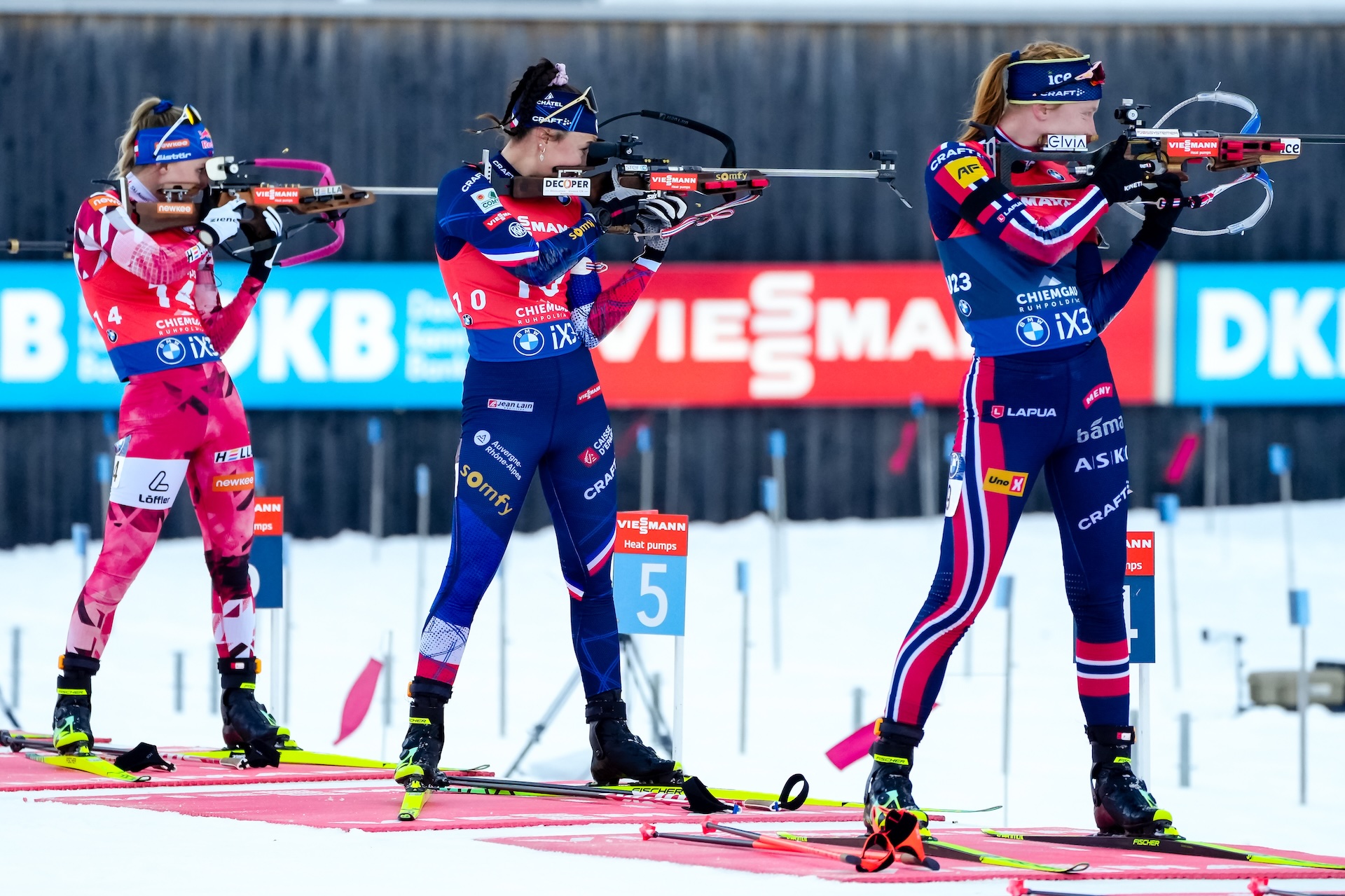
Gandler, who was the top-performing Austrian in the World Cup this past winter, finishing just behind the now-retired Lisa Theresa Hauser, expressed her discontent to Nordic Mag, stating, "There are extensive changes within the Austrian national team, which I am extremely dissatisfied with." This sentiment reflects a broader trend of athletes seeking greater autonomy and control over their careers, particularly when faced with organizational instability.
The move to France is also motivated by Gandler’s personal life, as she will be living with her boyfriend, French biathlete Emilie Claude. The couple has been in a relationship for several years, and this relocation offers a unique opportunity for them to support each other’s athletic endeavors while residing in a nation with a strong biathlon tradition.
This development is not an isolated incident within Austrian biathlon. Last year, Austria’s most prominent star, Lisa Theresa Hauser, also chose to depart from the national team structure. These successive departures of high-profile athletes signal a potential shift in how elite biathletes perceive and engage with national federations, especially in the face of internal strife.
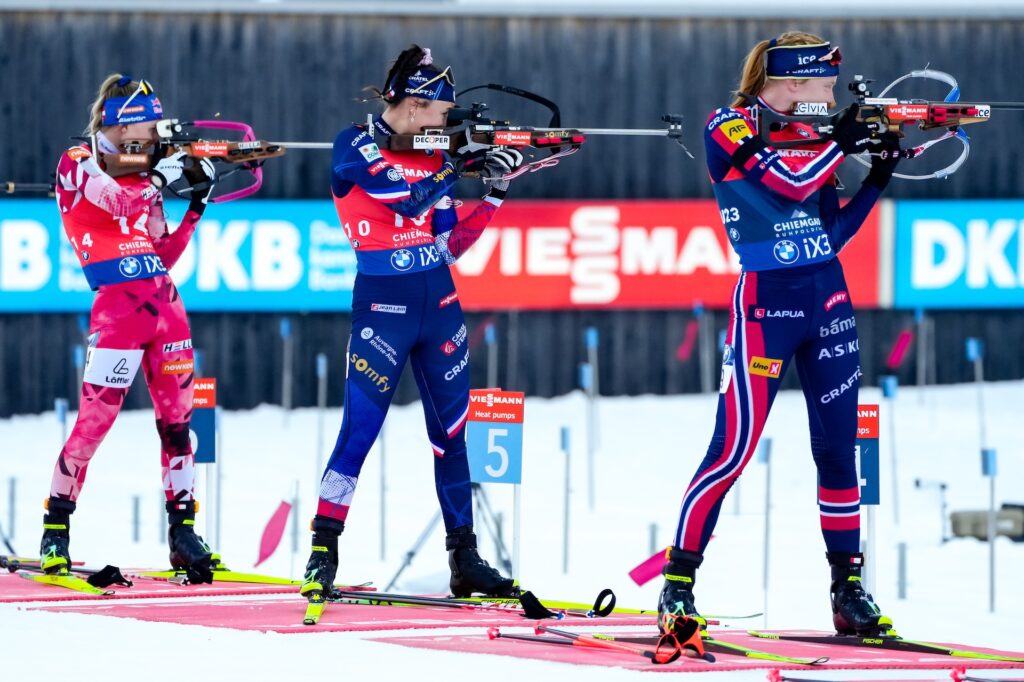
A Season of Unrest and Uncertainty
The Austrian Biathlon Federation has been grappling with a period of significant upheaval, characterized by internal power struggles and a lack of clear strategic direction. The recruitment of Wolfgang Pichler, a coach celebrated for his success with the Swedish national team, was seen as a decisive move to restore order and elevate performance. However, reports suggest that Pichler’s integration, or the circumstances surrounding it, has instead inflamed existing divisions within the coaching staff and leadership.
The exact nature of the conflicts remains somewhat opaque, but the outcome has been a destabilized environment for the athletes. The resignation of the head coach in protest is a stark indicator of the severity of the disagreements. This leaves the team in a precarious position, with athletes uncertain about their coaching staff and the long-term training philosophy that will guide them.
Gandler’s Trajectory and Future Prospects
Anna Gandler has emerged as one of Austria’s most promising talents in recent years. Her performance in the World Cup this past season, where she consistently finished as the leading Austrian biathlete in races where Hauser was not competing or had retired, highlights her potential. Her ability to compete at such a high level suggests a strong individual work ethic and talent.
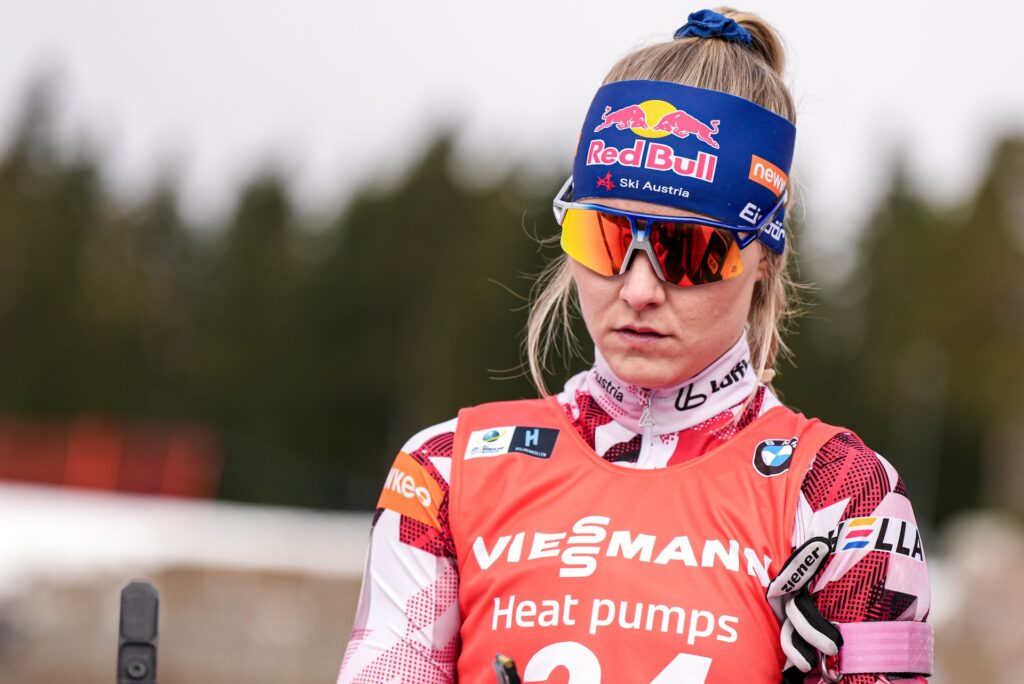
By appointing her father, Markus Gandler, as her personal coach, she is opting for a familiar and trusted figure to guide her development. Markus Gandler’s background as an elite cross-country skier provides him with a deep understanding of endurance sports and training methodologies. This personalized coaching approach, combined with her move to France, could offer a fresh start and a more tailored training regimen.
The decision to train independently, while potentially more demanding in terms of logistical and financial management, allows Gandler to exert greater control over her training schedule, focus, and overall approach. This is a path increasingly chosen by athletes seeking to optimize their performance without the constraints or complexities of national team structures, particularly when those structures are experiencing internal discord.
A Growing Trend of Athlete Independence
Gandler’s decision to leave the national team is part of a broader trend observed in various sports, including biathlon, where athletes are increasingly prioritizing personalized training programs and seeking greater control over their careers. The situation in Austria is not unique; other national federations have also faced challenges in retaining their top talent amidst internal disputes or perceived shortcomings in their support structures.
In France, for instance, several athletes have also opted for independent training setups, often collaborating with private coaches and support staff. This approach allows them to build highly individualized programs that cater to their specific strengths, weaknesses, and career goals.
The departure of Lisa Theresa Hauser, a highly decorated Olympian and World Cup winner, from the Austrian national team last year, serves as a significant precedent. Hauser’s decision also stemmed from a desire for a different training environment and greater personal control. The fact that another prominent Austrian biathlete is now following a similar path raises questions about the long-term sustainability and attractiveness of the current national team model.
Implications for Austrian Biathlon
The departure of Anna Gandler represents a significant loss for the Austrian Biathlon Federation, both in terms of athletic talent and its public image. Losing its top active female biathlete amidst a leadership crisis sends a strong signal about the challenges facing the sport in the country.
The federation now faces the dual task of resolving its internal conflicts and rebuilding trust with its athletes. The exodus of key figures could lead to a period of rebuilding and strategic reassessment. It may also prompt a broader conversation within the sport about athlete welfare, the importance of stable leadership, and the need for structures that empower athletes while fostering a cohesive and supportive team environment.
The long-term implications for Austrian biathlon will depend on how effectively the federation can navigate this period of transition. The ability to attract and retain talent, foster a positive team culture, and implement a clear and effective training strategy will be crucial for its future success on the international stage. For Anna Gandler, this bold move represents a significant personal and professional gamble, but one that she evidently believes is necessary to pursue her biathlon ambitions on her own terms. Her progress and success in France will undoubtedly be closely watched by the biathlon community.

