
The demanding seven-day BC Bike Race, a prestigious event that traverses the rugged and scenic terrain of British Columbia, attracts a diverse array of athletes, each with their own story and, crucially, their own high-performance mountain bikes. Global Mountain Bike Network (GMBN) recently embarked on a quest to understand the financial strategies behind these impressive machines, posing a simple yet revealing question to participants between stages: "What do you do for a living?" The answers painted a fascinating picture of the varied professional backgrounds that support the pursuit of elite-level mountain biking.
The Elite Hardware of the BC Bike Race
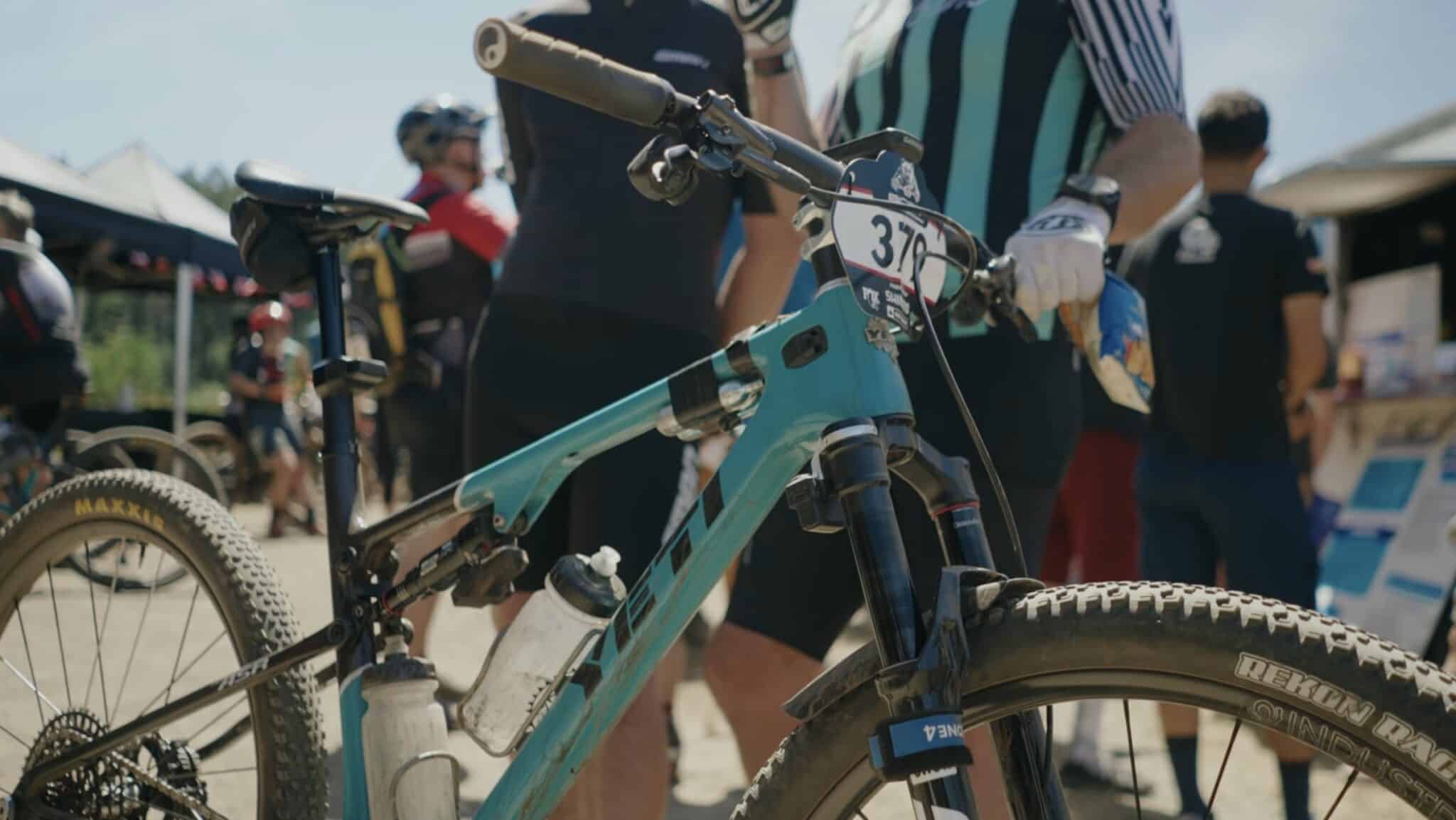
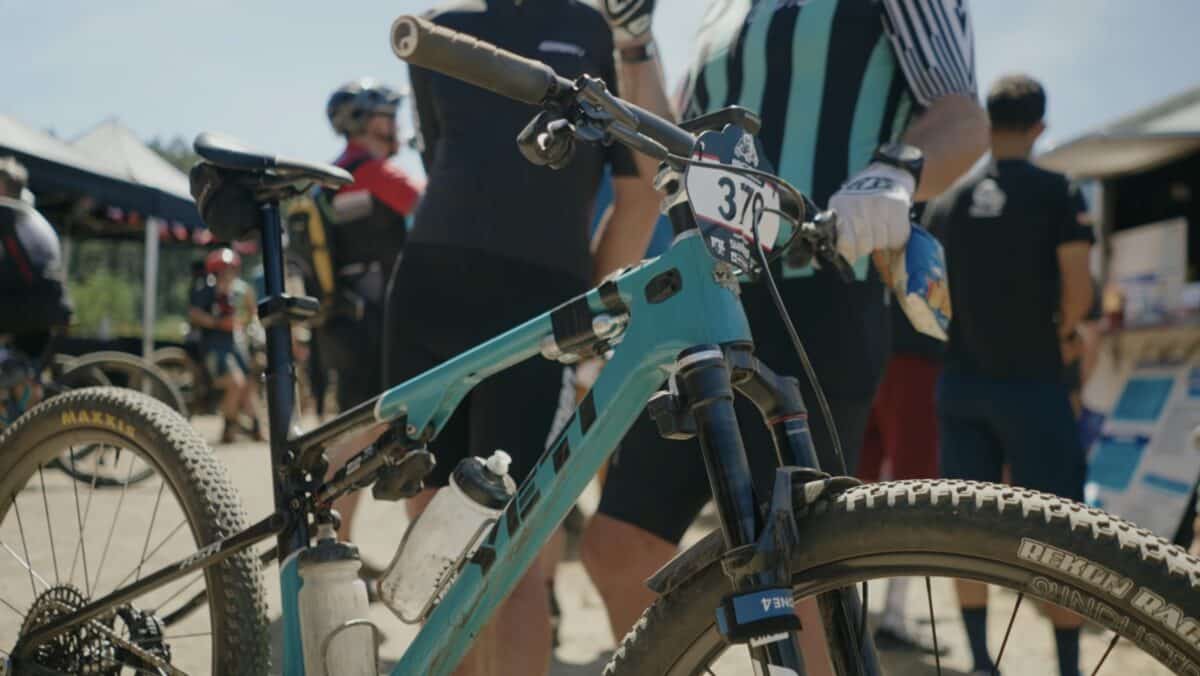
The BC Bike Race is renowned not only for its challenging course, spanning hundreds of kilometers and thousands of vertical meters of climbing, but also for the caliber of equipment present. This year’s event showcased a spectrum of cutting-edge mountain bikes, with participants investing significantly in machinery designed for peak performance in endurance racing. Among the interviewed riders were individuals piloting some of the most sought-after models in the industry, including the Specialized S-Works Epic 8, a bike often considered the pinnacle of cross-country race technology, and the Trek Fuel LX, a long-travel trail bike adapted for the demands of stage racing.
One notable participant was a retired professional rider, whose S-Works Epic 8 was fully outfitted with top-tier components, reflecting a deep understanding of the sport and the resources to match. Contrastingly, a product manager from tech giant Google was observed on a custom-painted iteration of the same Specialized model, highlighting the intersection of demanding careers in innovation and the passion for outdoor sports. Further showcasing the breadth of the field, a bicycle shop owner from Victoria, British Columbia, opted for the Trek Fuel LX, a testament to both professional insight into the cycling market and personal preference for a more robust build.
A Mosaic of Professions Funding the Passion
The professional backgrounds of the BC Bike Race participants revealed a surprising diversity, extending far beyond the typical archetypes one might expect. The GMBN crew encountered a range of individuals whose careers, while seemingly disparate from professional cycling, provided the necessary financial means to acquire and maintain their dream bikes.
From the mountain biking mecca of Valle de Bravo, Mexico, a participant who owns and operates a local mountain bike shop brought his Scott Spark RC to the race. This choice underscored a dual passion: running a business deeply embedded in the cycling community and actively participating in its most demanding events. The Scott Spark RC itself is a highly regarded platform, known for its lightweight construction and efficient suspension, making it a strong contender for multi-day stage races.
The interviews unearthed an even wider array of professions. An optical engineer from Tucson, Arizona, demonstrated how specialized technical skills in optics could translate to funding a passion for high-performance cycling. Similarly, an MRI technologist, a profession requiring precision and dedication within the healthcare sector, was also present, their career enabling them to invest in their athletic pursuits.
The commitment to participating in the BC Bike Race was evident in the travel arrangements of some riders. A highway construction worker from St. Louis, Missouri, made a significant effort, driving his van for three days to reach the event, illustrating the lengths to which enthusiasts will go. The business world was also well-represented, with a woman who manages a waste compliance software company catering to the Western Canadian energy industry, showcasing how success in niche business sectors can fuel athletic endeavors. This wide spectrum of occupations—from high-tech engineering and healthcare to small business ownership and manual labor—demonstrates that a passion for elite mountain biking is not confined to any single economic or professional stratum.
The Economics of Endurance: Data and Analysis
The cost of a top-tier mountain bike, such as the Specialized S-Works Epic 8 or a high-spec Trek Fuel LX, can easily range from $8,000 to over $12,000 USD, with custom builds and high-end components pushing that figure even higher. For professionals in demanding careers, this represents a significant, but often achievable, discretionary expense.
Supporting Data and Trends:
- Average Income Disparities: While precise data for BC Bike Race participants is unavailable, general statistics show that professionals in fields like technology, engineering, and healthcare often command salaries well above the national average, facilitating substantial investments in recreational pursuits. For instance, in 2023, the median salary for software developers in the US was approximately $124,000, and for mechanical engineers, it was around $98,000. These figures suggest a financial capacity for high-value sporting equipment.
- The "Enthusiast Economy": The market for high-performance sporting goods, particularly in cycling, is a robust sector driven by dedicated enthusiasts. Companies like Specialized and Trek invest heavily in research and development to produce bikes that cater to the elite segment of this market, understanding that a core group of riders will prioritize performance and are willing to pay a premium.
- Investment vs. Expense: For many of these athletes, their high-end mountain bikes are not merely expenses but investments in their health, well-being, and pursuit of competitive goals. The physical and mental benefits derived from participating in events like the BC Bike Race can be considered a return on this investment for individuals for whom these activities are a significant part of their lifestyle.
The Role of the Bicycle Industry and Retail
The presence of a bicycle shop owner as a participant is particularly insightful. This individual, operating within the industry, not only possesses an intimate knowledge of bike technology and pricing but also likely benefits from industry connections and potential employee discounts. Their choice of a Trek Fuel LX also highlights the practical considerations even for those within the trade – selecting a bike that balances performance with durability and versatility for a demanding event.
Furthermore, the fact that many participants opt for models that are readily available through reputable dealers suggests a reliance on established brands and their warranty and support networks. This is crucial for expensive equipment that undergoes significant stress. The "custom-painted" aspect of the Google employee’s bike also points to a trend of personalization within the enthusiast market, where riders seek to make their high-value equipment unique, often an option available through authorized dealers or direct from manufacturers.
Broader Impact and Implications
The findings from GMBN’s informal survey at the BC Bike Race offer a microcosm of the broader landscape of elite amateur sports. They underscore that passion for demanding physical activities like multi-stage mountain biking is not solely the domain of professional athletes or those with abundant free time. Instead, it is increasingly supported by individuals in diverse professional fields who strategically allocate their resources to pursue their athletic aspirations.
Analysis of Implications:
- Democratization of Elite Sport: While the cost of high-performance equipment remains a barrier, the accessibility of information and the increasing diversity of high-paying professions suggest that participation in "niche" elite sports is becoming more democratized. Individuals can now finance their passions through a wider range of career paths.
- Lifestyle Integration: The phenomenon highlights a growing trend of integrating high-performance sports into a balanced lifestyle. Professionals are demonstrating that demanding careers and intense athletic pursuits are not mutually exclusive but can be complementary, contributing to overall well-being and personal fulfillment.
- Economic Driver: The willingness of these individuals to invest significant sums in their sport supports a thriving cycling industry, from manufacturers and retailers to event organizers and media outlets. This "enthusiast economy" plays a vital role in local and global economies.
The BC Bike Race, therefore, serves as more than just a test of endurance; it is a vibrant showcase of dedication, a testament to the varied professional lives that fuel athletic dreams, and a clear indicator of the economic power of passionate individuals within the realm of extreme sports. The question of "What do you do for a living?" at an event like this reveals not just a profession, but a life strategy that successfully balances career achievement with the pursuit of peak athletic performance.

