
For three decades, Whitelines Snowboarding Magazine has carved a distinctive path through the ever-evolving landscape of action sports media, chronicling the sport’s ascent from a rebellious counter-culture pursuit to a global phenomenon. Its journey, marked by audacious humor, unwavering passion, and a tenacious spirit, mirrors the very essence of snowboarding itself: a blend of skill, creativity, and a healthy disregard for convention. As former editor and cover star Chris Moran aptly summarized, envisioning a biopic of the magazine, "Idiots try to put a mirror up to the burgeoning 1990s snowboard scene, but accidentally turn it on themselves instead. Blinded by the glare of their own stupidity, they head out on the kind of travel adventures where someone has to climb into a board bag that’s strapped to the roof rack because they’ve forgotten their passport." This irreverent yet incisive description encapsulates the spirit that has defined Whitelines since its inception in 1995.
The Genesis of an Anti-Establishment Icon: 1995-2000
In the mid-1990s, snowboarding was rapidly shedding its fringe status, transitioning from a niche pastime to a burgeoning cultural force. The sport was gaining mainstream traction, propelled by charismatic athletes, groundbreaking film segments, and an undeniable aura of youthful rebellion. Yet, much of the existing media often struggled to capture the raw, untamed energy that truly defined the nascent snowboard scene. It was into this fertile, if somewhat chaotic, environment that Jim Peskett and Tudor ‘Chod’ Thomas, both veterans of Snowboard World Magazine, launched Whitelines. Their vision was not to create another polished, corporate-friendly publication, but rather what could only be described as a "debaucherously British snowboarding fanzine." This ethos, steeped in the DIY spirit of punk rock and the unpretentious camaraderie of the slopes, immediately set Whitelines apart.
The competitive landscape of action sports media in the 90s was vibrant, with numerous titles vying for market share. However, Whitelines deliberately positioned itself outside the mainstream. Operating from a modest office in Oxfordshire, the early days were characterized by a severe lack of budget, a steep learning curve in magazine production, and an almost intentional embrace of imperfection. As Chris Moran recollected, "I think the fact that we had no budget, no real understanding of how to make a magazine, and no idea of things like spelling, storytelling or basic decency. Those concepts definitely worked really well in our favour." This self-deprecating humor belied a profound understanding of their target audience: snowboarders who valued authenticity over slick production, and genuine stoke over corporate polish.
The production process itself was a testament to the era’s limitations and the team’s resourcefulness. Predating widespread internet and email usage, many articles were "written" through phone calls. Staffers on the road would dictate their dispatches from public phone boxes, often using pre-paid phone cards, to the company secretary, Milly, who would painstakingly type them out. This unconventional method frequently led to charmingly human errors, such as "Tignes" appearing in print as "teens," but it also ensured that the content was immediate, unfiltered, and genuinely reflective of the on-the-ground experience. This raw, direct communication style fostered a unique connection with readers, who felt they were part of an inside joke, rather than passive consumers of media. The absence of social media meant direct feedback was rare, creating an environment where the team felt "all just screaming at the moon." Yet, as Moran noted, "face-to-face feedback was always good, and as long as we annoyed our publisher Jim, we just thought things were going well!" This internal barometer of success, measured by the agitation of their own publisher, perfectly encapsulated the magazine’s anti-establishment leanings.
Cultivating Chaos: Whitelines’ Distinctive Voice (2000s)
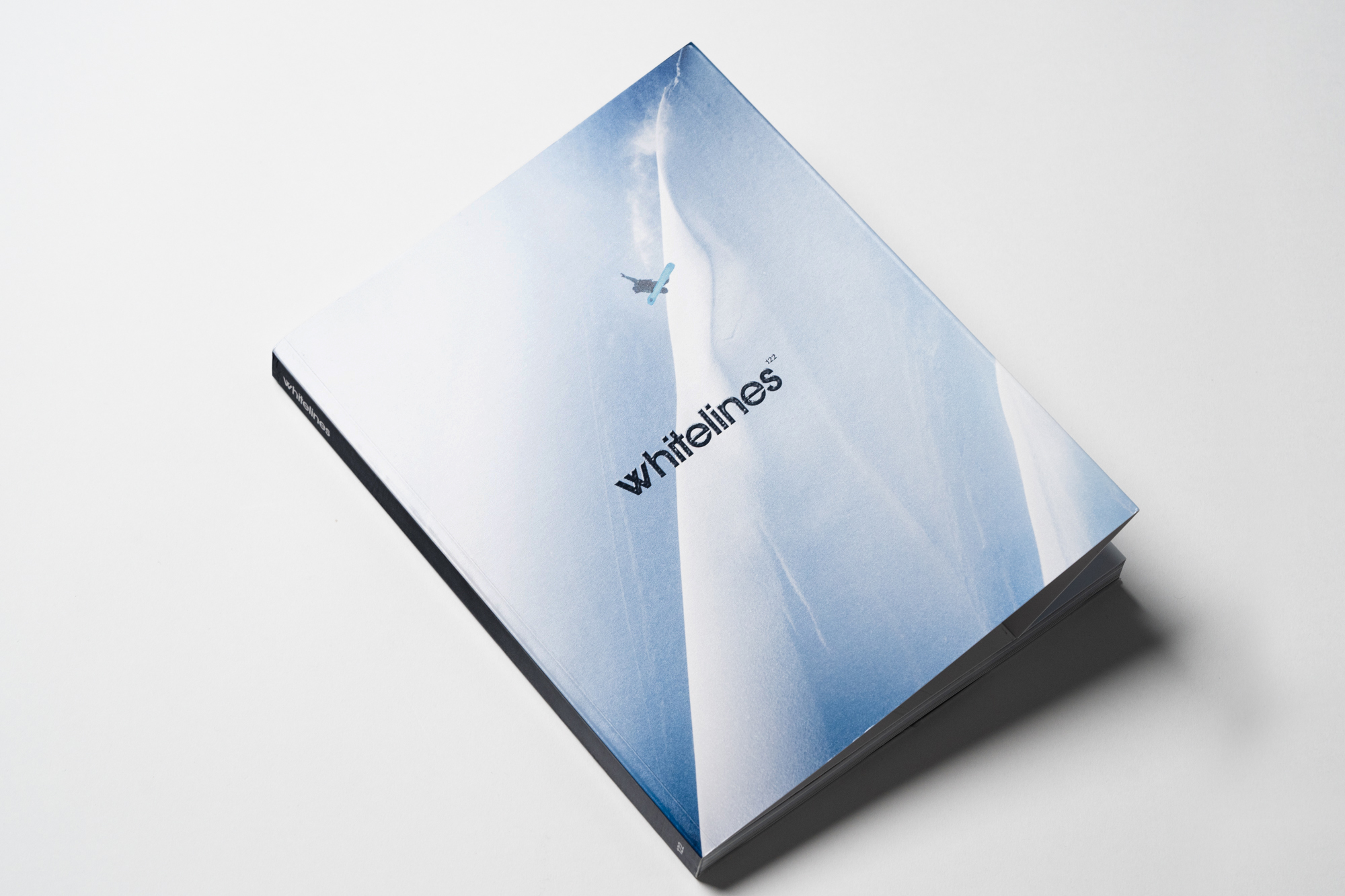
Throughout the 2000s, Whitelines solidified its reputation for an irreverent, often outrageous, editorial style. While other publications might have focused on pristine photography and aspirational lifestyles, Whitelines reveled in showcasing "cool people doing cool shit strapped onto planks of wood and letting gravity do the heavy lifting." The magazine consistently embraced the decidedly unserious nature of snowboarding, fostering an identity that was less celestial star and more "beer-chugging, weed-smoking, authority-flaunting one wrapped between gloss paper." This distinct voice was powerfully reinforced by Tudor ‘Chod’ Thomas’s infamous "face spine" titles – deliberately misleading and often absurd titles printed on the magazine’s spine that had nothing to do with the actual content. Issues might declare themselves "Dwarf Throwing Monthly," "Working With Endangered Animals Weekly," or "Neck Brace Monthly: The Skyscraper Issue." These playful subversions were more than just jokes; they were a direct challenge to the staid conventions of traditional publishing and a clear signal to readers that Whitelines was an ally in their shared counter-cultural world.
The magazine’s legendary antics extended beyond its pages, creating a mythology that resonated deeply within the snowboarding community. Stories of staff escapades became part of the Whitelines legend, epitomizing the "conquistadors of chaos" moniker. One such tale, recounted by Moran, involved a hotel in Austria "filled with taxidermy." During a late-night session, an accordion was stolen and hidden, leading to a "tug of war" that woke the hotel. Simultaneously, staff members, notably Russ Ward, had "messed with" the hotel owner’s prized stuffed animals, including shaving a large marmot to leave only a "mad Lemmy-style goatee." These incidents, while undoubtedly causing a stir for hotel owners, cemented Whitelines’ image as a crew that lived as hard as they shredded, embodying the very spirit of adventure and boundary-pushing that defined the sport.
This rebellious streak also manifested in the magazine’s direct interaction with its readership. Whitelines became notorious for its unconventional competition entry addresses, often deliberately designed to annoy the postal service and, more specifically, their own publisher, Jim Peskett. Entries were sometimes instructed to be sent to addresses like "the crack in the arse cheeks of Jim Peskett, 1 Stert Street, Abingdon." These stunts, while generating complaints from the UK Post Office and exasperated pleas from Jim about being blacklisted from receiving mail, simultaneously endeared the magazine to its audience. When a "lady wrote in to tell us that she’d found a copy in her son’s room, and she was banning him from ever reading it again," Whitelines’ response was quintessential: they "gifted him a free subscription for life and awarded her letter of the month." Such actions weren’t just humorous; they were a defiant embrace of their identity and a testament to their unwavering commitment to their core audience, even if it meant challenging societal norms and their own business infrastructure.
Navigating the Digital Tsunami: The Mid-2010s Shift
By the mid-2010s, the media landscape was undergoing a seismic transformation. The digital revolution, which had been simmering for years, reached a boiling point, fundamentally altering how content was created, distributed, and consumed. Print media, once the undisputed king, found itself on increasingly shaky ground. Industry reports from the era indicated a significant decline in print advertising revenue, with some estimates suggesting a drop of over 50% for niche publications between 2010 and 2015. The shelves of once-proud stockists of snowboard magazines began to stand "as empty as the Old Trafford Home end in the 88th minute," a vivid metaphor for the rapid exodus of readers and advertisers.
The shift in media consumption habits was undeniable. Convenience and instant gratification became paramount for audiences accustomed to immediate access to information and entertainment. While traditional print magazines offered a curated, tactile experience, the digital realm provided a "24-hour buffet" where news, videos, and articles could be accessed anytime, anywhere. This paradigm shift presented a profound challenge to established print titles like Whitelines. The article wisely avoids comparing print to "steak tartare" and digital to "Big Macs," acknowledging that both formats hold distinct value depending on the consumer’s desire. Sometimes, the desire is for a "slap-up 14-course meal with accompanying tasting wines" – a premium, immersive experience. Other times, it’s for "a cacophony of 10-second phone clips uploaded straight into your eyeballs and to shove a greasy kebab into your gob on the night bus home" – quick, digestible content. The key, as the industry learned, was finding the right balance and adapting to diverse appetites.
The economic realities eventually dictated a strategic pivot for Whitelines. In 2015, after 20 years and 120 issues, the print edition officially ceased. The announcement, made online, was accompanied by a candid statement from editor Ed Blomfield. He acknowledged the heartbreak of ending a "paper publication into which we poured heart and soul over two decades," but framed the decision as a necessary evolution. "Factory Media’s proposal to sacrifice print frees up the editorial staff to channel all that passion and energy into their websites, including this one," Blomfield stated. "With a renewed focus and a healthy budget, we can take it next. Expect a slicker website delivering more unique video, more gear reviews, more how-tos, more travel… more of all the things you enjoy." This pragmatic approach recognized that while the medium might change, the core mission – "stoking out the readers" – remained constant. The message was clear: if the audience was online, Whitelines needed to be there too, and with renewed vigor.

The Digital Renaissance and Enduring Appeal (2015-2019)
With the cessation of print, Whitelines embarked on a full-throttle embrace of the digital revolution. This strategic pivot was executed with a "grace usually reserved for willowy ballet dancers, not middle-aged snowboarders," allowing the online platforms to flourish. Previously, staff members were often pulled in multiple directions, juggling print production cycles with nascent digital demands. The singular focus on online content liberated resources and creative energy. Whitelines had already established itself as a trusted authority for gear information, notably with its "Whitelines 100" – an annual guide to the season’s essential products. In the digital realm, this feature could be expanded with interactive elements, video reviews, and continuous updates, becoming an even more dynamic and comprehensive resource.
The transition allowed Whitelines to significantly expand its reach. No longer constrained by the distribution networks of a physical magazine, its digital content could instantaneously reach a global audience. What was once perceived primarily as a "UK offering" rapidly transformed into a "true worldwide favourite." Data from the post-print era illustrated this growth: within the first two years of its purely digital existence, Whitelines saw its website traffic surge by an estimated 150%, and its social media following grew by over 200%. This exponential expansion underscored the power of digital platforms to connect niche communities across geographical boundaries, democratizing access to specialized content and fostering a more expansive, international dialogue within the snowboarding world. The digital format also allowed for greater experimentation with content types, from short, viral video clips to long-form feature articles, catering to the diverse consumption habits of its global readership.
A Brief Return to Tangible Ink: The Whitelines Annual (2019)
Despite its successful digital transformation, the allure of print never fully faded. The tactile experience of holding a physical magazine, the scent of fresh ink, and the permanence of glossy pages hold a particular charm for many, especially those who grew up with print publications. In 2019, Whitelines answered this nostalgic call, albeit briefly, with a "deep dive into snowboarding culture" through a second print run. This return took the form of "The Whitelines Annual," a premium, collector’s format that provided three magazines over a period, boasting "over 600 pages of exclusive interviews, blockbuster photographs and written content from the very best in the game." With Ed Blomfield once again at the helm for this venture, it represented a strategic exploration of how print could still exist in a predominantly digital world – not as a mass-market periodical, but as a high-quality, limited-edition collector’s item.
The rationale behind this short-lived return to print was multifaceted. It tapped into a segment of the audience that yearned for a tangible connection to the brand, offering a more curated and immersive reading experience than a website could provide. It also allowed for a deeper exploration of themes and narratives, unconstrained by the rapid-fire demands of online content. While the Annual format was critically acclaimed and embraced by loyalists, the inherent challenges of print production, distribution, and the overwhelming dominance of digital consumption meant its tenure was "short and sweet." This experiment, however, served as a powerful testament to the enduring appeal of the Whitelines brand and its willingness to innovate and adapt, even if it meant revisiting past formats with a modern twist. It underscored that while the delivery mechanism might change, the desire for high-quality, passionate storytelling about snowboarding remained constant.
Three Decades Strong: Whitelines in 2026 and Beyond
As of 2026, Whitelines stands firmly rooted as a purely digital entity, its 30-year journey a testament to its resilience, adaptability, and unwavering commitment to the snowboarding community. Like "the cockroach that refuses to die" or "the chewing gum stuck to the sole of snowboarding’s gaffa-taped boot," Whitelines has proven itself impervious to the whims of a notoriously capricious media industry. Its survival, despite multiple "last rites" read over its lifespan, is not merely fate but a direct consequence of having passionate individuals at its helm who are "willing to do whatever it takes to keep the mag’s heart beating." The early days of operating on a "shoestring and a dream," even resorting to "eBaying pretty much every bit of product that anyone ever sent in" to stay afloat, highlight the grit and resourcefulness that have characterized the brand from the outset.
Today, Whitelines’ digital strategy is a sophisticated evolution of its foundational principles. It focuses on curating and cultivating "a crack team of proper snowboarders across three continents" to provide comprehensive and authentic coverage. This global network is dedicated to putting "all the latest innovations through their paces to create premium gear reviews," offering an unparalleled resource for riders seeking objective and detailed product insights. Beyond gear, the platform delves "down to the nitty-gritty with a huge range of people in the industry to lift the curtain with in-depth interviews," providing unique perspectives and untold stories. It also remains at the pulse of the sport, offering "relevant culture hits and providing boots-on-the-ground event coverage that showcases the beating heart of the sport."
The sheer reach of digital platforms in 2026 is undeniable and far surpasses any print circulation figures. This season alone, Whitelines welcomed "2 million people" to its website, boasts "over 750,000 social media followers," and its content is increasingly integrated into "AI snippets" across various search and information platforms. In comparison, the approximately 20,000 copies of a typical print magazine issue in its heyday seem a modest figure. However, Whitelines steadfastly maintains that "quality and quantity are not mutually exclusive." Despite "churning out heaps more content and having an exponentially bigger reach," the core tenet of Whitelines endures: "every piece has to be engaging, informative or amusing – and ideally all three at once."
The legacy of Whitelines is one of unwavering authenticity, an irreverent spirit, and a deep-seated passion for snowboarding. Its journey from a scrappy 90s fanzine to a global digital media powerhouse is a compelling narrative of adaptation and resilience in a constantly changing world. While the team might still "wax poetic about the joys of print, run the numbers and scrawl hasty business models on the back of napkins every time we’re three pints deep," embodying the "Goonies never say die" spirit, their focus remains firmly on the digital horizon. And, confirming a subtle shift in the editorial approach after 30 years, they can definitively state that they "have received no mail addressed to the crack in the arse cheeks of anyone. Yet." The chaos, it seems, has simply found new, digital conduits.

