
Two weeks after his abrupt and public departure from the Austrian national biathlon team, heralded as a "shock exit," celebrated coach Reinhard Gösweiner has resurfaced in a prominent new role. The esteemed German trainer has officially been appointed as the head coach for the Belarusian national biathlon team, marking a significant development in the international biathlon coaching landscape. This move comes in the wake of considerable internal turmoil within the Austrian Ski Federation, a situation that reportedly led to Gösweiner’s protest resignation.
The Austrian Ski Federation had previously sought to address a protracted period of internal discord by bringing in German coaching legend Wolfgang Pichler earlier this spring. However, this initiative appears to have fallen short of its intended resolution, with reports indicating that conflicts within the federation have escalated rather than subsided. This internal strife is believed to be a primary catalyst for the recent high-profile departures.
Gösweiner’s resignation was not an isolated incident. It followed closely on the heels of a public statement by Austria’s leading biathlon star, who also announced a severance of ties with the national team, citing significant dissatisfaction. Gösweiner’s subsequent resignation in protest underscored the depth of the issues plaguing the Austrian program.
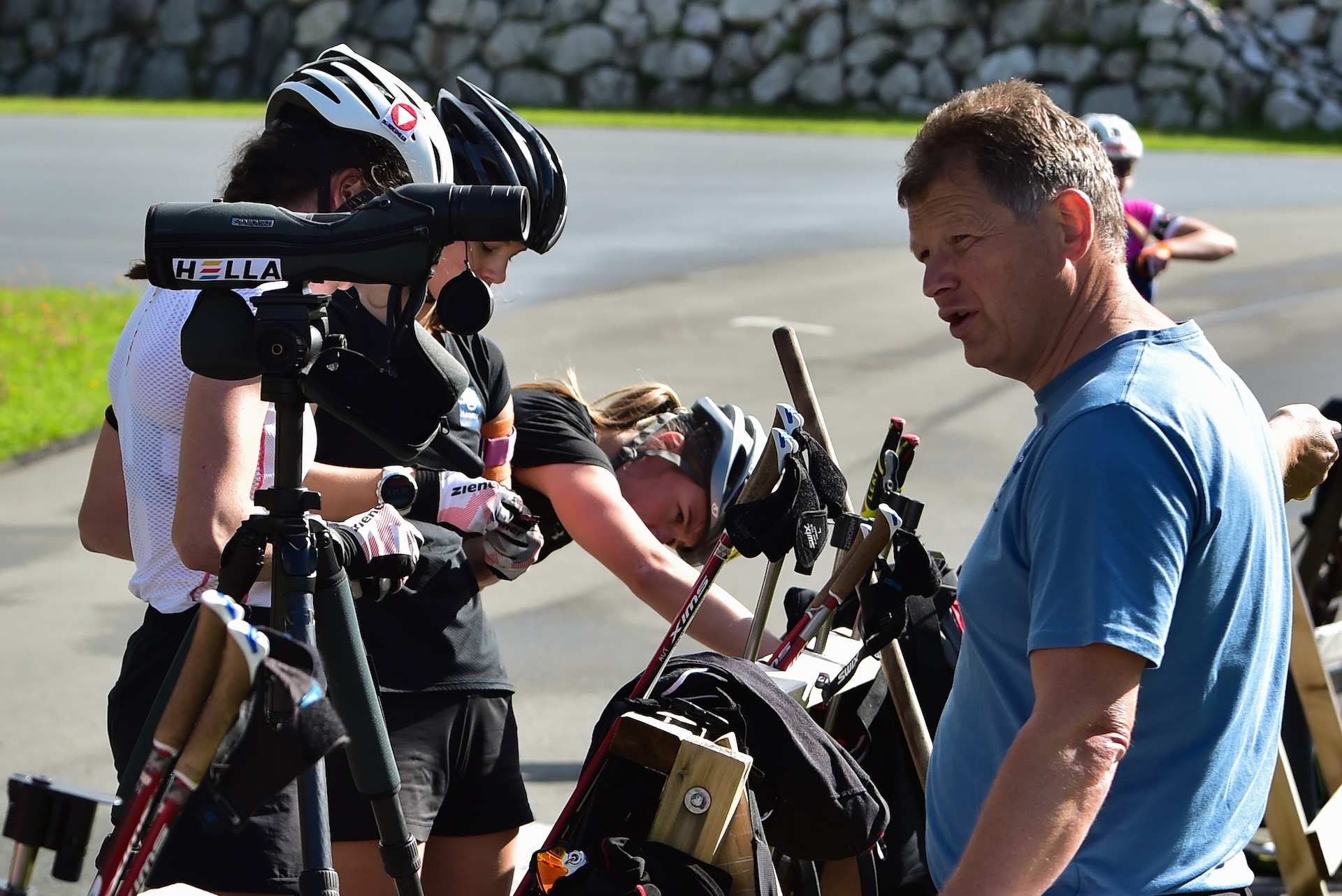
Now, Gösweiner is already immersed in his new responsibilities, having commenced his first training camp with the Belarusian athletes. His appointment signifies a notable shift in his career trajectory and brings a coach with a proven track record of success to a nation looking to bolster its biathlon program.
Background of the Austrian Biathlon Federation’s Challenges
The Austrian Ski Federation has been navigating a complex and challenging period marked by internal disagreements and organizational restructuring. The decision to enlist Wolfgang Pichler, a figure renowned for his extensive experience and success, particularly with the Russian and Swedish biathlon teams, was intended to bring stability and a fresh perspective. Pichler’s mandate was reportedly to overhaul and re-energize the federation’s biathlon division.
However, the underlying issues proved to be more entrenched than anticipated. Reports from within the Austrian biathlon community have frequently highlighted ongoing tensions and differing visions for the sport’s development. These internal dynamics appear to have created an environment where coaches and athletes alike felt compelled to seek alternative paths.
The departure of Austria’s top female biathlete, whose name has been widely circulated in connection with her dissatisfaction, sent ripples through the sport. This athlete, a significant medal contender, has been a cornerstone of the Austrian team for years. Her decision to break with the national squad, coupled with Gösweiner’s subsequent resignation, painted a stark picture of the federation’s internal struggles. Gösweiner’s move was explicitly framed as a protest, suggesting a principled stand against the prevailing conditions within the Austrian setup.
Gösweiner’s New Role and Belarusian Biathlon’s Strategic Alignment
The Belarusian national biathlon team represents a new chapter for Gösweiner, bringing his expertise to a different national program. This appointment is particularly noteworthy given the current geopolitical climate and its impact on international sports. Belarus, along with Russia, has faced significant sanctions and restrictions from various international sports federations, including the International Biathlon Union (IBU), following the invasion of Ukraine.
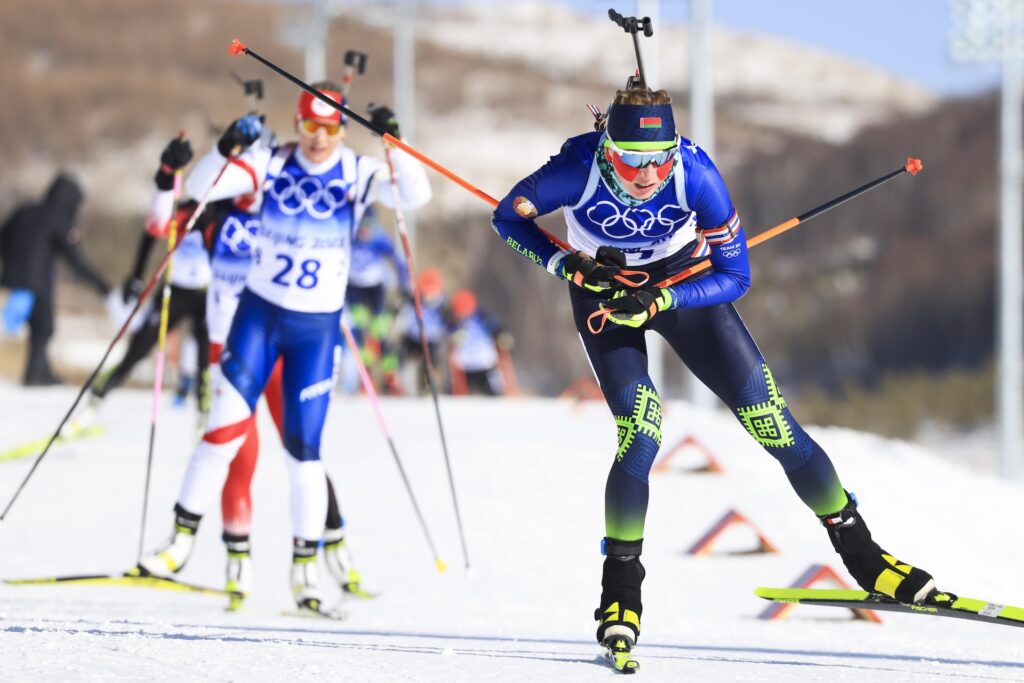
The Belarusian team’s decision to appoint Gösweiner, a highly respected international coach, signals a strategic effort to enhance their competitive standing. This move also occurs within a context where Belarusian and Russian athletes have been seeking avenues to continue their careers and potentially return to international competition.
A Notable Colleague: Jurij Kaminsky’s Ambitions
Within the Belarusian setup, Gösweiner will find a familiar face and a colleague with a shared history of navigating complex international sports politics. Jurij Kaminsky, a former head coach of the Russian national biathlon team, has also found a coaching position within Belarus. Kaminsky departed Russia in March of the previous year to take up a coaching role with the Belarusian national team.
Kaminsky has been vocal about his intentions to leverage the Belarusian national team as a platform to facilitate the return of Russian athletes to the World Cup circuit. This ambition, coupled with Gösweiner’s arrival, creates an interesting dynamic within the Belarusian team, potentially blending coaching philosophies and strategic objectives. The prospect of using Belarus as a conduit for Russian athletes’ return to international competition has been a recurring theme in recent biathlon discussions, with various proposed solutions and loopholes being explored by Russian sports officials.

Athlete’s Perspective: Dzinara Smolskaya on the Transition
Among Gösweiner’s new charges in Belarus is Dzinara Smolskaya (formerly Alimbekava), an Olympic gold medalist from the 2018 PyeongChang Games. Smolskaya has a prior working relationship with Gösweiner, having collaborated with him six years ago. Her positive assessment of Gösweiner’s coaching methods offers an athlete’s perspective on the transition.
Smolskaya described Gösweiner as a coach who is "clear and feels familiar." She indicated that his methods proved highly effective for her previously and that his current approach aligns well with plans that had been established earlier with Roman Pavlovich Sinichenko. This suggests a degree of continuity and a recognized coaching philosophy that resonates with established training regimens.
Regarding the team’s adaptation to the change, Smolskaya noted that the transition has been "simple" so far, with everyone adjusting well. She expressed the sentiment that the change might be easier for her to accept than for the male athletes on the team, though she emphasized that the coach’s identity is secondary to the commitment to hard work. "But it doesn’t really matter who the coach is," Smolskaya stated, as quoted by Sports.ru. "The most important thing is to put in the work." This pragmatic outlook highlights the athletes’ focus on performance regardless of coaching personnel.
Supporting Data and Contextual Analysis
The move of a prominent coach like Gösweiner from a well-established European biathlon nation to a program like Belarus is significant for several reasons:
- Coaching Talent Mobility: It underscores the global nature of elite sports coaching and the potential for talent to move across national borders, especially when internal conditions become untenable.
- Impact of Sanctions: The appointment takes place against the backdrop of widespread international sanctions against Russia and Belarus in sports. This context raises questions about how Gösweiner’s role will be perceived and managed within the broader IBU framework, particularly concerning any potential influence on Russian athletes’ participation.
- Athlete Development: Gösweiner’s expertise could significantly impact the development of Belarusian biathletes, potentially elevating their performance on the international stage. His previous success with Austrian athletes, who are known for their strong shooting and tactical prowess, suggests a transferable skill set.
- Strategic Considerations: For Belarus, securing a coach of Gösweiner’s caliber is a strategic investment aimed at improving their competitive standing. For Gösweiner, it represents an opportunity to continue his coaching career in a new environment, potentially with fewer internal political obstacles.
The situation within the Austrian Ski Federation, leading to Gösweiner’s departure, highlights a recurring theme in national sports federations: the delicate balance between athlete welfare, coaching philosophy, and administrative stability. The failure of the Pichler initiative to resolve these deep-seated issues suggests that organizational reform in elite sports is often a protracted and complex undertaking.
The involvement of Jurij Kaminsky further adds a layer of complexity. His stated goal of facilitating the return of Russian athletes to the World Cup, potentially through the Belarusian team, could lead to scrutiny from the IBU and other governing bodies. The IBU has maintained a stance of prohibiting Russian and Belarusian athletes from international competitions under their respective national flags. Any arrangement that circumvents these rules could be subject to review.
Broader Implications for International Biathlon
Reinhard Gösweiner’s transition to the Belarusian national team has several broader implications for the sport of biathlon:
- Competitive Landscape: The influx of a highly regarded coach into the Belarusian program could lead to increased competitiveness from Belarusian athletes, potentially altering the dynamics within World Cup events.
- Coaching Ethics and Politics: The case raises questions about the ethical considerations for coaches working in countries subject to international sanctions and the potential for national programs to be used as a vehicle for athletes from sanctioned nations.
- Future of Austrian Biathlon: The continued internal challenges and loss of key coaching personnel may have long-term consequences for the Austrian biathlon team’s ability to produce and retain top talent. The federation faces a critical juncture in addressing its internal issues to rebuild trust and ensure future success.
- IBU’s Role: The International Biathlon Union will likely monitor developments closely, particularly regarding any potential rule interpretations or challenges arising from the integration of coaches and athletes within the current geopolitical context. The IBU’s decisions on athlete eligibility and national team representation remain a central issue in international biathlon.
As Reinhard Gösweiner embarks on this new chapter with the Belarusian biathlon team, the international sports community will be observing closely. His success, the team’s performance, and the broader political and ethical dimensions of his appointment will undoubtedly shape discussions within the biathlon world for the foreseeable future. The rapid nature of his transition, from a high-profile resignation to a new top job, underscores the dynamic and often unpredictable nature of elite sports management.

