
The Norwegian junior orienteering team faces a significant challenge on Wednesday as they head into the demanding forest terrain for the long-distance race at the Junior World Orienteering Championships (JWOC) in Karlskrona, Sweden. After a disappointing seventh-place finish in Tuesday’s sprint relay, the team is determined to secure a medal, a feat that has remained elusive thus far in the competition. The shift from the urban sprint setting to the intricate forest environment of Blekinge presents a new set of hurdles and opportunities for the young athletes.
Sprint Relay Recap: A Missed Opportunity for Norway
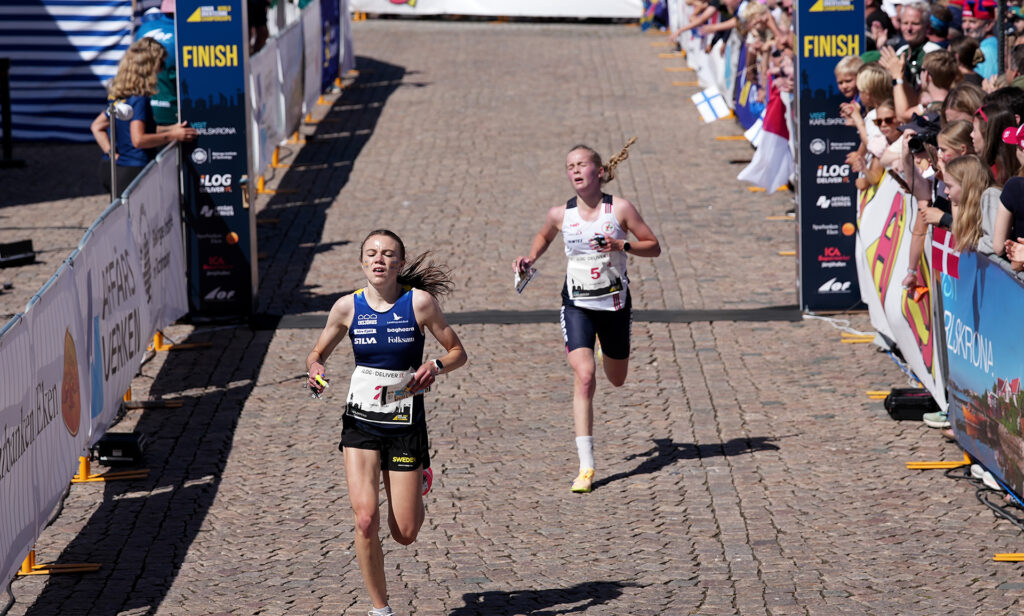
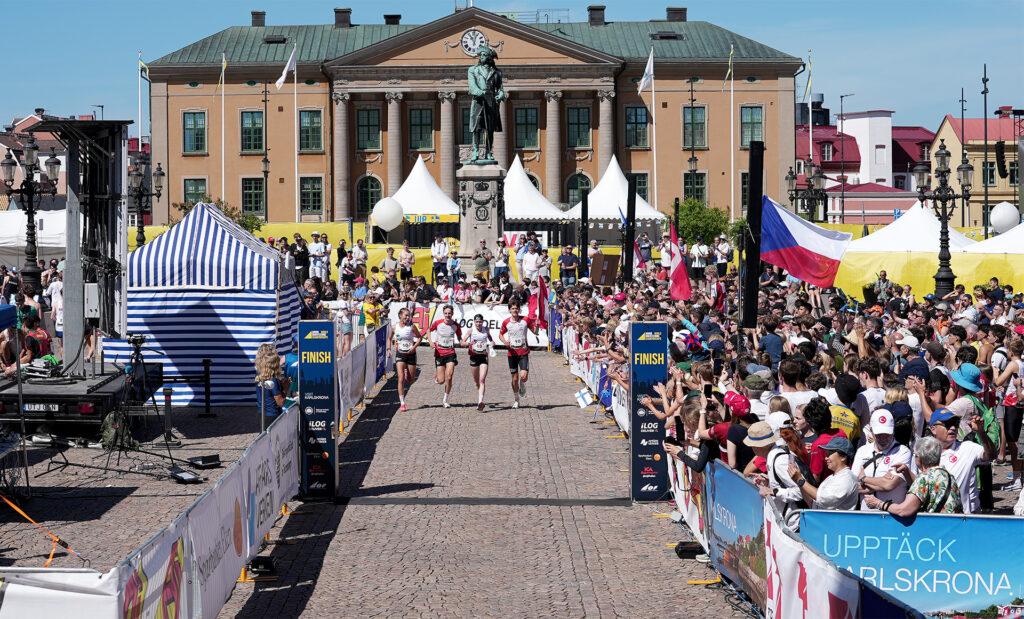
The sprint relay, held in the city of Karlskrona, saw Norway’s Elise Renard in a close sprint finish against Sweden’s Freja Hjerne, the individual sprint champion from Monday. Despite a strong effort from Renard, who recorded the eighth-best leg time, she ultimately finished just behind Hjerne, who propelled Sweden to sixth place. This result underscored Norway’s ongoing struggle to break into the medal ranks at this year’s JWOC.
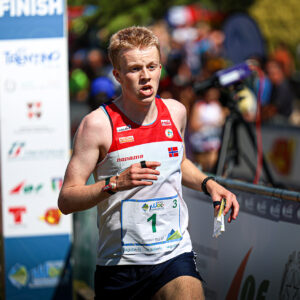
The Norwegian team’s journey in the sprint relay began with a significant deficit. Ronja Götsch Iversen of BUL-Tromsø, the first leg runner, lost 1 minute and 9 seconds to the leaders, handing over to her teammates in 28th position out of a field of 75 teams. However, the subsequent legs saw a remarkable recovery. Magnus Sigurdsson and Jonas Fenne Ingjerd managed to claw back significant time, elevating Norway to sixth place before the final leg. Sigurdsson, a debutant from Stokke in Vestfold, was particularly impressive, advancing 17 positions with his performance.
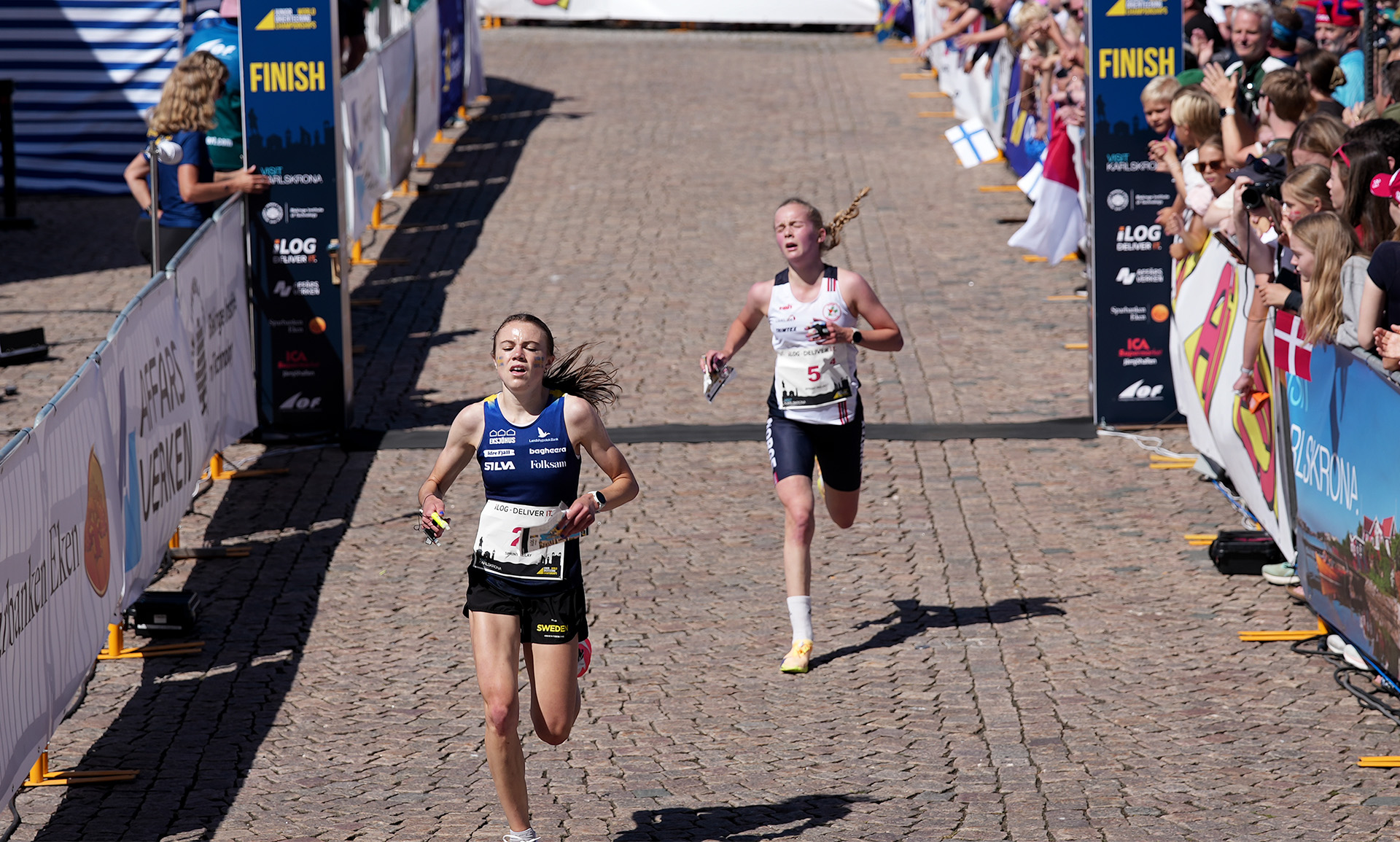
The final leg saw Elise Renard battling to maintain the team’s strong position. While she performed admirably, she was unable to match the blistering pace of Finland’s Anni Jantunen, who secured fourth place, finishing a mere 9 seconds shy of the podium. Renard’s duel with Hjerne in the final sprint highlighted the tight competition, but ultimately, the Norwegian team could not bridge the gap to the medal contenders.
Swiss Dominance in Sprint Relay, French Close Behind
The sprint relay podium was ultimately dominated by established orienteering nations. Switzerland claimed their second gold medal of the championships, showcasing their strength in this fast-paced discipline. Matthieu Bührer, the individual winner, provided a crucial lead for the Swiss team, sending out Leonie Mathis with a seven-second advantage over the Czech Republic and nine seconds over France.
"I got a little nervous when Matthieu came in first, but I concentrated on the map and my own race," Mathis commented after securing the gold. Her focus and execution on the final leg were key to fending off the challenges from other strong nations.
France secured the silver medal, with Fanny Delahaye overtaking the Czech Republic’s Katerina Stepova, who had opted for a time-consuming route choice after the arena passage. Finland, though closing in, narrowly missed out on a podium finish, ending up just outside the top three.
Norway’s Second and Third Teams
Norway’s second team finished a considerable 2 minutes and 49 seconds behind the Swiss winners. Despite the time deficit, there were notable individual performances. Karl Oraug Rygh from Nydalen ran an exceptional second leg, achieving the second-best leg time and propelling his team from 36th to 13th place, while also gaining 17 seconds on the leading pack. The second team comprised Anna Strøm Juliussen, Karl Oraug Rygh, Sondre Olaussen, and Ine Bohnhorst Tegdan, who exchanged positions at 36th, 13th, 15th, and 12th respectively.
The third Norwegian team, with a strong presence from Østfold, had exchange placings of 34th, 43rd, 28th, and 18th. This team, consisting of Minna Wingstedt, Sigve Nygaard Fagervold, Syver Strand Gulbrandsen, and Jenny Danevad, finished nearly five minutes behind the winning team.
Looking Ahead: The Challenge of the Long Distance
Wednesday’s long-distance race promises to be a significantly tougher test for all competitors. The championships move away from the urban setting of Karlskrona and into the dense forests of Blekinge, a terrain known for its complexity and demanding navigation. This discipline requires not only physical endurance but also superior map-reading skills and strategic decision-making under pressure.
Freja Hjerne of Sweden will be looking to defend her title from last year, while Switzerland’s Matthieu Bührer is a strong favorite to claim his third JWOC gold in this event. The question on many minds is whether the Norwegian athletes can finally break through to the podium. Jonas Fenne Ingjerd has come closest so far, with a commendable fourth-place finish in Monday’s sprint. His performance in the longer format will be closely watched.
The long-distance race is often considered the most prestigious event at the Junior World Orienteering Championships, as it truly tests the all-around capabilities of an orienteer. Success in this discipline requires a deep understanding of terrain, meticulous route choices, and the mental fortitude to maintain focus for extended periods. The dense forest can easily lead to navigational errors, which are amplified in a long-distance race, making it difficult to recover lost time.
Data and Context: Understanding JWOC and Orienteering
The Junior World Orienteering Championships are an annual event organized by the International Orienteering Federation (IOF). It serves as a crucial platform for young athletes aged 17-20 to compete at an international level, gain valuable experience, and showcase their potential for future senior careers. The JWOC typically includes several disciplines: sprint, middle distance, long distance, and relay. Each discipline demands a different set of skills, from the explosive speed and precision of the sprint to the endurance and strategic navigation of the long distance.
Orienteering, often described as "the thinking sport," involves navigating between control points marked on a special orienteering map, in order from a starting point to a finishing point. Competitors use a compass to help them orient the map and choose their routes. The terrain can vary widely, from urban parks to dense forests and open moorlands, each presenting unique challenges.
The performance of nations like Switzerland and France in the sprint relay highlights their established orienteering programs and the depth of talent within their junior ranks. These nations often invest heavily in coaching, talent identification, and athlete development, which translates into consistent success at major international events.
For Norway, the current performance at JWOC signifies a period of rebuilding and development within their junior program. While the nation has a strong tradition in cross-country skiing, their prowess in orienteering, particularly at the junior level, is an area they are actively working to strengthen. The commitment to developing young talent and providing them with opportunities to compete at the highest level is crucial for future success.
Live Broadcast and Results
Fans eager to follow the action on Wednesday can watch the long-distance race live on langrenn.com starting at 10:30 AM CET. The platform also provides access to results from all events, allowing enthusiasts to stay updated on the performances of their favorite athletes and nations. Access to live streaming and results is a vital component in building a wider audience and fostering engagement with the sport of orienteering.
The comprehensive results from the championships can be found on the dedicated event page on langrenn.com, offering detailed breakdowns of individual performances, split times, and overall standings. This level of transparency is essential for athletes, coaches, and fans alike, providing valuable insights into the nuances of competition.
Broader Implications and Future Outlook
The outcome of the long-distance race at JWOC will have significant implications for the participating nations and individual athletes. For those who achieve podium finishes, it will be a career-defining moment, potentially opening doors to senior national teams and future international opportunities. For nations like Norway, a strong showing on the demanding forest course could provide a much-needed morale boost and a renewed sense of optimism for their junior development pathways.
The experience gained at JWOC is invaluable. Athletes learn to cope with pressure, manage their energy and nutrition over long distances, and refine their decision-making skills in high-stakes situations. These lessons learned on the competition course are often more impactful than the medals themselves, shaping the future trajectory of these young athletes.
As the Junior World Orienteering Championships progress, the focus will undoubtedly remain on the athletes’ ability to adapt to different terrains, master complex navigation, and maintain peak physical and mental performance. The long-distance race on Wednesday represents a critical juncture, where the true mettle of these junior orienteers will be tested. The hope for the Norwegian team is that they can translate their determination and hard work into a medal-winning performance, marking a significant turning point in their championship campaign.

