
Whitelines Magazine, a cornerstone of snowboarding culture, marks its 30th anniversary, a testament to its enduring spirit, irreverent charm, and remarkable adaptability within the ever-evolving media landscape. What began in 1995 as a "debaucherously British snowboarding fanzine" has transformed into a global digital powerhouse, maintaining its unique voice and unwavering passion for the sport through three decades of profound change. Its journey, characterized by a blend of chaotic creativity and pioneering spirit, reflects the very essence of snowboarding itself: independent, audacious, and constantly pushing boundaries.
The Primordial Ooze: Snowboarding’s Nascent Era and Whitelines’ Genesis
The mid-1990s represented a pivotal period for snowboarding. Having emerged from counter-culture roots and niche mountain communities, the sport was rapidly gaining mainstream traction. Olympic inclusion was on the horizon, sponsorship deals were growing, and a new generation of athletes was pushing technical limits, transforming snowboarding from a winter pastime into a multi-million-dollar industry. This burgeoning scene, however, lacked a media voice that truly captured its raw, rebellious energy. Many existing publications, while informative, often leaned towards a more polished, corporate image. It was into this fertile, yet somewhat underserved, environment that Whitelines burst forth.
Founded in 1995 by Jim Peskett and Tudor ‘Chod’ Thomas, both veterans from the more conventional Snowboard World Magazine, Whitelines was conceived not as a traditional publication but as a direct, unfiltered reflection of the snowboarder’s experience. Chris Moran, a former editor and cover star, succinctly encapsulated its initial ethos: "Idiots try to put a mirror up to the burgeoning 1990s snowboard scene, but accidentally turn it on themselves instead. Blinded by the glare of their own stupidity, they head out on the kind of travel adventures where someone has to climb into a board bag that’s strapped to the roof rack because they’ve forgotten their passport." This description perfectly illustrates the magazine’s self-deprecating humor and its commitment to an authentic, often chaotic, portrayal of life on the road and on the snow.
The early days were defined by a charming lack of formal structure and resources. The founders and early staffers operated from a modest office in Oxfordshire, far removed from the glitz of major media hubs. In an era predating widespread internet and email, content creation was a logistical challenge. Articles were often dictated over pre-paid phone cards from public phone boxes in remote locations, transcribed by the company secretary, Milly. This ad-hoc process led to memorable quirks, such as "Tignes" appearing in print as "teens," yet it also fostered an unparalleled immediacy and connection to the scene. This raw, unpolished approach, rather than being a hindrance, became a hallmark of Whitelines’ identity. It resonated with a readership tired of overly sanitized content, offering a genuine, unvarnished look at the sport they loved.
Anarchy and Authenticity: Crafting a Unique Editorial Voice
In a crowded 90s market, where numerous publications vied for dominance, Whitelines carved its niche by embracing its perceived weaknesses as strengths. "We had no budget, no real understanding of how to make a magazine, and no idea of things like spelling, storytelling or basic decency," Moran recalled, adding that "those concepts definitely worked really well in our favour." This self-aware defiance, coupled with an unfiltered editorial philosophy, allowed Whitelines to become the voice of a generation of snowboarders who valued authenticity above all else.
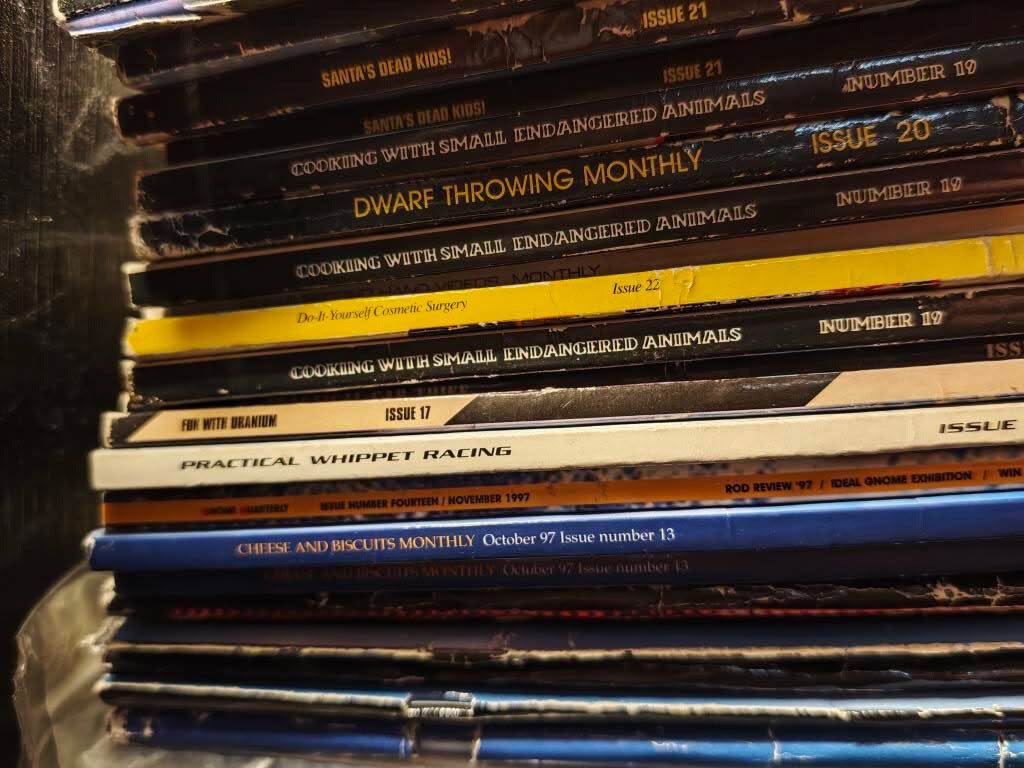
The magazine’s content was characterized by a distinct British humor, often absurd and self-referential. Beyond merely showcasing "cool people doing cool shit strapped onto planks of wood," Whitelines injected a rebellious spirit into every page. It celebrated the beer-chugging, authority-flaunting, and sometimes weed-smoking aspects of snowboard culture, portraying it as decidedly unserious. This ethos extended even to the magazine’s spine titles, conceived by designer-in-chief Tudor ‘Chod’ Thomas. These deliberately misleading and humorous titles, such as ‘Dwarf Throwing Monthly,’ ‘Working With Endangered Animals Weekly,’ or ‘Neck Brace Monthly: The Skyscraper Issue,’ became legendary inside jokes within the community, further cementing the magazine’s identity as an anti-establishment force. "As long as we annoyed our publisher Jim, we just thought things were going well!" Moran noted, highlighting an internal dynamic that fueled their creative irreverence.
The "conquistadors of chaos" moniker was hard-earned. The anecdotes from early staff trips read like rock-and-roll tour diaries. One memorable incident involved a hotel in Austria filled with taxidermy: "I stole the accordion from the wall behind the bar… When the people staying in that room went to bed, they decided to have a tug of war with it, which obviously woke up the hotel. It was at that moment that the hotel owner also realised that her precious stuffed animals had pretty much all been messed with too. I remember there was a large stuffed marmot on a plinth on the way up the stairs. It was Russ Ward who had taken this marmot and fully shaved it, but left a mad Lemmy-style goatee on it." Such stories, far from being isolated incidents, illustrate the immersive, on-the-ground reporting style that defined Whitelines. Staffers weren’t just observing the scene; they were an integral, often mischievous, part of it. This embedded approach fostered an unparalleled connection with the readership, who felt they were part of the same extended, slightly unhinged, family.
This playful rebellion extended to reader interactions, too. While pre-social media meant "we were all just screaming at the moon" with limited direct feedback channels, the magazine occasionally provoked strong reactions. One notable instance involved a concerned mother who wrote in to ban her son from reading the magazine. Whitelines’ response? Awarding her letter "of the month" and gifting her son a free lifetime subscription, a move that perfectly captured their defiant charm. More frequently, the magazine’s cheeky competitions and contest entries caused headaches for the postal service and their own publisher. Addresses like "send your entries to ‘the crack in the arse cheeks of Jim Peskett, 1 Stert Street, Abingdon’" were common, leading to genuine threats from the UK post office to blacklist the publishing company. Jim Peskett, often the good-natured target of these jests, would "literally plead with us not to do that shit anymore because the postal service had threatened him with being blacklisted from receiving post, and his argument was that it would shut the publishing business down." This internal struggle between professional viability and creative anarchy underscored the unique spirit of Whitelines.
The Digital Tsunami: Navigating the Media Revolution
By the mid-2010s, the media landscape had undergone a seismic shift. The digital revolution, once a distant hum, had become a roaring torrent, fundamentally altering how consumers accessed information and entertainment. Print media, particularly niche publications, faced unprecedented challenges. The ease, speed, and cost-effectiveness of online content meant that physical newsstands often stood "as empty as the Old Trafford Home end in the 88th minute." The "24-hour buffet" of digital content, offering instant gratification, began to overshadow the slower, more deliberate consumption of print magazines.
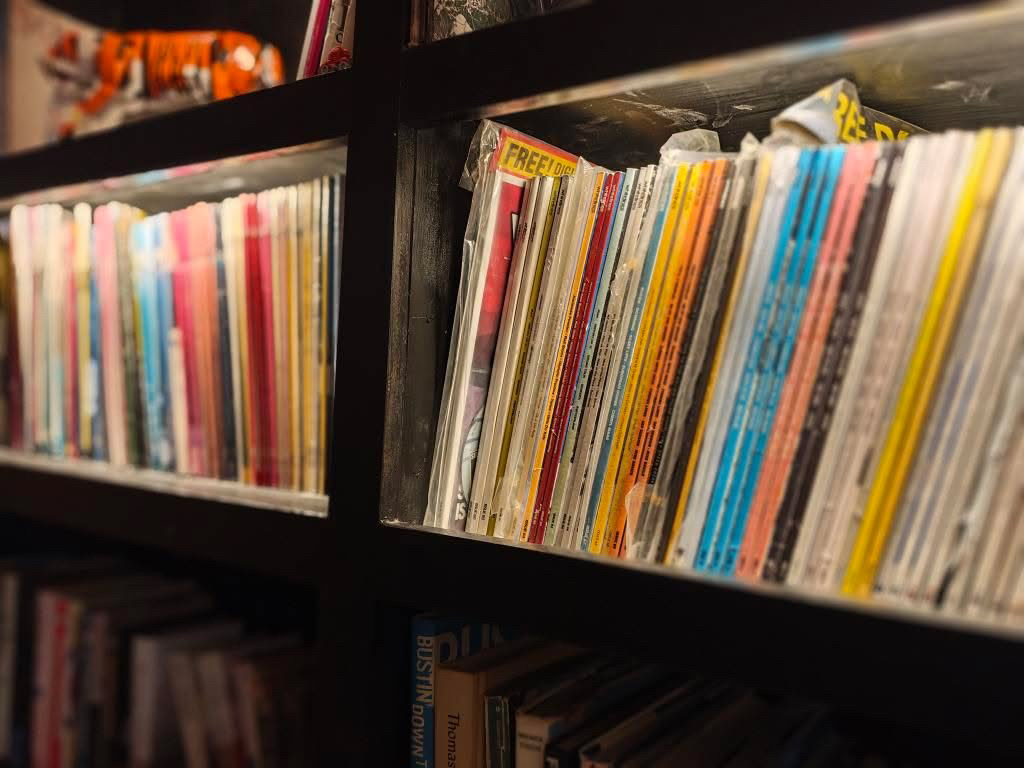
For Whitelines, like many of its contemporaries, adapting was not merely an option but an imperative for survival. In 2015, after two decades and 120 issues, Whitelines officially ceased its regular print run, with WL120 marking the end of an era. The announcement, made online, was a candid reflection of the changing times. Ed Blomfield, then editor, articulated the strategic pivot: "Factory Media’s proposal to sacrifice print frees up the editorial staff to channel all that passion and energy into their websites, including this one. As a team, we’re obviously gutted to see the end of a paper publication into which we poured heart and soul over two decades. But with the good ship WL celebrating its 20th anniversary this year, we’re also excited to see where – with a renewed focus and a healthy budget – we can take it next. Expect a slicker website delivering more unique video, more gear reviews, more how-tos, more travel… more of all the things you enjoy. In 2015, original, high-quality content is the order of the day. Ultimately, however, it’s just about staying true to that original goal of stoking out the readers; if you guys are here online, then that’s where we need to be."
This transition was executed with a remarkable agility, often described as a "grace usually reserved for willowy ballet dancers, not middle-aged snowboarders." By consolidating resources and refocusing efforts, Whitelines’ digital platforms flourished. The magazine had already established a reputation for its comprehensive gear guides, notably the "Whitelines 100," which served as a definitive reference for the season’s essential products. With increased capacity, the website and social media channels expanded their offerings, incorporating more video content, interactive features, and real-time updates. This strategic shift not only maintained but significantly broadened Whitelines’ audience, transforming it from a predominantly UK-focused publication into a truly global entity. The digital realm allowed Whitelines to reach millions more snowboarders worldwide, democratizing access to its unique content and solidifying its position as an industry authority.
The Comeback Kid and Enduring Legacy
The media industry is notoriously fickle, with publications often rising and falling with economic tides or shifts in consumer preferences. Whitelines, however, has proven to be remarkably resilient. Described as "the cockroach that refuses to die" or "the chewing gum stuck to the sole of snowboarding’s gaffa-taped boot," its survival against numerous odds speaks volumes about the passion and dedication of its custodians. Even in its leanest times, operating on what could only be described as a "shoestring and a dream," the commitment to snowboarding culture never wavered. Anecdotes of staff members eBaying review products to keep the lights on illustrate the scrappy, resourceful spirit that has consistently defied conventional business models. "No one had any money, least of all our publisher, but we begged, borrowed and stole enough to get all 120-odd editions out! And we eBayed pretty much every bit of product that anyone ever sent in. Honestly, it kept us all afloat. Sketchy as fuck, eh?" a former staffer candidly admitted, reflecting the unconventional financing that underpinned their operations.
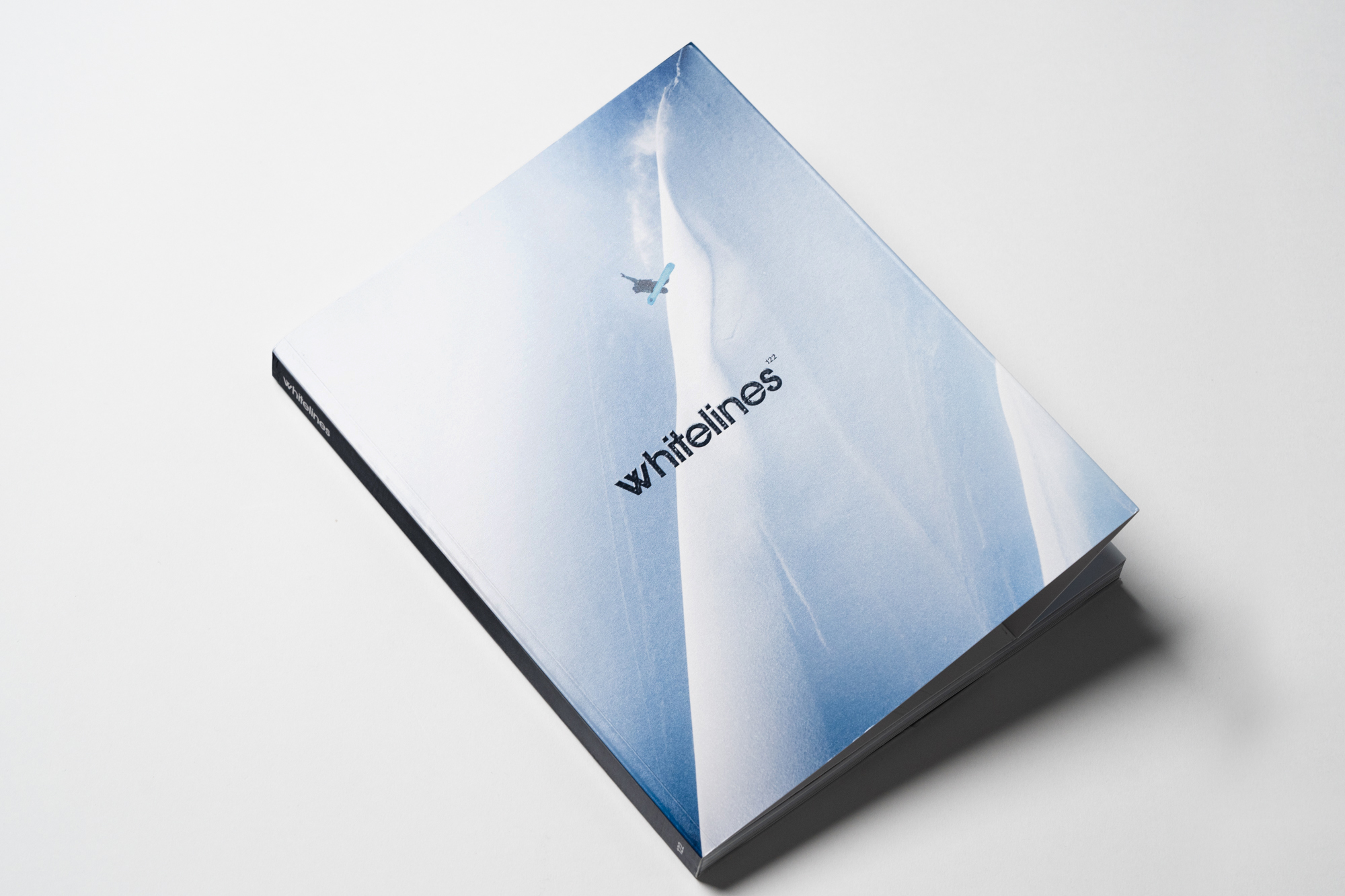
In a testament to its enduring appeal and the unwavering dedication to its print heritage, Whitelines made a brief but impactful return to physical form in 2019. Under the leadership of Ed Blomfield once again, "The Whitelines Annual" format delivered three premium, coffee table-style magazines, boasting over 600 pages of exclusive interviews, stunning photography, and in-depth written content from the sport’s most respected voices. This second foray into print, while short-lived, served as a powerful declaration of the magazine’s deep roots and its continuous exploration of how best to serve its audience.
By 2026, Whitelines has fully embraced its destiny as a purely digital entity. The focus is now on leveraging the immense reach and interactivity of the online world to deliver unparalleled content. A "crack team of proper snowboarders" operates across three continents, meticulously testing the latest innovations to produce premium gear reviews. In-depth interviews with industry figures "lift the curtain" on the sport’s inner workings, while constant "culture hits" and "boots-on-the-ground event coverage" capture the beating heart of snowboarding in real-time. The sheer scale of its digital presence is staggering: this season alone, the website attracted over 2 million visitors, while its social media channels boast more than 750,000 followers. This broad reach, coupled with its increasing appearance in AI snippets, stands in stark contrast to the 20,000 copies of a typical print run, clearly illustrating the commercial viability and audience engagement of its digital model.
Despite the exponential growth in content volume and reach, Whitelines remains true to its foundational tenets: every piece must be engaging, informative, or amusing – ideally all three simultaneously. While the team occasionally waxes poetic about the tactile joys of print, even sketching out business models on napkins over a few pints, their commitment to digital excellence is unwavering. "Goonies never say die, right?" they quip, a nod to their enduring spirit of adventure and defiance.
As Whitelines celebrates its 30th anniversary, its journey stands as a powerful narrative of adaptation, resilience, and unwavering passion. From its anarchic origins in a pre-internet world to its current status as a global digital media leader, the magazine has consistently reflected and shaped the culture of snowboarding. Its legacy is not just one of chronicling a sport, but of embodying its very spirit: rebellious, innovative, and always a little bit chaotic. And, crucially, as they confirm with a characteristic wink, "we have received no mail addressed to the crack in the arse cheeks of anyone. Yet." The conquistadors of chaos continue their reign, albeit now in pixels rather than on paper, shaping the future of snowboarding media with the same audacious spirit that defined its past.

