
The International Olympic Committee (IOC) has announced a significant shift in its stance regarding the participation of Russian athletes in international sports, with the temporary lifting of the suspension on the Russian Olympic Committee (ROC). This decision, made amidst ongoing geopolitical tensions and the continuing conflict in Ukraine, carries substantial implications for the future of global sports, particularly with the 2030 Winter Olympics in France on the horizon. The move has sparked debate and concern, especially regarding the potential for direct competition between Ukrainian and Russian athletes on the Olympic stage.
The IOC communicated its decision through a press release, stating that the suspension of the ROC has been temporarily lifted. This means that Russian athletes, provided they meet stringent anti-doping requirements applicable to all competitors, may once again be eligible for international events. However, the IOC has deferred a decision on whether Russian athletes will be permitted to compete under their national flag, a symbolic issue that has been a point of contention since the suspension was initially imposed.
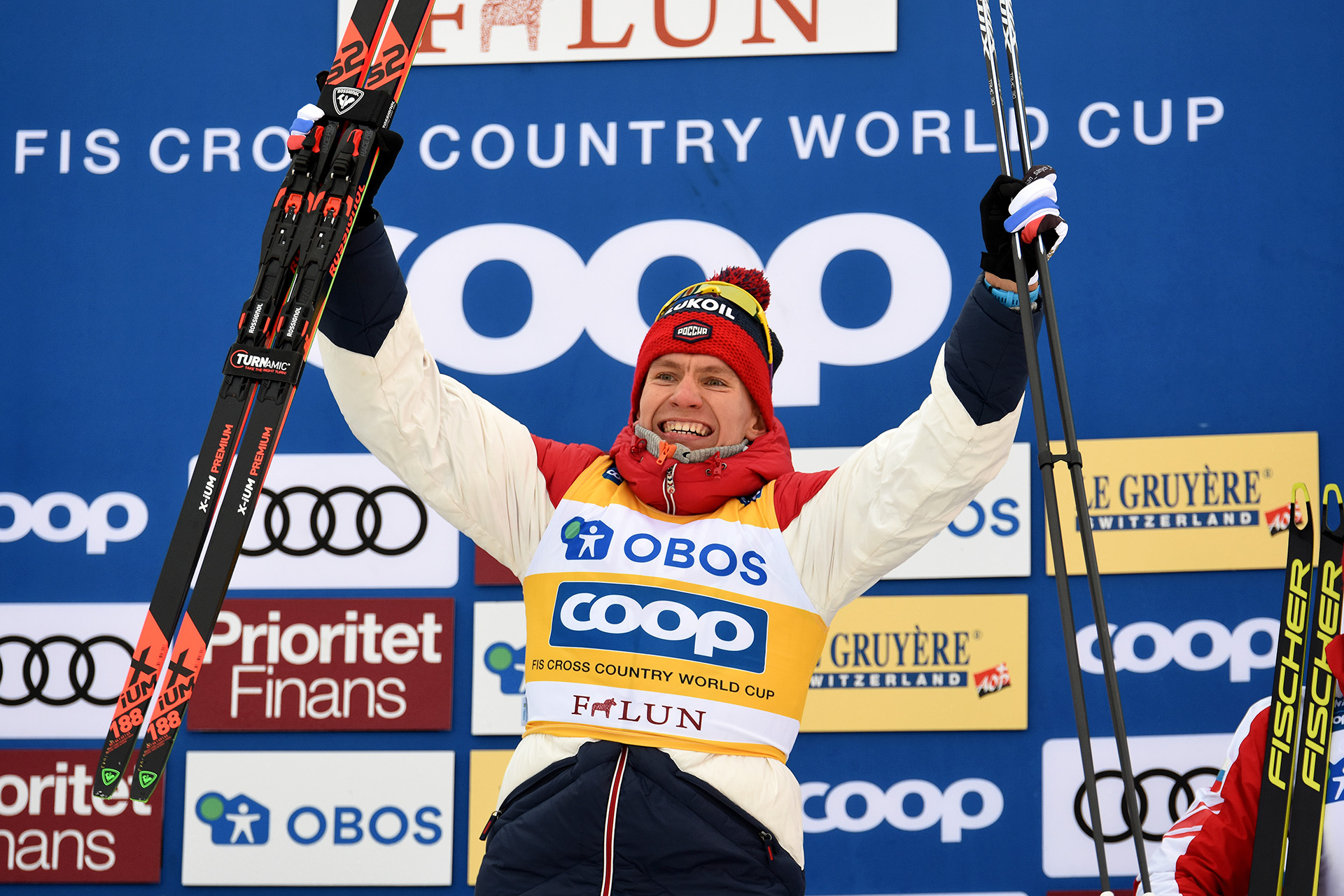
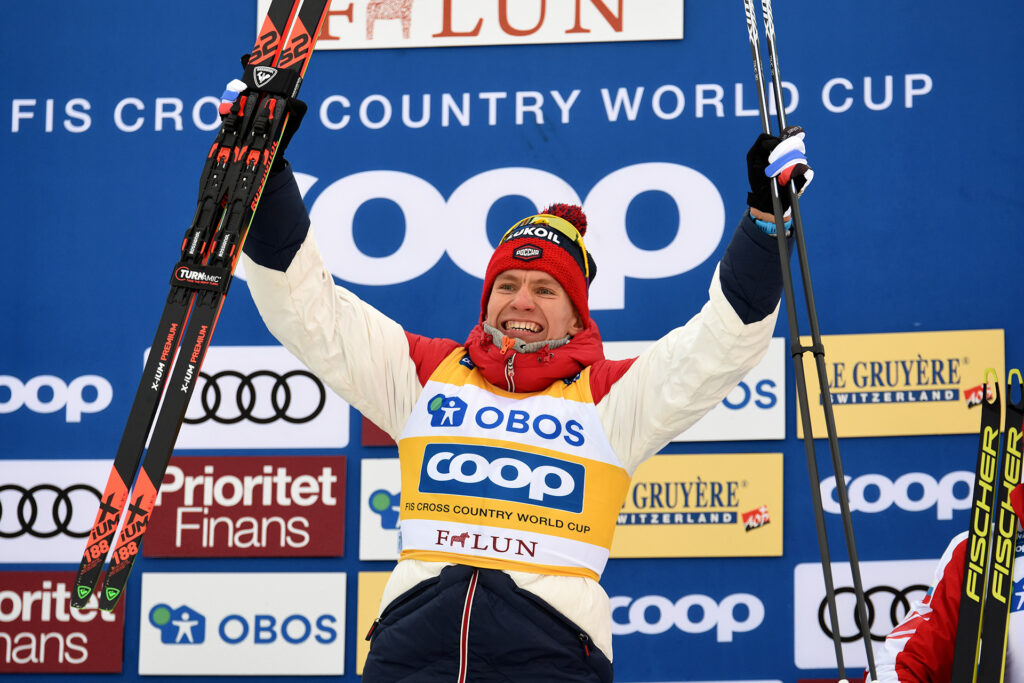
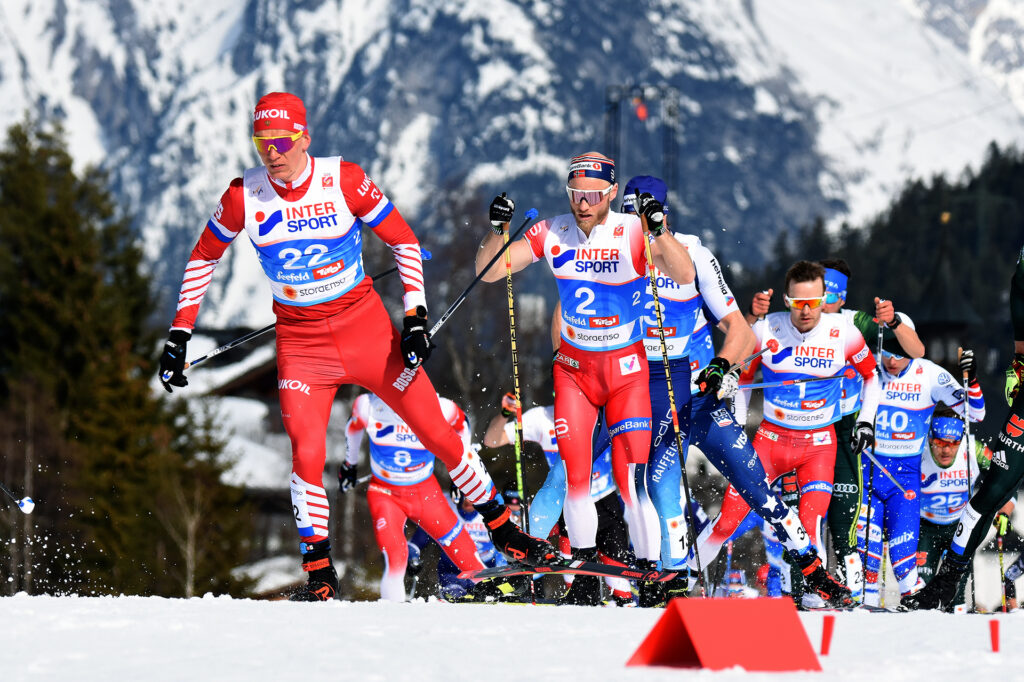
This development follows a period where only a select number of Russian athletes have been allowed to participate in certain international competitions, such as the World Cup in cross-country skiing. These athletes have been subjected to rigorous vetting processes, including the stipulation that they must not be employed by the military. This condition has notably impacted prominent figures like cross-country skiing star Alexander Bolshunov, who is known to be associated with the Russian military.
A Phased Approach and Lingering Questions
The IOC’s decision signifies a broadening of opportunities for Russian athletes moving forward. The committee has emphasized that it will continue to monitor the actions of the ROC closely and reserves the right to implement further measures if deemed necessary. Crucially, this decision effectively rescinds the recommendations previously issued to international sports federations to impose restrictions on Russian athletes and teams. Consequently, the onus now largely falls upon individual sports governing bodies to determine whether to permit Russian participation in their respective disciplines.
The International Biathlon Union (IBU), for instance, has been notably clear in its stance against readmitting Russian athletes. Conversely, the door has been slightly ajar for a limited number of Russian skiers in the World Cup circuit last season. The IOC’s announcement also clarifies that it will not host IOC events in Russia or invite Russian government or state officials to its own events.
The ROC was originally suspended by the IOC on October 12, 2023. The primary reason for this suspension was the ROC’s decision to incorporate sports organizations from Russian-occupied territories in Ukraine into its structure. Despite this lifting of the ROC’s suspension, the IOC has reiterated its condemnation of Russia’s invasion of Ukraine. However, the press release made no explicit mention of the recent significant attacks and casualties in Ukraine, a point that has drawn criticism.
Background and Timeline of Sanctions
The IOC’s decision to suspend the ROC stemmed from Russia’s full-scale invasion of Ukraine, which commenced in February 2022. In the immediate aftermath of the invasion, many international sports federations, acting on recommendations from the IOC, imposed broad bans on Russian athletes and teams. These sanctions were intended to isolate Russia from the international sporting community and to express solidarity with Ukraine.
The IOC’s initial stance was to allow Russian athletes to compete as neutral individuals, free from national symbols, under strict conditions. This approach aimed to balance the principle of individual athletic merit with the political realities of the ongoing conflict. However, the ROC’s subsequent actions, specifically the absorption of sports organizations from occupied Ukrainian territories, led to the more severe suspension of the ROC itself.
The current decision to temporarily lift the ROC’s suspension represents a recalibration of the IOC’s strategy. It suggests a potential move towards a more individualized approach to athlete eligibility, with a greater emphasis on the specific conduct of national federations and individual athletes, rather than a blanket prohibition.
Reactions and Potential Implications
The IOC’s announcement has been met with a spectrum of reactions. Ukrainian sports officials have expressed deep concern and disappointment, arguing that the decision sends a contradictory message while the conflict continues. There are fears that this move could undermine the spirit of solidarity with Ukraine and potentially create uncomfortable and even fraught situations for Ukrainian athletes competing against Russians.
Some international sports federations, while acknowledging the IOC’s decision, are likely to maintain their own stringent policies regarding Russian participation, particularly those with a strong ethical stance against the war. Others may find themselves under pressure to align with the IOC’s revised directive, leading to potential internal divisions within the global sports governance structure.
The decision also raises questions about the future of Russian involvement in major sporting events. While the IOC has opened the door, the ultimate decision for many sports will lie with their respective federations. This could lead to a fragmented landscape where Russian athletes are permitted to compete in some sports but not others, creating further complexity and debate.
Broader Impact on the Olympic Movement
Beyond the immediate implications for Russian athletes, the IOC’s decision is part of a larger ongoing discussion about the role of sport in times of political conflict. The Olympic movement has historically strived to maintain a degree of political neutrality, but the severity of the current geopolitical situation has challenged this principle.
The IOC’s approach appears to be an attempt to navigate a difficult path, seeking to uphold the universality of sport while also acknowledging the gravity of the situation in Ukraine. The emphasis on individual athlete eligibility and anti-doping compliance suggests a move away from collective punishment, but the underlying political tensions are unlikely to dissipate easily.
The Future of Combined Nordic Skiing in the Olympics

In a separate, though related, development for winter sports enthusiasts, the IOC has also decided to remove Nordic Combined from the Olympic program. This decision marks the end of an era for a sport that has been a staple of the Winter Olympics since its inception in Chamonix in 1924.
IOC President Kirsten Coventry stated that the organization must continually monitor developments and assess the popularity of various sports to ensure the Olympic program remains relevant and engaging. The future of Nordic Combined has been a subject of discussion for some time, and its removal signifies a shift in priorities for the Olympic Games.
While Nordic Combined faces exclusion, sports like cross-country skiing and biathlon, which have also been part of the Olympic program since its early days, are set to remain. This ensures that traditional Nordic disciplines will continue to be represented at the 2030 Winter Olympics in France. The IOC’s focus on evolving the program suggests a desire to incorporate newer, more dynamic sports while also retaining its historical core. The decision on Nordic Combined underscores the IOC’s ongoing efforts to adapt the Olympic Games to contemporary sporting trends and audience engagement.

