
The landscape of professional biathlon is notoriously unforgiving, and few athletes have experienced its volatility as acutely as Endre Strømsheim. Only two years removed from a career-defining performance that saw him secure two world championship gold medals in the span of three days, the 29-year-old from Bærum finds himself in the most precarious position of his professional life. Following a turbulent 2025-2026 season characterized by persistent health struggles and inconsistent results, the Norwegian Biathlon Association opted to exclude Strømsheim from both the elite national team and the developmental rekruttlag (recruit team) this past spring.
For an athlete who has spent years entrenched in the world’s most competitive training environment, the decision represented a sudden and total withdrawal of financial and institutional support. Yet, rather than retreating from the sport, Strømsheim has committed to a rigorous, self-funded comeback campaign. This article examines the strategic shift in his training, the economic realities of private-sector sports participation, and the roadmap he has established to reclaim his place on the World Cup circuit.
A Chronology of a Crisis: From Gold to Exclusion
The trajectory of Strømsheim’s recent career serves as a case study in the fine margins of elite sports. In 2025, he stood atop the podium as a world champion, cementing his reputation as a core member of the formidable Norwegian squad. However, the subsequent season proved to be an exercise in frustration. By January 2026, after a series of underperforming races and compounding health issues, Strømsheim reached a breaking point.
During the World Cup stop in Nove Mesto, Czech Republic, he made the decisive choice to end his season prematurely. The 48 hours following that decision were not spent in mourning, but in analytical review. By isolating himself from the immediate pressures of the circuit, he initiated a comprehensive post-mortem of his performance. He identified that his previous methodology—modeled heavily on the extreme volume-based training philosophy popularized by speed skater Nils van der Poel—had become counterproductive. The relentless pursuit of high-volume training, which served him well during his rise, had eventually led to a cycle of overtraining, chronic fatigue, and susceptibility to illness.
The Economics of Private Biathlon Satsing
Transitioning from a national team athlete to a private operator is a transition that carries significant financial weight. Without the backing of the federation, the costs associated with international travel, specialized coaching, physiological testing, and elite-level equipment fall entirely on the athlete.
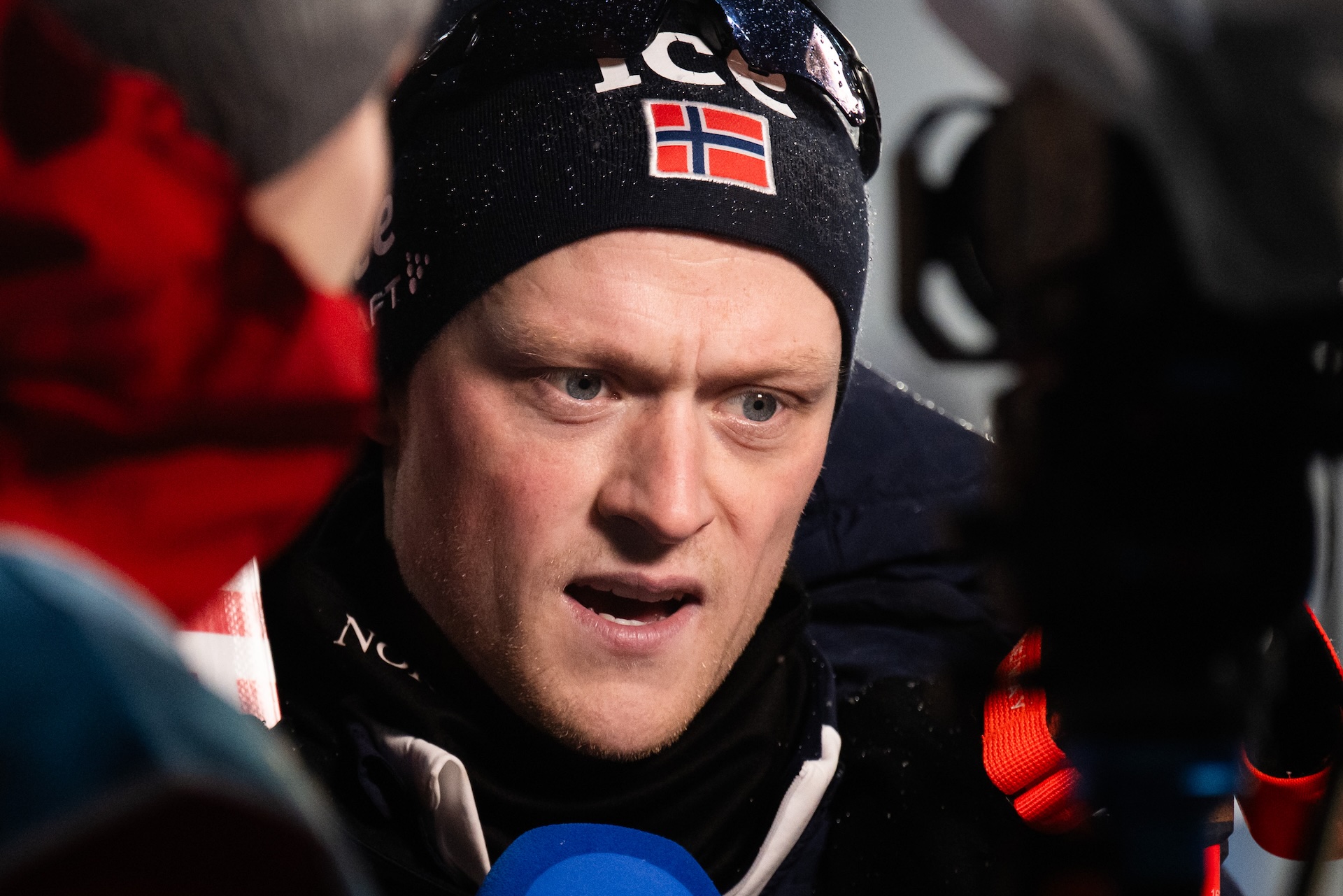
Industry estimates for a full-scale private program in Norwegian biathlon suggest annual operational costs ranging between 400,000 and 600,000 NOK. For Strømsheim, this means dipping into personal savings and navigating a landscape where revenue is strictly performance-dependent. He acknowledges the reality of his situation with clinical transparency: his reserves are depleting, and the financial viability of his project is tethered to his performance in the upcoming winter. If he fails to secure early-season results that grant him access to the World Cup, the sustainability of his career becomes a question of existential concern.
Redefining Training: From Volume to Absorption
One of the most significant changes in Strømsheim’s strategy is a fundamental move away from "training on credit." In his previous iterations, he often pushed through fatigue to meet arbitrary volume targets. Today, he employs a philosophy of "paying in cash." This means that every high-intensity session must be preceded by a physiological readiness check. If his recovery metrics indicate that his body has not fully absorbed the previous stimulus, the session is either delayed or canceled.
This shift toward smarter, more responsive training is intended to prevent the "sickness breaks" that plagued him in 2025. It is a mature, data-driven approach that recognizes that the quality of output is ultimately more important than the quantity of hours logged. During the off-season, he also took time to step away from the traditional training environment entirely, embarking on an endurance-focused expedition in the footsteps of the famous "Gunnerside" sabotage group. While this was a physical challenge, it also served a mental purpose, allowing him to reconnect with his motivations away from the scrutiny of the national team coaches.
The Road to Otepää: Key Milestones
The current season is not merely about returning to form; it is about navigating a specific qualification pathway. Strømsheim has pinpointed the national season opener at Geilo in mid-November as the critical inflection point. In the competitive hierarchy of Norwegian biathlon, a victory in this opener is often the sole prerequisite for securing a spot on the World Cup team.
Despite being outside the national team structure, his performance at the National Summer Biathlon Championships on Lygna provided a baseline of optimism. Securing two fourth-place finishes against the entirety of the national elite indicates that he remains within striking distance of the world’s best. Furthermore, as the defending champion in the mass start, Strømsheim retains a wildcard entry for the 2027 World Championships in Otepää, Estonia. This serves as a vital safety net, ensuring that even if the early World Cup season proves difficult, he has a defined destination on the calendar to work toward.
Broader Implications: The "Outsider" Phenomenon
The situation involving Strømsheim—and his peer Vebjørn Sørum, who has also opted for private competition—highlights a growing trend in Norwegian winter sports. The national federation’s "all-or-nothing" approach to team selection creates a distinct class of "outsider" athletes who are forced to innovate or retire.
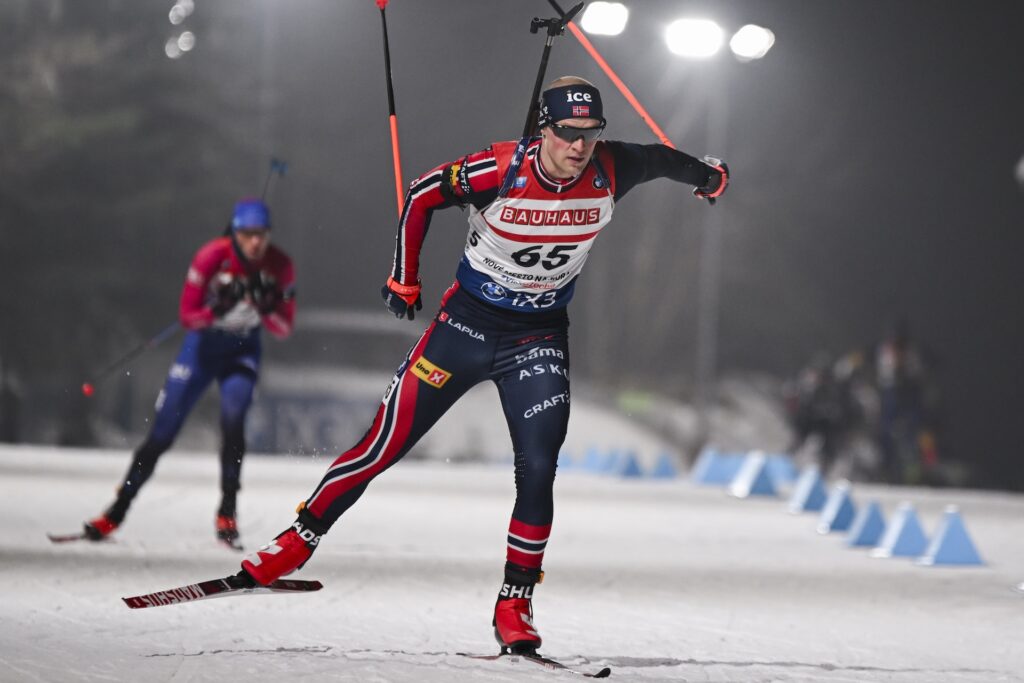
Critics of this system argue that it risks burning out athletes prematurely by forcing them to choose between financial ruin or leaving the sport entirely. Supporters, however, argue that the intense internal competition is precisely what keeps the Norwegian team at the apex of global performance. For Strømsheim, the current situation is not the one he envisioned, but he views it as a necessary challenge to his character. He remains on good terms with his former teammates, occasionally training with them despite the lack of formal affiliation, which suggests that the "vraking" (exclusion) is a purely structural, rather than personal, conflict.
Analysis: Can the Strategy Succeed?
The success of Strømsheim’s comeback will likely be determined by his ability to maintain psychological equilibrium while operating in a high-pressure environment without the safety net of the federation. Physiologically, his new approach—prioritizing recovery and readiness over total volume—is scientifically sound and aligned with modern sports medicine. However, the psychological toll of competing as a "lone wolf" cannot be understated.
His motivation is currently derived from a desire to prove his own capabilities to himself, rather than seeking validation from the federation. This shift from external pressure to internal drive is a powerful motivator, but it also creates a narrow margin for error. If he enters the winter season with the same tactical sharpness he demonstrated in his championship years, combined with his new, more sustainable training regimen, he remains a potent threat on the tracks.
Conclusion
As the snow begins to settle in the mountains of Norway, the eyes of the biathlon world will be fixed on the national opener at Geilo. Endre Strømsheim stands at a crossroads. He has dismantled his previous routine, overhauled his training philosophy, and risked his personal capital to sustain his career. Whether this gamble results in a triumphant return to the World Cup podium or serves as the final chapter of a storied career remains to be seen. What is clear, however, is that Strømsheim has left nothing to chance. He has taken full accountability for his career, turning the disappointment of last spring into the fuel for his current, calculated pursuit of excellence. For an athlete of his caliber, the return to the elite stage is not just a goal—it is a necessity.

