
The 2026 winter sports season in the Southern Hemisphere has undergone a dramatic transformation following a period of deep concern for resort operators and tourism stakeholders. After a historically poor start characterized by record-low snowfall and delayed openings across three continents, a series of powerful cold fronts has finally delivered the significant accumulations necessary to sustain international-standard skiing and snowboarding operations. While the recovery is most pronounced in New Zealand and parts of Australia, South American resorts continue to grapple with a more tentative start to their peak season, highlighting the increasing volatility of alpine weather patterns in the mid-2020s.
A Decisive Turn of Fortune for New Zealand Resorts
New Zealand’s South Island has emerged as the primary beneficiary of the recent meteorological shift. Following a June that saw many slopes reduced to narrow corridors of machine-made snow amidst unseasonably warm temperatures, a massive low-pressure system has deposited up to 80 centimeters of fresh powder in high-altitude zones. The Canterbury and Otago regions, which form the backbone of the country’s ski industry, have reported a surge in visitor numbers as terrain previously deemed unskiable has been cleared for public use.
Mt Lyford and Mt Dobson have recorded the highest totals from the recent storm cycle, with both areas reporting near-peak mid-winter conditions. This influx of natural snow is considered a "season-saver" for smaller club fields and commercial operations that lack the extensive snowmaking infrastructure of their larger competitors. In the Queenstown-Wanaka region, the impact has been equally transformative. The Remarkables, which had been forced to delay its scheduled season opening due to a lack of base cover, is now fully operational.
At Cardrona Alpine Resort, management reported 30 centimeters of fresh snow within a 48-hour window. The resort’s social media updates reflected a sense of relief, stating that winter had finally arrived in earnest and showed no signs of slowing down. Similarly, Treble Cone, known for its steep and technical terrain, opened its gates earlier this week bolstered by 25 centimeters of new cover. Laura Hedley, Chief Mountains Officer for Cardrona and Treble Cone, characterized the event as the "dump we’ve been waiting for," noting that the combination of natural falls and intensive snowmaking would allow for a rapid expansion of available terrain. Further north, Mt Hutt has solidified its position as a seasonal leader, reporting a consolidated base exceeding one meter.
Australia Overcomes One of the Worst Starts in Decades
The contrast between June and July in the Australian Alps could not be more stark. The 2026 season began with what meteorologists have described as one of the most challenging starts in nearly 30 years. Traditionally, the Australian ski season relies on a "pre-winter" build-up in June to establish a base for the lucrative July school holiday period. However, 2026 saw June snowfall averages, which typically hover around 35 centimeters, plummet to near-zero in several key locations.
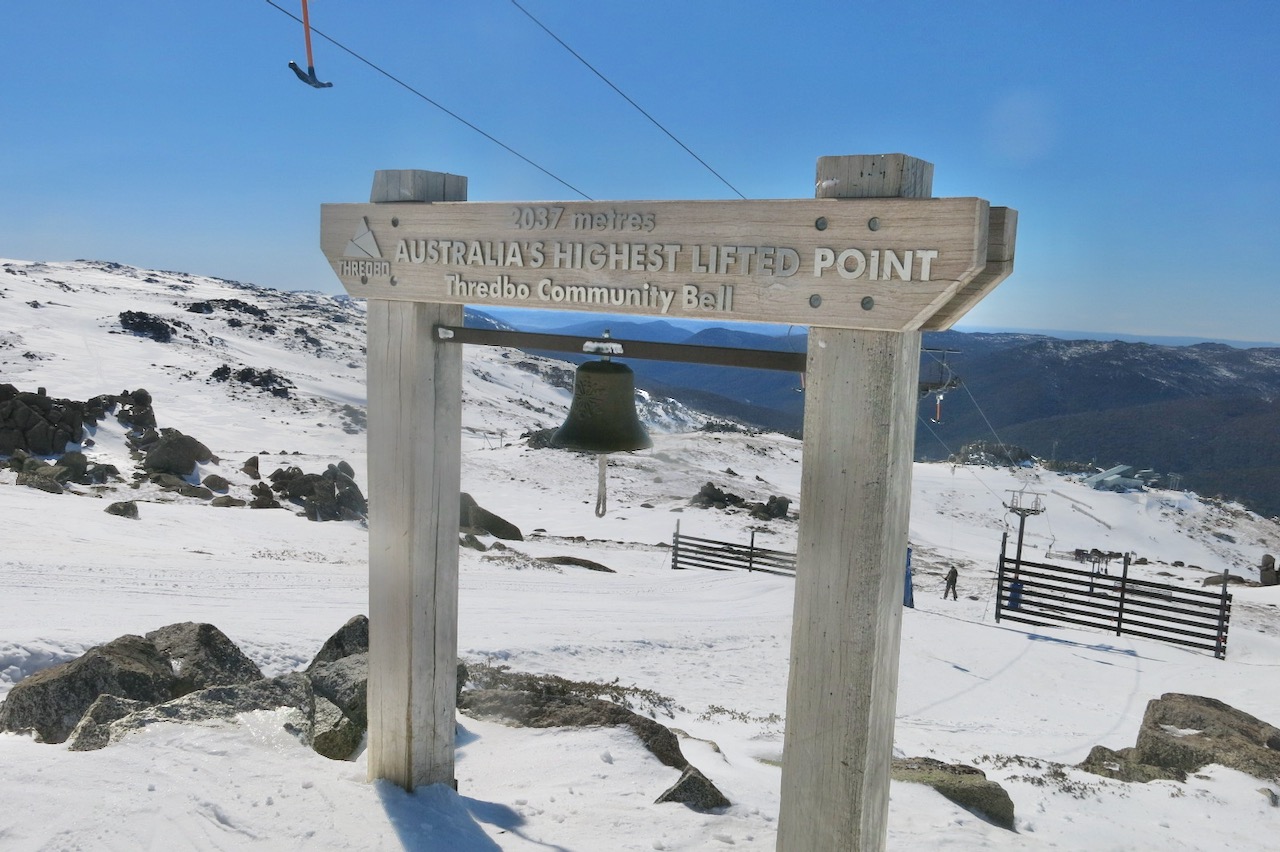
Mount Hotham in Victoria, a resort famed for its high-altitude village and reliable cover, recorded no natural snow whatsoever during the month of June. By the final week of the month, the Australian ski industry was largely at a standstill. Only two chairlifts were operational across the entire continent: the ‘Easy Does It’ quad at Thredbo in New South Wales and the ‘Bourke Street Express’ at Mount Buller in Victoria.
The ability of these resorts to offer any skiing at all was due to significant investments in "all-weather" snowmaking technology. These specialized units, often referred to as snow factories, are capable of producing flake ice in temperatures as high as 20 degrees Celsius. While effective for creating small learner slopes, they cannot replicate the experience of a fully covered mountain. Perisher, Australia’s largest resort, was reduced to a single small slope during the opening weeks, while Falls Creek remained closed entirely until the arrival of the current cold front.
The arrival of a strong winter cold front over the past weekend has fundamentally altered this trajectory. Sub-zero temperatures have finally allowed for traditional snowmaking cannons to run at full capacity, supplementing the natural falls recorded at Thredbo and Perisher. While the Australian base remains thinner than the New Zealand average, the shift has allowed for the opening of major arterial runs, providing a much-needed boost to the regional economies of the Snowy Mountains and the Victorian High Country.
South America: A Fragmented Start to the 2026 Season
While Australasia celebrates a return to winter norms, the Andes Mountains present a more complicated picture. South American resorts, which cater to a significant volume of North American and European "summer" skiers, are currently experiencing a fragmented opening schedule defined by limited terrain and restrictive access policies.
In Chile, the iconic Ski Portillo officially commenced operations on July 4th. However, the opening was far from a full-scale launch. Due to limited natural cover, the resort initially offered only three runs, with access strictly limited to guests with existing hotel reservations. This "boutique" approach to the season opening allowed the resort to manage its limited snow resources while fulfilling obligations to international tourists who had booked all-inclusive packages months in advance. Portillo management indicated that day-trippers and season pass holders would only be granted access once additional terrain could be safely opened.
In the Tres Valles region near Santiago, Valle Nevado is operational but continues to struggle with a lack of significant natural accumulation. Neighboring La Parva has echoed this sentiment, describing the current period as a "slow and partial start." The reliance on snowmaking in the Chilean Andes is reaching record levels for this time of year as operators wait for a significant Pacific storm to cross the coastline.
The situation in Argentina is currently the most precarious in the Southern Hemisphere. Cerro Catedral, one of the largest ski areas in South America, is open but currently has only approximately 1% of its total terrain available for public use. Further south in Patagonia, Cerro Castor is performing slightly better with 15% of its terrain open, benefiting from the colder latitudes that allow for better snow preservation, even when precipitation is low.
Comparative Data and Historical Context
To understand the significance of the July 2026 recovery, it is necessary to examine the historical data that defined the early-season drought. Alpine regions in the Southern Hemisphere have seen an increasing trend toward "delayed winters," where the traditional June 1st start is replaced by a mid-July peak.
| Resort | June 2026 Snowfall (cm) | Historical June Avg (cm) | Current Base Depth (cm) |
|---|---|---|---|
| Mt Hutt, NZ | 12 | 45 | 105 |
| Perisher, AUS | 4 | 38 | 35 |
| Mt Hotham, AUS | 0 | 32 | 22 |
| Ski Portillo, CHI | 15 | 60 | 40 |
| Cerro Catedral, ARG | 8 | 55 | 15 |
The data suggests that while the recent storms have been significant, they are essentially performing "catch-up" work for a season that began with a massive deficit. The economic implications of this delay are substantial. In Australia, the ski industry contributes an estimated $3.3 billion annually to the national economy. A lost month of June and a restricted early July can represent a 15-20% hit to annual revenue for mountain-base businesses, including rental shops, hospitality venues, and transport providers.
Analysis of Implications and Future Outlook
The 2026 season highlights a growing divide in the global ski industry: the gap between resorts with the capital to invest in advanced snowmaking and those reliant solely on nature. The fact that Thredbo and Mount Buller could maintain operations during a record-dry June suggests that the future of skiing in lower-altitude or marginal climates depends entirely on technological intervention.
Furthermore, the "hotel-guest only" model adopted by Ski Portillo may become a more common strategy for resorts facing supply-demand imbalances caused by weather. By prioritizing high-yield overnight guests over day visitors, resorts can protect their brand reputation and ensure a quality experience for those who have invested the most in their trip, even when snow conditions are sub-optimal.
Meteorologists suggest that the current pattern of high-intensity storm cycles following long dry spells is consistent with broader climate shifts affecting the Southern Ocean. For skiers and snowboarders, the message for the remainder of the 2026 season is one of cautious optimism. While the "dismal start" is now a matter of record, the current base-building phase in New Zealand and Australia provides a stable foundation for the remainder of July and August.
As the storm systems move across the Pacific, the focus now shifts back to the Andes. Industry analysts will be watching closely to see if the Chilean and Argentinean resorts can replicate the "rebound" seen in the Tasman region. For now, the Southern Hemisphere ski season has been pulled back from the brink, transforming from a potential catastrophe into a viable, albeit late-blooming, winter.

