
PARK CITY, Utah – In a significant departure from traditional offseason regimens, the Stifel U.S. Ski Team has initiated a groundbreaking approach to athlete development, emphasizing collective strength and cultural cohesion over purely individual physical conditioning. This strategic pivot, launched during a week-long camp in Park City this past June, signals a deliberate and forward-looking effort to prepare for the Milano Cortina 2026 Winter Games and establish a more integrated and resilient team dynamic for future Olympic cycles.
The initial challenge presented to the athletes wasn’t a grueling beep test or a max-out squat session, but rather the seemingly simple task of learning the names of teammates they rarely encountered. This seemingly minor detail underscores the core issue the camp aimed to address: the inherent fragmentation of elite ski racing, where athletes are often separated by gender, discipline, and even experience levels throughout the demanding World Cup season. By intentionally mixing men and women, World Cup veterans with promising rookies, and technical specialists with speed racers, the coaching staff sought to dismantle existing barriers and cultivate a unified sense of purpose.
Foreste Peterson, the Stifel U.S. Ski Team’s Athletic Development Coordinator, highlighted the philosophy behind this innovative program. “This may be the first full men’s and women’s conditioning camp we’ve had in a really long time,” Peterson stated, underscoring the novelty of the integrated approach. “We wanted to put a huge emphasis on team integration, team connection, camaraderie, and cohesion.” The results, according to athletes interviewed by Ski Racing Media, were profound, with the most significant gains measured not in the weight room, but in the newly forged relationships across the team. This initiative marks a conscious evolution in the alpine program’s strategy, recognizing that sustained success on the global stage requires more than just individual talent and physical prowess; it demands a robust and supportive team culture.
The Genesis of Change: A New Olympic Cycle and Strategic Vision
The conclusion of the Beijing 2022 Winter Olympics ushered in a new quadrennial cycle, prompting U.S. Ski & Snowboard leadership to re-evaluate existing strategies and identify areas for enhancement. The shift towards Milano Cortina 2026 provides a critical window to implement changes that can yield long-term dividends. Historically, alpine ski teams, including the U.S. program, have operated largely in silos. Men’s and women’s teams often have separate coaching staffs, training schedules, and competition calendars, necessitated by distinct event programs and logistical complexities of international travel. While this specialization allows for targeted development within disciplines, it can inadvertently limit opportunities for broader team bonding and shared learning experiences.
The decision to merge the men’s and women’s alpine programs for a comprehensive offseason camp reflects a growing recognition within elite sports that holistic athlete development extends beyond physical metrics. Mental resilience, mutual support, and a strong sense of belonging are increasingly understood as critical components of peak performance. This strategic vision aligns with contemporary sports psychology, which emphasizes the profound impact of social connections and a positive team environment on individual athlete well-being and competitive outcomes. By fostering a deeper understanding and appreciation among teammates, the Stifel U.S. Ski Team aims to create a more supportive ecosystem, where athletes can lean on each other through the inevitable highs and lows of a demanding professional career. This proactive step sets a new precedent for how the U.S. Ski Team intends to approach the next four years, prioritizing collective strength as a foundation for individual and national success.
Beyond the Beep Test: The Innovative Park City Camp
The one-week camp held in June in Park City, Utah, served as the crucible for this cultural transformation. Park City, a hub for U.S. Ski & Snowboard operations, provided an ideal backdrop for the diverse range of activities. The program was meticulously designed to be demanding yet unconventional, moving beyond the standard fare of weightlifting and endurance drills. The schedule was packed with a variety of challenges, each serving a dual purpose: to enhance physical capabilities and, more importantly, to build camaraderie.
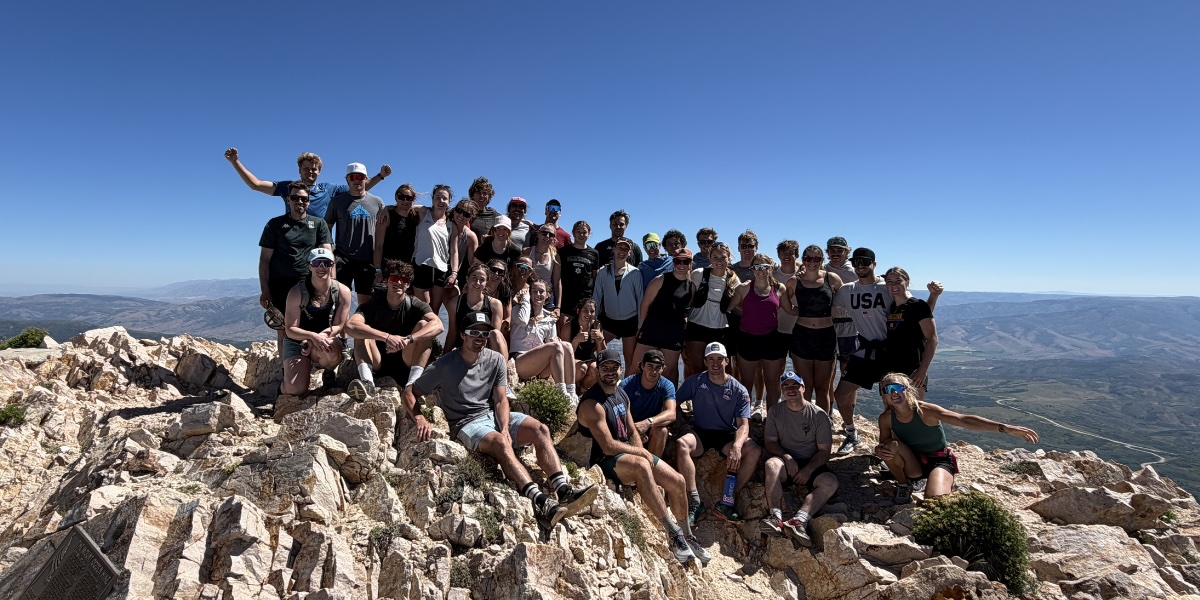
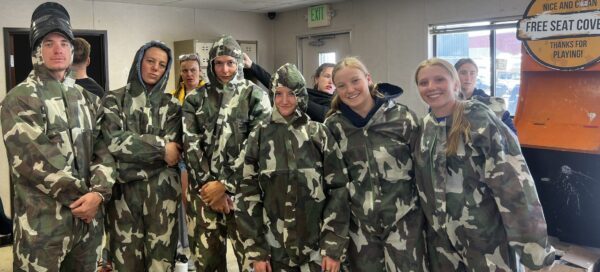
Activities ranged from SkillsQuest testing – a national assessment tool measuring aerobic fitness, strength, speed, power, and muscular endurance – to team sports like hockey and beach volleyball, and adventurous outdoor challenges such as reservoir relays, a hike at Snowbasin, and even paintball. The week culminated in a grueling final workout aptly nicknamed "The Picnic," which, despite its benign name, pushed athletes to their physical limits with repeated rounds of jumps, weighted squats, lunges, sprints, and stair bounds. Interspersed throughout the physical challenges were educational sessions led by guest speakers, covering crucial topics such as breathing techniques, nervous-system regulation, and performance psychology, further contributing to a holistic approach to athlete development.
The camp’s structure was key to its success. Athletes were divided into mixed teams of five to seven, ensuring a blend of genders, disciplines, and experience levels. A World Cup-style scoring system was implemented, transforming every activity into a running competition that fueled spirited rivalry and collaboration from the opening SkillsQuest test to the final awards ceremony, which included prize money. Peterson articulated the core tenets: "We told them the main themes were competition, connection and education. The whole week was built on team competition."
Mary Bocock, a rising star who balanced the camp with her studies at Dartmouth College after making her first Olympic team and qualifying for her first World Cup Finals in super-G last season, lauded the innovative format. “It was so great to have the men and women together,” Bocock remarked. “Our strength and conditioning coaches did such a great job organizing the events and having a wide variety of activities that played to different people’s strengths.” She emphasized how the team aspect elevated the competitive spirit: "The team aspect was super helpful because you wanted to win for your team." This sentiment was a recurring theme, with athletes consistently prioritizing the relational gains over individual scores or prizes, highlighting the profound impact of shared experiences.
Learning from Success: The Women’s Program as a Blueprint
A significant driver for this new integrated approach stemmed from observing the exemplary success and cohesive culture of the U.S. women’s alpine team. Over recent years, the women’s program has achieved remarkable results on the World Cup circuit, exemplified by athletes like Mikaela Shiffrin, who has rewritten record books across multiple disciplines. This consistent performance has been accompanied by a widely recognized strong team culture, which leaders within U.S. Ski & Snowboard openly cite as a model. The U.S. women have frequently excelled, even claiming the prestigious Nations Cup in certain seasons, an award recognizing the best overall team performance across all disciplines.
River Radamus, a 28-year-old veteran and the highest-ranked American giant slalom skier after finishing 10th in last season’s World Cup standings, acknowledged the women’s influence. “I think something that was on the men’s minds was seeing the stellar performances that the women have put together over the last couple of years and the way they’ve built not only their team performance but also their team culture,” Radamus shared. “We want to be there with them.” This statement underscores a crucial aspect of the camp: it was not just about building new connections, but also about learning from proven models of success within their own organization. The distinct traveling schedules and training environments of the men’s and women’s programs often create geographical and experiential divides throughout the season. The June camp deliberately erased these boundaries, providing an invaluable opportunity for cross-pollination of best practices and cultural exchange. Radamus observed the blend of elements, noting, "There was a lot of camaraderie and a lot of competition. I think you need equal parts."
Fostering Connections: Organic Interactions and Shared Experiences
One of the most impactful elements of the camp, unexpectedly, wasn’t a structured competition but an organic group activity: the hike at Snowbasin. This less formalized outing allowed athletes to naturally form smaller groups, engage in conversations that drifted far beyond the realm of ski racing, and spend uninterrupted hours together. Peterson observed the power of this unstructured interaction: “It was just a really organic way to get to know each other better.” These moments of shared experience, away from the intense pressure of training or competition, proved instrumental in breaking down pre-existing social barriers.
Mary Bocock quickly noticed the tangible difference this integrated approach made. “Even after one or two days of having the genders together, we were already more cohesive,” she stated. This rapid improvement in team dynamics speaks to the effectiveness of creating environments where athletes are compelled to interact and collaborate with individuals they might otherwise only greet in passing. The shared physical exertion, the challenges of paintball, the strategic demands of reservoir relays, and the lighthearted rivalries during beach volleyball all contributed to a tapestry of shared memories and mutual understanding. These collective experiences lay the groundwork for a more supportive and unified team when the pressure of the World Cup season returns. The ability to rely on and trust teammates, regardless of their specific discipline or gender, is a powerful asset that can translate directly into enhanced performance and mental resilience during competition.
The Role of Physical Assessment: SkillsQuest and Athlete Development
While the camp emphasized cultural integration, it certainly did not neglect the importance of physical conditioning. The week commenced with SkillsQuest, a standardized physical assessment utilized across U.S. skiing to evaluate athletes’ foundational physical attributes: aerobic fitness, strength, speed, power, and muscular endurance. Despite their elite status, Peterson noted that even seasoned World Cup athletes approach SkillsQuest with a degree of apprehension. “They’re not the biggest fans of going into a test like SkillsQuest because it’s taxing,” she conceded.
However, Peterson views SkillsQuest as an invaluable diagnostic tool, rather than solely a performance indicator. It provides a clear snapshot of an athlete’s strengths and weaknesses, offering data-driven insights for personalized training plans. Furthermore, its minimal equipment requirements make it a practical benchmark tool for clubs nationwide, from U16 development groups to national team members. “If I were coaching a U16 group,” Peterson explained, “I’d use it as an assessment tool.” This standardization ensures consistency in athlete development pathways across the country.
River Radamus, whose career trajectory offers unique perspective, echoes this sentiment. He humorously recalled his early days in the national team pipeline, where he posted some of the weakest fitness scores. “I was probably setting record lows across the board,” Radamus laughed. This personal experience shaped his pragmatic view of the test. “I don’t think it’s the end-all, be-all,” he asserted, clarifying the nuance. “There’s not 100 percent correlation and there’s not no correlation. It’s important to strive for as good numbers as you can get because it makes the rest of the skiing easier.” His significant improvements over the years were not attributed to revolutionary technology or secret methods, but to consistent dedication. “There are no shortcuts,” Radamus affirmed. “Good old-fashioned hard work is where I’ve found the most progress.” This perspective reinforces that while physical benchmarks are crucial, they are part of a larger, more complex equation that includes mental fortitude, technical skill, and increasingly, a supportive team environment.
Beyond the Gym: The Unconventional Training Regimen
The Stifel U.S. Ski Team’s June camp distinguished itself by embracing a training philosophy that extended far beyond the confines of a traditional gymnasium. While SkillsQuest provided a rigorous physical baseline, the bulk of the week challenged athletes in unexpected and highly engaging ways, ensuring that physical exertion was interwoven with strategic thinking, problem-solving, and mandatory teamwork.
Paintball, for instance, left its share of bruises and aches, but more significantly, it fostered quick decision-making under pressure and demanded coordinated team tactics. Beach volleyball sparked fierce, yet friendly, rivalries, pushing athletes to refine agility, power, and communication in a dynamic environment. The reservoir relays were a true test of collective endurance and collaboration, combining swimming, paddleboarding, carries, and obstacle courses, where individual success was inextricably linked to the team’s collective effort. Mary Bocock pinpointed the relays as particularly effective for bonding: "The Picnic was probably the most physically demanding, but in terms of teamwork, the reservoir relays brought everyone together."
Even "The Picnic," the seemingly innocuous final workout, was anything but relaxing. It was a relentless circuit of repeated rounds of jumps, weighted squats, lunges, sprints, and stair bounds, meticulously designed to push nearly everyone to exhaustion. The shared struggle, however, transformed individual pain into a collective experience, reinforcing the bonds formed throughout the week. The inclusion of guest speakers on topics like breathing techniques and nervous-system regulation further underscored the team’s commitment to holistic athlete development, acknowledging the critical interplay between physical and mental performance in high-stakes competition. This diverse and challenging program ensured that athletes were not merely training their bodies, but actively building a more resilient, adaptable, and unified team.
Implications for Performance: Translating Culture to the Course
The implications of this cultural shift are expected to resonate deeply once the World Cup season commences. Ski racing, while an inherently individual sport, is deeply influenced by the collective environment. A cohesive team can provide unparalleled support during the grueling travel, intense competition, and inevitable setbacks of a professional season. When athletes feel genuinely connected and supported by their peers, it can enhance their mental resilience, reduce feelings of isolation, and foster a more positive overall outlook.

Improved camaraderie can also translate into practical on-snow benefits. A stronger team dynamic encourages shared learning, where veterans can more effectively mentor rookies, and athletes from different disciplines can exchange insights and training methodologies. This cross-pollination of knowledge can accelerate individual development and contribute to a more versatile and adaptable team. When athletes trust and understand each other off the slopes, they are more likely to push each other in training, celebrate each other’s successes wholeheartedly, and offer genuine support during times of struggle.
River Radamus eloquently captured this sentiment: “My favorite saying is, ‘Misery shared is half a misery. Joy shared is double joy.’ When I’m suffering, when I’m doing the hard stuff that I don’t like, if I’m doing it together with my friends or teammates, it makes it easier. Ski racing is an individual sport, but it’s also a team sport.” This philosophy highlights the profound psychological edge that a strong team culture can provide. In moments of high pressure, knowing that an entire support system stands behind you can be the difference between a podium finish and a missed opportunity. Ultimately, the investment in team culture is an investment in sustained performance, aiming to equip American alpine skiers with not just physical strength, but also an unbreakable collective spirit.
The Future of U.S. Alpine Skiing: A Sustainable Model
The success of the June camp has set a new precedent for the Stifel U.S. Ski Team’s offseason programming. Foreste Peterson expressed strong confidence in the initiative, calling it one of the most successful projects the staff has undertaken. She anticipates that this integrated camp model will become a regular feature of the offseason calendar, with continuous refinements based on invaluable athlete feedback. This commitment to iterative improvement ensures that the program remains responsive to the evolving needs and perspectives of the athletes themselves.
The vision for U.S. Alpine Skiing extends beyond individual medal counts; it encompasses building a sustainable model of excellence. By prioritizing cultural integration, the team aims to create an environment that not only produces world-class athletes but also fosters long-term athlete well-being and retention. A supportive, cohesive team environment can mitigate burnout, enhance job satisfaction, and encourage athletes to remain in the sport longer, contributing their experience and leadership to future generations.
As the World Cup season approaches, scattering teammates across continents once again, the relationships forged during that one week in June are expected to endure. These bonds will serve as an invisible yet powerful network of support, helping athletes navigate the challenges and celebrate the triumphs of the competitive season. The athletes arrived in Park City expecting a traditional conditioning camp, but they departed with something far more profound: a renewed belief in the power of a unified team. This strategic investment in culture is a bold statement of intent, positioning the Stifel U.S. Ski Team not just as a collection of individual talents, but as a formidable, cohesive force ready to contend for podiums at Milano Cortina 2026 and beyond.

