
The Alpine Racing Collective (ARC), a burgeoning youth alpine ski racing program, concluded its third competitive season with an undisputed triumph, securing the top position in the Intermountain Division (IMD) South Series. This impressive feat was achieved within a formidable 17-club field that spans the vast geographical area of Utah, Idaho, and Wyoming, underscoring ARC’s rapid ascent in regional youth ski racing. The program’s distinctive athlete-first model has consistently yielded exceptional results across the U8 through U12 age categories, laying a robust foundation for its confirmed expansion into a full U14 squad for the 2026–27 season. Further strategic growth includes plans for a U16 program, contingent on staffing, as part of a meticulously crafted long-term pathway aimed at nurturing athletes towards elite FIS-level competition. This methodical approach to development and expansion positions ARC not just as a regional powerhouse but as a potential standard-bearer for youth alpine ski racing in the United States.
A Deep Dive into Divisional Dominance: The 2026 IMD U12 Championships
ARC’s remarkable performance was particularly evident at the highly competitive 2026 IMD U12 Championships held in Jackson Hole, Wyoming. The program, comprising 35 dedicated athletes, showcased an extraordinary depth of talent and competitive spirit, delivering standout results across all disciplines contested. While representing a mere 9.3% of the total field of 199 athletes from 17 clubs, ARC athletes astonishingly captured 30% of all available top-10 positions. This disproportionate success rate is a testament to the efficacy of their training methodology and the high caliber of their young racers. The championships, which typically include events such as Giant Slalom (GS), Slalom (SL), and Parallel Slalom (PSL), serve as a critical benchmark for young athletes aspiring to advance in the sport.
The club’s efficiency and competitive edge were further highlighted by its "per-athlete rate" in top-5 finishes at the U12 Championships. As illustrated in the detailed performance table, ARC’s 11 athletes secured 11 top-5 finishes, yielding an unparalleled per-athlete rate of 1.00. This starkly contrasts with larger, more established clubs like Sun Valley, which, despite having 24 athletes, achieved only 8 top-5 finishes (a rate of 0.33), or Park City Ski & Snowboard, with 45 athletes and only 3 top-5 finishes (a rate of 0.07). The division average stood at a modest 0.15, emphasizing ARC’s exceptional operational efficiency and the consistent high-level performance of its individual racers. Beyond individual results, ARC also boasted a division-leading 36.4% top-5 rate per start, translating to 11 top-5 results across 33 total starts. This metric underscores not just the talent pool but also the consistent execution and readiness of ARC athletes to perform under pressure, event after event.
| Club | Athletes | Top-5 Finishes | Per-Athlete Rate |
|---|---|---|---|
| Alpine Racing Collective (ARC) | 11 | 11 | 1.00 |
| Sun Valley | 24 | 8 | 0.33 |
| Bogus Basin | 8 | 2 | 0.25 |
| Grand Targhee | 11 | 2 | 0.18 |
| Sun Valley SEF | 27 | 3 | 0.11 |
| Park City Ski & Snowboard | 45 | 3 | 0.07 |
| Jackson Hole Ski Club | 22 | 0 | 0.00 |
| Division Field (17 Clubs) | 199 | 29 | 0.15 avg |
The Intermountain Division Landscape: A Competitive Arena
The Intermountain Division (IMD) is one of the largest and most competitive divisions within U.S. Ski & Snowboard, the national governing body for Olympic skiing and snowboarding. It encompasses a vast geographic region known for its world-class ski resorts and a deep tradition of alpine racing, making success within the IMD a significant indicator of a program’s strength and potential. The South Series, specifically, represents a crucial pathway for young athletes from Utah, Idaho, and Wyoming to progress through regional competitions to national events. Winning the IMD South Series against 16 other established clubs is not merely a local victory; it signifies a program’s ability to consistently develop and prepare athletes to excel across various race formats and conditions throughout a demanding season. This regional dominance by ARC, a relatively young program, sends a clear signal to the wider alpine racing community about its innovative and effective approach to athlete development.
Foundations of Excellence: The Athlete-First Philosophy
At the heart of ARC’s phenomenal success lies its unwavering commitment to an "athlete-first" model. Founded in 2022 by Head Coach Chris Probert, the program was conceived with a revolutionary premise: that high performance and athlete-centered development are not mutually exclusive but, in fact, mutually reinforcing. This philosophy rejects the traditional, often results-driven, pressures placed on young athletes, instead prioritizing their holistic growth and long-term engagement with the sport.
The tenets of ARC’s athlete-first model are multifaceted and deeply integrated into every aspect of its operation. These include:
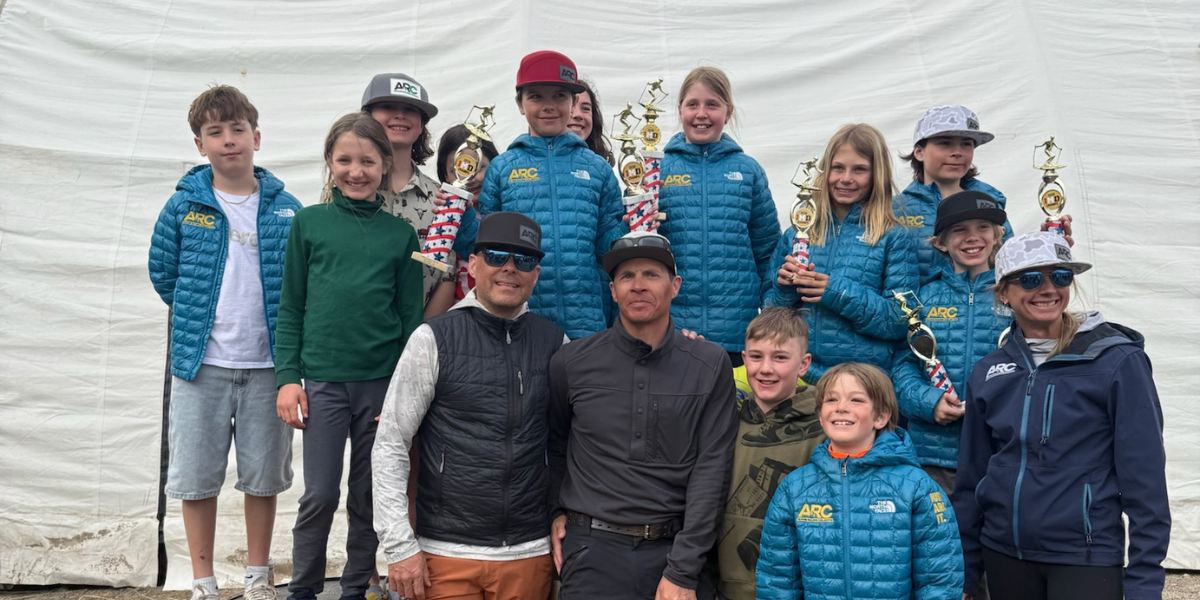
- Individualized Coaching: Recognizing that each athlete develops at their own pace and possesses unique strengths and areas for improvement, ARC maintains small coach-to-athlete ratios. This allows for personalized attention, tailored feedback, and development plans that cater to individual needs rather than a one-size-fits-all approach.
- Holistic Development: Beyond on-snow technical skills, the program emphasizes physical conditioning, mental fortitude, nutritional education, and academic balance. This ensures athletes are not only developing as skiers but also as well-rounded individuals equipped for success both on and off the slopes.
- Long-Term Vision: The focus is on fundamental skill acquisition, enjoyment, and a sustainable passion for skiing, rather than solely on short-term race results. This approach aims to prevent burnout and foster a lifelong love for the sport, encouraging athletes to reach their full potential over many years.
- Positive and Supportive Environment: ARC cultivates a culture of mutual respect, encouragement, and teamwork. Athletes are taught to support their peers, celebrate collective achievements, and learn from challenges in a constructive atmosphere, free from excessive pressure.
- Adaptive Training Methodologies: The coaching staff continuously evaluates and adapts training techniques based on the latest sports science, athlete feedback, and environmental conditions, ensuring optimal development and safety.
Chris Probert, ARC’s visionary Head Coach, commented on the philosophy’s impact, stating, "When you genuinely put the athlete at the center of every decision, the results naturally follow. We believe in fostering intrinsic motivation, resilience, and a deep understanding of the sport, rather than just chasing podiums. Our success in the IMD is a direct reflection of our athletes embracing this philosophy and thriving in a supportive environment."
World Cup Experience Joins the Ranks: Cody Marshall’s Impact
The credibility and depth of ARC’s athlete-first model were further bolstered in 2025 with the addition of Cody Marshall as Alpine Director. Marshall brings an invaluable perspective to the program, having competed at the highest echelons of alpine racing as a former U.S. Ski Team World Cup slalom athlete. His decision to join ARC was particularly significant, as he openly sought a program that genuinely embodied the athlete-centric approach—an ethos he noted was often lacking in his own extensive development pathway.
Marshall’s role is not to overhaul but to enhance ARC’s established coaching philosophy. His experience as a professional racer provides a unique, additive layer to the program’s foundation. He offers firsthand insights into the demands of elite competition, mental preparation, technical nuances, and the critical balance required for sustained success at the highest levels. His presence serves as both an inspiration and a pragmatic resource for young athletes, helping bridge the gap between junior racing and the professional circuit.
"What drew me to ARC was their unwavering commitment to the athlete’s well-being and long-term development," Marshall explained. "It’s a refreshing change from the ‘win-at-all-costs’ mentality that can sometimes permeate competitive sports. I’m here to share my knowledge and experiences, ensuring our athletes not only develop world-class skills but also cultivate the resilience, passion, and strategic mindset necessary for a sustainable career in alpine racing, should they choose that path." His unique perspective ensures that ARC’s athlete-first model is not just theoretically sound but also practically informed by the realities of top-tier competition.
A Pipeline of Talent: Depth Across Age Groups
ARC’s strength is not confined to a single age group but extends throughout its developmental pipeline, from the youngest U8 athletes to the burgeoning U12 competitors. This depth was conspicuously displayed at the Youth Ski League (YSL) Finals, a crucial event for younger age categories, where ARC athletes consistently demonstrated their burgeoning talent. The program’s commitment to early fundamental skill development and instilling a love for the sport from a young age is clearly paying dividends.
Key highlights from the YSL Finals include:
- U8 Success: Multiple ARC athletes secured top-5 finishes in various disciplines, showcasing early promise and a strong grasp of foundational techniques. This early success indicates effective coaching at the entry-level.
- U10 Podium Sweeps: ARC athletes frequently dominated the podiums in the U10 category, reflecting a strong cohort of developing talent ready to step up to the next competitive level. Their consistent performance underscores the robust training framework provided.
- U12 Transition: Several U10 athletes were strategically raced up at the U12 Championships, where they continued to defy expectations, earning podium finishes against older and more experienced competition. This practice of challenging athletes beyond their age group, when appropriate, is a hallmark of ARC’s developmental philosophy, preparing them for future competitive rigor.
This strong pipeline ensures a continuous flow of well-trained and highly motivated athletes, ready to progress through ARC’s expanding age categories and maintain the program’s competitive edge for years to come.
Individual Brilliance: ARC’s Top Performers in the South Series
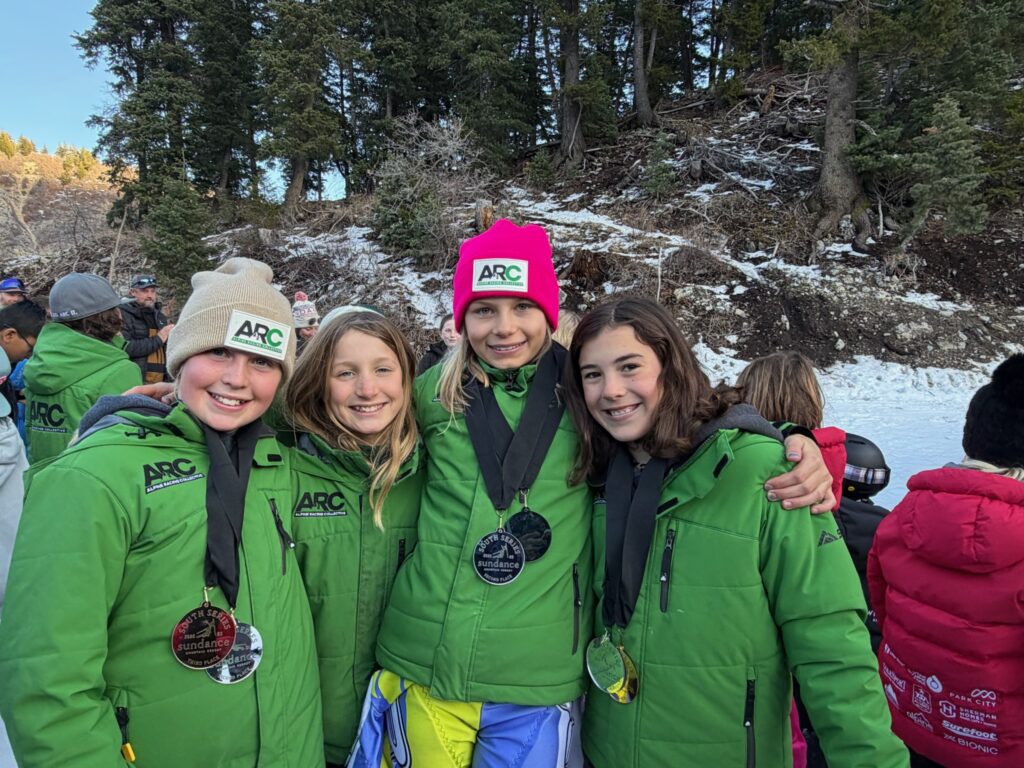
The collective success of ARC in the IMD South Series was built upon numerous individual standout performances across both boys’ and girls’ categories. The program proudly placed six athletes within the highly coveted South Series top 10, a remarkable achievement given its relatively small size compared to other clubs. This balance of talent across genders further speaks to the comprehensive nature of ARC’s development program.
Boys South Series – ARC Top 10
| Rank | Athlete | Points | Highlights |
|---|---|---|---|
| #1 | Soelden Probert | 1,150 | 1st GS, 1st SL, 1st PSL |
| #3 | Leo Saenz | 973 | 2nd PSL, 5th SL |
| #7 | Hudson Eaton | 819 | Top-10 all events |
| #9 | Wels Decker | 783 | Top-6 all disciplines |
Soelden Probert’s dominant performance, securing first place in all three major disciplines (Giant Slalom, Slalom, and Parallel Slalom), exemplifies the peak performance achieved within ARC. His commanding lead in points highlights a level of consistency and technical mastery rarely seen in this age group. Leo Saenz’s strong second-place finish in Parallel Slalom and top-5 in Slalom underscore his versatility, while Hudson Eaton and Wels Decker demonstrated impressive consistency by achieving top-10 and top-6 finishes across all events, respectively. This collective strength among the boys’ ranks contributed significantly to ARC’s overall divisional victory.
Girls South Series – ARC Top 10
| Rank | Athlete | Points | Highlights |
|---|---|---|---|
| #2 | Lily Burky | 1,080 | 2nd GS, 3rd PSL |
| #4 | Evelyn Bridgman | 930 | Top-7 all events |
On the girls’ side, Lily Burky’s second-place finish in the overall standings, propelled by a strong second in Giant Slalom and third in Parallel Slalom, showcased her exceptional talent and competitive drive. Evelyn Bridgman’s consistent top-7 placements across all events further solidified ARC’s strong showing in the girls’ category. These individual achievements not only highlight the athletes’ dedication but also validate the effectiveness of ARC’s coaching and developmental framework in nurturing top-tier talent.
Navigating Adversity: The Historic Low-Snow Season Response
The 2025–26 Wasatch winter presented an unprecedented challenge to all alpine programs in the region, recording the lowest snowfall on record. This historic low-snow season led to widespread training disruptions, reduced terrain availability, and logistical nightmares for ski clubs accustomed to consistent winter conditions. However, ARC’s adaptive and proactive approach allowed it to not only navigate these challenges but also emerge stronger.
ARC responded to the adverse conditions with strategic flexibility and innovative solutions, ensuring minimal impact on athlete development:
- Dynamic Schedule Adjustments: The program swiftly adapted its training schedule, often shifting times and days to capitalize on limited windows of optimal snow conditions or available terrain. This required exceptional coordination and communication with athletes and families.
- Alternative Training Venues: When local mountains faced severe closures or limited terrain, ARC coaches proactively sought out alternative training venues, even if it meant traveling further or utilizing smaller, specialized facilities. This ensured continuity in skill development.
- Enhanced Dryland Training: With less on-snow time, there was an increased emphasis on dryland training programs, focusing on strength, agility, balance, and mental preparedness. These sessions were meticulously planned to complement on-snow work and build a robust physical foundation.
- Focus on Fundamental Skills: The limited snow time was maximized by concentrating on core technical skills and drills that could be practiced effectively on smaller patches of snow, reinforcing fundamentals crucial for long-term progression.
Looking ahead, ARC is already leveraging these experiences to build greater structural flexibility into its operations. For the 2026–27 season, in collaboration with partner schools, early-release schedules and direct transport to training venues will be introduced. This initiative will create a more seamlessly aligned academic-athletic pathway, reducing logistical burdens on families and maximizing valuable training time, regardless of unpredictable weather patterns. This foresight demonstrates ARC’s commitment to creating a sustainable and adaptable program for its athletes.
Strategic Growth: Expanding the Pathway to Elite Competition
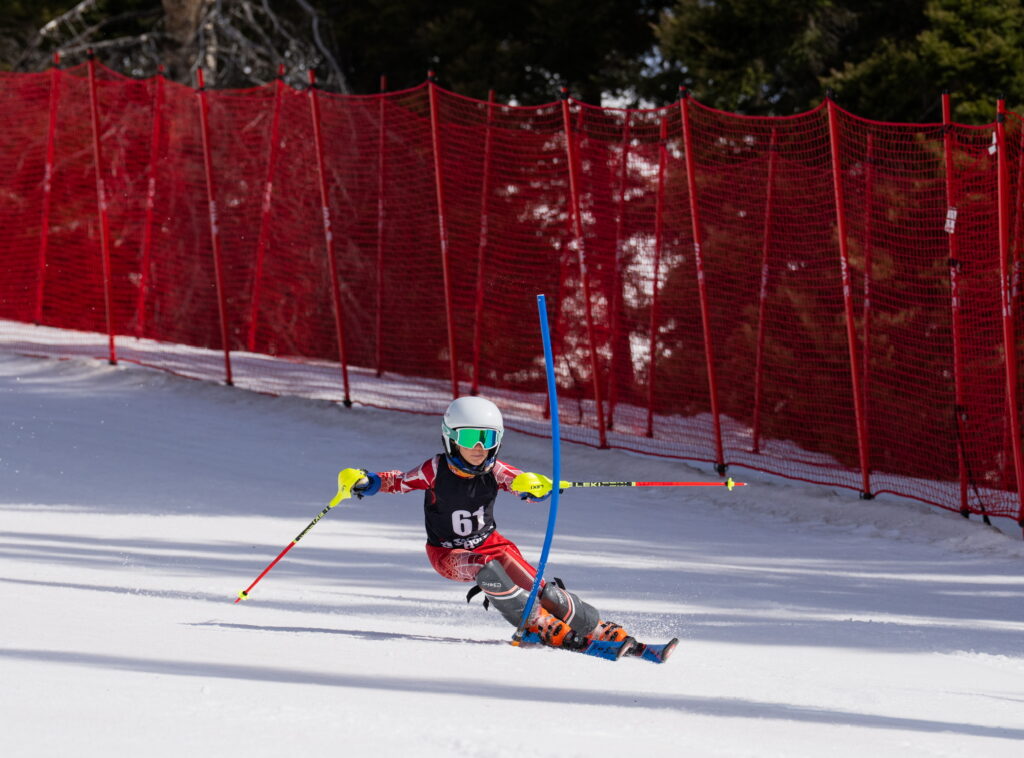
Building on its foundational success and proven athlete-first model, ARC is embarking on a significant strategic expansion. For the 2026–27 season, the program is set to launch a full U14 squad, marking a pivotal step in its long-term development pathway. This expansion is being undertaken with careful consideration to ensure that ARC’s hallmark coaching ratios and high development standards are not compromised. The U14 category represents a critical transition phase in an alpine racer’s career, demanding advanced technical skills, tactical understanding, and increased physical conditioning as athletes move towards more complex race formats and equipment.
The expansion includes several key strategic elements:
- Maintaining Coach-to-Athlete Ratios: ARC is committed to hiring additional qualified coaching staff to ensure that the individualized attention and small group sizes that define its program are preserved for the new U14 cohort. This is crucial for maintaining the quality of development.
- Specialized U14 Curriculum: A specialized training curriculum is being developed for the U14 athletes, focusing on advanced technical drills, increased gate training, video analysis, and comprehensive dryland programs tailored to the physical demands of this age group.
- Progressive Competition Schedule: U14 athletes will compete in a progressive schedule of IMD and potentially regional U.S. Ski & Snowboard races, preparing them for higher levels of competition and exposure.
- Future U16 Program: Following the successful establishment of the U14 program, ARC has outlined plans to introduce a U16 program. The U16 category is another crucial juncture, often involving more intense training, specialized equipment, and greater travel, serving as a direct precursor to FIS-level competition. This systematic expansion aims to provide a continuous, high-quality development pathway for athletes from U8 all the way through to potential international competition.
This controlled and strategic growth underscores ARC’s commitment to not just producing winning athletes but to fostering their long-term progression within the sport, aligning with the ultimate goal of preparing them for the rigorous demands of FIS-level racing.
Raising the Bar Nationally: ARC’s Broader Vision
ARC positions its remarkable regional success and innovative athlete-first model as part of a broader, more ambitious goal: to elevate the overall standard of youth alpine ski racing throughout the United States. The program believes that by demonstrating the efficacy of a holistic, athlete-centric approach, it can inspire other clubs and national organizations to re-evaluate traditional development paradigms. The implications of ARC’s model extend beyond its immediate competitive achievements, suggesting a potential blueprint for sustainable athlete development that prioritizes well-being alongside performance.
"Our vision is bigger than just winning races in the Intermountain Division," remarked a representative from ARC, emphasizing the program’s national aspirations. "We want to show that there’s a more effective, more humane way to develop elite ski racers—one that doesn’t compromise their love for the sport or their personal growth. If we can contribute to a national conversation about truly athlete-first development, then our mission is truly fulfilled."
This vision resonates with growing calls within the U.S. Ski & Snowboard community for programs that foster long-term engagement and prevent burnout in young athletes. ARC’s ability to consistently deliver top results while adhering strictly to its developmental philosophy offers compelling evidence that performance and athlete welfare are not conflicting objectives but rather synergistic elements of a successful program. As ARC continues its expansion and its athletes progress through the ranks, its model could indeed become a significant reference point for the future of youth alpine ski racing in the United States, potentially influencing coaching methodologies, program structures, and national development strategies.
About Alpine Racing Collective
The Alpine Racing Collective (ARC) is a boutique youth alpine ski racing program based in Park City, Utah. Serving athletes from U8 through U14, with a U16 program currently in development, ARC is dedicated to fostering high-performance alpine racers through an athlete-first development model. The club holds the prestigious U.S. Ski & Snowboard Bronze Podium Club status, recognizing its commitment to excellence and athlete progression. ARC primarily conducts its rigorous training sessions at the world-class facilities of the Utah Olympic Park, leveraging state-of-the-art infrastructure and diverse terrain to hone its athletes’ skills. With a leadership team comprised of experienced coaches and former elite racers, ARC is rapidly becoming a premier destination for aspiring young alpine competitors in the Intermountain West and beyond.

