
April 20th, 2026 – The European Alps are experiencing a notably cooler spring than typically observed for this time of year, with several high-altitude ski resorts continuing to offer skiing opportunities. This unusual weather pattern, characterized by a freezing level holding steady around the 2,000-meter mark, is providing a late-season reprieve for snowsports enthusiasts, though a gradual warming trend is forecast for the latter half of the week.
While the majority of lower-lying and mid-altitude resorts have concluded their operations for the season, a significant number of higher elevation destinations have maintained their slopes. This extended season is attributed to a persistent cool air mass that has kept temperatures below seasonal averages across many alpine regions. The freezing level’s current position at approximately 2,000 meters is crucial, as it ensures that precipitation at these altitudes continues to fall as snow, rather than rain, thereby preserving snowpack.
Weather Outlook and Snow Conditions
According to alpine weather expert Fraser Wilkin of weathertoski.co.uk, the current weather pattern is expected to persist for the initial part of the week. "Most regions will be dry with some sunny spells, but there will also be some cloud bubbling up with the odd shower (snow 1800-2000m) or even isolated thunderstorm, mostly in the southern and eastern Alps," Wilkin stated on Monday. He further elaborated on the upcoming shift: "The weather in the Alps will remain broadly similar until the middle of the week when it is set to turn increasingly sunny and warm from Wednesday onwards."
This forecast suggests a transition towards more typical late-spring conditions, with rising temperatures likely to impact snow quality and availability at lower elevations. However, for resorts situated at higher altitudes, the current conditions remain favorable. The snowpack, while showing signs of softening during the warmer parts of the day, is generally firm, especially on north-facing slopes, offering a good surface for skiing. The initial hours of the day typically present icy conditions that gradually improve as temperatures rise, providing a dynamic skiing experience.
Key High-Altitude Destinations for Late-Season Skiing
For skiers and snowboarders considering a late-season trip, several resorts stand out for their ability to offer quality snow and operational lifts. These destinations, often referred to as "spring skiing havens," are characterized by their elevation and advanced snow management capabilities.
France:
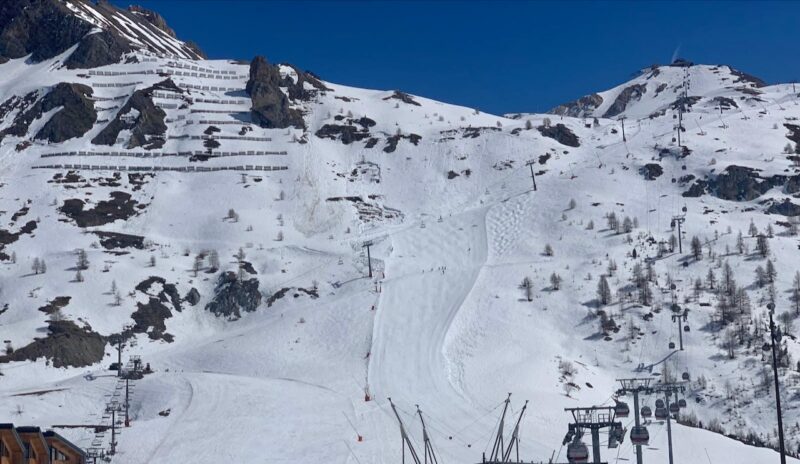
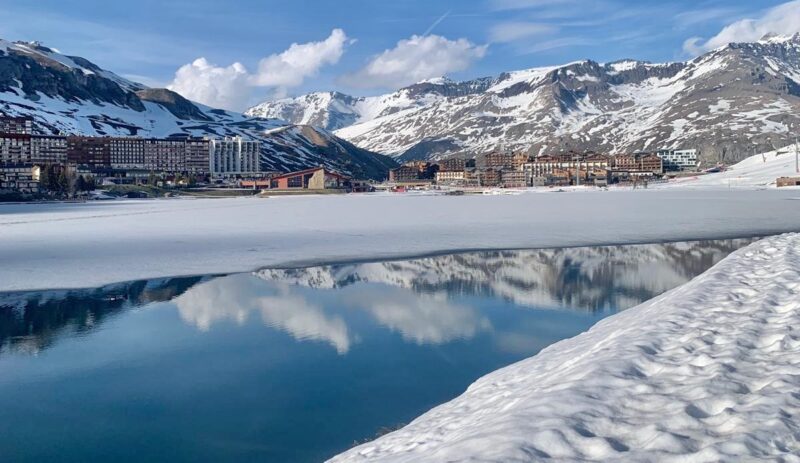
- Tignes: Renowned for its high altitude and extensive glacier skiing, Tignes remains a top contender for late-season snowsports. Its location in the Savoie region of the French Alps positions it to retain snow well into the spring. Recent images shared by PlanetSKI reader Helen Gillespie showcase the continued excellent conditions, with skiers enjoying well-groomed pistes under clear skies. The visuals depict a vibrant alpine scene, with snow-covered peaks and active ski lifts, underscoring Tignes’ reliability as a late-season destination.
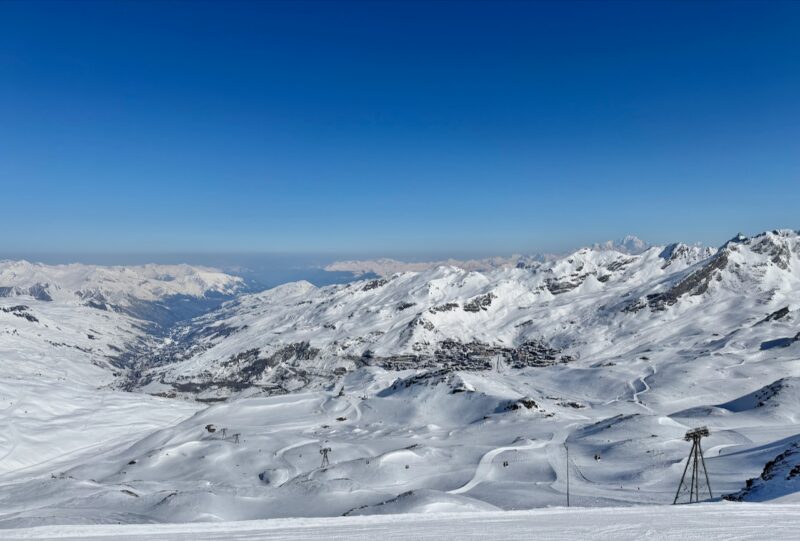
- Val Thorens: As Europe’s highest ski resort, Val Thorens is consistently among the last to close. Its position within the Three Valleys ski area, coupled with its high elevation, ensures a robust snow base that can withstand warmer spring temperatures. Images from the resort, such as those captured by PlanetSKI, highlight the picturesque spring skiing experience, with bright sunshine illuminating the snow-covered slopes.
Austria:
- Ischgl: Known for its vibrant après-ski scene and extensive piste network, Ischgl also benefits from its high altitude. Located in the Tyrolean Alps, it offers reliable snow conditions for a significant portion of the spring season, attracting a discerning clientele seeking both excellent skiing and lively après-ski.
Italy & Switzerland:
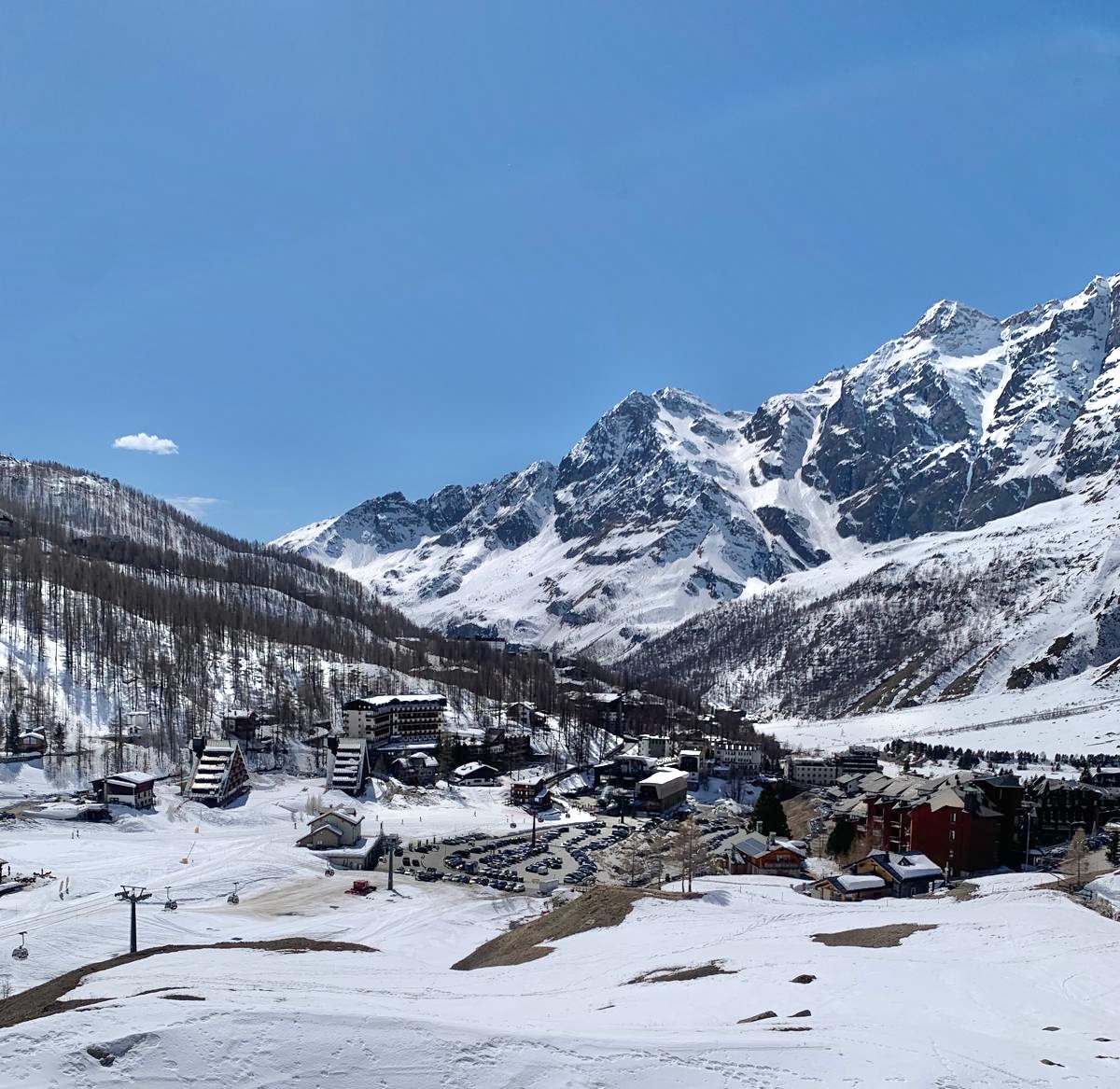
- Cervinia (Italy): Situated at the foot of the Matterhorn, Cervinia shares a high-altitude skiing area with its Swiss neighbor. Its expansive glacier ensures that skiing remains possible well into the spring, offering long, flowing descents with breathtaking views of the iconic mountain.
- Zermatt (Switzerland): Complementing Cervinia, Zermatt offers a similarly high-altitude experience, with skiing accessible year-round on the Theodul Glacier. The resort is celebrated for its pristine slopes and unparalleled views of the Matterhorn, making it a premium destination for late-season skiers.
Background and Context of Late-Season Skiing
The phenomenon of resorts remaining open late into the spring is not uncommon in the Alps, particularly for those with significant glacier coverage or extremely high base elevations. These resorts are strategically positioned to capitalize on consistent snowfall and lower average temperatures, even as the rest of the continent experiences spring’s warming embrace. The 2026 season, however, appears to be presenting a more pronounced period of cooler-than-average temperatures, extending the viable ski season for these high-altitude locations.
Historically, late-season skiing has been a niche but significant segment of the ski tourism market. It appeals to dedicated skiers and snowboarders who prefer less crowded slopes, longer daylight hours for skiing, and the unique ambiance of spring in the mountains. The softening snow can also provide a different, more forgiving skiing experience, particularly for intermediates.
Chronology of the 2026 Spring Season
The early spring of 2026 saw a continuation of winter-like conditions in many parts of the Alps. While many resorts, particularly those below 1,500 meters, began their seasonal closures as scheduled in late March and early April, a cooler-than-average weather pattern persisted. This allowed higher resorts to maintain their snow base.
- Late March – Early April 2026: Standard closing dates for many lower and mid-altitude resorts. High-altitude resorts continue operations, benefiting from residual snowpack.
- Mid-April 2026: Unseasonably cool temperatures persist across the Alps. Freezing levels remain relatively low, preserving snow at altitudes above 2,000 meters. Reports of good late-season conditions begin to emerge from key high-altitude resorts.
- April 20th, 2026: This report is published, highlighting the ongoing cool spell and identifying resorts that remain open. Forecasts indicate a warming trend starting mid-week.
- April 22nd, 2026: Article is updated, reflecting the latest information and confirming the shift towards warmer weather.
Supporting Data and Analysis
The current situation in the Alps can be contextualized by broader climate trends. While individual weather events are distinct from long-term climate change, the persistence of unseasonably cool spring conditions in high-altitude regions warrants observation. Average spring temperatures in the Alps have shown an upward trend over recent decades, leading to a shorter ski season in many areas. However, localized weather patterns, such as persistent high-pressure systems or specific air mass intrusions, can create temporary deviations from these trends.
The freezing level is a critical metric for alpine snow conditions. A freezing level of 2,000 meters means that any precipitation above this altitude is likely to be snow, and any snow below this level is at risk of melting. The fact that it has remained at this level for an extended period into April is a significant factor enabling the continued operation of higher resorts. For instance, a typical average freezing level for April in the central Alps might be closer to 2,500-3,000 meters, indicating the current anomaly.
Reactions and Implications
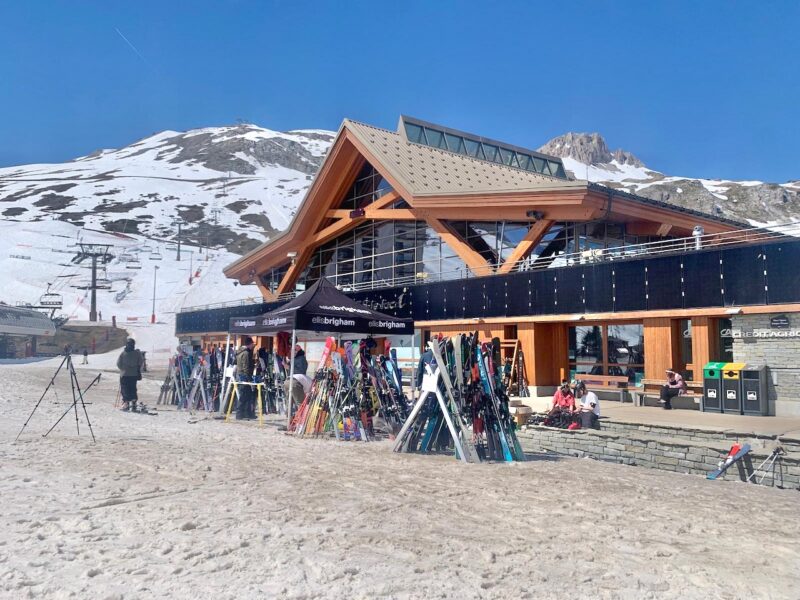
Resort operators in the affected high-altitude areas are likely experiencing a positive impact from the extended season. This provides an opportunity to generate additional revenue from lift passes, accommodation, and other services, offsetting potential losses from shorter seasons at lower resorts. Ski schools and equipment rental shops operating in these areas also benefit from the extended operational period.
For international and domestic tourists, the availability of late-season skiing provides flexibility in travel planning. It allows individuals who may not have been able to travel earlier in the season to still experience a ski holiday. The presence of well-known resorts like Tignes and Val Thorens on the list of open destinations ensures that a significant number of potential visitors have access to quality skiing.
The visual evidence provided by PlanetSKI readers, such as the images from Tignes, serves as valuable social proof for potential visitors. These authentic snapshots of current conditions help to build confidence and encourage bookings. The "Update" section of the article, featuring these reader-submitted photos, highlights the dynamic and community-driven nature of ski reporting.
Looking ahead, the anticipated warming trend from Wednesday onwards will necessitate careful monitoring of snow conditions. Resort management will need to assess the impact of rising temperatures on the snowpack and make informed decisions regarding piste grooming and lift operations. The ability of north-facing slopes to retain snow longer will become increasingly important for extending the season further.
Conclusion
The unseasonably cool spring of 2026 has provided a welcome extension to the ski season for a select group of high-altitude resorts across the Alps. While many lower-lying areas have closed, destinations like Tignes, Val Thorens, Ischgl, Cervinia, and Zermatt continue to offer viable skiing conditions thanks to a persistent low freezing level. As temperatures are forecast to rise later in the week, the focus will shift to managing the evolving snow conditions, but for now, late-season enthusiasts have excellent options for hitting the slopes. This period serves as a reminder of the diverse and often surprising climatic variations experienced in the European Alps, offering unique opportunities for those willing to seek them out.
PlanetSKI.eu continues to be a leading source for digital ski news, providing timely updates, resort information, and travel advice for the snowsports community. Their commitment to delivering up-to-date information, including reader contributions, enhances the value for skiers and snowboarders planning their alpine adventures.

