
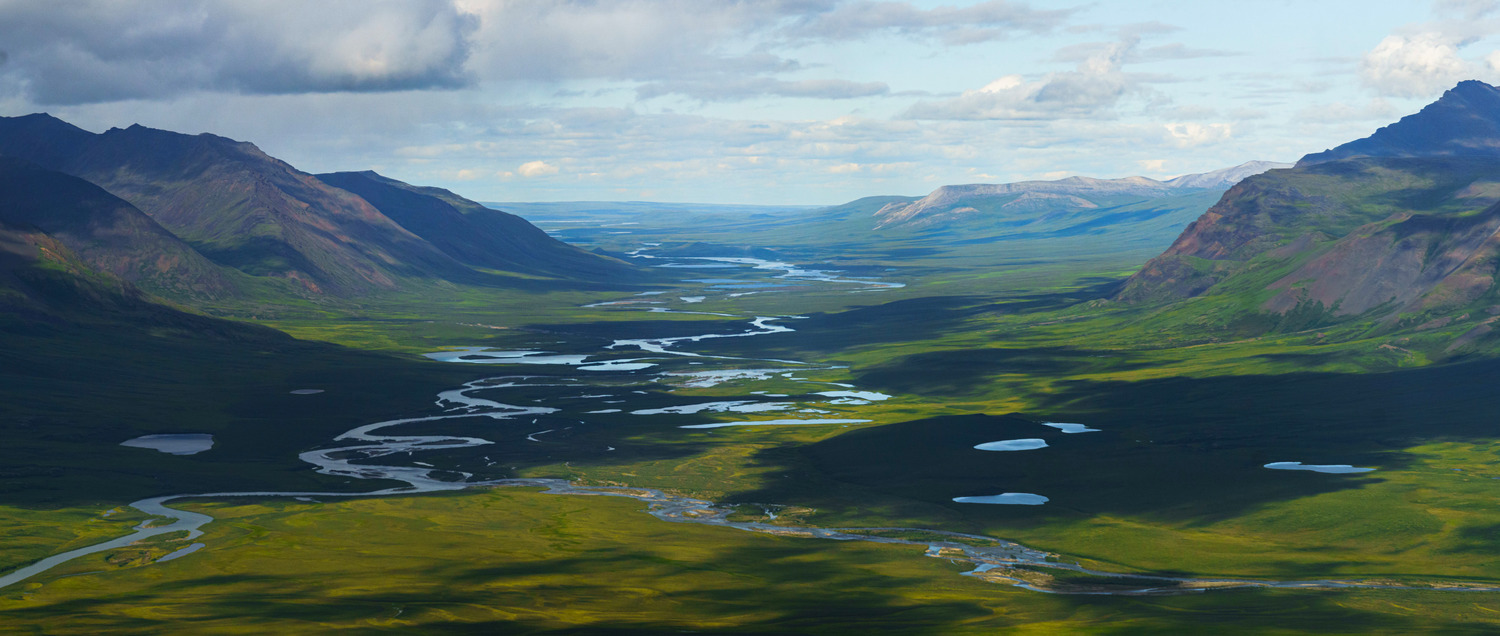
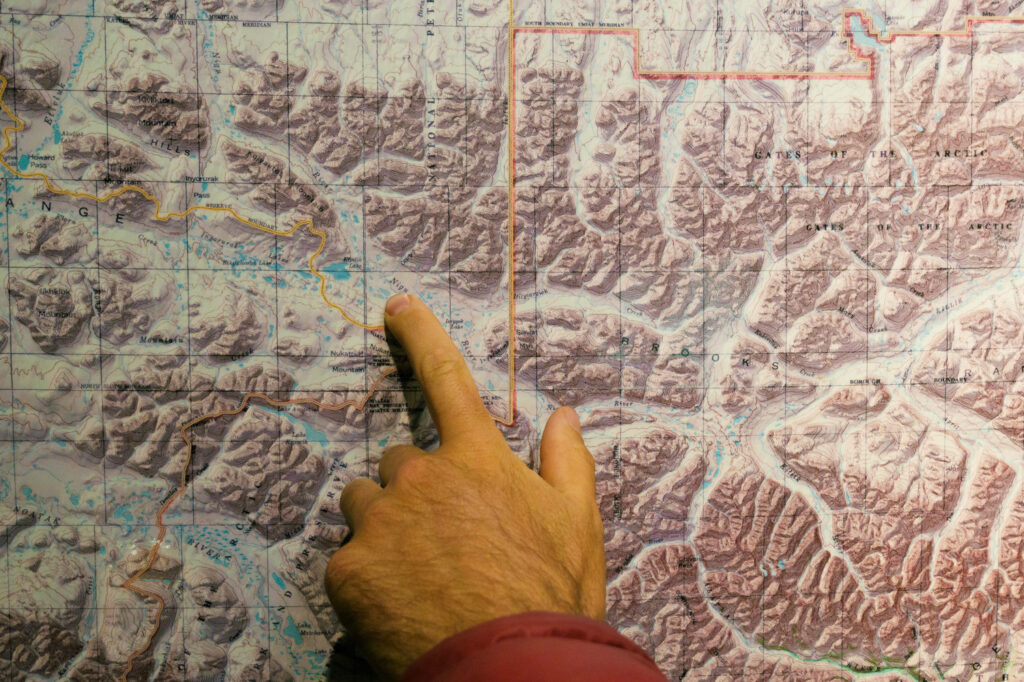
The federal government initiated the first of five mandated lease sales in the Western Arctic on March 18, signaling a significant shift in the management of the National Petroleum Reserve-Alaska (NPR-A). This move opens approximately 5.5 million acres of public land to fossil fuel exploration, including the ecologically sensitive Teshekpuk Lake wetlands. While the leasing program is rooted in a century-old administrative designation, its implementation occurs at a critical juncture for both the American energy sector and the global climate. The NPR-A, covering more than 22 million acres, represents the largest single block of undisturbed public land in the United States, and the current push for development highlights a long-standing tension between resource extraction and environmental conservation.
Historical Context: From Naval Reserve to National Asset
The origins of the NPR-A date back to 1923, when President Warren G. Harding signed an executive order establishing "Naval Petroleum Reserve No. 4." At the time, the United States Navy was transitioning its fleet’s primary fuel source from coal to oil, necessitating a guaranteed domestic supply. Early geological surveys had identified significant oil seeps along Alaska’s North Slope, prompting the federal government to withdraw the land from all other uses, effectively treating the region as a resource colony.
The designation of the reserve was not without controversy. Harding’s presidency was famously overshadowed by the Teapot Dome scandal, which involved his Secretary of the Interior, Albert Bacon Fall, accepting bribes to grant oil leases in Naval Petroleum Reserve No. 3 in Wyoming. This historical backdrop of corruption and resource exploitation has lingered over the management of federal petroleum reserves for a century.
In 1976, management of the reserve was transferred from the Navy to the Department of the Interior under the Naval Petroleum Reserves Production Act. While the transfer shifted oversight to civilian hands, it did not alter the fundamental identity of the land. It was renamed the National Petroleum Reserve-Alaska (NPR-A), a title that legally codified its primary purpose as a source of energy. This bureaucratic update has proven to be a powerful legal instrument for pro-development administrations, as the governing legislation directs an "expeditious program of competitive leasing" within the reserve.
A Chronology of Arctic Development and Policy
The timeline of development in the Western Arctic reflects changing political priorities and economic shifts:
- 1923: President Harding establishes Naval Petroleum Reserve No. 4.
- 1976: Congress passes the Naval Petroleum Reserves Production Act, renaming the area NPR-A and transferring management to the Bureau of Land Management (BLM).
- 2009: Significant environmental surveys highlight the importance of the Teshekpuk Lake region for migratory birds and caribou.
- 2013: The Obama administration implements an Integrated Activity Plan (IAP) that protects roughly half of the NPR-A, including critical habitat around Teshekpuk Lake.
- 2020: The Trump administration moves to open the vast majority of the reserve to leasing, overturning previous protections and mandating five lease sales over the following decade.
- 2023-2024: The Willow Oil Project, a massive undertaking by ConocoPhillips, receives federal approval and enters the development phase, despite legal challenges from environmental groups.
- March 18: The first of the mandated lease sales begins, targeting 5.5 million acres of the Western Arctic.
Ecological Significance of the Western Arctic
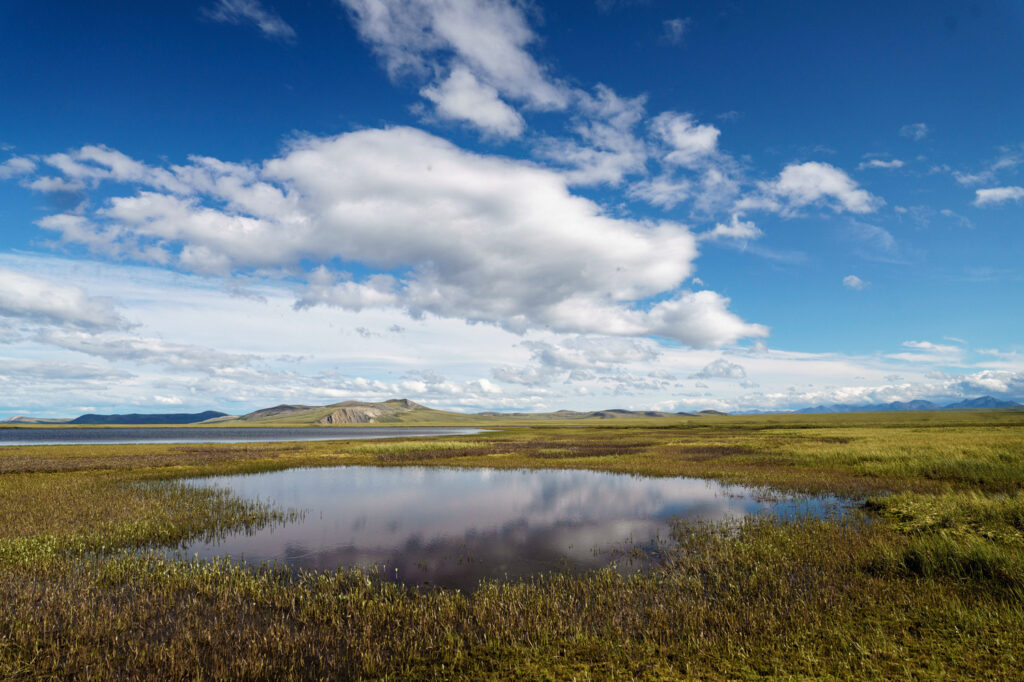
Despite its name, the NPR-A is an intact ecosystem of global importance. It is home to an estimated 5.4 million aquatic birds each season, making it one of the most productive Arctic wetlands on Earth. Migratory birds from six continents and nearly every U.S. state travel to the reserve to nest and molt. The Teshekpuk Lake region, in particular, serves as the primary calving ground for the Teshekpuk Lake caribou herd and provides critical molting habitat for migratory waterfowl.
The scale of the landscape is often compared to California, yet its human population is approximately 10,000 people, mostly residing in small Iñupiat communities. In contrast, the region supports half a million caribou. This connectivity is vital for the survival of Arctic species, which rely on vast, untrammeled corridors for migration. Unlike the contiguous United States, where wilderness is often fragmented by roads, fences, and urban sprawl, the Western Arctic remains a "whole" landscape where ecological processes function without human interference.
Economic and Strategic Considerations
The U.S. Geological Survey (USGS) estimates that the Northern Alaska region may contain nearly half of all undiscovered recoverable oil on federal lands in the country. Specifically, the NPR-A is thought to hold approximately 900 million barrels of technically recoverable conventional oil. The Willow Project alone is expected to produce an estimated 750 million barrels over its lifespan.
However, the economic viability of Arctic oil is a subject of intense debate. Extraction in the Arctic is significantly more expensive than in the Permian Basin or other domestic sources due to the extreme environment, lack of infrastructure, and the need for specialized technology. Critics argue that Arctic drilling requires substantial public subsidies and that the long-term capital horizons of oil companies—often 30 years or more—are increasingly at odds with global efforts to transition away from fossil fuels.
Furthermore, the State of Alaska faces an anemic budget and has historically relied heavily on oil revenue. This has created a pro-development consensus within the state government, which seeks to sell public land along road corridors and expand mining and drilling operations to stabilize the economy. The proposed 200-mile road to the Ambler Mining District is another component of this industrial push, which environmentalists view as a coordinated effort to fragment the North Slope.
Climate Change and Environmental Impacts
The Arctic is warming three to five times faster than the global average, a phenomenon known as Arctic amplification. This warming is already altering the landscape through permafrost thaw, coastal erosion, and changes in vegetation. The introduction of industrial infrastructure—roads, pipelines, and drilling pads—compounds these climate stressors.
From a scientific perspective, the carbon footprint of the Willow Project and subsequent lease sales is substantial. The emissions generated from the combustion of 750 million barrels of oil would contribute significantly to global atmospheric CO2 levels, undermining federal climate goals. Environmental organizations, such as Protect Our Winters (POW), argue that the gift of the Arctic today is the opportunity to exercise restraint. They posit that the resilience of the Arctic ecosystem depends on its remaining intact, as piece-by-piece development changes the fundamental arithmetic of the land’s survival.
Official Responses and Stakeholder Perspectives
The reactions to the March 18 lease sale highlight the deep divisions over Arctic policy.
Federal and State Officials: Proponents of the sale point to the legal mandate established by Congress. They argue that the NPR-A was specifically created for energy production and that domestic oil supplies are essential for national security and economic stability. Alaska’s congressional delegation has consistently advocated for increased drilling, citing job creation and the importance of the Trans-Alaska Pipeline System (TAPS).
Industry Representatives: Oil and gas companies emphasize that they operate on long-term horizons and that the NPR-A represents a strategic reserve for future energy needs. They argue that modern drilling techniques have a smaller physical footprint than in decades past, allowing for resource extraction with minimal impact on the tundra.
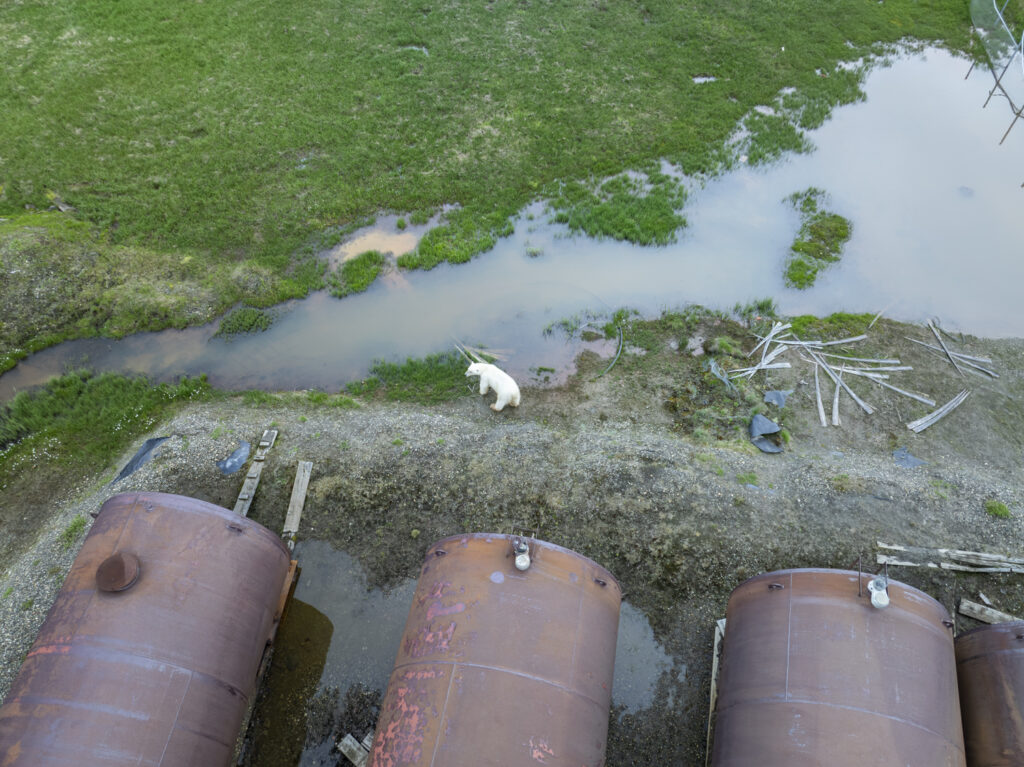
Environmental and Indigenous Groups: Conservationists and some Iñupiat leaders express concern over the loss of subsistence resources and the destruction of sacred lands. They argue that the "Petroleum Reserve" name is an outdated relic that fails to account for the modern understanding of biodiversity and climate science. These groups have filed numerous lawsuits to halt leasing, focusing on the failure of federal agencies to adequately consider the cumulative impacts of multiple projects.
Broader Implications and Future Outlook
The current leasing program in the NPR-A is not an isolated event but part of a broader trend in federal land management. The decision to move forward with these sales creates a "legal scaffolding" that may be difficult for future administrations to dismantle. Once leases are granted, companies acquire property rights that can be costly and legally complex to rescind.
However, the future of the Western Arctic remains uncertain. Market forces, social pressure, and political shifts will continue to influence the pace of development. Analysts suggest three factors that will determine the ultimate fate of the NPR-A:
- Economic Viability: If Arctic oil remains more expensive than alternatives, investors may shy away from the region, regardless of lease availability.
- Political Uncertainty: The 30-year horizons required for oil projects mean that companies must gamble on the political climate of the future. If future administrations prioritize conservation, the financial "break-even" point for these investments becomes much higher.
- Public Perception: The Arctic has become a symbol of the global climate crisis. Increasing public scrutiny and voting patterns focused on environmental protection could force a reevaluation of the NPR-A’s purpose.
Ultimately, the conflict over the National Petroleum Reserve-Alaska is a conflict over names and definitions. While the administrative title suggests a warehouse for oil, the biological reality reveals a global sanctuary for wildlife. As the federal government proceeds with its mandated lease sales, the primary question remains whether the United States will choose to maintain the "last whole place" or complete the industrialization of the American Arctic. The legal machinery is in motion, but the social and ecological consequences will be felt for generations.

