
The picturesque landscapes of Colorado, renowned for their expansive hiking trails and pristine natural beauty, are facing a growing challenge: the improper disposal of dog waste. Colorado Parks & Wildlife (CPW) has issued a strong public service announcement, aiming to educate and remind dog owners about their responsibility to pack out their pets’ waste, rather than leaving it behind on trails. This persistent issue not only detracts from the aesthetic enjoyment of the outdoors for fellow hikers but also poses significant environmental and public health risks to Colorado’s delicate ecosystems.
The practice of bagging dog excrement with the intention of retrieving it later, often phrased as "I’ll pick it up on my way back," has become a common sight along popular trails. While seemingly a minor inconvenience, CPW emphasizes that this habit, if not followed through, has far-reaching negative consequences. The agency is actively working to shift this behavior, advocating for immediate and proper disposal of all pet waste in designated receptacles.
The Environmental Toll of Abandoned Dog Waste
The impact of dog waste on natural environments is multifaceted and, according to scientific research, often underestimated. Dog feces are not a benign addition to the natural landscape. Instead, they introduce a concentrated source of nutrients and pathogens that can disrupt the ecological balance of areas, particularly those that are naturally low in nutrients.
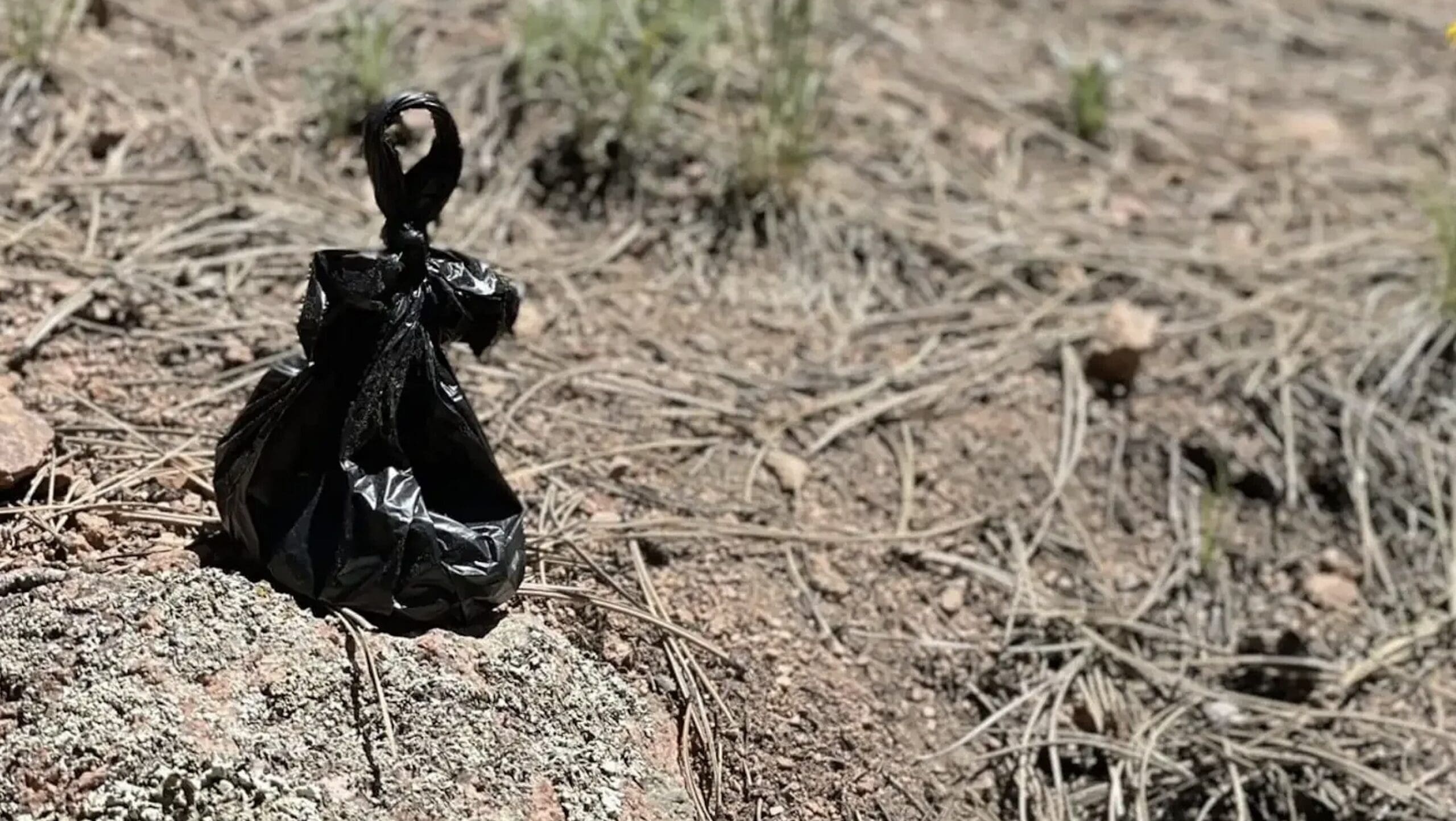
Nutrient Overload: A primary concern highlighted by CPW is the introduction of excessive nitrogen and phosphorus into ecosystems. These nutrients, while essential for plant growth, can lead to eutrophication when present in unnatural concentrations. This over-fertilization can alter plant communities, favoring the growth of invasive species over native flora, and ultimately changing the biodiversity of an area. Studies have indicated that high nutrient levels from dog waste can persist in natural reserves for up to three years, even in areas where dogs are subsequently banned. This prolonged impact underscores the long-term consequences of seemingly transient waste.
Water Contamination: Rainwater runoff plays a significant role in transporting pollutants. When dog feces are left on trails, they can be washed into nearby streams, rivers, and lakes. This runoff carries not only excess nutrients but also harmful bacteria. Fecal coliform bacteria, commonly found in dog waste, are a significant indicator of potential contamination of water sources. This poses a risk to both wildlife that rely on these water bodies and potentially to human water supplies if the contamination is extensive.
Pathogen Transmission: Beyond nutrients and general bacteria, dog feces can harbor a range of harmful pathogenic microorganisms. These include well-known threats such as E. coli, Salmonella, Giardia, and hookworms. These pathogens pose a direct risk to wildlife, other domestic animals, and humans who may come into contact with contaminated soil or water. For instance, hookworms can infect humans through skin contact, and Giardia can cause severe gastrointestinal illness. The presence of these pathogens necessitates vigilant waste management practices to protect public health and the well-being of wildlife.
Colorado Parks & Wildlife’s Initiative
Colorado Parks & Wildlife has been vocal about this issue, utilizing various platforms to disseminate their message. Their "Dog Etiquette" guide, available on their official website, outlines clear expectations for dog owners visiting state parks and wildlife areas. The core of their plea is simple: "Pack it in, pack it out."

The agency’s messaging often employs a direct and slightly sarcastic tone, as seen in recent social media posts, to capture attention and emphasize the absurdity of leaving waste behind. One post humorously contrasts the dog owner’s intention ("I’ll leave this here and pick it up on my way back") with the agency’s implied skepticism ("Oh, we bet"). This approach aims to resonate with the public and encourage a re-evaluation of the behavior.
CPW has also provided a clear list of locations where trash, including pet waste, absolutely does not belong:
- On a trail
- In a vault toilet (which are not designed for solid waste disposal and can lead to blockages and odor issues)
- Left at a campsite
- Left to be picked up on the way back
Conversely, the agency emphasizes that the only appropriate destination for pet waste is a designated trash receptacle.
Broader Context and Chronology of Awareness
While CPW’s recent campaign highlights the issue, the problem of improperly disposed dog waste in outdoor recreation areas is not new. For years, park management agencies across the nation have grappled with this challenge. The increasing popularity of outdoor recreation, particularly in recent years, has exacerbated the problem as more people and their pets access trails.

The chronology of awareness can be traced through various public outreach efforts and environmental studies. As scientific understanding of the ecological impacts of concentrated waste has grown, so too has the urgency of public campaigns. CPW’s current efforts build upon a foundation of similar advisories issued by local and state agencies, as well as by national park services, all aiming to instill a culture of responsible pet ownership in natural settings.
The rise of social media has provided a powerful tool for disseminating these messages. Viral posts and shared experiences, both positive and negative, can amplify the reach of public service announcements. CPW’s active presence on platforms like X (formerly Twitter) allows them to engage directly with the public and share timely information and reminders.
Official Responses and Recommendations
Colorado Parks & Wildlife’s recommendations are straightforward and actionable:
- Always carry waste bags: Dog owners should come prepared with an ample supply of plastic bags to collect their pet’s waste.
- Dispose of waste properly: Once collected, the bagged waste should be carried out by the owner and deposited in a designated trash can. This may mean carrying it for the entire duration of the hike.
- Consider "pack it in, pack it out" for all trash: This principle extends beyond pet waste to include all forms of litter, reinforcing a Leave No Trace ethic.
Beyond waste disposal, CPW also provides comprehensive guidelines for responsible dog ownership in natural areas, including:

- Leash Laws: Keeping pets on a maximum six-foot leash is mandatory in most areas. This is crucial for the safety of the dog, wildlife, and other park visitors, preventing uncontrolled interactions and potential chases.
- Beach Restrictions: Pets are generally prohibited from swim beaches and water-ski beaches to maintain water quality and provide a clean environment for human recreation.
- Vaccinations and Identification: Ensuring pets are up-to-date on vaccinations and wear identification tags is vital for public health and in case of a lost pet.
- Food Storage: Pet food should not be left outside, especially at night, as it can attract wildlife and pose a risk of conflict.
- Quiet Hours: Respecting park quiet hours (typically 10 p.m. to 6 a.m.) means ensuring pets do not disturb others with excessive barking.
- Preparation: Owners must come prepared with adequate food, water, and shelter for their pets, recognizing that water sources in the wild may contain harmful bacteria.
- Wildlife Awareness: Being mindful of potential wildlife encounters, such as with mountain lions, moose, or rattlesnakes, and following park staff guidance is essential for the safety of both pets and their owners.
Analysis of Implications and Broader Impact
The implications of CPW’s campaign extend beyond simply keeping trails clean. It speaks to a broader need for environmental stewardship and responsible outdoor recreation. As more individuals seek solace and adventure in nature, the collective impact of their actions becomes increasingly significant.
The success of this initiative hinges on widespread adoption by dog owners. A failure to adequately address the issue could lead to further environmental degradation, potentially impacting the very ecosystems that draw people to Colorado’s trails. In more extreme cases, persistent pollution and health risks could necessitate stricter regulations, including further trail closures or limitations on pet access, which would be a loss for responsible pet owners.
Furthermore, the campaign underscores the interconnectedness of human activities and the natural world. It serves as a reminder that even seemingly small actions, like disposing of pet waste, have a tangible effect on the environment. By encouraging a shift towards responsible behavior, CPW aims to preserve Colorado’s natural beauty for future generations, ensuring that the serenity of its trails remains unmarred by the preventable consequences of human oversight. The ultimate goal is to foster a culture where responsible pet ownership is not just a rule, but an ingrained part of enjoying the great outdoors.

