
The onset of the 2026/27 ski season has been marked by a period of meteorological volatility across the European Alps, characterized by significant early-season snowfall followed by rapid temperature fluctuations. As of October 26, 2026, twelve glacier ski areas have officially opened their doors to the public, buoyed by substantial accumulations from recent storms. However, this early access to high-altitude terrain has been tempered by a stark reminder of the inherent dangers associated with early-season mountain travel, underscored by a recent avalanche incident near Alpe d’Huez.
Meteorological Overview and Regional Disparities
The weather patterns across the Alps have remained highly unstable throughout October. Meteorological data from the past week indicates a series of low-pressure systems that brought heavy precipitation to the high-altitude zones. According to Fraser Wilkin of weathertoski.co.uk, these systems resulted in significant snow accumulation above 2,500 meters, providing a necessary foundation for glacier resorts.
However, the "yo-yoing" temperatures observed this week have created a distinct north-south and east-west divide. On Tuesday, the freezing level is forecasted to climb to 4,000 meters, a height that effectively moves the rain-snow line to the very top of many lift-serviced areas. This warming trend has already caused significant snowmelt at lower altitudes, particularly in the north-western Alps where recent rainfall was heavy. In contrast, the eastern Alps have fared better, with lower temperatures maintaining the integrity of the snowpack and keeping the natural snowline at a lower elevation.
This phenomenon is characteristic of the late autumn transition period in the Alps. As the climate continues to evolve, meteorologists are noting that the volatility of these snowlines is becoming an increasingly defining feature of the shoulder season, complicating operations for resorts that rely on natural snowfall to supplement their glacier bases.
The Alpe d’Huez Incident: A Safety Wake-Up Call
The transition from autumn to winter has brought more than just snow; it has brought early-season risks that many enthusiasts may have underestimated. On October 22, 2026, emergency services were dispatched to the Saint-Sorlin-d’Arves glacier near Alpe d’Huez following an avalanche that caught three ski tourers.
The incident, which occurred during a period of high-altitude instability, saw two of the three skiers swept away by the slide. One individual was carried approximately 150 meters down the slope before coming to a stop. While both victims suffered minor injuries, the outcome could have been significantly worse. Rescuers on the scene noted that the individuals were fortunate not to have been buried or dropped into a crevasse, which remain highly active and potentially snow-bridged at this time of year.
Professional mountain guides and safety organizations have reacted to the incident with a stern advisory. Avalanche activity in late October is historically uncommon but not unprecedented. The danger arises when fresh, unbonded snow falls onto a hard, icy glacier surface, creating a "sliding plane" that is highly susceptible to triggering. Authorities are urging those venturing into high-altitude, non-patrolled terrain to carry full safety equipment, including beacons, probes, and shovels, and to monitor local bulletins, which are often less frequent during the pre-season.
Current Status of Glacier Resorts
The following resorts currently represent the primary destinations for those seeking early-season turns in the Alps:
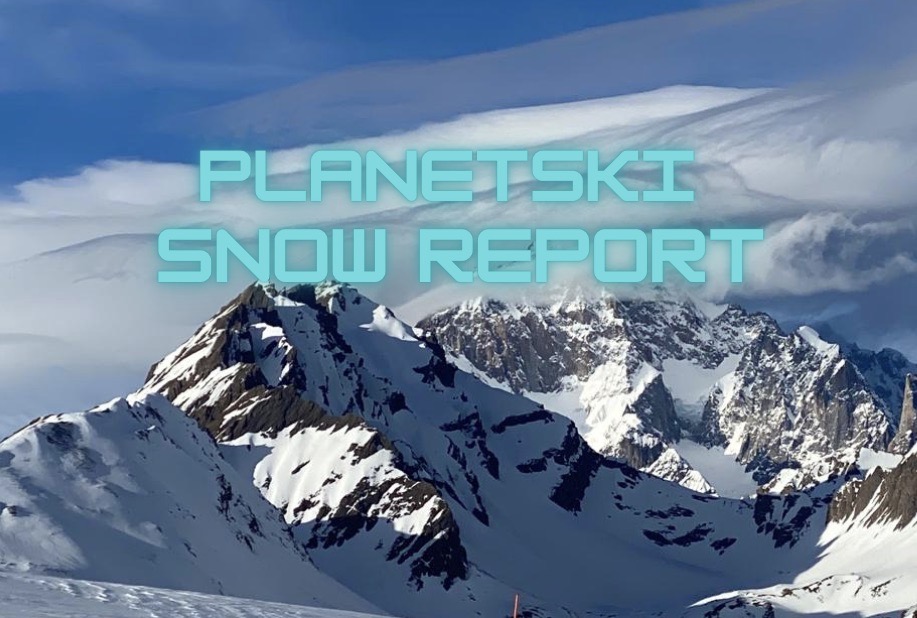
- Zermatt (Switzerland) / Cervinia (Italy): These interconnected resorts currently boast some of the most stable conditions in the region. Recent storm cycles delivered approximately 30cm of fresh snow, significantly improving the surface quality on the upper glacier runs.
- Soelden (Austria): As one of the most reliable early-season venues, Soelden has opened a considerable portion of its high-altitude terrain, catering to both competitive training squads and the general public.
- Hintertux (Austria): Maintaining its status as a 365-day ski destination, the Hintertux glacier is currently operating near maximum capacity for this time of year, benefiting from consistent cold-weather management.
Outside of the Alps, the situation in Scandinavia presents a different operational model. In Finland, the resorts of Levi and Ruka have initiated their seasons by utilizing "snow farming"—the process of storing snow from the previous winter under insulating covers. This method has become an essential strategy for Northern European resorts to guarantee opening dates regardless of current temperature fluctuations. In Sweden, Klappen has similarly opened its snowpark using preserved snow, while Norway’s Galdhøpiggen Glacier remains restricted to race training teams, reflecting the specialized demand for high-altitude training environments ahead of the World Cup circuit.
Broader Implications for the 2026/27 Season
As the industry pivots toward the 2026/27 season, the early-season data suggests a year of adaptation. The reliance on glacier resorts and snow farming technologies highlights a growing trend in the ski industry: the shift toward "climate-resilient" operations. Resort operators are increasingly investing in sophisticated snow-making infrastructure and advanced grooming techniques to counteract the rising frequency of warm spells in October and November.
For the traveling public, the 2026/27 season brings a renewed focus on digital integration and real-time information. With snow conditions changing rapidly, the ability of resorts to communicate accurate, transparent data to their customers has become a competitive advantage. The launch of the "New for the 2026/27 Season" portal by industry analysts reflects this need for consolidated, reliable information. This section serves as a centralized hub for tracking infrastructure upgrades, such as new lift installations, sustainable energy initiatives, and revised pricing models, which are critical for long-term planning.
Economic and Environmental Context
The financial implications of a volatile October are significant. Resorts that are able to open early attract high-value training teams and early-bird enthusiasts, providing an essential cash flow boost before the peak Christmas and February holiday periods. However, the costs associated with maintaining these slopes—particularly when faced with melting temperatures—are substantial.
Furthermore, the environmental impact of early-season snow production is a topic of ongoing debate. As the Alps face warming trends, the industry is under pressure to justify the energy consumption required for snow management. Most major resorts are now coupling their operations with renewable energy projects, attempting to balance the demand for early-season skiing with the urgent need for environmental sustainability.
Looking Ahead
As the calendar turns toward November, the outlook for the Alps remains uncertain. While the current settling of the weather will provide a period of stability, the long-term forecast suggests that the cycle of cold and heat may continue into early winter. Skiers are encouraged to remain flexible with their travel plans and to prioritize safety over accessibility.
For those planning their first excursion of the 2026/27 season, the following checklist is recommended by mountain safety experts:
- Check Local Bulletins: Always consult the regional avalanche and weather service (e.g., SLF in Switzerland or Météo-France) before heading out, even on marked glacier runs.
- Verify Lift Status: Glacier operations are highly dependent on wind and visibility; confirm status via resort apps or live-stream webcams before departing.
- Respect Markings: During the early season, many resort areas are not fully "pisted." Stay within the marked boundaries, as glaciers are prone to open crevasses that may not be fully covered by the current thin snowpack.
- Equipment Readiness: Ensure all gear is serviced, particularly bindings, which may need adjustment for the harder, icy surfaces typical of October.
As the industry continues to evolve, the 2026/27 season stands as a test of the resilience of alpine tourism. Whether through the preservation of old snow or the strategic opening of high-altitude glaciers, the spirit of the sport remains intact, provided that practitioners respect the limitations imposed by the mountain in these transitionary months. The early storms have provided a taste of what is to come, and for many, the arrival of winter—no matter how inconsistent—is a welcome sign that the alpine cycle has begun anew.

